
Oil Crosses 107 USD as Saudi Pipeline Shutdown Tightens Global Supply


September 14, 2026 – Global energy markets are experiencing a severe supply shock today, driving Brent crude futures past the 107 USD per barrel threshold.
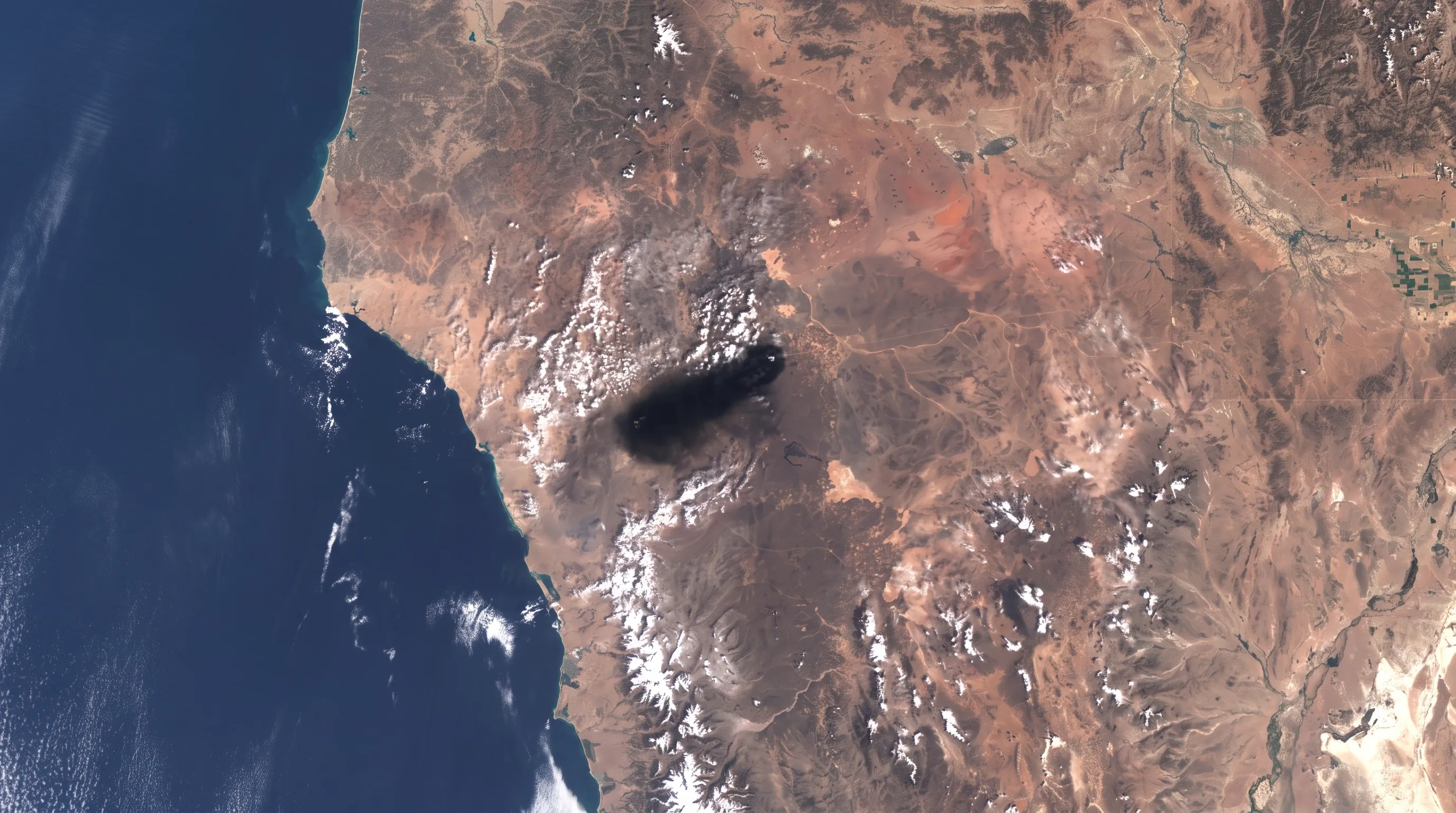
The sudden price escalation follows Saudi Arabia's decision to temporarily shutter its East-West pipeline system following a coordinated drone strike.
For macroeconomic allocators, this development eliminates the kingdom's primary logistical bypass around the contested Strait of Hormuz.
Institutional trading desks are aggressively repricing the geopolitical risk premium, recognizing that the global supply chain is entirely exposed to Persian Gulf maritime disruptions.
The Petroline Void and Supply Deficits
The fundamental catalyst driving today's violent repricing is the sudden removal of up to five million barrels per day of overland transit capacity.
The East-West conduit, internally referred to as Petroline, structurally connects the core eastern oilfields directly to the Red Sea export terminals at Yanbu.
By bypassing the Strait of Hormuz, this infrastructure historically insulated a massive segment of global supply from maritime conflict. Quantitative analysts note that taking this critical safety valve offline creates an immediate physical supply void for European and Asian refineries.
Without this alternative routing, international buyers must compete for rapidly shrinking available inventory, forcing the forward yield curve into deep backwardation.
Hormuz Choke-points and Sovereign Resilience
Beyond the localised infrastructure damage, the macroeconomic impact is magnified by the concurrent deterioration of maritime security.
The closure coincides with escalating militant advances near the Bab el-Mandeb Strait, effectively squeezing energy transit on both sides of the Arabian Peninsula.
As commercial shipping traffic through these critical chokepoints slows to a fraction of historical volumes, logistical friction mechanically increases delivery costs.
Fixed-income desks observe that the kingdom's decision to suspend operations as a precaution underscores the vulnerability of centralized energy infrastructure.
To balance these elevated operational risks, Saudi state entities must rapidly redirect capital expenditure toward advanced kinetic defense systems.
Price Action and Capital Rotation
From a market positioning standpoint, the simultaneous loss of the Petrol bypass and ongoing Strait of Hormuz friction leaves the global macro-economy highly vulnerable.
With Brent crude advancing over two percent at the market open and West Texas Intermediate crossing the 102 USD mark, inflationary pressures are structurally reaccelerating.
Trading models indicate that sustained triple-digit crude prices will mechanically constrain central bank monetary easing cycles across developed markets.
Unless emergency strategic petroleum reserves are aggressively deployed, institutional allocators project that physical buyers will continuously bid up spot prices to secure immediate delivery.
As long as the overland bypass remains non-operational, commodity funds expect to maintain a heavy long bias against global energy derivatives.
Read more
 Brent Crude Climbs to 96 USD as Escalating U.S.-Iran Tensions Threaten Maritime Chokepoints
September 4, 2026 – Global crude benchmarks violently reversed their late-summer slump this week, with Brent crude briefly piercing the 96 USD per barrel threshold.The aggressive rally is entirely driven by a massive injection of geopolitic…
Donia Saad•04 September Oil Prices Edge Higher Above $89 as Covert Persian Gulf Flows Counter Supply Fears
August 17, 2026 – Global crude benchmark prices edged higher during early Monday trading, extending momentum after both primary benchmarks gained over 5% during the previous week.As Brent crude futures rose to $89.20 per barrel, West Texas…
Donia Saad•17 August Oil Prices Surge as Geopolitical Supply Risks Counter OPEC+ Demand Revisions
August 16, 2026 – Global crude oil prices edged higher this week, with Brent crude reaching $88.52 per barrel and West Texas Intermediate (WTI) rising to $82.40 per barrel.The price increase reflects renewed energy market volatility as geop…
Donia Saad•16 August Oil Prices Hold Firm as Physical Supply Tightens Despite Ample Global Production
July 26, 2026 – Oil prices remained elevated as traders shifted their attention from headline geopolitical risks to tightening physical crude supplies, with disruptions to key export routes supporting prices despite expectations of adequate…
Donia Saad•26 July Oil Climbs After UAE Plant Strike Sparks Supply Fears
May 18, 2026, brought fresh turbulence to energy markets as oil prices surged after a drone strike targeted a UAE nuclear facility. The latest escalation around Gulf infrastructure pushed Brent crude to a two-week high and revived fears of…
UA Finance•18 May Brent Crude Above $100 Fuels Supply Fears
April 24, 2026, saw Brent crude above $100 surge back into focus as supply disruptions tightened global markets. The sharp move in Brent crude above $100 highlights growing imbalance risks. Brent Crude Above $100: Rally Raises Alarm Brent c…
UA Finance•25 April Oil Surges Past $100 as Hormuz Tensions Deepen Fast
 On April 23, 2026, oil prices climbed sharply as stalled US-Iran talks and ongoing disruptions in the Strait of Hormuz tightened global supply expectations, lifting crude benchmarks above key levels. Oil Rally Ignites as Diplomatic Deadlo…
UA Finance•23 April Oil Falls Weekly Despite Supply Disruptions
Oil prices posted modest gains on Friday but remained firmly on track for their steepest weekly decline since June. The move comes as markets balance easing geopolitical tensions with persistent supply disruptions across the Middle East. De…
UA Finance•10 April Crude Oil Surges as Middle East Supply Threats Intensify
 On Thursday, April 9, 2026, as supply risks grew, energy markets responded strongly to rising geopolitical tensions, with traders closely monitoring the regional developments to assess the long-term effects on global fuel prices and econo…
UA Finance•09 April Oil Prices Aim for More Increases Due to Middle East Conflict
Oil prices are positioned to rise even higher on Sunday, March 15th, 2026, due to the ongoing conflicts in the Middle East, which are threatening key oil export facilities and shipping routes. Oil Rallies as Export Risks Deepen Oil prices w…
UA Finance•16 March