BOJ and Federal Reserve Face Critical Test as Forward Rate Pressure Accelerates


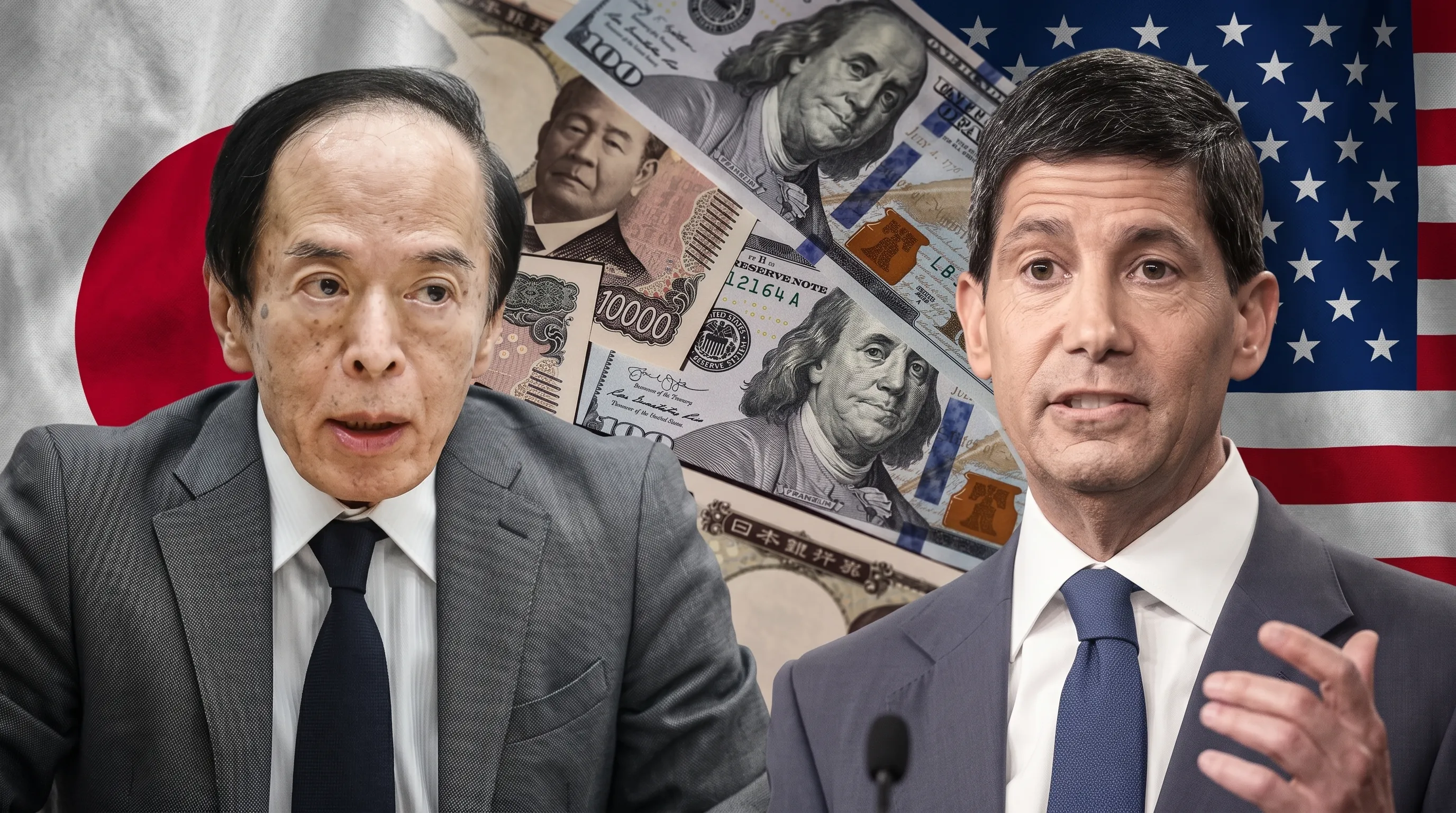
September 14, 2026 – The Bank of Japan and the United States Federal Reserve are confronting a critical juncture this week as institutional allocators aggressively reprice global interest rate trajectories.
With Japanese wage growth reaching multi-decade highs, macroeconomic trading desks anticipate the Bank of Japan will hike its benchmark policy rate to 1.25 percent.
Simultaneously, persistent inflationary pressures across the United States have pushed the implied probability of another Federal Reserve rate hike significantly higher.
This stark monetary tension is violently reshaping cross-border capital flows, creating severe liquidity friction across global equity and currency markets.
The Bank of Japan and the 1.25 Percent Threshold
The Bank of Japan is widely expected to elevate its policy rate to 1.25 percent during its upcoming mid-September meeting.This anticipated move would mark the highest domestic interest rate environment in Japan since 1995.
Quantitative analysts note that this aggressive normalisation is fundamentally justified by stronger gross domestic product expansion and surging real wages.
Sustained domestic inflation is currently being exacerbated by elevated global oil prices and massive capital expenditures surrounding artificial intelligence.
These combined macroeconomic pressures force the central bank to aggressively abandon its legacy zero-interest policy frameworks.
Capital Repatriation and Carry Trade Unwinding
Institutional asset managers warn that this tightening cycle structurally collapses the traditional Japanese yen carry trade.Leveraged funds are now being forced to rapidly unwind their dollar-denominated exposure as borrowing costs in Tokyo accelerate.
As domestic yields rise, Japanese fiduciaries are increasingly repatriating offshore capital back into local government bonds.
This massive structural repatriation mechanically suppresses liquidity across Western risk assets. Trading desks observe that this cross-border capital rotation is directly amplifying volatility across tier-one global equity indices.
Federal Reserve Yield Curve and Dollar Volatility
While Tokyo tightens its monetary framework, the United States Federal Reserve faces immense institutional pressure to sustain restrictive policy rates.
Yields on short-duration United States Treasuries are rapidly approaching multi-year highs as commodity-driven inflation metrics remain persistently sticky. Because the Federal Reserve cannot immediately pivot toward monetary easing, the interest rate differential between the United States and Japan is compressing rapidly.
This narrowing spread recently triggered a violent repricing of the dollar-yen exchange rate, driving the yen sharply higher toward the 153 zone against the dollar.
Multinational corporations relying heavily on dollar-denominated commercial paper now face an immediate elevation in their weighted average cost of capital.
Read more
 US Dollar Index Breaks 100 Parity as Resilient Wage Data Sustains September Rate Hike Bets
September 6, 2026 – The US Dollar Index (DXY) successfully breached the critical 100 psychological threshold during early Sunday trading sessions.Institutional capital continues to aggressively accumulate the greenback following a complex a…
Donia Saad•06 September US Dollar Index Eyes 100 Breakout as September Rate Hike Bets Surge Past 60%
September 2, 2026 – The US Dollar Index (DXY) continued its aggressive upward trajectory during Wednesday trading, pushing toward the 99.85 level. Institutional trading desks are actively preparing for a potential breakout above the critica…
Donia Saad•02 September Gold Tests 4,300 USD as Hawkish Warsh Speech Sparks September Rate Hike Bets
September 2, 2026 – Spot gold (XAU/USD) is facing severe downward pressure this week, decisively breaking below the 4,400 USD threshold to test critical support near 4,300 USD.The aggressive selloff was triggered by a highly hawkish keynote…
Donia Saad•02 September US Dollar Index Defends 99.66 as Hawkish Fed Projections Halt a Historic Summer Selloff
August 30, 2026 – The US Dollar Index (DXY) stabilized near 99.66 during Friday trading, successfully defending critical technical support after suffering its steepest weekly drops of the summer.While retail currency traders have spent week…
Donia Saad•30 August U.S. Inflation Eases to 3.4% as Core PCE Stickiness Complicates Kevin Warsh’s Next Fed Move
August 26, 2026 – U.S. inflation data provided a mixed relief to financial markets this week, as the headline Consumer Price Index (CPI) cooled to 3.4% year-over-year in July.While the slight deceleration from June’s 3.5% offers temporary b…
Donia Saad•26 August Japan Signals Readiness to Act as Yen Nears Key 160 Level
June 2, 2026 — Japan's finance minister signaled that authorities remain prepared to respond to excessive currency market volatility as the yen hovered near the psychologically important 160-per-dollar threshold, a level closely monitored…
UA Finance•02 June Dollar Hits Multi-Week High as Yen Weakens Past 160
 On April 30, 2026, the dollar hits multi-week highs as surging oil prices and persistent inflation concerns reshape global currency dynamics. The yen weakens sharply, nearing intervention territory as markets react to central bank signals…
UA Finance•30 April Oil Prices Climb as Yen Firms After BOJ Decision
 On Tuesday, April 28, 2026, oil prices climbed and the yen strengthened as markets absorbed fresh signals from the Bank of Japan and ongoing Middle East tensions. The surge in oil prices and currency shifts underscored deepening inflation…
UA Finance•28 April Fed Shock: Rate Hike Back on the Table
“Fed Signals Possible Shift Toward Rate Hike Again” captures the sudden shift in expectations on Saturday, March 21, 2026. The Federal Reserve is sending a message of uncertainty. The main drivers of a rate hike are inflation, geopolitical…
UA Finance•22 March Yen Under Pressure as BOJ Holds, Dollar Gains
The Japanese yen came under pressure on March 19, 2026, after the Bank of Japan left interest rates unchanged, while the US Federal Reserve indicated it would maintain a tight monetary policy stance for the foreseeable future. The rise in o…
UA Finance•21 March