
DO

Donia Saad

Author

Financial News Editor specializing in economic news and global financial markets, delivering accurate, reliable, and up-to-date content based on trusted sources.

Joined Jul 5, 2026

40 Total News Posts

0 Total Articles Posts

0 Total Academy Posts

China's Economic Growth Slows as Weak Domestic Demand Clouds Outlook

China's Economic Growth Slows as Weak Domestic Demand Clouds Outlook

China's Economic Growth Slows as Weak Domestic Demand Clouds Outlook July 16, 2026 – China's economy expanded at one of its slowest quarterly paces in recent years, highlighting persistent challenges in domestic demand despite resilient exports and continued government support for high-tech industries. Official data showed China's gross domestic product (GDP) grew 4.3% year-on-year in the second quarter of 2026, down from 5.0% in the first quarter and below the government's annual growth target range of 4.5% to 5.0%. Exports Remain Strong, but Domestic Demand Weakens While exports continued to benefit from strong overseas demand for electric vehicles, semiconductors, and other advanced manufacturing products, weaker household spending and declining investment continued to weigh on overall economic activity. Fixed-asset investment contracted further during the first half of the year, while the property sector remained under pressure, reflecting subdued business confidence and cautious consumer spending despite modest improvements in industrial production. Structural Challenges Take Center Stage The latest data suggest China's recovery is becoming increasingly dependent on external demand as policymakers continue to balance economic growth with efforts to reduce financial risks. Economists note that slowing investment, weakness in the real estate sector, and soft consumer confidence remain key obstacles, while export-led growth alone may not provide a sustainable foundation for long-term expansion. Markets are now looking for additional policy measures that could stimulate domestic consumption without significantly increasing financial vulnerabilities. Markets Await Beijing's Next Policy Response Attention is now turning to upcoming policy meetings, where investors will look for signs of further fiscal or monetary support to stabilize growth. Analysts expect authorities to prioritize measures that strengthen household consumption and private-sector investment while maintaining support for strategic industries such as artificial intelligence, advanced manufacturing, and clean energy. The direction of China's policy response is likely to influence global commodity demand, supply chains, and investor sentiment in the months ahead.

16 July
Oil Holds Near Recent Highs as Markets Assess Prolonged Supply Risks

Oil Holds Near Recent Highs as Markets Assess Prolonged Supply Risks

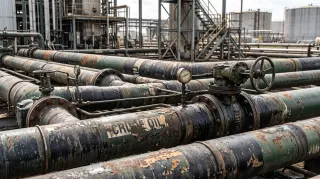
July 16, 2026 – Oil prices remained elevated as investors continued to evaluate the impact of ongoing U.S.-Iran tensions on global crude supplies, with concerns over shipping through the Strait of Hormuz supporting prices despite mixed demand signals. Brent crude traded around $79.49 per barrel, while West Texas Intermediate (WTI) hovered near $79.60. The OPEC Reference Basket also remained elevated, reflecting continued strength across global oil benchmarks as geopolitical uncertainty persisted. ​Supply Concerns Continue to Support Prices Market sentiment remained focused on the risk of supply disruptions after renewed military activity in the Gulf raised concerns over one of the world’s busiest oil shipping routes. Although crude exports have not experienced widespread interruptions, traders continue to price in the possibility that any escalation around the Strait of Hormuz could tighten global supplies and increase transportation costs for energy shipments. Inventory Data Limits Further Gains While geopolitical risks have provided upward momentum, fresh U.S. inventory data helped temper stronger price gains. Government data showed a smaller-than-expected decline in U.S. crude stockpiles alongside a build in distillate inventories, suggesting that supply conditions remain relatively balanced despite heightened geopolitical uncertainty. As a result, oil prices advanced modestly rather than extending the sharp rallies seen earlier in the week. Markets Monitor Geopolitics and OPEC+ Attention is now shifting toward whether diplomatic efforts can ease tensions or whether further disruptions will emerge across the Middle East. Investors are also monitoring OPEC+ production policy, global inventory trends, and shipping activity through key maritime routes, all of which are expected to remain major drivers of oil prices in the near term.

16 July
Wall Street Advances as Strong Earnings Offset Geopolitical Concerns

Wall Street Advances as Strong Earnings Offset Geopolitical Concerns

July 16, 2026 – U.S. stocks closed higher as upbeat corporate earnings and signs of easing inflation boosted investor confidence, helping markets overcome ongoing uncertainty surrounding tensions in the Middle East. The S&P 500 earned 0.4% to close at 7,572.40, while the Dow Jones Industrial Average rose 0.3% to 52,658.64. The Nasdaq Composite outperformed with a 0.6% advance, ending the session at 26,269.23 as technology stocks led the broader market higher. Earnings Strength Supports Risk AppetiteInvestor sentiment improved after several major financial institutions reported stronger than-expected quarterly results, reinforcing optimism about corporate profitability despite a challenging macroeconomic environment. Large-cap technology companies also posted solid gains, with renewed buying in artificial intelligence and digital infrastructure leaders helping offset weakness across parts of the semiconductor sector. Financial stocks added further support following robust earnings reports from asset managers and investment banks. Cooling Inflation Lifts Market Sentiment Markets also reacted positively to softer wholesale inflation data, which eased concerns that persistent price pressures could force the Federal Reserve to maintain restrictive monetary policy for longer. The moderation in producer prices contributed to a decline in Treasury yields, improving the outlook for growth-oriented sectors that are particularly sensitive to interest-rate expectations. While investors continue to monitor inflation closely, the latest data strengthened expectations that monetary policy may become less restrictive if inflation continues to cool. Focus Shifts to Earnings and Economic Data Attention is now turning to the next wave of corporate earnings and upcoming U.S. economic releases, which are expected to provide further insight into the strength of consumer demand and business activity. Although geopolitical developments in the Middle East continue to present risks for global markets, analysts believe corporate earnings, inflation trends, and Federal Reserve expectations are likely to remain the primary drivers of investor sentiment in the near term.

16 July
Starship Test Puts SpaceX’s Long-Term Growth Story in Focus

Starship Test Puts SpaceX’s Long-Term Growth Story in Focus

July 16, 2026 – Investors are turning their attention to SpaceX’s upcoming Starship launch as the mission is increasingly viewed as a key milestone for the company’s long-term growth strategy rather than just another rocket test. While analysts remain divided on the stock’s near-term valuation following its volatile post IPO performance, many believe Starship’s progress could become one of the company’s most significant long-term value drivers. Starship Represents More Than a Rocket Unlike the Falcon launch system, Starship is designed to be a fully reusable heavy-lift vehicle capable of carrying significantly larger payloads while reducing launch costs over time. The upcoming flight is expected to evaluate several critical capabilities, including satellite deployment and in-space engine relight, both of which are considered essential for expanding commercial launch services and future deep-space missions. Analysts See Technology as the Long-Term Catalyst Recent analyst commentary suggests that investor focus is shifting beyond short-term share price fluctuations toward the commercial potential of Starship. The vehicle is expected to support future Star link expansion, larger commercial payloads, lunar missions, and next-generation space infrastructure, all of which could strengthen SpaceX’s long-term revenue opportunities if development milestones continue to be achieved. Investors Balance Opportunity With Execution Risk Despite the optimistic outlook surrounding Starship, SpaceX shares have experienced increased volatility since the company’s public debut as investors reassess valuation levels and await additional operational milestones. Market participants are also watching the company’s upcoming earnings report and future launch schedule, viewing both as important indicators of whether SpaceX can translate its ambitious technology roadmap into sustainable financial growth.

16 July
South Korea’s Rate Hike Signals Inflation Fight Is Far From Over

South Korea’s Rate Hike Signals Inflation Fight Is Far From Over

July 16, 2026 – South Korea’s central bank raised its benchmark interest rate for the first time in more than three years, signaling that inflation concerns continue to outweigh the need for lower borrowing costs despite an improving economic outlook. The Bank of Korea increased its policy rate by 25 basis points to 2.75%, as policymakers responded to persistent inflation, a weaker Korean won, and rising household debt while the country’s export-driven economy continued to strengthen. Strong Growth Gives Policymakers Room to Tighten The rate increase comes as South Korea benefits from robust semiconductor exports fueled by global demand for artificial intelligence technologies, helping economic growth exceed earlier expectations. At the same time, higher energy priceslinked to Middle East tensions have pushed inflation above the central bank’s 2% target, prompting policymakers to prioritize price stability even as global uncertainty persists. Global Markets Watch the Policy Shift South Korea’s decision is being closely monitored by investors because it may signal that some central banks are prepared to maintain tighter monetary policy for longer if inflation remains elevated. Higher interest rates typically support a country’s currency and help contain inflation, but they can also increase borrowing costs for households and businesses while weighing on equity markets in the short term. A Reminder That Inflation Risks Persist The Bank of Korea’s move reflects the continuing challenge facing policymakers worldwide as geopolitical tensions, energy costs, and resilient economic activity complicate the path toward lower inflation. With markets expecting additional policy decisions in the coming months, investors will closely watch inflation trends and global commodity prices for further clues about the direction of interest rates across major economies.

16 July
Al Rajhi Company for Cooperative Insurance Shares Hold Firm as Investors Look Ahead to Earnings

Al Rajhi Company for Cooperative Insurance Shares Hold Firm as Investors Look Ahead to Earnings

July 15, 2026 – Shares of Al Rajhi Company for Cooperative Insurance were trading at around SAR $50.80 on July 15, as investors remained focused on the company's financial outlook and the continued growth of Saudi Arabia's insurance market.The stock has shown resilience in recent months, supported by rising demand for insurance services across the Kingdom. With Saudi Arabia continuing to diversify its economy under Vision 2030, many investors see the insurance sector as one of the industries positioned for steady long-term growth.Growing Demand Continues to Support the SectorSaudi Arabia's insurance industry has expanded steadily over the past few years, creating new opportunities for companies with established market positions.Demand has increased across several segments, including health, motor, and commercial insurance, as businesses grow and more individuals seek financial protection. Government reforms and wider insurance coverage have also encouraged the industry's development.For Al Rajhi Company for Cooperative Insurance, these market trends provide a solid foundation for future growth, although competition within the sector remains strong.Investors Turn Their Attention to Financial ResultsWith the next earnings report approaching, investors are looking for signs that the company can maintain healthy revenue growth while keeping costs under control.Premium growth remains an important measure of performance, but market participants are also paying close attention to claims expenses, underwriting results, and investment income. Together, these factors offer a clearer picture of the company's financial strength.Many analysts believe that insurers capable of balancing growth with disciplined risk management are likely to perform well, even in a competitive market.Economic Reforms Continue to Create New OpportunitiesSaudi Arabia's broader economic transformation is providing additional support for the insurance industry.Large infrastructure projects, increased business activity, and ongoing investment across different sectors are driving demand for insurance products. As the economy continues to expand, insurers are expected to benefit from a growing customer base and a wider range of business opportunities.At the same time, investors will continue to monitor regulatory changes that could influence competition and profitability across the industry.What Investors Are Watching Next?Looking ahead, the market's attention will remain on Al Rajhi Company for Cooperative Insurance's upcoming earnings report and management's outlook for the months ahead.Strong financial results, continued premium growth, and effective cost management could strengthen investor confidence and support the share price. On the other hand, higher claims costs or slower business growth could weigh on sentiment.As Saudi Arabia's insurance industry continues to evolve alongside the country's economic reforms, Al Rajhi Company for Cooperative Insurance is expected to remain an important company for investors following the Kingdom's financial markets.

15 July
Fidelity 500 Index Fund Holds Steady as Investors Stay Focused on Long-Term Growth

Fidelity 500 Index Fund Holds Steady as Investors Stay Focused on Long-Term Growth

July 15, 2026 – The Fidelity 500 Index Fund (FXAIX) continued to trade near record levels on July 15, with its net asset value (NAV) standing at around $261.18. The fund has remained a popular choice among long-term investors, supported by the strong performance of large-cap U.S. companies and continued optimism surrounding the broader stock market.As one of the largest index funds tracking the S&P 500 Index, the Fidelity 500 Index Fund has benefited from gains in leading technology, healthcare, financial, and consumer companies. Investors continue to view the fund as a low-cost way to gain diversified exposure to the U.S. equity market.Large-Cap Stocks Continue to Drive PerformanceThe Fidelity 500 Index Fund mirrors the performance of the S&P 500, giving investors access to 500 of the largest publicly traded companies in the United States.Strong earnings from major technology firms and continued resilience in sectors such as healthcare and financial services have helped support the fund's performance throughout the year.Because the fund is passively managed, it closely follows the index rather than attempting to outperform it, making it a preferred option for investors seeking consistent long-term returns with relatively low fees.Market Optimism Supports Investor ConfidenceInvestor sentiment has remained positive despite ongoing uncertainty surrounding interest rates and the global economy.Many market participants believe that continued corporate earnings growth, combined with steady consumer spending, could provide additional support for U.S. equities during the second half of the year.The Fidelity 500 Index Fund has continued to attract investors looking for broad market exposure without the higher costs often associated with actively managed mutual funds.Economic Data Remains in FocusAlthough recent market performance has been encouraging, investors continue to monitor economic indicators closely.Inflation reports, Federal Reserve policy decisions, and labor market data are expected to play an important role in shaping market sentiment over the coming months. Any significant change in interest rate expectations could influence the performance of large-cap stocks that make up the fund.At the same time, analysts note that the fund's diversified holdings help reduce company-specific risk, making it a popular choice during periods of market uncertainty.What Investors Are Watching Next?Looking ahead, investors will closely follow upcoming corporate earnings, economic data releases, and Federal Reserve commentary for clues about the market's next direction.Stronger-than-expected earnings from leading U.S. companies could provide further support for the Fidelity 500 Index Fund. However, signs of slowing economic growth or renewed inflation concerns could lead to increased market volatility in the near term.Despite short-term fluctuations, many financial professionals continue to view broad-market index funds like the Fidelity 500 Index Fund as a core investment for building long-term wealth through diversified exposure to the U.S. stock market.

15 July
Platinum Prices Hold Above $1,634 as Industrial Demand Supports the Market

Platinum Prices Hold Above $1,634 as Industrial Demand Supports the Market

July 15, 2026 – Platinum prices remained firm on July 15, with spot platinum trading at around $1,634 per ounce. The Platinum continued to find support from steady industrial demand and ongoing concerns about global supply, while investors also monitored broader movements across commodity and precious metals markets.Although platinum has experienced periods of volatility in recent weeks, prices have stayed well above their levels witnessed earlier this year. Strong demand from the automotive industry and expectations of tighter market conditions have helped keep sentiment positive.Industrial Demand Continues to Support PricesPlatinum remains an essential metal for several industries, particularly automotive manufacturing as Automakers continue to use platinum in catalytic converters to help reduce vehicle emissions, while growing demand from the chemical, glass, and hydrogen sectors has added further support to the market.Analysts say industrial consumption has remained resilient despite slowing economic growth in some regions, helping platinum outperform several other precious metals this year.Supply Concerns Keep the Market TightThe platinum market continues to face supply challenges that could influence prices in the months ahead.South Africa, the world's largest platinum producer, has experienced operational constraints at some sites, while production costs remain elevated across the mining industry. These factors have raised concerns that global supply may struggle to keep pace with demand.At the same time, recycling volumes have recovered only gradually, limiting an important secondary source of platinum supply.Investors Watch Economic Data and Market SentimentWhile industrial demand remains the primary driver, platinum prices are also influenced by broader financial markets.Investors continue to monitor inflation data, interest rate expectations, and the strength of the U.S. dollar, as these factors often affect demand for precious metals. A weaker dollar can make platinum more attractive to international buyers, while changing expectations for monetary policy may influence investment flows into commodities.Market participants are also keeping an eye on developments in the global manufacturing sector, which plays a significant role in platinum consumption.What Traders Are Watching NextLooking ahead, investors will focus on upcoming economic data, mining production updates, and industrial demand trends to gauge the market's next direction.Stronger manufacturing activity, continued growth in automotive demand, or additional supply disruptions could provide further support for platinum prices. On the other hand, weaker industrial activity or an improvement in mine production could limit further gains in the near term.As global industries continue to rely on platinum for both traditional manufacturing and emerging clean-energy technologies, the metal is expected to remain an important part of the commodities market throughout the second half of 2026.

15 July
Apple Stock Holds Above $314 as Investors Focus on AI Strategy and Earnings Outlook

Apple Stock Holds Above $314 as Investors Focus on AI Strategy and Earnings Outlook

July 15, 2026 – Apple Inc shares were trading at around $314.24 on July 15, remaining close to record highs despite a slight pullback during the latest trading session. Investors continue to show confidence in the technology as they look ahead to its upcoming earnings report and the company's long-term artificial intelligence strategy.Although some analysts have become more cautious about Apple's valuation, the stock has remained one of the best-performing large-cap technology shares this year, supported by strong customer loyalty and optimism surrounding future product launches. Investor Confidence Remains StrongApple continues to attract investors thanks to its powerful ecosystem and consistent financial performance.The company benefits from a loyal customer base, steady services revenue, and a product lineup that continues to generate strong demand worldwide. These strengths have helped Apple maintain its position as one of the world's most valuable publicly traded companies.Many analysts believe Apple's ability to combine hardware, software, and services gives it a competitive advantage that few technology companies can match. AI Strategy Draws Growing AttentionArtificial intelligence has become one of the biggest themes driving technology stocks in 2026, and Apple is no exception, Unlike some competitors that have invested heavily in building large AI infrastructure, Apple has focused on integrating AI features across its existing ecosystem of devices. Investors believe this approach could strengthen the user experience while creating new opportunities for long-term revenue growth.The company's next earnings report is expected to provide more insight into how its AI initiatives are progressing and how they may contribute to future financial results. Valuation Remains a Key QuestionDespite Apple's recent share price gains, some market analysts believe expectations have become increasingly ambitious.A few firms have raised concerns about slower iPhone upgrade cycles, changing consumer spending patterns, and the possibility that future growth could moderate after the stock's strong rally. Others remain optimistic, pointing to Apple's pricing power, expanding ecosystem, and ability to generate consistent cash flow.This difference in opinion reflects the balance investors are trying to strike between Apple's premium valuation and its long-term growth potential. Investors Await the Next CatalystLooking ahead, investors will closely watch Apple's upcoming quarterly earnings, product announcements, and updates on its AI strategy.Strong financial results or positive guidance could provide fresh momentum for the stock. At the same time, investors will pay close attention to iPhone demand, services growth, and management's outlook for the remainder of the year.As Apple continues to expand its AI capabilities while strengthening its ecosystem, the company is expected to remain one of the most closely watched stocks in the global market.

15 July
Natural Gas Prices Hold Near $2.91 as Strong Supply Limits Market Gains

Natural Gas Prices Hold Near $2.91 as Strong Supply Limits Market Gains

July 15, 2026 – U.S. natural gas prices remained stable on July 15, with Henry Hub natural gas futures trading around $2.91 per million British thermal units. The market continues to face pressure from abundant domestic supplies, while traders keep a close eye on weather forecasts, storage levels, and global energy developments. Unlike crude oil, which has rallied on geopolitical tensions in the Middle East, natural gas prices have struggled to gain momentum. Healthy production and comfortable inventory levels have helped offset concerns about potential supply disruptions.Strong Supply Continues to Weigh on PricesThe U.S. natural gas market remains well supplied, keeping upward price pressure in check as Production has stayed strong throughout the summer, while underground storage facilities hold enough gas to meet current demand. As a result, fears of a near-term supply shortage have eased, even as warmer weather increases electricity use across many parts of the country.In addition, maintenance at several liquefied natural gas (LNG) export facilities has temporarily slowed overseas shipments, reducing demand for U.S. natural gas and limiting price gains.Weather Could Shape the Market in the Coming WeeksWeather remains one of the biggest core factors influencing natural gas prices as Hot temperatures usually boost electricity demand as homes and businesses rely more heavily on air conditioning, increasing natural gas consumption for power generation. However, forecasts suggest that temperatures may become less extreme in some regions later this month.If cooler weather develops as expected, demand could soften and keep prices from moving significantly higher.Global Energy Risks Remain in FocusInvestors are also watching geopolitical developments closely as Growing tensions between the United States and Iran have pushed oil prices higher and renewed concerns about global energy supplies. So far, however, the impact on the U.S. natural gas market has been limited because domestic production remains strong and inventories are sufficient.Still, traders recognize that any major disruption to global energy trade could eventually affect natural gas demand, particularly through changes in LNG exports and broader market sentiment.Market Awaits Fresh Supply DataLooking ahead, investors will closely monitor upcoming U.S. storage reports, weather forecasts, and LNG export activity for signs of where prices could head next.A rise in electricity demand, stronger LNG exports, or unexpected supply disruptions could provide support for natural gas prices. On the other hand, if production remains high and storage levels continue to build, the market may stay under pressure in the near term.

15 July

Track Global Markets in Real Time with UA Finance

Download the app now and access live financial data, expert analysis, and trusted economic news to follow stocks, forex, gold, and cryptocurrencies with ease.