
Oil Prices Aim for More Increases Due to Middle East Conflict


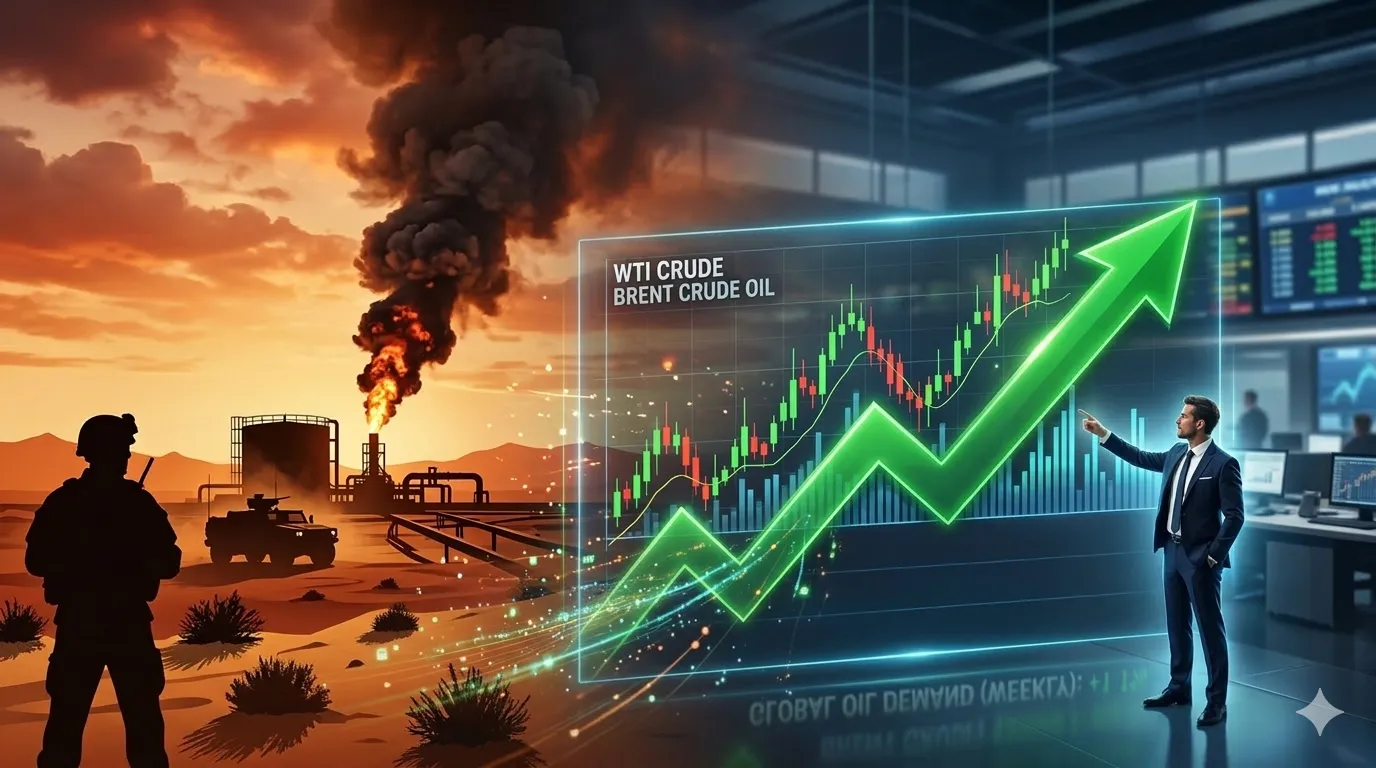
Oil prices are positioned to rise even higher on Sunday, March 15th, 2026, due to the ongoing conflicts in the Middle East, which are threatening key oil export facilities and shipping routes.
Oil Rallies as Export Risks Deepen
Oil prices were poised to continue increasing with the disruption of oil supplies resulting from the intensifying conflict in the Middle East, which has placed key oil export facilities at risk of further attacks. The warning of strikes on oil facilities, cuts in production, and a reduction of supplies has raised concerns over the tightening of the global oil market and the expected increase in oil prices for consumers. The key oil export facility at risk is the Strait of Hormuz, which is responsible for 20% of the global oil and LNG supplies.
Why This Matters?
Oil price increases caused by Middle East oil supply threats can lead to inflation, trade disruption, higher energy costs, economic pressure, geopolitical risk premiums, and pressure on consumer spending globally. Here are important factors:
· Supply Disruptions Boost Prices: Any disruption to oil export facilities or blockages of critical shipping lanes, such as the Strait of Hormuz, result in a reduction of crude oil supply, thereby pushing up prices.
· Inflation Pressure Grows: The oil prices have a direct impact on transportation costs, manufacturing costs, and utility costs. These costs, in turn, have a ripple effect throughout the entire economy, ultimately impacting prices and adding to inflationary pressures.
· Shipping Route Choke Points: Key oil transport points such as Hormuz are important to the energy landscape and oil availability. Any closure of such a transport route due to conflict can impact oil availability.
· Consumer Costs Rise: As a result, the price of gasoline, diesel, and fuel oil will increase, leading to a rise in costs for both households and businesses, limiting their expenditure.
· Energy Security Risks: Countries that rely on imported supplies are strategically vulnerable to interruptions caused by regional conflicts. It may prompt governments to draw on their reserves or shift their foreign policy priorities.
· Economic Growth Impacted: Higher oil prices lead to higher production costs, slower industrial production, reduced profits, and diminished consumer confidence, all of which contribute to the drag on economic growth.
Global Energy Markets Brace for Continued Volatility
The intensification of conflict and threats to Middle Eastern oil export infrastructure continues to cast a shadow over energy markets, keeping prices supported. With strategic reserves and supply risks still unfolding, markets are bracing for further volatility, which is likely to impact everything from inflation to growth.