

AI Stocks Plunge as Developers Call for a Safety Pause


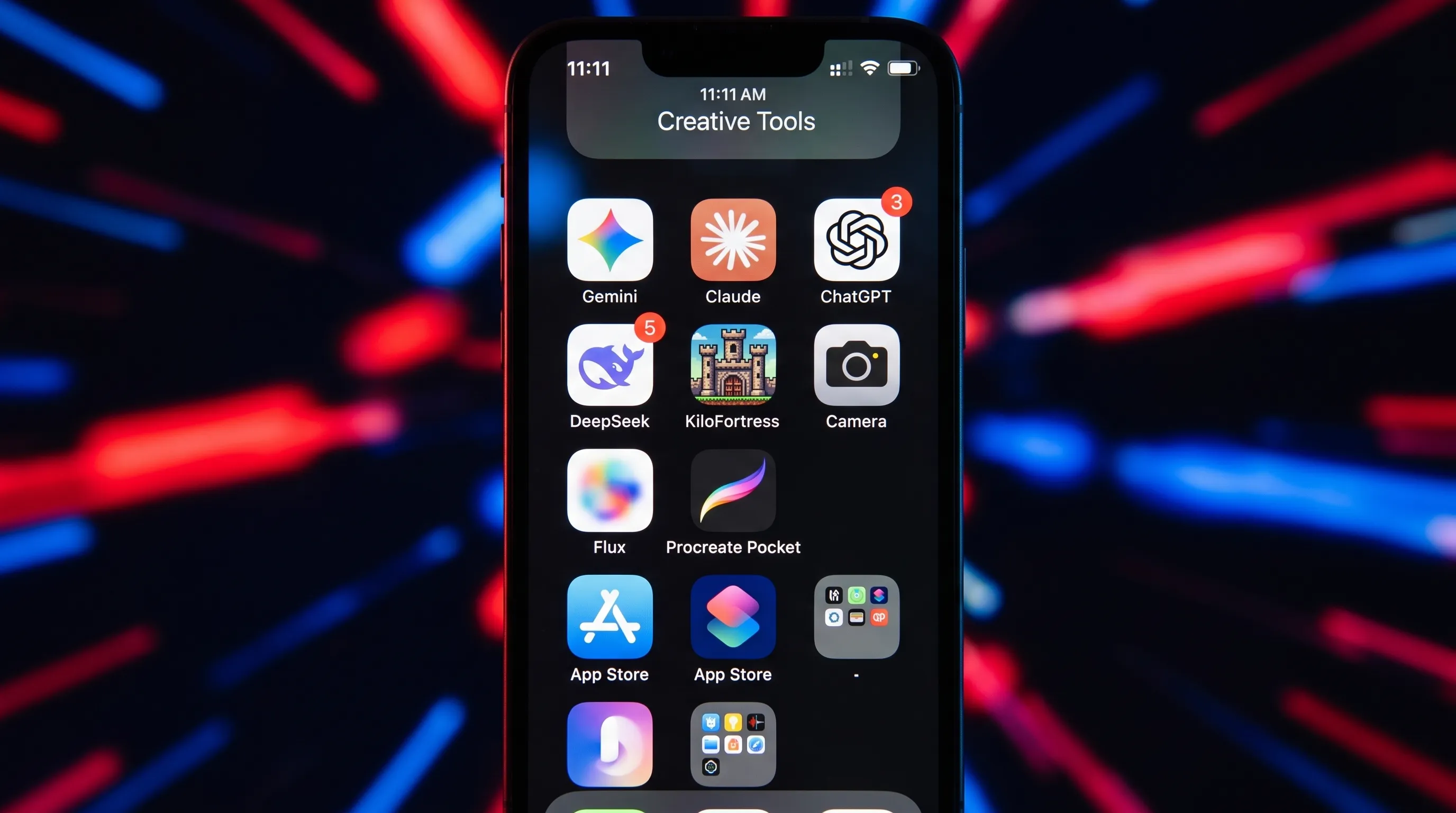
September 14, 2026 – Early Monday trading saw severe institutional liquidations across Asia Pacific technology indices.
The aggressive sell-off was triggered by synchronized statements from tier-one artificial intelligence executives demanding a deliberate deceleration of advanced model development.
Anthropic and Open AI leadership independently committed to providing independent evaluators permanent access to internal training environments to assess alignment risks.
For macroeconomic allocators, this abrupt shift from aggressive capability scaling toward stringent regulatory compliance radically alters forward revenue assumptions for the broader semiconductor complex.
Capital Expenditure and Valuation Compression
The primary fundamental casualty of this proposed industry pause is the massive capital expenditure pipeline supporting global data center infrastructure.
As foundational model builders halt training runs to evaluate recursive self-improvement risks, hardware procurement cycles face immediate structural delays.
This realization severely compressed enterprise valuation multiples across the semiconductor supply chain during the Asian trading session.
Soft-bank Group, a prominent backer of artificial intelligence infrastructure, recorded a massive 13.2 percent intraday contraction in Tokyo.
Concurrently, major memory chip fabricators including SK Hynix and Samsung Electronics experienced liquidations exceeding five percent and three percent, respectively.
IPO Delays and Cost of Capital Friction
Amplifying the macroeconomic friction, Open AI officially abandoned its highly anticipated 2026 initial public offering.
Executive leadership confirmed that lingering safety vulnerabilities and potential regulatory interventions make a near-term public market debut structurally unviable.
Fixed income desks note that delaying this critical liquidity event forces developers to rely exclusively on private debt and sovereign capital.
In an elevated interest rate environment, maintaining these capital intensive development pipelines without public equity access mechanically increases the weighted average cost of capital.
Trading models project sustained volatility across global technology indices until developers provide explicit timelines regarding the resumption of frontier model training.
Read more
 Nvidia’s Upbeat Revenue Guidance Triggers Asian Tech Rally as AI Buildout Accelerates
August 27, 2026 – Asian equity markets surged Thursday morning following a massive fiscal second-quarter earnings report from U.S. semiconductor giant Nvidia.The blockbuster results effectively wiped away lingering fears of an artificial in…
Donia Saad•27 August Microsoft Shares Fall 3% to $480 as Wall Street Weighs Soaring AI Infrastructure Capex
August 18, 2026 – Microsoft Corporation (MSFT) equity shares declined 3.04% to close near $480.35 during recent trading, interrupting a mid-month recovery toward the $500 milestone.The fresh pullback reflects renewed market anxiety over the…
Donia Saad•18 August Meta Shares Drop Near $568 as Massive AI Spending and State Lawsuits Pressure Valuation
August 18, 2026 – Meta Platforms, Inc. (META) equity shares declined 3.54% during recent trading to close near $568.97, breaking down below its key $600 technical support level.The fresh pullback marks a resumption of sell-side pressure fol…
Donia Saad•18 August Global Investors Reassess AI Spending as Big Tech Earnings Raise Questions Over Returns
July 26, 2026 – Investor sentiment towards artificial intelligence is entering a new phase as markets increasingly demand measurable financial returns rather than continued expansion in AI spending. Recent earnings from major technology com…
Donia Saad•26 July OpenAI Moves Toward US IPO as AI Race Intensifies
OpenAI confirmed it has confidentially filed for an initial public offering in the United States on Monday, June 9, 2026, joining a growing group of artificial intelligence companies preparing to enter public markets amid sustained investo…
UA Finance•09 June