
Global Equities Contract as Sustained Oil Surge Reignites Inflation and Federal Reserve Risks


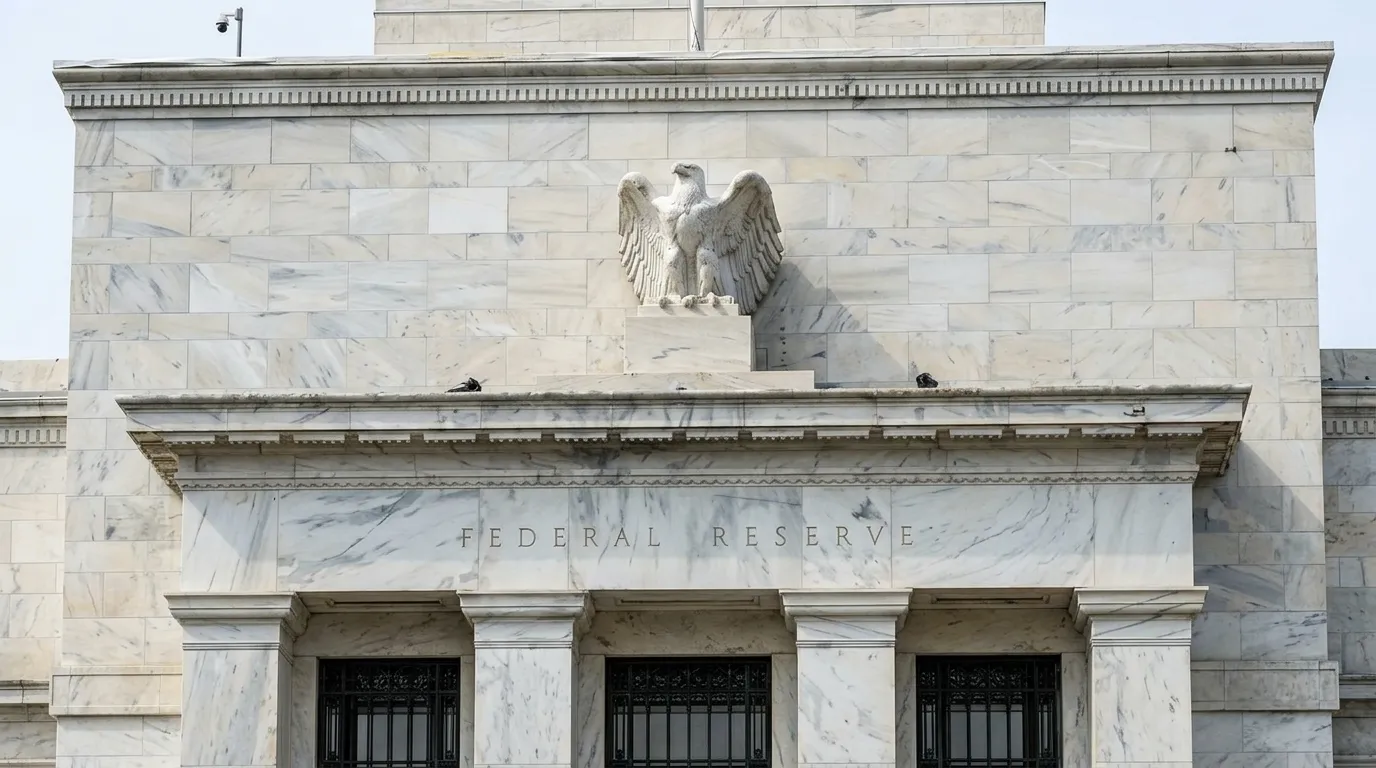
September 13, 2026 – Global equity indices experienced a sharp contraction this week as a sustained surge in crude oil prices reignites structural inflation fears across developed markets.
With Brent crude maintaining levels firmly above the 100 USD threshold following recent supply shocks, institutional asset managers are aggressively recalibrating their forward inflation expectations.
For macroeconomic allocators, the fundamental thesis is shifting toward a prolonged period of elevated energy input costs, which mechanically threatens corporate operating margins and global consumer demand.
As geopolitical friction continues to squeeze physical inventory buffers, trading desks are actively pricing in a persistent energy premium that complicates central bank monetary policy.
Federal Reserve Risk and Multiple Compression
The primary mechanism transmitting this energy shock into equity valuations is the rapidly shifting consensus surrounding the Federal Reserve.
Because sustained triple-digit oil prices directly feed into headline consumer price indices, fixed-income desks are projecting that the central bank will be forced to maintain restrictive policy rates for a longer duration.
This realization triggered a sharp sell-off across developed market equities, as higher discount rates mechanically compress the forward price-to-earnings multiples of growth-oriented technology sectors.
For corporate balance sheets, the combination of elevated borrowing costs and rising logistical expenses creates a challenging margin environment that is accelerating institutional capital outflows from broad market index funds.
Emerging Market Resilience and Capital Rotation
Despite the severe equity retracement across Western indices, emerging market assets are demonstrating unexpected structural resilience against the broader macroeconomic tightening.
Institutional capital is actively rotating into resource-heavy developing economies that directly benefit from elevated hydrocarbon and agricultural commodity pricing.
By capturing the windfall of this geopolitical energy premium, these emerging market sovereign balance sheets are effectively insulating themselves from the rising cost of dollar-denominated debt.
Trading models indicate that as long as crude oil maintains its current baseline, emerging market equities will continue to absorb defensive capital from allocators seeking to hedge against transatlantic inflation risks.
Read more
-1785017269598_320.webp) U.S. Stocks Struggle to Regain Momentum as Earnings and Oil Prices Pressure Markets
U.S. Stocks Struggle to Regain Momentum as Earnings and Oil Prices Pressure MarketsJuly 26, 2026 – U.S. equities ended a volatile week with mixed performance as investors balanced strong corporate earnings against renewed geopolitical tensions and higher energy prices. While the Dow Jones Industrial Average posted modest…
Donia Saad•26 July Wall Street Faces Sector Rotation as Geopolitical Risks Pressure Markets
July 19, 2026 – U.S. stock markets ended the week under pressure as investors reassessed technology valuations while renewed geopolitical tensions and rising oil prices added to concerns over inflation and corporate earnings. The S&P 500 c…
Donia Saad•19 July Wall Street Retreats as Middle East Tensions Weigh on Investor Sentiment
July 14, 2026 – Wall Street Retreats as Middle East Tensions Weigh on Investor Sentiment, U.S. stocks moved lower as escalating tensions between the United States and Iran fueled concerns over higher energy prices, persistent inflation, and…
Donia Saad•14 July Fed Warns Oil Shock Threatens Financial Stability
 On May 8, 2026, the Federal Reserve warned that rising geopolitical risks and the oil shock linked to Middle East tensions are rapidly becoming major threats to financial stability and inflation control. Oil Shock Climbs to Top of Fed’s R…
UA Finance•09 May Asian Shares Slide as Brent Hits 4-Year High
 On April 30, 2026, Asian shares declined as Brent crude surged to a four-year high, intensifying stagflation fears and shaking investor confidence. Elevated oil prices and firm central bank signals pressured equities and bonds globally. O…
UA Finance•30 April Markets Adjust Rates as Oil Price Surge Changes Outlook
 Global markets revised their outlook on March 20, 2026, as oil prices jumped and central banks signaled tighter monetary policy. The rising energy costs and geopolitical tensions are fueling inflation fears and affecting interest rates wo…
UA Finance•24 March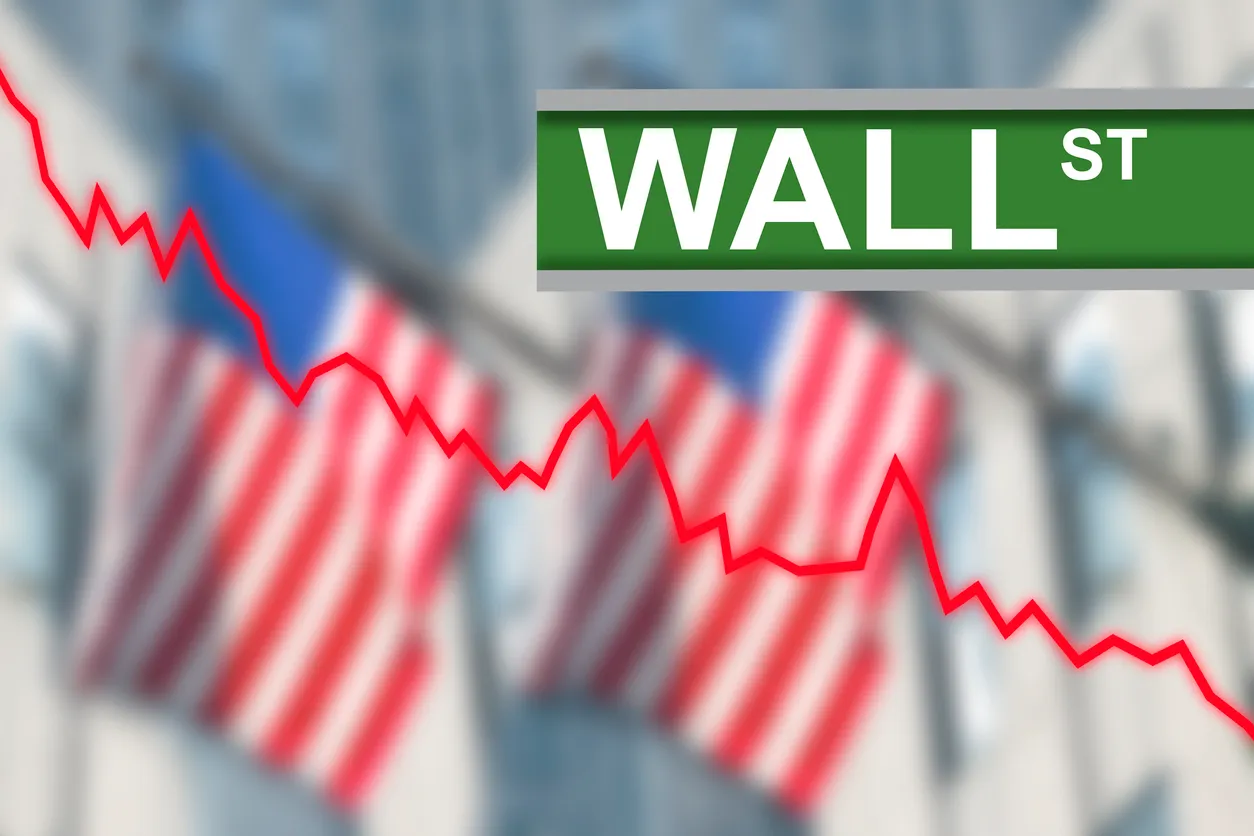 Wall Street futures fall as oil pushes inflation risk
 On Tuesday, March 17, 2026. U.S. stock futures weakened as higher oil prices fueled renewed inflation concerns ahead of the Federal Reserve’s upcoming policy meeting, pressuring market sentiment and risk assets. Wall Street Futures Retrea…
UA Finance•24 March Global Markets Pause as Rising Oil Prices Shift Risk Sentiment
Wednesday, March 5, 2026 – 08:30 AM – Source: Investing.com Are Global Markets Losing Momentum as Oil Prices Rise? Global financial markets are showing signs of hesitation as rising oil prices begin to influence investor behavior. According…
UA Finance•22 March Fed Shock: Rate Hike Back on the Table
“Fed Signals Possible Shift Toward Rate Hike Again” captures the sudden shift in expectations on Saturday, March 21, 2026. The Federal Reserve is sending a message of uncertainty. The main drivers of a rate hike are inflation, geopolitical…
UA Finance•22 March U.S. Futures Turn Higher as Oil Prices Stay High Amid Iran Conflict
On Friday, March 13, 2026, the rise in oil prices tied to the conflict with Iran continues to influence global markets. Investors are balancing the geopolitical situation, inflationary pressures, and the impact on the energy supply. U.S. Fu…
UA Finance•13 March