
Fed Shock: Rate Hike Back on the Table


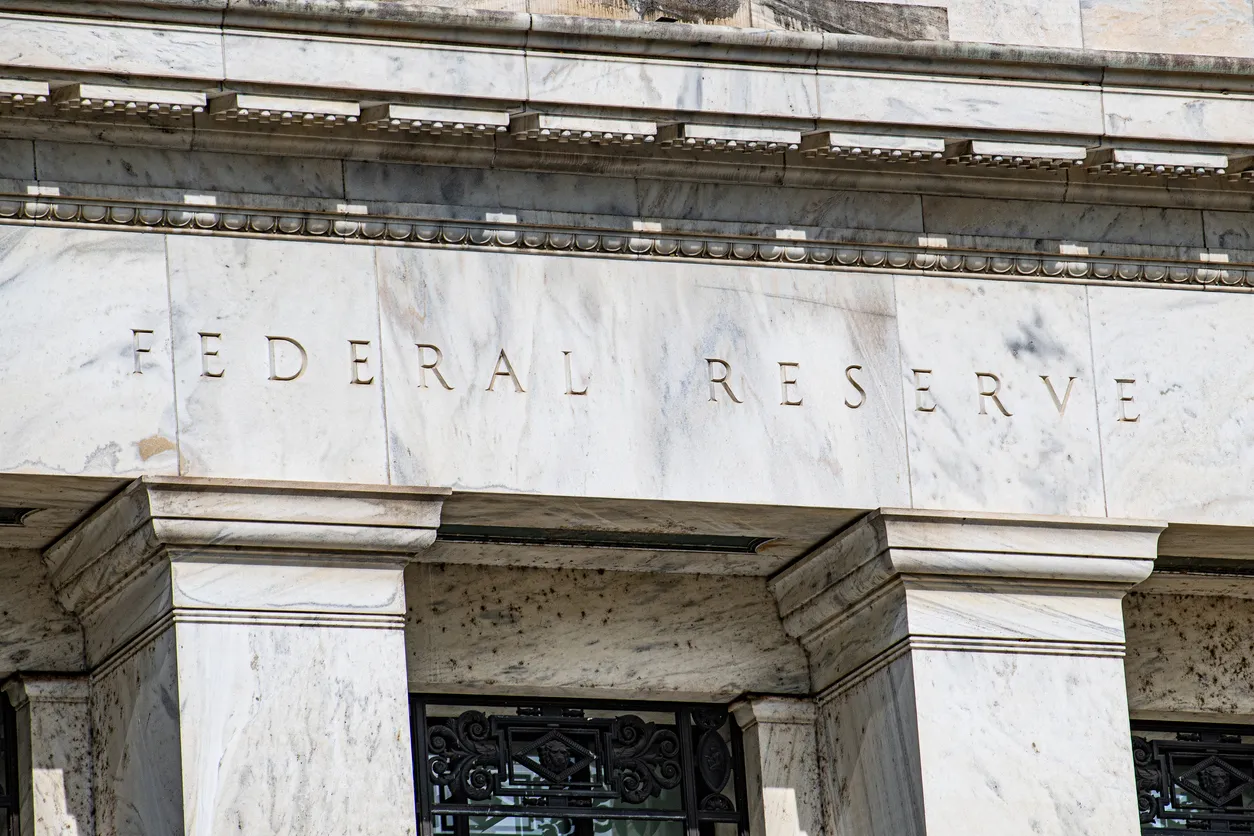
“Fed Signals Possible Shift Toward Rate Hike Again” captures the sudden shift in expectations on Saturday, March 21, 2026. The Federal Reserve is sending a message of uncertainty. The main drivers of a rate hike are inflation, geopolitical events, and a strong economy.
Inflation Pressures Reignite Hawkish Fed Outlook
The Fed may be abandoning its easing path amid stubborn inflation and economic resilience. Oil price increases, geopolitical risks, and stronger-than-expected economic growth are forcing a rethink of Fed policy, and hikes that were until recently ruled out are back in the mix, although official Fed projections still point to a series of cuts.
Why This Matters?
A shift towards rate hikes will tighten financial conditions worldwide, influencing borrowing costs, investor sentiment, and growth, thereby helping stabilize inflation in an uncertain, energy-driven, and geopolitically volatile economic scenario. Here are the main key points:
· Persistent Inflation Above Target: Core inflation measures are high, which is a problem, considering the Fed’s assumption that inflation will come down on its own. This is a sign of deeper, more fundamental issues in the economy, which will require a longer period of restrictive policy.
· Oil Price Surge Due to Geopolitical Conflict: The Iran conflict is causing a sharp increase in oil prices, which is impacting inflation. Unlike previous times, the economy is not suffering, which is a cause for concern and increases the likelihood of a tightening of central bank policy.
· Fed Internal Division and Policy Uncertainty: Economists at the Fed are divided between fighting inflation and employment risks. Some believe in maintaining the current restrictive stance, while others favor rate cuts amid uncertainty about inflation and the economy.
· Strong Economic Resilience: Even with aggressive tightening cycles, the US economy is still showing signs of strength. The need for rate cuts is diminishing as spending, demand, and employment rise, making a strong case for keeping or raising rates.
· Market Expectations Rapidly Repricing: Financial markets have undergone a significant shift, with traders now pricing in a high probability of rate hikes rather than cuts. Treasury yields are rising, and equities are responding negatively to expectations of rate tightening.
· Real Rates May Be Too Low: Interest rates have declined since 2024, creating a more favorable financial environment. If inflation expectations remain high, the Fed may need to raise real rates to tighten monetary policy effectively.
Chart Concept: “Market Shift: From Rate Cuts to Rate Hikes
Insight:
Markets have shifted from pricing in cuts to pricing in a possibility of 25-36% of hikes in the coming weeks.
Rate Outlook Uncertain as Fed Encounters Critical Turning Point
The Federal Reserve is at a critical crossroads as it seeks to strike a fine balance between inflation and economic stability. As markets continue to change rapidly and global disputes escalate, the outlook for interest rates is still unclear. This uncertainty complicates planning for businesses and consumers, rendering it crucial for officials to communicate their strategy and change their approach as new data emerges.