

Nvidia’s Upbeat Revenue Guidance Triggers Asian Tech Rally as AI Buildout Accelerates


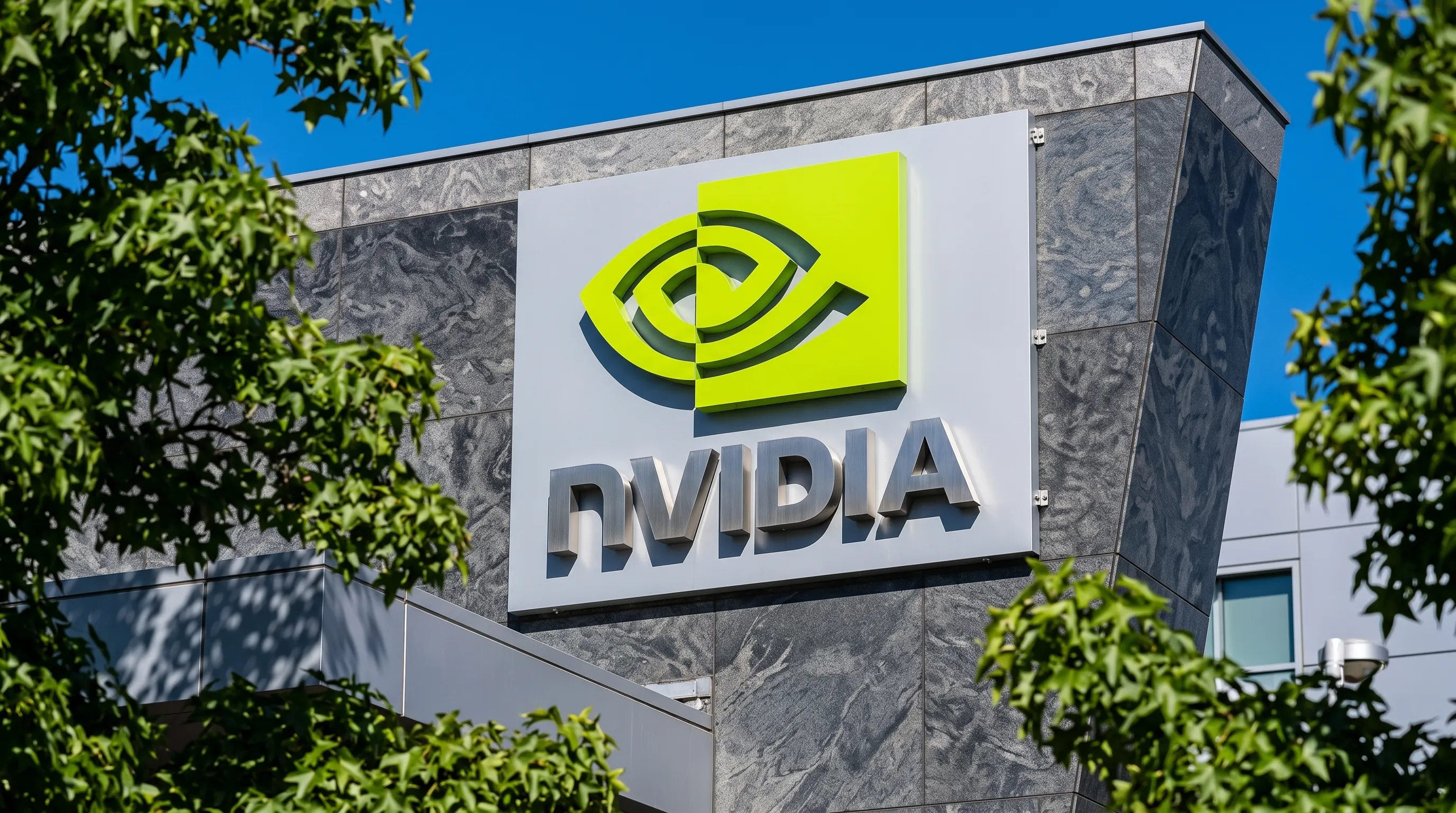
August 27, 2026 – Asian equity markets surged Thursday morning following a massive fiscal second-quarter earnings report from U.S. semiconductor giant Nvidia.
The blockbuster results effectively wiped away lingering fears of an artificial intelligence spending plateau, lifting the broader MSCI Asia-Pacific Index by 0.7% and sparking a selective rally across regional tech suppliers.
Institutional capital is digesting Nvidia’s reported 96.2 billion USD in quarterly revenue—a staggering 106% year-over-year increase—and its aggressive forward guidance.
Rather than a rising tide lifting all boats, the overnight print has triggered a highly sophisticated capital rotation within the Asian supply chain, heavily favouring firms with structural pricing power.
The Memory Boom: SK Hynix and Samsung Lead the Charge
The most explosive reactions in the Asian technology sector were concentrated in South Korea's memory semiconductor market.
Following Nvidia's confirmation that high-bandwidth memory (HBM) remains in an "extreme pricing environment," institutional capital flooded into primary suppliers. SK Hynix, a dominant force in HBM production, surged 3.55%, while Samsung Electronics gained roughly 2.49%.
The rally is underpinned by Nvidia's willingness to absorb rising HBM input costs, effectively validating the tremendous bargaining power held by Asian memory manufacturers. With Nvidia projecting third-quarter revenue to reach approximately 108 billion USD, these memory suppliers are locking in massive revenue tailwinds as they struggle to keep pace with insatiable data center demand.
Margin Pressures Split the Semiconductor Supply Chain
While memory makers rallied, the broader reaction across the Asian semiconductor ecosystem revealed a sharp divergence based on specific supply chain positioning.
Nvidia guided its fourth-quarter gross margins slightly lower to the 71% to 72% range, citing the exact rising memory costs that benefited SK Hynix. This margin compression triggered a defensive rotation away from semiconductor equipment manufacturers.
Japanese testing giant Advantest dropped 2.18%, and Disco Corporation shed early gains, as algorithmic traders interpreted Nvidia's margin pressure as a potential headwind for future equipment capital expenditures.
Meanwhile, Taiwan Semiconductor Manufacturing Co. (TSMC), which fabricates 100% of Nvidia's GPUs, posted a modest 0.83% gain. Analysts noted that TSMC’s AI revenue pipeline is already heavily priced into the market, and the prospect of Nvidia eventually demanding wafer pricing concessions to protect its own margins kept a lid on TSMC's upside.
"Full Steam" AI Infrastructure and Regional Market Outlook
Beyond individual stock movements, Nvidia CEO Jensen Huang’s reassurance that the global AI infrastructure build-out is operating at "full steam" provided a critical psychological anchor for regional equities.
The company projected a staggering 70% revenue growth for fiscal 2028, systematically dismantling the narrative that hyperscaler CapEx is plateauing. This aggressive forward guidance helped the MSCI Asia-Pacific Index extend its recent rebound, proving that AI infrastructure spending remains the undisputed dominant driver of global equities.
As institutional capital processes the bifurcated impact of Nvidia's massive scale, trading desks are actively re-calibrating their Asian tech portfolios, heavily favouring companies that control the raw materials of the AI boom over those relying on secondary equipment expansion.
Mentioned in this article
Read more
 NVIDIA Stock Consolidates Near $216 as Forward Valuation Exposes a Massive AI ‘Discount’ Ahead of Earnings
August 23, 2026 – Shares of NVIDIA Corporation (NVDA) traded in a tight consolidation range near $214.72 heading into the final week of August, pausing briefly ahead of its highly anticipated fiscal second-quarter earnings release.While the…
Donia Saad•23 August SK Hynix Shares Surges Over 12% as Record ₩40 Trillion Buyback Reclaims Market Control
August 20, 2026 – Shares of SK Hynix Inc. rallied over 12% during Seoul trading on Thursday, sparking a broad technical rebound across Asian semiconductor listings.The sudden price surge triggered a temporary buy-side trading halt mechanism…
Donia Saad•20 August Nvidia Extends Gains as AI Spending Continues to Support Long-Term Growth
August 4, 2026 –Nvidia shares continued their upward momentum on Tuesday, trading around $206–207 after rallying in the previous session. The stock recovered from recent weakness as investors renewed confidence in the long-term outlook for…
Donia Saad•04 August Nvidia Stock Outlook Brightens on Expanding AI Demand
 Nvidia stock surged back into focus after a leading Wall Street analyst projected a sharp upside for the AI chip giant on Sunday, May 17, 2026. The fresh forecast arrives as demand for AI infrastructure accelerates and Nvidia strengthens…
UA Finance•17 May Nvidia AI Shift Sparks Asia Tech Supply Rally
 On May 3, 2026, Nvidia accelerates its physical AI push, igniting a powerful rally across Asia’s tech supply chain as investors chase the next wave of innovation. Robots, Chips, and a Surge—Is This AI’s Next Frontier? Nvidia is no longer…
UA Finance•03 May