

Bolivia Secures One Point Nine Billion USD Extended Fund Facility from International Monetary Fund


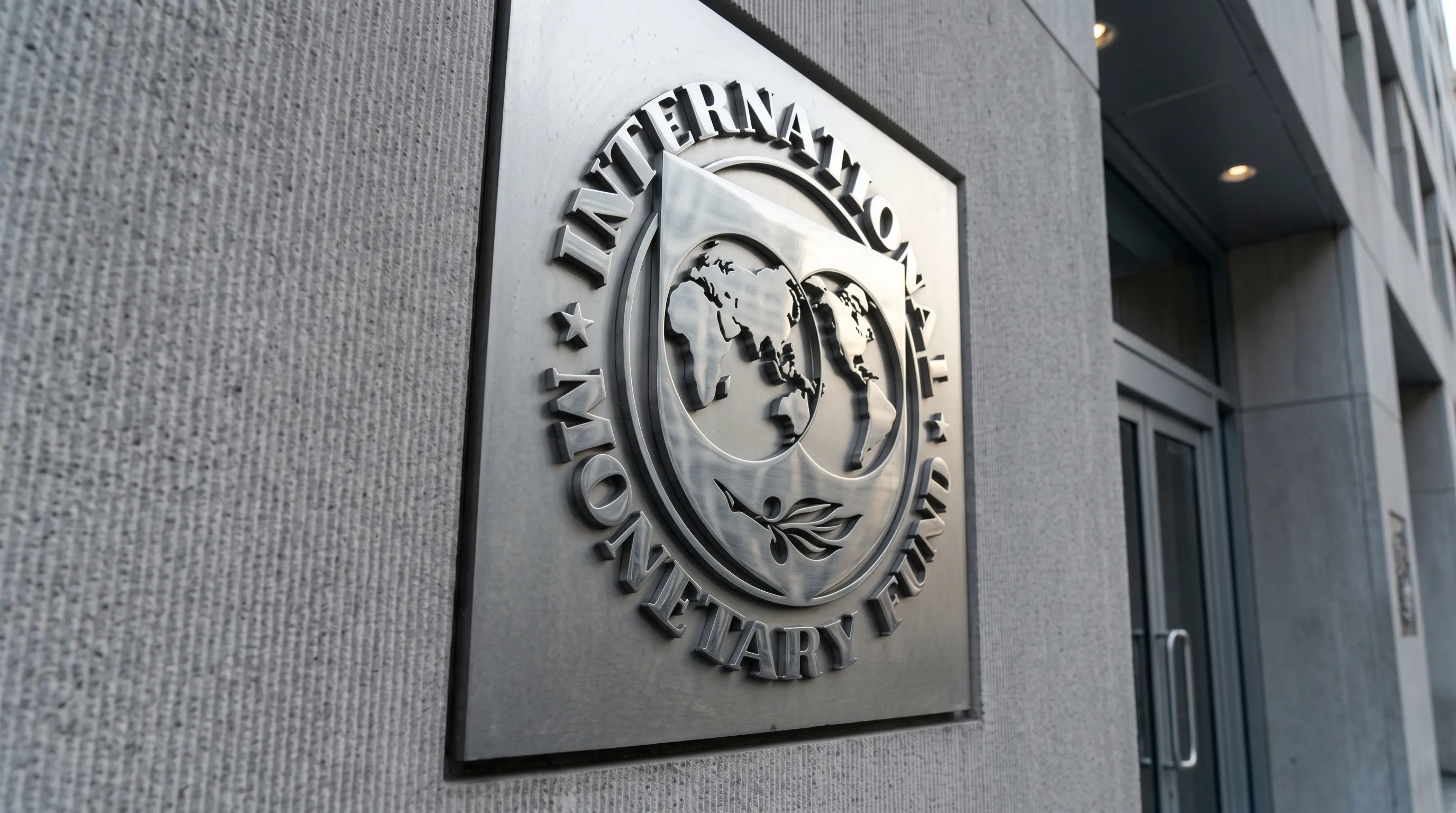
October 4, 2026 – The International Monetary Fund officially approved a massive one point nine billion USD loan agreement for the Plurinational State of Bolivia.
The thirty-six-month Extended Fund Facility arrangement is specifically engineered to anchor macroeconomic stability and restore long-term fiscal sustainability across the South American nation.
For macroeconomic allocators, this multilateral financing package represents a critical inflection point for Bolivian sovereign debt markets following extended periods of severe liquidity friction.
Trading desks recognize that securing the formal International Monetary Fund anchor program effectively unlocks necessary access to broader syndicated external financing channels.
Economic Reforms and Structural Adjustments
The comprehensive funding package serves as a direct multilateral endorsement of the structural economic reforms recently introduced by the administration of President Paz.
These mandated policy adjustments prioritize aggressive fiscal consolidation, rebuilding severely depleted foreign exchange reserves, and eliminating systemic distortions within the domestic energy sector.
Quantitative analysts note that adhering to the strict quarterly performance criteria established under the Extended Fund Facility will require intense domestic political manoeuvring.
Despite these execution risks, the immediate capital injection provides the central bank with crucial foreign exchange liquidity to defend the domestic currency and stabilize importer supply chains.
External Capital and Forward Trajectory
Beyond the direct one point nine billion USD capital provision, the multilateral agreement serves as a necessary catalyst for mobilizing additional sovereign capital.
Government officials explicitly outlined that the International Monetary Fund endorsement acts as a mandatory prerequisite for securing further structural development loans from complementary international financial institutions.
Fixed-income desks observe that international bondholders reacted constructively to the formal approval, aggressively discounting previous probabilities of a near-term sovereign default.
Asset managers expect Bolivian sovereign debt instruments to experience sustained spread compression against benchmark United States Treasury yields as the initial reform benchmarks are actively executed.
Read more
 Norway's 2 Trillion USD Sovereign Fund Proposes 80 Billion USD Cut to US Treasuries
September 4, 2026 – The manager of Norway’s massive sovereign wealth fund has formally proposed a historic structural shift to its fixed-income portfolio.Norges Bank Investment Management (NBIM) recommended slashing its global government bo…
Donia Saad•04 September US Dollar Index Defends 99.66 as Hawkish Fed Projections Halt a Historic Summer Selloff
August 30, 2026 – The US Dollar Index (DXY) stabilized near 99.66 during Friday trading, successfully defending critical technical support after suffering its steepest weekly drops of the summer.While retail currency traders have spent week…
Donia Saad•30 August USD/CHF Rebounds to 0.8027 as Resurgent Carry Trade Overpowers Treasury Yield Volatility
August 25, 2026 – The US Dollar (USD) gapped higher against the Swiss Franc (CHF) during Tuesday trading, successfully defending the psychological 0.8000 handle and the 200-day Exponential Moving Average (EMA).The currency pair traded near…
Donia Saad•25 August Gold Surges Past $4,580 as U.S. Debt Benchmark and Treasury Buybacks Trigger Sovereign Hedge Surge
August 23, 2026 – Spot gold prices rallied aggressively over 1.5% during recent trading sessions to test the $4,603.92 mark, capping off a 5% weekly gain.The sharp upward momentum reflects a fundamental shift in investor behaviour as market…
Donia Saad•23 August Gold Spot Prices Near $4,346 as Rising Bond Yields Challenge Bullion Rally
August 19, 2026 – Spot gold prices pulled back slightly to trade near $4,346.13 per ounce during recent market sessions, as a sudden surge in global sovereign bond yields created a fresh macroeconomic drag on precious metals.The modest decl…
Donia Saad•19 August