
Japanese Yen Recovers as Bank of Japan Rate Check Counters Bearish Split Vote



September 20, 2026 – The Japanese yen experienced extreme intraday volatility on Friday following a highly contested monetary policy decision by the Bank of Japan.
Governor Kazuo Ueda guided the central bank toward a marginal policy adjustment, but the heavily split board vote immediately sent bearish signals across global foreign exchange markets.
Institutional allocators interpreted the internal division as a structural hesitation to pursue further monetary tightening during the remainder of the calendar year.
This perceived dovishness initially triggered a massive selloff in the Japanese currency, pushing exchange rates toward critical psychological thresholds against the United States dollar.
However, the currency rapidly pared its immediate losses after domestic media reported that the Ministry of Finance had conducted an official foreign exchange rate check.
Intervention Warnings and Market Mechanics
The rate check, widely reported by the Nikkei business daily, serves as a formal precursor to direct state intervention in the currency markets.
Quantitative analysts note that this aggressive posturing by Japanese financial authorities was explicitly designed to punish leveraged speculators attempting to short the yen.
For macroeconomic allocators, the constant threat of direct sovereign intervention creates massive structural friction for cross-border carry trades.
During his post-meeting press conference, Governor Ueda deliberately maintained an ambiguous forward outlook to avoid triggering further speculative currency attacks.
Trading desks observe that the central bank is rapidly running out of organic policy tools to defend the currency without severely shocking domestic bond markets.
Political Friction and Transpacific Pressure
Beyond immediate market mechanics, Governor Ueda is navigating an increasingly treacherous political landscape both domestically and internationally. The central bank chief faces intense pressure from prominent Japanese political figures, including Sanae Takaichi, who actively oppose further interest rate hikes.
These domestic political factions argue that aggressive monetary tightening will mechanically crush the fragile economic recovery and heavily suppress corporate operating margins.
Simultaneously, Ueda must balance these domestic constraints against external macroeconomic pressure from United States Treasury Secretary Scott Bessent.
Washington is closely monitoring Tokyo's monetary posture, as uncontrolled yen depreciation directly impacts transpacific trade balances and global manufacturing competitiveness.
Asset managers project that until the Federal Reserve and the Bank of Japan fundamentally align their terminal rate trajectories, the yen will remain exceptionally volatile.
Read more
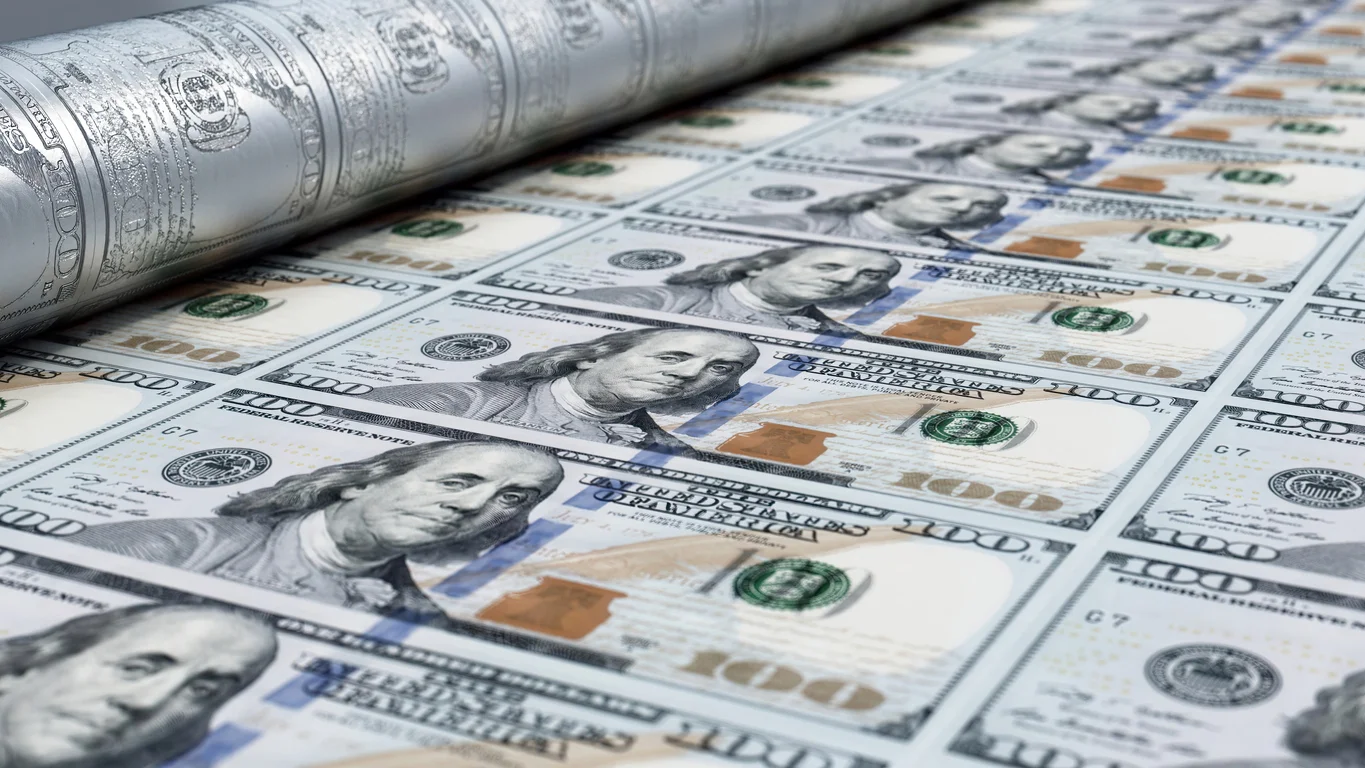 Dollar holds near 2-month high on jobs data
The U.S. dollar held steady near a two-month high on Thursday, June 4, 2026, supported by ongoing Middle East tensions and expectations that the Federal Reserve will keep interest rates higher for longer. The Dollar Index remained close to…
UA Finance•04 June Asia FX Steady Amid Gulf Tensions, Tariffs, Yen Risk Returns
June 3, 2026 — Asian foreign exchange markets traded in a narrow range on Wednesday as investors weighed escalating tensions in the Middle East alongside new U.S. tariff proposals, while renewed concerns over Japanese currency intervention…
UA Finance•03 June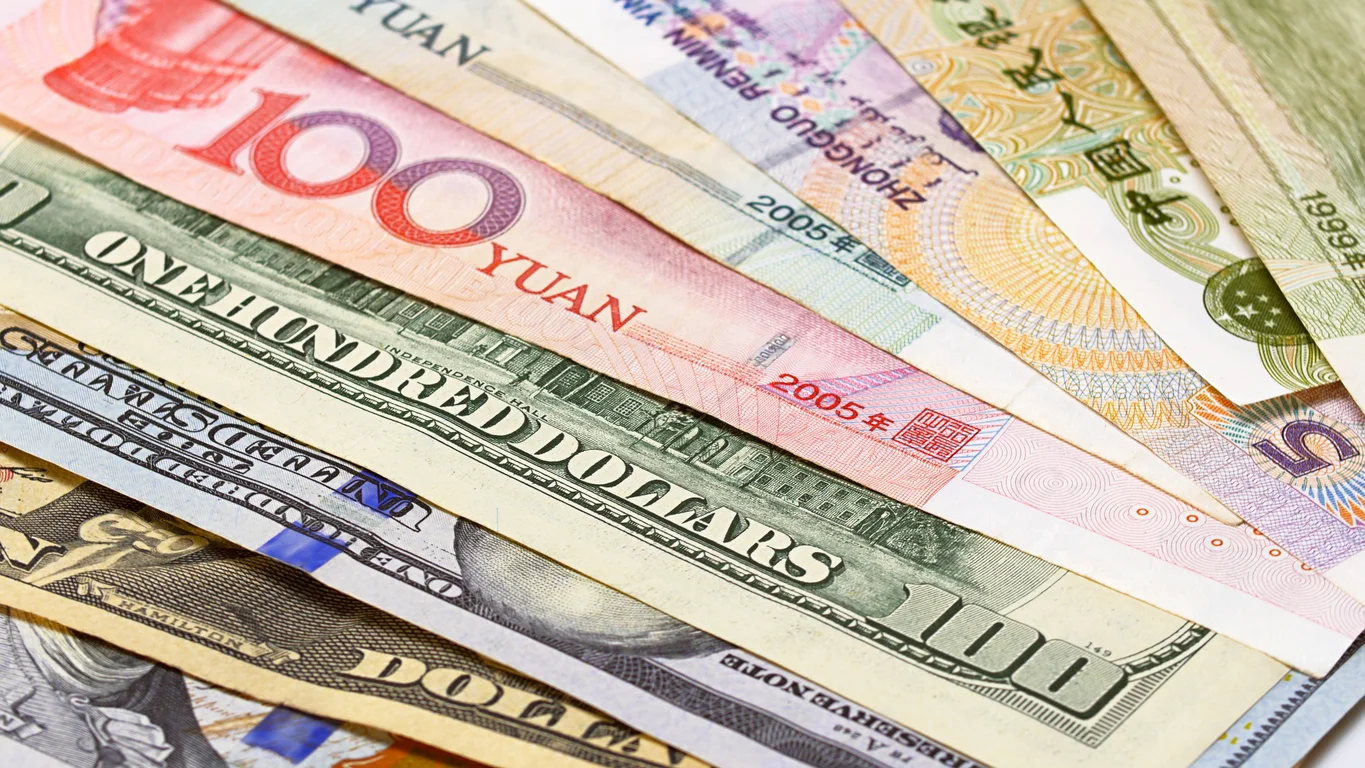 Asia FX Steady as Gulf Tensions and Tariff Plans Drive Caution
June 3, 2026 — Asian currencies traded mostly steady on Wednesday as investors weighed escalating tensions in the Gulf region, potential new U.S. tariff measures, and renewed concerns that Japanese authorities could intervene to support th…
UA Finance•03 June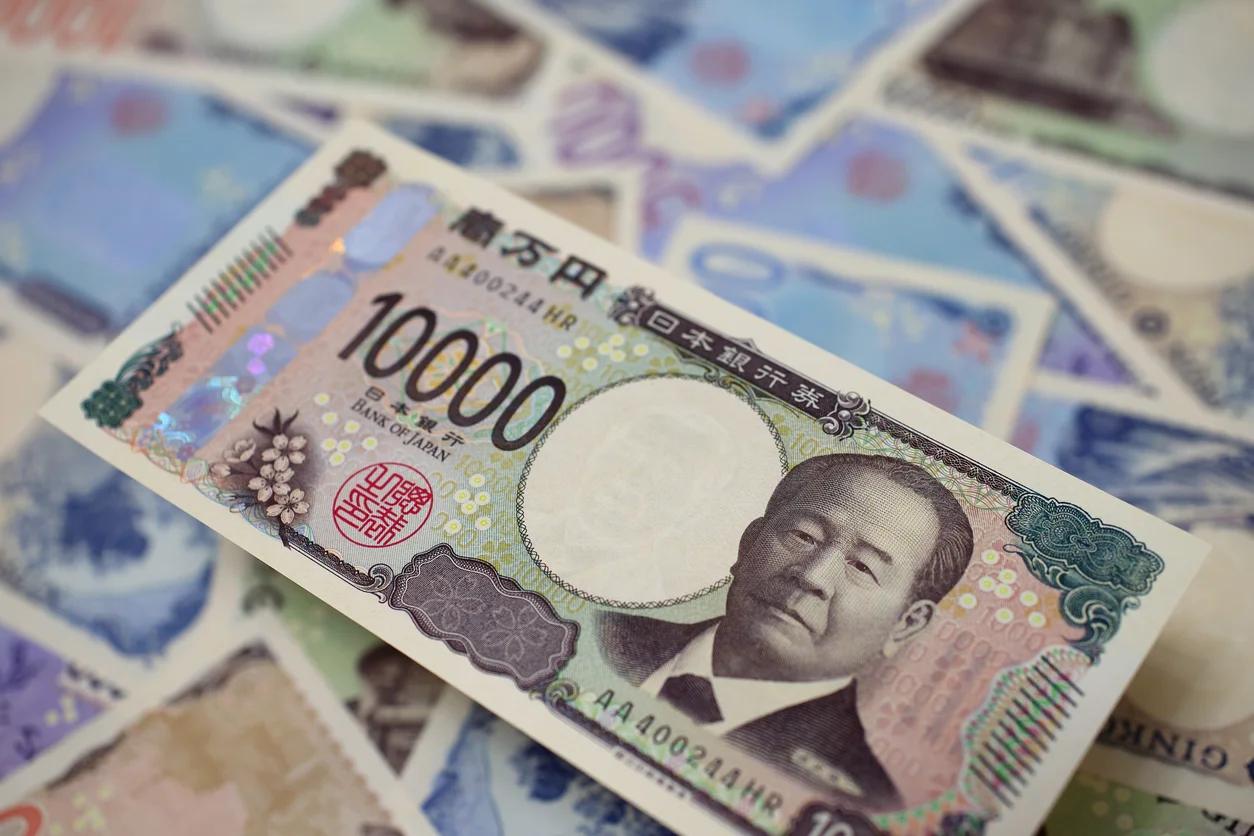 Japan Signals Readiness to Act as Yen Nears Key 160 Level
June 2, 2026 — Japan's finance minister signaled that authorities remain prepared to respond to excessive currency market volatility as the yen hovered near the psychologically important 160-per-dollar threshold, a level closely monitored…
UA Finance•02 June Dollar Slips as Middle East Hopes Grow
 On Thursday, May 7, 2026, the dollar weakened as easing Middle East tensions lifted confidence in global markets. Investors turned toward the yen and oil-linked currencies amid cautious optimism. Dollar Falls While Yen and Euro Edge Highe…
UA Finance•07 May Dollar Slides as Yen Surges on Intervention Buzz
 May 6, 2026, saw the dollar tumble against the yen as intervention speculation intensified, while optimism over a US-Iran deal weighed on the greenback. Currency markets reacted sharply to the shifting outlook. Dollar Drops, Yen Jumps: A…
UA Finance•06 May Dollar Holds Firm as Asia FX Stalls on Rate Fears
 On May 4, 2026, the dollar’s steady trend persisted in Asian markets as investors remained cautious amid rate uncertainty and geopolitical tensions shaping currency moves. Dollar Steady While Asia FX Moves Sideways The dollar’s steady ton…
UA Finance•04 May Dollar Hits Multi-Week High as Yen Weakens Past 160
 On April 30, 2026, the dollar hits multi-week highs as surging oil prices and persistent inflation concerns reshape global currency dynamics. The yen weakens sharply, nearing intervention territory as markets react to central bank signals…
UA Finance•30 April Oil Prices Climb as Yen Firms After BOJ Decision
 On Tuesday, April 28, 2026, oil prices climbed and the yen strengthened as markets absorbed fresh signals from the Bank of Japan and ongoing Middle East tensions. The surge in oil prices and currency shifts underscored deepening inflation…
UA Finance•28 April Yen Under Pressure as BOJ Holds, Dollar Gains
The Japanese yen came under pressure on March 19, 2026, after the Bank of Japan left interest rates unchanged, while the US Federal Reserve indicated it would maintain a tight monetary policy stance for the foreseeable future. The rise in o…
UA Finance•21 March