Federal Reserve Executes First Interest Rate Hike in Three Years to Combat Surging Inflation


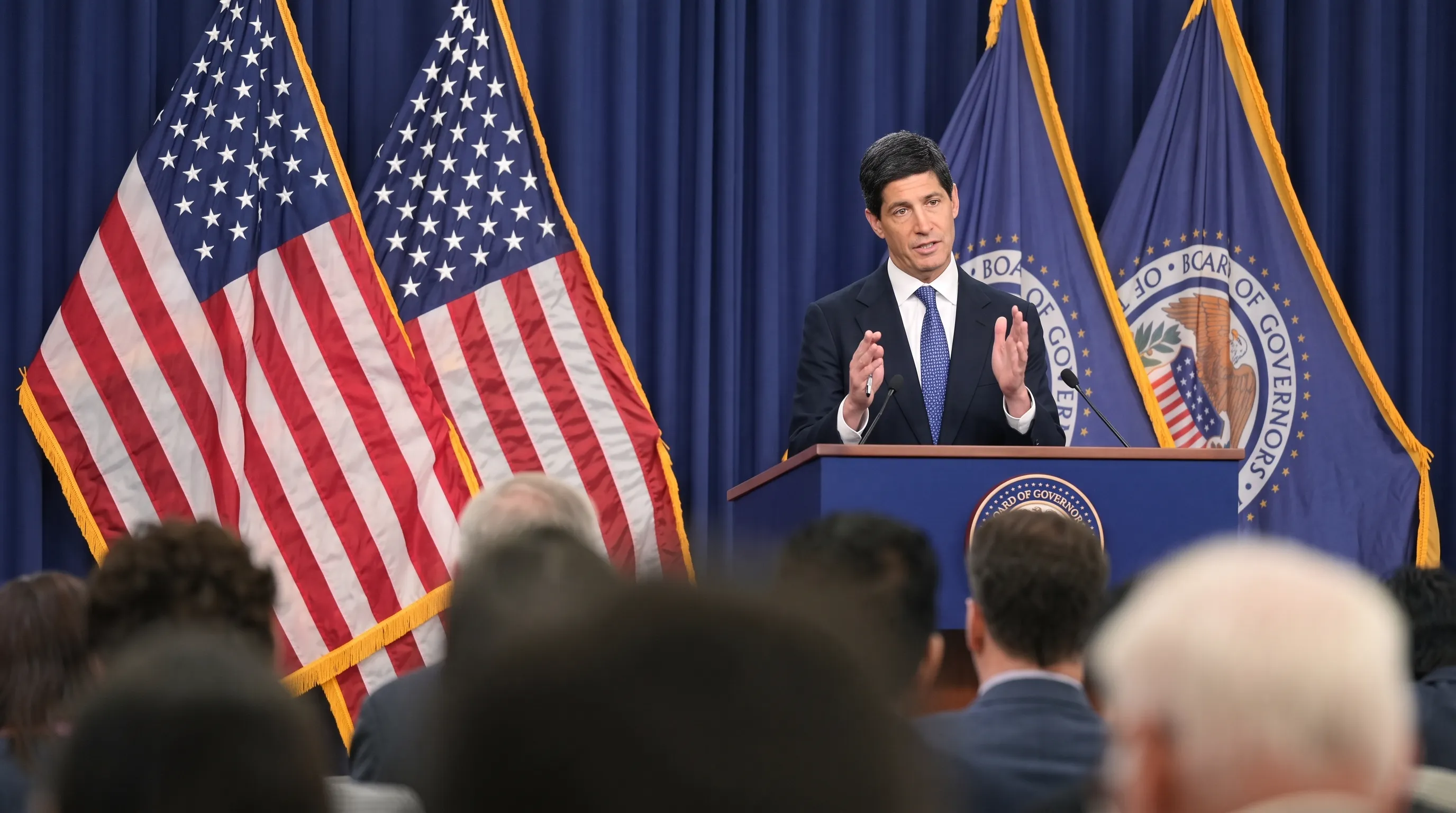
September 17, 2026 – The United States Federal Reserve unanimously voted to raise its benchmark interest rate by a quarter-percentage point on Wednesday, marking the first monetary tightening cycle since July 2023.
The Federal Open Market Committee elevated the federal funds target range to 3.75 percent to 4.00 percent in a direct response to persistently stubborn domestic inflation.
For macroeconomic allocators, this decisive policy reversal shatters earlier consensus expectations that the central bank would maintain a dovish posture throughout the 2026 calendar year.
The surprise rate hike effectively places Federal Reserve Chair Kevin Warsh on a collision course with the White House, aggressively defying President Donald Trump's repeated public demands for lower borrowing costs.
Energy Shocks and Inflationary Pressures
The primary fundamental catalyst forcing the central bank to abandon its easing cycle is a severe, multi-month reacceleration of consumer prices. The United States Labor Department recently confirmed that the consumer price index accelerated to 3.4 percent in August, driven entirely by a massive localized energy shock.
Following severe infrastructure disruptions across the Middle East and the outbreak of the Iran conflict, global crude oil prices have surged by more than 75 percent year-to-date.
This massive geopolitical friction has driven domestic gasoline prices up by 45 percent, mechanically pushing aggregate inflation well above average domestic wage growth.
During his post-meeting press conference, Chair Warsh explicitly stated that inflation remains fundamentally too high, necessitating immediate restrictive policy action to protect lower-income households.
Forward Yield Curve and Borrowing Costs
This sudden monetary tightening cycle injects immediate structural friction into the United States economy, mechanically elevating the cost of capital for both corporations and consumers.
Yields on the benchmark two-year Treasury note, which are highly sensitive to near-term Fed policy, jumped immediately following the announcement to settle near 4.725 percent.
This yield curve compression directly increases the weighted average cost of capital for consumers utilizing adjustable-rate mortgages, auto loans, and revolving credit card debt.
However, fixed-income analysts note that this restrictive posture will concurrently benefit domestic savers, as commercial banks are expected to raise yields on standard deposits and certificates of deposit.
Political Friction and Forward Guidance
From a market positioning standpoint, the most critical takeaway for institutional trading desks is the Fed's revised forward guidance regarding terminal rates.
The latest Summary of Economic Projections indicates that the vast majority of FOMC members anticipate executing at least one additional quarter-point hike before the end of the year.
However, political analysts project that the central bank will deliberately skip its October meeting to avoid direct interference just days before the highly contested November midterm elections.
The unanimous 12-0 vote, which included Trump appointees Michelle Bowman and Christopher Waller, explicitly undercuts potential White House messaging that Warsh was pressured by legacy committee members.
Until global energy markets stabilize, macroeconomic models indicate that the Federal Reserve will maintain this restrictive posture, continuously suppressing valuations across high-beta risk assets.
Read more
 US Dollar Index Breaks 100 Parity as Resilient Wage Data Sustains September Rate Hike Bets
September 6, 2026 – The US Dollar Index (DXY) successfully breached the critical 100 psychological threshold during early Sunday trading sessions.Institutional capital continues to aggressively accumulate the greenback following a complex a…
Donia Saad•06 September US Dollar Index Eyes 100 Breakout as September Rate Hike Bets Surge Past 60%
September 2, 2026 – The US Dollar Index (DXY) continued its aggressive upward trajectory during Wednesday trading, pushing toward the 99.85 level. Institutional trading desks are actively preparing for a potential breakout above the critica…
Donia Saad•02 September Gold Tests 4,300 USD as Hawkish Warsh Speech Sparks September Rate Hike Bets
September 2, 2026 – Spot gold (XAU/USD) is facing severe downward pressure this week, decisively breaking below the 4,400 USD threshold to test critical support near 4,300 USD.The aggressive selloff was triggered by a highly hawkish keynote…
Donia Saad•02 September US Dollar Index Defends 99.66 as Hawkish Fed Projections Halt a Historic Summer Selloff
August 30, 2026 – The US Dollar Index (DXY) stabilized near 99.66 during Friday trading, successfully defending critical technical support after suffering its steepest weekly drops of the summer.While retail currency traders have spent week…
Donia Saad•30 August U.S. Inflation Eases to 3.4% as Core PCE Stickiness Complicates Kevin Warsh’s Next Fed Move
August 26, 2026 – U.S. inflation data provided a mixed relief to financial markets this week, as the headline Consumer Price Index (CPI) cooled to 3.4% year-over-year in July.While the slight deceleration from June’s 3.5% offers temporary b…
Donia Saad•26 August Dollar Holds Firm as Oil Surge Revives Rate Fears
 On May 18, 2026, the dollar steadied as soaring oil prices and a deepening bond selloff revived fear of tighter global monetary policy. Traders also tracked renewed weakness in the yen as intervention risks resurfaced. Dollar Steady as Oi…
UA Finance•18 May Dollar Climbs as Fed Hike Bets Fuel Markets Nerves
 On May 14, 2026, the dollar extended its advance as rising Treasury yields and renewed Federal Reserve hike expectations focused currency markets during the Trump-Xi summit. Dollar Rally Gains Speed The dollar traded near 98.48 against a…
UA Finance•14 May Fed Warns Oil Shock Threatens Financial Stability
 On May 8, 2026, the Federal Reserve warned that rising geopolitical risks and the oil shock linked to Middle East tensions are rapidly becoming major threats to financial stability and inflation control. Oil Shock Climbs to Top of Fed’s R…
UA Finance•09 May Markets Adjust Rates as Oil Price Surge Changes Outlook
 Global markets revised their outlook on March 20, 2026, as oil prices jumped and central banks signaled tighter monetary policy. The rising energy costs and geopolitical tensions are fueling inflation fears and affecting interest rates wo…
UA Finance•24 March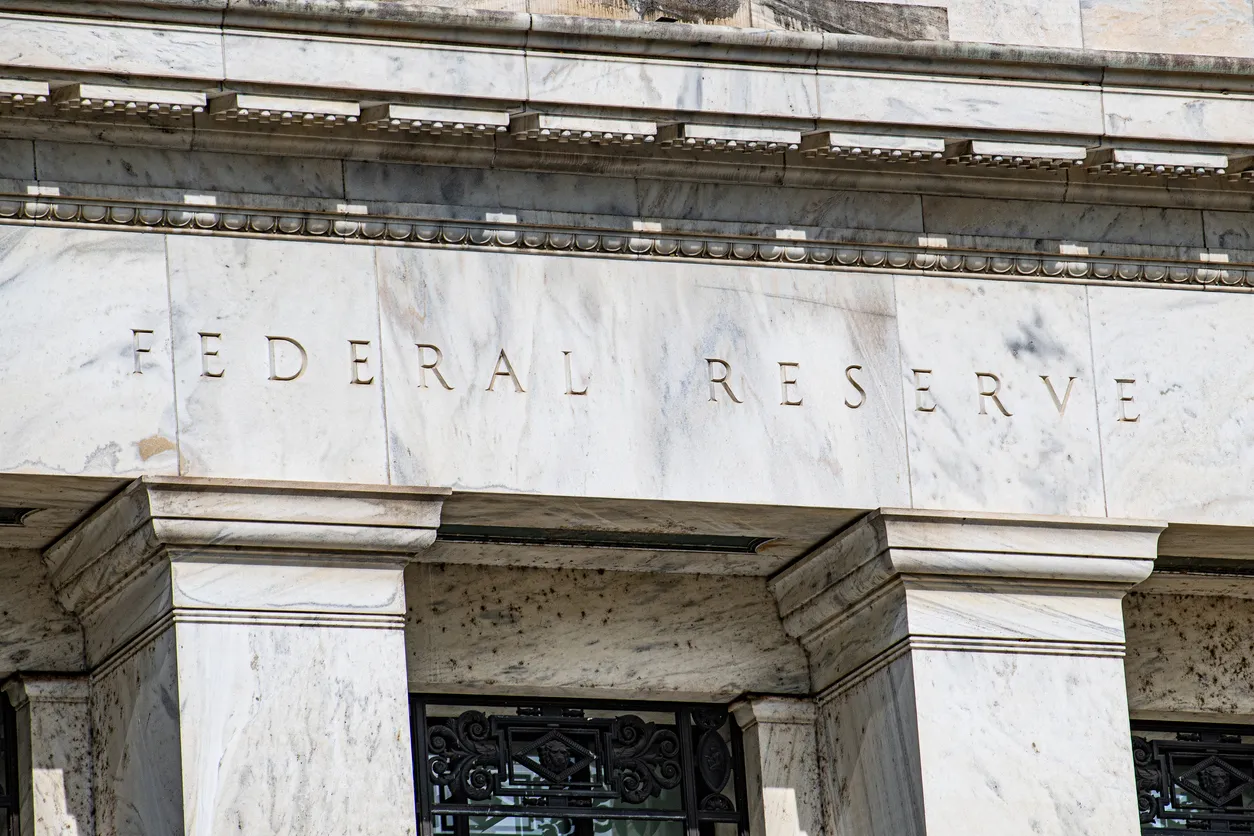 Fed Shock: Rate Hike Back on the Table
“Fed Signals Possible Shift Toward Rate Hike Again” captures the sudden shift in expectations on Saturday, March 21, 2026. The Federal Reserve is sending a message of uncertainty. The main drivers of a rate hike are inflation, geopolitical…
UA Finance•22 March