

Oil Prices Retreat as Surging Middle East Exports and Group of Seven Intervention Alleviate Supply Friction


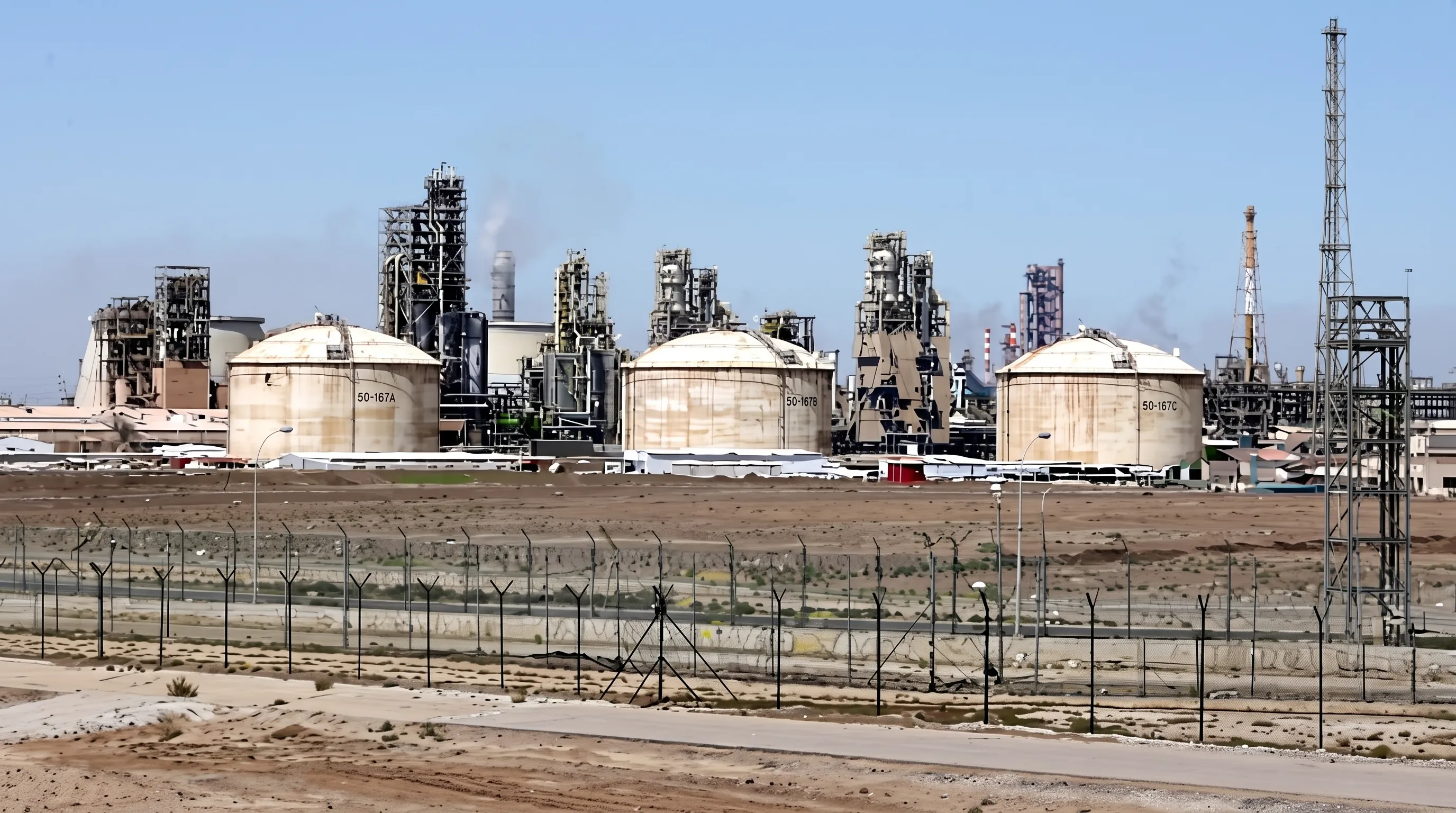
October 6, 2026 – Global crude oil prices declined nearly two percent during Tuesday trading as resilient Middle Eastern exports and a coordinated emergency stockpile release eased structural supply concerns.
As Brent crude futures retreated one point eight percent to exchange hands at ninety-eight point four eight USD per barrel, while the United States West Texas Intermediate contract fell one point nine percent to eighty-seven point seven zero USD per barrel.
For macroeconomic allocators, the price pullback highlights the immediate stabilizing impact of western policy interventions against persistent geopolitical tensions across major energy shipping corridors.
Trading desks observe that while robust regional outflows temporarily cooled the market, underlying security risks ensure that institutional capital maintains a significant geopolitical risk premium on forward energy contracts.
Export Resilience and Emergency Releases
The primary catalyst for Tuesday's downward price action was shipping data confirming that crude exports from the Middle East exceeded pre-war levels on multiple days during the final week of September.
Gulf oil flows, excluding Iran, surged to over eighty-one percent of their pre-war baseline last month, underscoring the operational resilience of regional producers despite ongoing attacks on maritime infrastructure.
Further alleviating supply friction, Group of Seven nations agreed to release one hundred million barrels of diesel and crude oil from emergency strategic reserves.
This coordinated intervention followed direct pressure from United States President Donald Trump, and included pledges from member states to refrain from implementing restrictive energy export policies.
Adding to the robust supply narrative, government officials confirmed that key Saudi Arabian pipeline flows are currently operating seamlessly at five point eight million barrels.
Geopolitical Friction and Forward Valuations
Despite the bearish supply developments, ongoing kinetic conflicts across the region continue to establish a formidable valuation floor for the broader energy complex.
Yemen-based Houthi forces recently claimed responsibility for carrying out attacks on several critical Saudi Arabian infrastructure sites, including an Aramco refinery in Rabigh and multiple international airports.
Quantitative analysts note that without a definitive diplomatic breakthrough or a sustained improvement in shipping efficiency, algorithmic models will resist pushing benchmark prices significantly lower.
Reflecting this structural tension, major financial institutions like UBS have recently raised their fourth-quarter Brent crude forecast to one hundred USD per barrel, anticipating a prolonged path to regional normalization.
Asset managers expect crude markets to maintain elevated volatility as physical traders continuously balance robust physical output against the ever-present threat of sudden supply chain disruptions.
Read more
 Brent Crude Climbs to 96 USD as Escalating U.S.-Iran Tensions Threaten Maritime Chokepoints
September 4, 2026 – Global crude benchmarks violently reversed their late-summer slump this week, with Brent crude briefly piercing the 96 USD per barrel threshold.The aggressive rally is entirely driven by a massive injection of geopolitic…
Donia Saad•04 September Oil Plummets Toward 86 USD as Iran-Oman Hormuz Talks Obliterate the Middle East Risk Premium
August 26, 2026 – Global crude benchmarks experienced a severe selloff during Wednesday trading, extending a two-day plunge that wiped nearly 6% off the energy complex. Brent crude futures tumbled toward 86.20 USD per barrel, while West Tex…
Donia Saad•26 August Oil Retreats Toward 92 USD as Trump’s ‘Crushing’ Economic War on Iran Strips Out Military Risk Premium
August 24, 2026 – Global crude benchmarks shed roughly 2% during Monday’s trading session, with Brent crude futures sliding toward 92.68 USD per barrel and West Texas Intermediate (WTI) dropping to 85.39 USD.The intraday selloff follows the…
Donia Saad•24 August Oil Prices Hold Steady Near $92 as Traders Weigh Middle East Geopolitical Risks
August 20, 2026 – Global crude benchmarks held steady during Thursday’s session, with Brent trading near $91.98 per barrel and West Texas Intermediate (WTI) hovering around $84.52 per barrel.Energy markets are currently navigating a balance…
Donia Saad•20 August Oil Prices Edge Higher Above $89 as Covert Persian Gulf Flows Counter Supply Fears
August 17, 2026 – Global crude benchmark prices edged higher during early Monday trading, extending momentum after both primary benchmarks gained over 5% during the previous week.As Brent crude futures rose to $89.20 per barrel, West Texas…
Donia Saad•17 August