

Oil Plummets Toward 86 USD as Iran-Oman Hormuz Talks Obliterate the Middle East Risk Premium


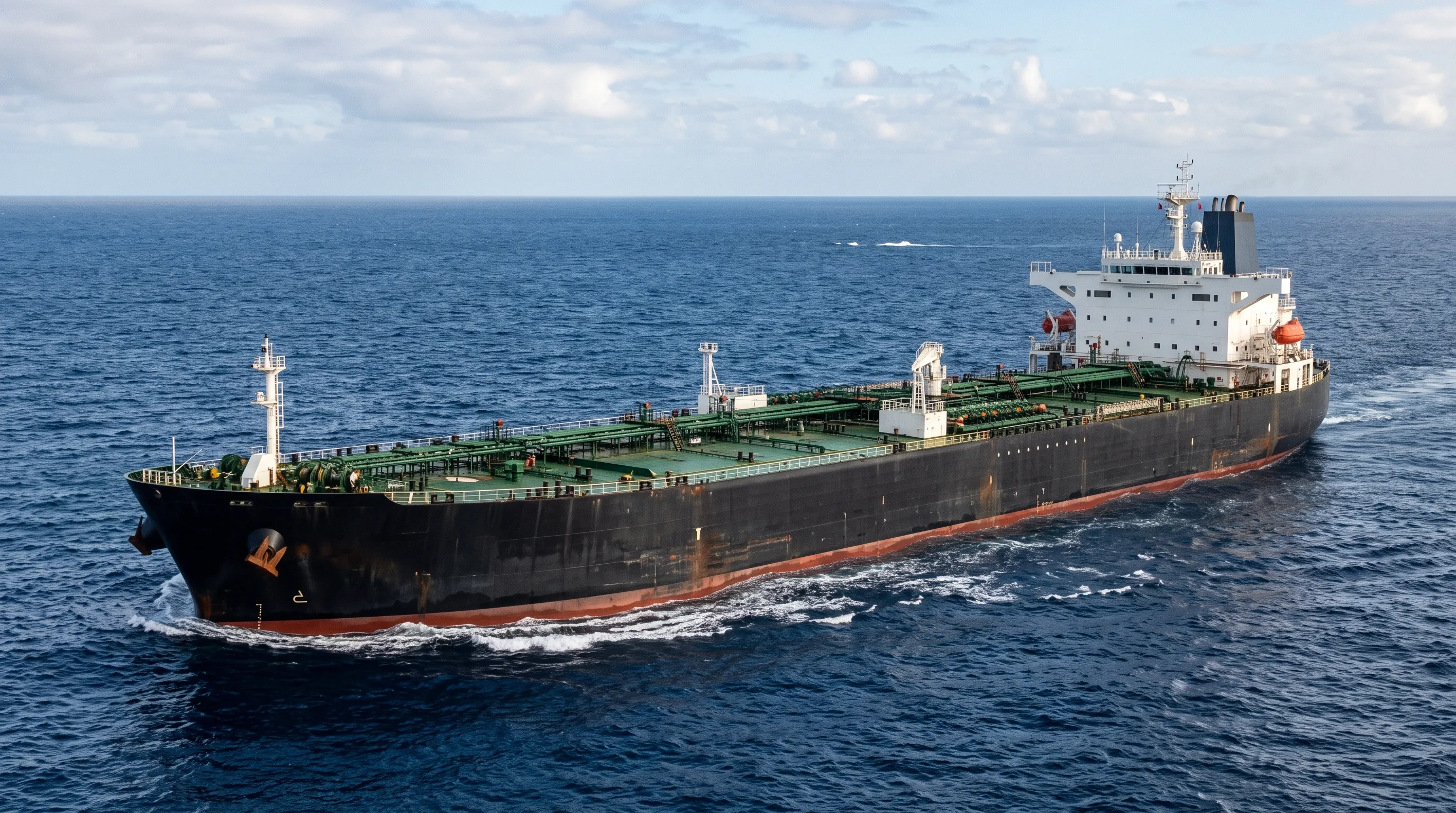
August 26, 2026 – Global crude benchmarks experienced a severe selloff during Wednesday trading, extending a two-day plunge that wiped nearly 6% off the energy complex.
Brent crude futures tumbled toward 86.20 USD per barrel, while West Texas Intermediate (WTI) slipped near 80.42 USD.
The dramatic intraday slide marks a massive capitulation by oil bulls, triggered by sudden diplomatic breakthroughs in the Middle East.
With Iran formally confirming the resumption of negotiations with Oman to manage and potentially reopen the strategic Strait of Hormuz, institutional traders are aggressively unwinding the geopolitical risk premium that had previously anchored crude above the 90 USD threshold.
Hormuz Reopening Hopes Trigger Algorithmic Selloff
The primary catalyst behind the crude oil wipeout is the abrupt de-escalation of maritime risks. For weeks, the futures curve has been priced in a state of severe backwardation, anticipating prolonged physical supply disruptions through the world's most critical oil transit chokepoint.
However, the confirmation of bilateral talks between Tehran and Muscat signals a pivot toward normalization.
Market participants recognize that any meaningful reopening of the waterway would immediately unlock millions of delayed barrels, alleviating prompt-month supply shortages and collapsing the inflated crack spreads that refiners have enjoyed throughout the summer.
As the threat of a closed shipping lane diminishes, algorithmic trading desks are rapidly rotating out of energy futures, forcing front-month contracts into a steep downward correction.
U.S. Diplomatic Return Accelerates the Unwind
Compounding the bearish momentum is a distinct softening of the broader U.S.-Iran standoff. Reports surfaced Wednesday morning indicating that the United States is preparing to send diplomats back to Middle East embassies following earlier wartime evacuations.
This geopolitical stabilization directly undercuts the threat of a kinetic escalation. While the Trump administration's pledge to enforce crushing economic sanctions remains intact, the return of diplomatic backchannels confirms that Washington is prioritizing long-term economic isolation over immediate military blockades.
Consequently, hedge funds and momentum traders are hastily liquidating long oil positions that were tied to worst-case supply-shock scenarios, accelerating the downward pressure on both Brent and WTI benchmarks.
EIA Forecasts and Technical Outlook
As the immediate risk premium evaporates, fundamental supply projections are rapidly realigning. The U.S. Energy Information Administration (EIA) updated its short-term outlook on Wednesday, projecting that Brent will now average around 85 USD per barrel in the third quarter of 2026 before gradually easing toward 69 USD in 2027 as Middle Eastern production fully recovers.
From a technical analysis perspective, both Brent and WTI have violently sliced through major moving averages.
Chartists emphasize that WTI failed to hold the 84.30 USD pivot and is now testing critical psychological support near 80.00 USD.
If the diplomatic normalization in the Strait of Hormuz continues, energy desks anticipate further downside price discovery as the market transitions from scarcity-driven backwardation back to a fundamentally balanced supply model.
Read more
 Oil Retreats Toward 92 USD as Trump’s ‘Crushing’ Economic War on Iran Strips Out Military Risk Premium
August 24, 2026 – Global crude benchmarks shed roughly 2% during Monday’s trading session, with Brent crude futures sliding toward 92.68 USD per barrel and West Texas Intermediate (WTI) dropping to 85.39 USD.The intraday selloff follows the…
Donia Saad•24 August Oil Benchmark Logs Second Weekly Gain as U.S. Shifts Strategy to Financial Isolation Over Direct Military Expansion
August 23, 2026 – Global crude benchmarks closed out the trading week near multi-week highs, with Brent crude futures advancing to $93.96 per barrel and West Texas Intermediate (WTI) rising to $86.94 per barrel.The 5% weekly gain marks the…
Donia Saad•23 August Oil Prices Slide as Iran Diplomacy Eases Supply Concerns
August 3, 2026 –Oil prices fell sharply on Monday after renewed diplomatic efforts between the United States and Iran eased concerns over potential supply disruptions in the Middle East. Brent crude dropped around 4.6% to $83.98 per barrel,…
Donia Saad•03 August US Crude Futures Fall Over 6% on Strait of Hormuz Deal Reports
May 26, 2026 — U.S. crude futures fell sharply during trading after reports of possible progress in negotiations between the United States and Iran regarding the reopening of the Strait of Hormuz, a key global oil shipping route. US Crude F…
UA Finance•26 May Oil Falls 5% as Brent Drops Below $100 on Peace Hopes
May 25, 2026 — Oil prices fell sharply in global markets as optimism grew over potential peace negotiations between the United States and Iran, easing concerns about supply disruptions in the Middle East. Oil Prices Drop on Peace Deal Exp…
UA Finance•25 May