
Global Crude and Jet Fuel Prices Surge as Supertanker Shortage Chokes Logistics



September 20, 2026 – Global crude oil and aviation fuel prices continue to face severe upward pressure as a historic shortage of maritime supertankers artificially constrains long-haul supply chains.
Despite United States military officials confirming that transit volumes through the contested Strait of Hormuz recently hit a six-month high, extreme logistical bottlenecks are actively paralyzing global energy flows.
The sheer cost of chartering very large crude carriers has reached unprecedented levels, mechanically rendering many transatlantic and transpacific oil trades economically unviable.
This maritime friction is rapidly transmitting into refined product markets, pushing United States jet fuel prices near their highest levels since the outbreak of the Iran conflict.
For macroeconomic allocators, the combination of soaring physical freight costs and elevated central bank borrowing rates introduces a massive structural headwind for the global transportation and aviation sectors.
Supertanker Deficits and Freight Premiums
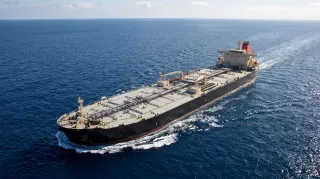
The primary fundamental catalyst disrupting global energy distribution is a severe deficit of available supertankers required for intercontinental crude transport.
Quantitative analysts note that shipping costs now add approximately twenty-six USD per barrel to the price of delivering oil from North America to Asian demand centers.
On the industry's benchmark route from the Persian Gulf to China, owners of very large crude carriers are currently generating revenues exceeding one point two million USD per day.
This staggering freight premium forces global refineries to aggressively outbid one another for localized, short-haul physical cargoes.
Commodity trading desks observe that this geographic scramble is systematically draining regional inventories and driving the forward yield curve for crude oil into extreme backwardation.
Jet Fuel Spikes and Aviation Distress
The physical tightness in crude oil markets has immediately cascaded into the middle distillate complex, placing severe operational strain on global airlines.
Benchmark jet fuel prices on the United States Gulf Coast surged to four point five five USD per gallon, sitting just twenty cents below peak wartime levels.
Simultaneously, aviation financiers warn that surging fuel expenses and rising corporate borrowing costs have officially overtaken hardware shortages as the primary systemic risk for the industry.
Following the recent hawkish interest rate hike by the Federal Reserve, highly leveraged regional airlines are struggling to finance their capital expenditure pipelines.
These compounding macroeconomic pressures recently forced several smaller carriers to halt operations, citing an inability to absorb structural fuel inflation.
Capital Rotation and Market Positioning
From a market positioning standpoint, institutional capital is aggressively rotating to exploit this deep logistical dislocation.
Asset managers are heavily accumulating equities within the maritime shipping sector, pushing the combined market capitalization of major tanker operators to record highs.
Conversely, trading models maintain a heavy short bias against passenger airlines and energy-intensive industrial conglomerates that lack robust fuel hedging programs.
Until geopolitical de-escalation allows commercial vessels to safely resume optimized transit routes, analysts expect shipping premiums to remain permanently elevated.
Commodity funds project that this sustained logistical friction will continuously cap the forward operating margins of any enterprise dependent on long-haul energy procurement.
Read more
 Brent Crude Climbs to 96 USD as Escalating U.S.-Iran Tensions Threaten Maritime Chokepoints
September 4, 2026 – Global crude benchmarks violently reversed their late-summer slump this week, with Brent crude briefly piercing the 96 USD per barrel threshold.The aggressive rally is entirely driven by a massive injection of geopolitic…
Donia Saad•04 September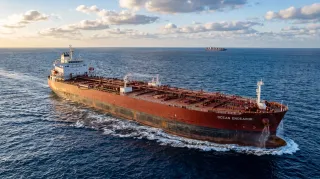 Oil Benchmark Logs Second Weekly Gain as U.S. Shifts Strategy to Financial Isolation Over Direct Military Expansion
August 23, 2026 – Global crude benchmarks closed out the trading week near multi-week highs, with Brent crude futures advancing to $93.96 per barrel and West Texas Intermediate (WTI) rising to $86.94 per barrel.The 5% weekly gain marks the…
Donia Saad•23 August Oil Prices Edge Higher Above $89 as Covert Persian Gulf Flows Counter Supply Fears
August 17, 2026 – Global crude benchmark prices edged higher during early Monday trading, extending momentum after both primary benchmarks gained over 5% during the previous week.As Brent crude futures rose to $89.20 per barrel, West Texas…
Donia Saad•17 August Oil Prices Surge as Geopolitical Supply Risks Counter OPEC+ Demand Revisions
August 16, 2026 – Global crude oil prices edged higher this week, with Brent crude reaching $88.52 per barrel and West Texas Intermediate (WTI) rising to $82.40 per barrel.The price increase reflects renewed energy market volatility as geop…
Donia Saad•16 August Oil Prices Climb Above $84 as U.S.-Iran Conflict Deepens Supply Fears
July 14, 2026 –Oil Prices Climb Above $84 as U.S.-Iran Conflict Deepens Supply Fears ,Oil prices extended their rally after escalating military exchanges between the United States and Iran intensified concerns over crude supplies and shippi…
Donia Saad•14 July Oil Surge Drags Airline Stocks Lower on Travel Fears
 Rising oil prices unsettled Wall Street on May 11, 2026, sending U.S. airline stocks lower as renewed supply concerns returned to financial markets. Investors shifted focus toward mounting fuel costs after crude prices rebounded sharply.…
UA Finance•11 May Brent Crude Above $100 Fuels Supply Fears
April 24, 2026, saw Brent crude above $100 surge back into focus as supply disruptions tightened global markets. The sharp move in Brent crude above $100 highlights growing imbalance risks. Brent Crude Above $100: Rally Raises Alarm Brent c…
UA Finance•25 April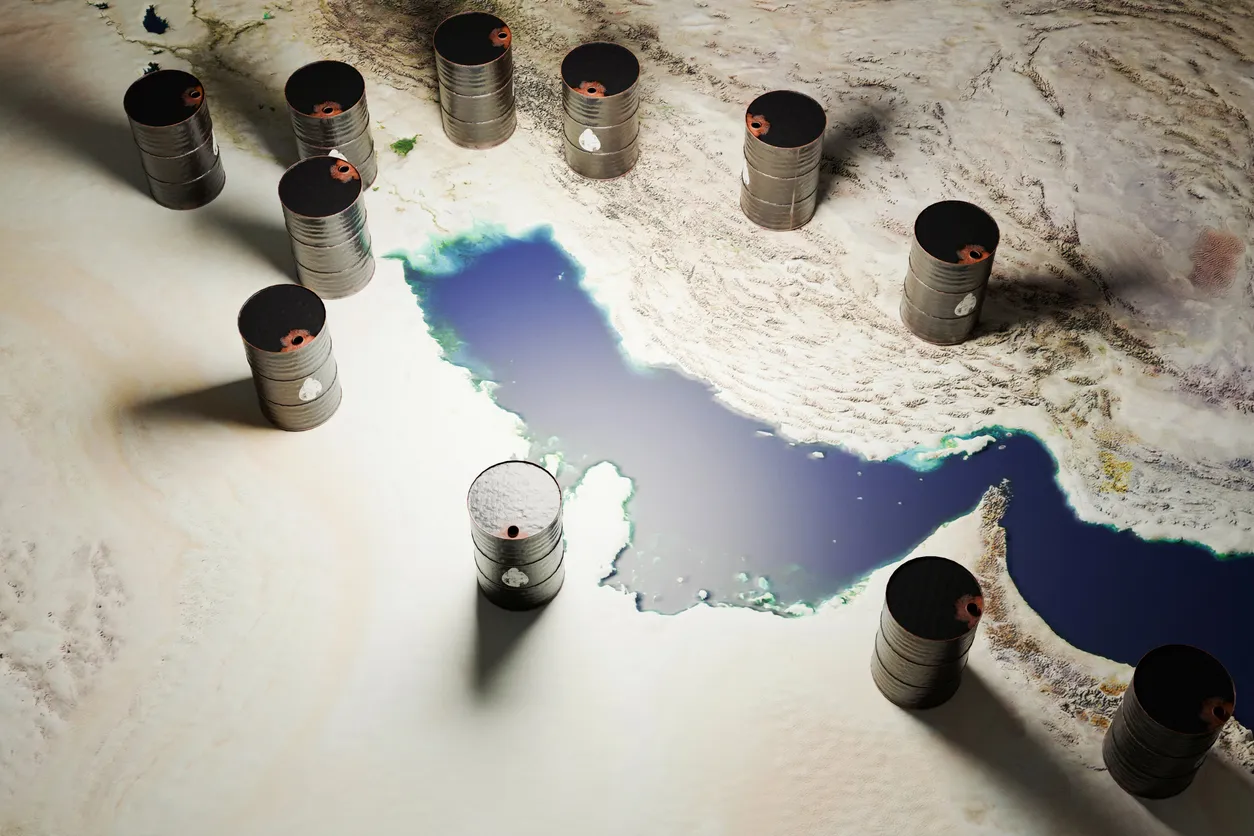 Oil Surges Past $100 as Hormuz Tensions Deepen Fast
 On April 23, 2026, oil prices climbed sharply as stalled US-Iran talks and ongoing disruptions in the Strait of Hormuz tightened global supply expectations, lifting crude benchmarks above key levels. Oil Rally Ignites as Diplomatic Deadlo…
UA Finance•23 April Iran War Oil Shock Rivals Historic Disruptions
 April 22, 2026—The Iran war oil shock is shaking global energy markets, triggering a supply disruption that rivals some of the most severe crises in modern history. Prices are climbing as flows tighten. Iran War Oil Shock Tests Global Ene…
UA Finance•22 April Crude Oil Surges as Middle East Supply Threats Intensify
 On Thursday, April 9, 2026, as supply risks grew, energy markets responded strongly to rising geopolitical tensions, with traders closely monitoring the regional developments to assess the long-term effects on global fuel prices and econo…
UA Finance•09 April