
DO

Donia Saad

Author

Financial News Editor specializing in economic news and global financial markets, delivering accurate, reliable, and up-to-date content based on trusted sources.

Joined Jul 5, 2026

45 Total News Posts

0 Total Articles Posts

0 Total Academy Posts

India Inflation Tops Forecasts as Food and Energy Costs Renew Price Pressures

India Inflation Tops Forecasts as Food and Energy Costs Renew Price Pressures

July 13, 2026 – India's annual consumer inflation accelerated to 4.38% in June, exceeding market expectations and moving above the Reserve Bank of India's (RBI) 4% medium-term target for the first time in 17 months, as higher food and fuel costs added to price pressures. The latest reading was above economists' forecasts and marked an increase from 3.93% in May, highlighting renewed inflationary pressures after several months of relatively moderate price growth. While inflation remains within the RBI's tolerance band of 2% to 6%, the stronger-than-expected figure is likely to keep policymakers cautious in the months ahead. Food and Fuel Drive Inflation HigherFood prices remained one of the main contributors to June's inflation increase, while higher fuel costs also pushed transportation and household expenses upward. Rising global oil prices, geopolitical tensions in the Middle East, and uneven monsoon conditions have increased cost pressures across several sectors, making essential goods more expensive for consumers. Analysts note that weather-related disruptions could continue influencing food prices during the coming months. Rate Outlook Back in Focus The stronger inflation reading has renewed market attention on the Reserve Bank of India's monetary policy outlook. Although the central bank has maintained a cautious approach in recent meetings, persistent inflation above its medium-term target could reduce the scope for policy easing and strengthen expectations that interest rates may remain elevated if price pressures continue. Future decisions are expected to depend on incoming inflation, commodity prices, and domestic economic data. Markets Monitor Global Risks Investors are also watching global developments that could influence India's inflation outlook, including energy prices, supply chain conditions, and geopolitical tensions affecting commodity markets. With India remaining one of the world's fastest-growing major economies, controlling inflation while supporting economic growth is expected to remain a key challenge for policymakers throughout the second half of the year.

13 July
Egypt Expands Capital Market Reforms to Encourage More Private Investment

Egypt Expands Capital Market Reforms to Encourage More Private Investment

July 13, 2026 – Egypt is preparing to launch a new program to help state-owned companies become ready for public listings, as part of broader efforts to attract private investment, deepen capital markets, and increase private sector participation in the economy. The initiative, led by the Financial Regulatory Authority, aims to improve the governance, financial reporting, and operational readiness of selected state-owned enterprises before they pursue initial public offerings. The program supports the government's wider strategy to expand private sector participation and strengthen investor confidence in Egypt's capital markets. Capital Markets Take a Bigger Role Governments around the world have increasingly turned to capital market reforms to attract long-term investment and reduce pressure on public finances. By preparing state-owned companies for stock market listings, authorities aim to improve transparency, broaden ownership, and create new investment opportunities for both domestic and international investors. Similar approaches have been adapted across several emerging and developed economies seeking to strengthen private sector-led growth. Private Investment Supports Economic Growth Greater private sector participation is widely viewed as an important driver of economic expansion, innovation, and job creation. International organizations, including the International Monetary Fund (IMF) and the World Bank, have consistently highlighted that improving the business environment, expanding access to finance, and encouraging private investment can help economies achieve more sustainable long-term growth while reducing reliance on government spending. Investor Confidence Remains the core KeyThe success of public listing programs ultimately depends on investor confidence, market liquidity, and transparent corporate governance. Analysts note that companies entering public markets typically benefit from stronger disclosure standards and improved access to financing, while investors gain additional opportunities to diversify their portfolios. As global competition for investment intensifies, countries continue introducing reforms aimed at making their capital markets more attractive to international investors. What's next?The IPO readiness program represents another step in Egypt's broader capital market development strategy, while reflecting a wider global trend toward mobilizing private capital to support economic growth. Market participants will be watching the amount of companies joining the program and whether future listings contribute to increased investment activity and stronger participation in Egypt's financial markets.

13 July
Oil Prices Climb as U.S.-Iran Tensions Renew Supply Concerns

Oil Prices Climb as U.S.-Iran Tensions Renew Supply Concerns

July 13, 2026 – Oil pricesextended their gains after renewed military tensions between the United States and Iran raised fresh concerns over global crude supplies and shipping through the Strait of Hormuz, one of the world's most important energy trade routes. Brent crude traded at around $76.13 per barrel, while West Texas Intermediate (WTI) stood near $71.59. The OPEC Reference Basket was quoted at approximately $76.25 per barrel, reflecting continued volatility in global energy markets as investors monitored developments in the Middle East. Strait of Hormuz Returns to Market FocusThe latest escalation between Washington and Tehran has renewed attention on the Strait of Hormuz, a strategic maritime corridor through which roughly one-fifth of the world's oil supply is transported. Although oil exports have not experienced widespread disruptions, traders have increased the geopolitical risk premium, reflecting concerns that any further escalation could affect shipping activity, insurance costs, and energy supply chains. Supply Risks Support Oil Prices Beyond the immediate geopolitical developments, markets are also assessing the potential impact on future oil supply. Analysts note that uncertainty surrounding Iranian exports and tanker traffic has strengthened expectations of tighter near-term supply, encouraging buying in crude futures despite ongoing concerns about slower global demand growth. Investors Watch the Next MoveAttention is now turning to whether diplomatic efforts can ease tensions or whether further military action could prolong volatility in energy markets. Oil prices are expected to remain highly sensitive to developments in the Middle East, while investors continue monitoring shipping activity, OPEC+ production policy, and global demand trends for additional direction.

13 July
Gold Falls as Rising Oil Prices Strengthen Rate Expectations

Gold Falls as Rising Oil Prices Strengthen Rate Expectations

July 13, 2026 – Gold prices declined after the renewal of the tensions between the United States and Iran pushed oil prices higher, increasing concerns that inflation could remain elevated and delay any easing in U.S. monetary policy. Spot gold traded near $4,060 per ounce, while U.S. gold around $4,067 per ounce, extending losses for a second consecutive session as investors reassessed the outlook for inflation and interest rates. Higher Oil Prices Pressure Gold The latest escalation in the Middle East has fueled a sharp rise in crude oil prices amid concerns over potential disruptions to energy supplies through the Strait of Hormuz. While geopolitical uncertainty typically supports demand for safe-haven assets such as gold, the accompanying increase in oil prices has also strengthened expectations of higher inflation. Investors increasingly believe that persistent inflation could prompt the Federal Reserve to maintain restrictive monetary policy for longer, reducing the attractiveness of non-yielding assets like gold. Dollar and Treasury Yields Add to WeaknessGold also came under pressure from a firmer U.S. dollar and rising Treasury yields.A stronger dollar makes gold more expensive for buyers using other currencies, while higher bond yields increase the opportunity cost of holding bullion, which does not generate interest. These factors combined to outweigh gold's traditional safe-haven appeal despite ongoing geopolitical uncertainty. Markets Await Fresh Economic Signals Investors are now closely monitoring upcoming U.S. inflation data and Federal Reserve commentary for clues about the future path of interest rates. Market participants expect gold prices to remain sensitive to economic data, monetary policy expectations, and developments in the Middle East, with shifts in inflation and energy markets likely to determine the precious metal's near-term direction.

13 July
African Economic Conference Calls for Stronger Trade Resilience and Regional Integration

African Economic Conference Calls for Stronger Trade Resilience and Regional Integration

July 13, 2026,African policymakers, economists, and development leaders concluded the 2026 African Economic Conference with renewed calls to strengthen the regional trade, improve the economic resilience, and Prepare the continent to navigate a more fragmented global economy. Held in Abidjan, the conference focused on how African economies can adapt to shifting geopolitical dynamics by expanding intra-African trade, improving investment conditions, and accelerating regional integration. The event brought together representatives from the African Development Bank (AfDB), the United Nations Development Program (UNDP), the Organization for Economic Co-operation and Development (OECD), governments, and private sector leaders. Trade Resilience Takes Center StageA key outcome of the conference was the growing emphasis on building stronger regional trade networks to reduce exposure to global economic disruptions. Participants highlighted the importance of strengthening supply chains, expanding cross border infrastructure, and accelerating implementation of the African Continental Free Trade Area (AfCFTA) to improve market access and support long-term economic growth. They also stressed that deeper regional cooperation could help African economies better with stand external shocks, including geopolitical conflicts and trade disruptions. Investment and Industrial Growth Remain PrioritiesDelegates also emphasized the need to attract greater private investment into productive sectors such as manufacturing, digital infrastructure, renewable energy, and logistics. The conference highlighted that improving the business environment, expanding access to finance, and encouraging innovation will be essential for creating jobs and supporting sustainable industrial development across the continent. Strengthening institutions and improving policy coordination were identified as key factors in boosting investor confidence. Africa Looks Beyond Traditional Growth ModelsAnother major theme was the need for Africa to become more economically self-reliant while maintaining strong global trade partnerships. Speakers encouraged countries to diversify export markets, increase value-added production, and invest in technology and human capital to improve competitiveness. Rather than relying primarily on commodity exports, the conference promoted broader economic diversification as a pathway toward long-term resilience. What comes next?The conference concluded with a shared commitment among participating institutions to strengthen cooperation on trade, investment, and economic policy. As global trade patterns continue to evolve, policymakers see regional integration, resilient supply chains, and private sector development as critical pillars for supporting Africa’s long-term economic transformation.

13 July
Heavy Bond Hedging Signals Higher Yield Expectations as Debt Supply Grows

Heavy Bond Hedging Signals Higher Yield Expectations as Debt Supply Grows

July 13, 2026 – Record bond hedging activity by major banks is drawing attention across global financial markets, as investors assess whether the surge reflects growing expectations for higher bond yields or simply an adjustment to increasing debt issuance.Recent market data show that banks have significantly expanded short positions linked to government bonds. While such positioning may appear bearish at first glance, market analysts note that much of the activity is likely tied to hedging new bond sales and managing interest rate risk rather than signaling a broad loss of confidence in the bond market. Rising Debt Issuance Shapes Market PositioningGovernments and corporations have continued issuing large volumes of debt to finance spending and investment, requiring banks to play a central role in underwriting and distributing new bonds.To manage the risks associated with these transactions, financial institutions often hedge their exposure through Treasury futures and other fixed-income instruments. As borrowing activity increases, these hedging positions can grow substantially, even without reflecting a negative view on the broader economy. Interest Rate Outlook Remains a Key DriverExpectations that interest rates could remain elevated have also influenced bond market positioning.Higher interest rates generally reduce the value of existing bonds with lower yields, encouraging investors to closely monitor central bank policy and inflation data. As a result, banks and institutional investors continue adjusting their portfolios to manage potential changes in bond prices and market volatility. Markets Focus on Yields, Not Just PositionsAnalysts caution that large hedging positions should not automatically be interpreted as a warning of financial stress.Instead, investors are paying closer attention to bond yields, government borrowing plans, and monetary policy, all of which will play a larger role in determining the direction of fixed-income markets over the coming months.With global debt issuance remaining strong and central banks maintaining a cautious approach toward interest rates, bond markets are expected to remain sensitive to economic data and policy developments.

12 July
Gold Prices Track Global Market as Investors Monitor Fed Outlook

Gold Prices Track Global Market as Investors Monitor Fed Outlook

July 12, 2026 – Gold prices in Egypt traded in line with global bullion markets, as investors continued to assess the outlook for U.S. monetary policy and geopolitical developments that have supported demand for safe-haven assets.According to Dahab Masr, 24-karat gold traded at EGP 6,701.59 for buying and EGP 6,615.70 for selling. 21-karat gold, the most widely traded purity in Egypt, stood at EGP 5,864.48 for buying and EGP 5,789.32 for selling. The international gold ounce traded around $4,169.90. (Source: Dahab Masr)Global Market Drives Local PricesGold prices remained supported by movements in international bullion markets, where investors continued to favor safe-haven assets amid geopolitical uncertainty and expectations surrounding future interest rate decisions by the U.S. Federal Reserve.Because gold is priced globally in U.S. dollars, fluctuations in international prices and changes in the dollar's strength continue to play a significant role in determining local gold prices across many markets. Expectations that interest rates could remain elevated have also influenced investor positioning, as higher borrowing costs generally limit gold's upside by increasing the appeal of interest-bearing assets. Investor Sentiment Remains in FocusMarket participants are also monitoring developments in global financial markets, including inflation data and central bank policy signals, for indications of gold's next direction.While geopolitical risks have supported demand for bullion, stronger economic data or a more hawkish monetary policy outlook could reduce safe-haven demand. Conversely, any signs of slowing economic growth or easing monetary policy may provide additional support for gold prices.What comes next?Investors will continue watching upcoming U.S. economic data, Federal Reserve communications, and geopolitical developments for further direction in the gold market.As global uncertainty persists, movements in international bullion prices are expected to remain the primary driver of local gold markets in the near term.

12 July
AI Investment Boom Reshapes Global Capital Flows, UN Warns

AI Investment Boom Reshapes Global Capital Flows, UN Warns

July 12, 2026 – Global foreign direct investment increased in 2025, but the most of the new capital flowed into artificial intelligence, digital infrastructure, and other strategic industries, raising concerns that many developing economies could struggle to attract future investment.According to the United Nations Conference on Trade and Development, global FDI rose 6% to $1.6 trillion in 2025, ending two consecutive years of decline. However, the recovery remained uneven, with developed economies benefiting far more than developing markets.AI Becomes a Major Investment DriverUnited Nations Conference on Trade and Development said investment is becoming increasingly concentrated in strategic sectors, particularly artificial intelligence, semiconductors, clean energy, and digital infrastructure.The value of greenfield investment projects in these sectors has expanded rapidly over recent years as governments and companies prioritize technological competitiveness, supply chain resilience, and national security. This shift has encouraged multinational companies to direct more capital toward countries with advanced digital infrastructure and supportive industrial policies.Developing Economies Face Growing CompetitionWhile overall investment increased globally, many developing economies captured only a small share of the new projects.United Nations Conference on Trade and Development warned that investment is becoming more concentrated across a limited number of countries and industries, reducing opportunities for economies that lack advanced technology ecosystems, reliable infrastructure, or strong investment incentives.The organization noted that attracting investment increasingly depends not only on low production costs but also on access to skilled talents, digital capabilities, and resilient supply chains.What comes next?The outlook for global investment remains uncertain as geopolitical tensions, trade policies, and financing conditions continue to influence business decisions.United Nations Conference on Trade and Development expects competition for AI-related investment to intensify in the coming years, making innovation, infrastructure development, and workforce skills increasingly important factors in attracting long-term foreign investment.

12 July
German Industrial Output Beats Forecasts as Manufacturing Shows Signs of Recovery

German Industrial Output Beats Forecasts as Manufacturing Shows Signs of Recovery

July 12, 2026 – Germany's industrial sector showed unexpected strength in May after the industrial production and factory orders both exceeded market expectations, offering fresh signs that Europe's largest economy may be stabilizing following a hard period of manufacturing weakness.According to Germany's Federal Statistical Office , The industrial production increased 0.9% in May, outperforming economists' expectations and marking one of the strongest monthly gains in more than a year.Manufacturing Activity Gains MomentumThe improvement in industrial output was driven by higher production in the automotive sector, while construction activity and several energy-intensive industries also recorded gains.Factory orders increased despite ongoing global uncertainty, suggesting manufacturers continue to receive new business even as companies navigate geopolitical risks, elevated borrowing costs, and changing trade conditions. Excluding large-scale orders, new manufacturing orders still posted a solid monthly increase, referring to broader core demand.Recovery Faces Ongoing ChallengesAlthough the latest data refer to improving industrial activity, economists caution that Germany'srecovery remains gradual.Manufacturers continue to face structural challenges, including weaker global demand, competitiveness concerns, and uncertainty due to energy prices. However, recent government investment initiatives and resilient demand from parts of Europe have improved confidence that industrial activity could continue recovering during the second half of the year.What comes next?Investors will continue to monitor upcoming economic indicators to determine whether the recent improvement develops into a wider recovery.Future business confidence surveys, export data, and manufacturing activity will provide further insight into the strength of Germany's industrial sector, while developments in energy markets and global trade remain important elements for Europe's largest economy.

12 July
Oil Prices Rise as Renewed Middle East Tensions Revive Supply Concerns

Oil Prices Rise as Renewed Middle East Tensions Revive Supply Concerns

July 12, 2026 – Global oil prices traded higher as renewed geopolitical tensions in the Middle East revived concerns over potential supply disruptions through the Strait of Hormuz, prompting traders to rebuild a geopolitical risk premium in crude markets.According to the latest market data, Brent crude traded near $76.01 per barrel, while West Texas Intermediate (WTI) stood around $71.41 per barrel. The OPEC Reference Basket remained near $73–74 per barrel based on the latest available OPEC market data.Geopolitical Risks Support Oil PricesOil prices increased during the week after renewed military activity involving the United States and Iran raised fresh concerns about the security of shipping through the Strait of Hormuz.Although detecting no interruption to global crude supplies has been confirmed, markets have reacted to the increased risk that any further escalation could affect oil exports from the Gulf region. As a result, traders have added a higher risk due to crude prices.Supply Outlook Remains MixedDespite the latest price results, additional supply from OPEC+ continues to limit further upside.The producer alliance recently approved another increase in production targets, while the gradual recovery of oil flows through the Strait of Hormuz has helped ease some concerns over physical supply. These developments have offset part of the upward pressure created by geopolitical tensions.Markets Watch the Next MoveInvestors remain focused on developments in the Middle East, as well as production levels from major oil-producing countries.Any further disruption to shipping routes or energy infrastructure could support higher crude prices, while signs of easing tensions or stronger-than-expected supply growth may reduce the current geopolitical risk premium. Market participants are also monitoring economic data for indications of future oil demand.

12 July

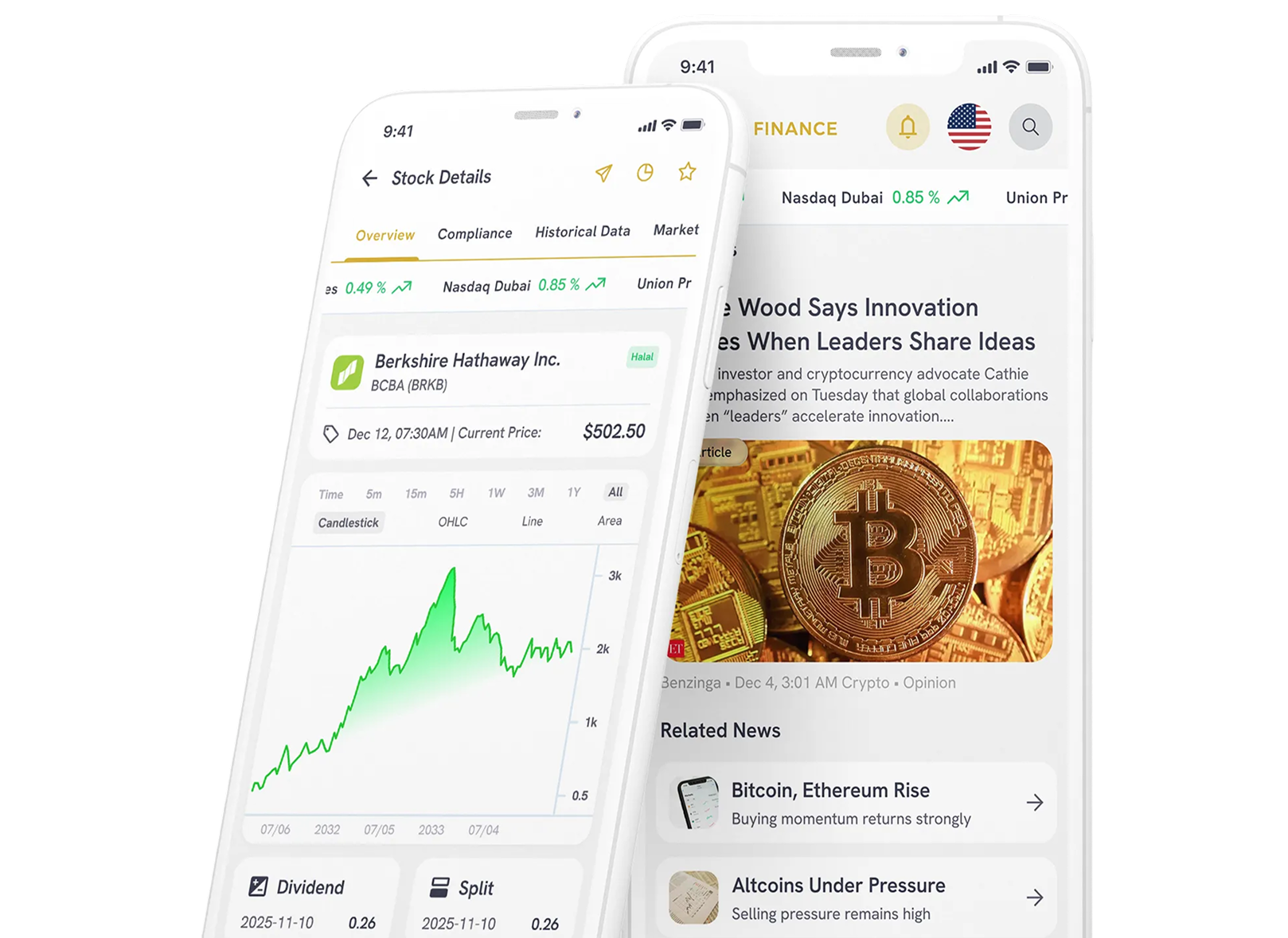
Track Global Markets in Real Time with UA Finance

Download the app now and access live financial data, expert analysis, and trusted economic news to follow stocks, forex, gold, and cryptocurrencies with ease.