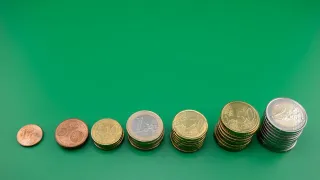
Egypt Expands Capital Market Reforms to Encourage More Private Investment
© open source

July 13, 2026 – Egypt is preparing to launch a new program to help state-owned companies become ready for public listings, as part of broader efforts to attract private investment, deepen capital markets, and increase private sector participation in the economy.


The initiative, led by the Financial Regulatory Authority, aims to improve the governance, financial reporting, and operational readiness of selected state-owned enterprises before they pursue initial public offerings.


The program supports the government's wider strategy to expand private sector participation and strengthen investor confidence in Egypt's capital markets.


Capital Markets Take a Bigger Role

Governments around the world have increasingly turned to capital market reforms to attract long-term investment and reduce pressure on public finances.


By preparing state-owned companies for stock market listings, authorities aim to improve transparency, broaden ownership, and create new investment opportunities for both domestic and international investors.


Similar approaches have been adapted across several emerging and developed economies seeking to strengthen private sector-led growth.


Private Investment Supports Economic Growth

Greater private sector participation is widely viewed as an important driver of economic expansion, innovation, and job creation.


International organizations, including the International Monetary Fund (IMF) and the World Bank, have consistently highlighted that improving the business environment, expanding access to finance, and encouraging private investment can help economies achieve more sustainable long-term growth while reducing reliance on government spending.


Investor Confidence Remains the core Key

The success of public listing programs ultimately depends on investor confidence, market liquidity, and transparent corporate governance.


Analysts note that companies entering public markets typically benefit from stronger disclosure standards and improved access to financing, while investors gain additional opportunities to diversify their portfolios.


As global competition for investment intensifies, countries continue introducing reforms aimed at making their capital markets more attractive to international investors.


What's next?

The IPO readiness program represents another step in Egypt's broader capital market development strategy, while reflecting a wider global trend toward mobilizing private capital to support economic growth.


Market participants will be watching the amount of companies joining the program and whether future listings contribute to increased investment activity and stronger participation in Egypt's financial markets.

Share this article

Read more

Related news

Egypt Seeks to Double Chinese Investment as Export Hub Strategy Gains Momentum

Egypt Seeks to Double Chinese Investment as Export Hub Strategy Gains Momentum

July 9, 2026 – Egypt is aiming to double Chinese investments by the end of 2026 as the country continues to attract manufacturers looking to expand production and strengthen exports to regional and international markets.According to Mustafa Ibrahim, Vice Chairman of the Egyptian-Chinese Business Council, Chinese investments reached between $1.5 billion and $2 billion during the first half of the year, with plans to double that figure over the remaining months. Egypt is also in discussions with more than 50 Chinese companies, with agreements already signed with nearly one-third of them. Egypt Strengthens Its Position as a Manufacturing HubChinese companies are increasingly viewing Egypt as a strategic production base rather than solely a consumer market.The country's location, access to the Suez Canal Economic Zone, and investment incentives—including customs exemptions for exports and full foreign ownership in many sectors—continue to attract manufacturers seeking easier access to markets in Europe, Africa, and the Middle East. Investment Focus Expands Beyond New ProjectsMuch of the recent investment has been directed toward expanding existing factories, reflecting growing confidence among Chinese businesses already operating in Egypt.Chinese investments span several sectors, including manufacturing, chemicals, textiles, renewable energy, logistics, and consumer industries, supporting Egypt's broader strategy to increase industrial production and exports. What It Means for EgyptStronger Chinese investment could help Egypt create new jobs, increase industrial exports, and strengthen foreign direct investment inflows.The continued expansion of export-oriented industries may also improve Egypt's role in regional supply chains, although narrowing the trade gap with China remains an important long-term objective as bilateral trade continues to favor the Chinese side.

Donia Saad09 July
IMF Warns of Slower Global Growth as Middle East Risks Persist

IMF Warns of Slower Global Growth as Middle East Risks Persist

July 9, 2026 – The International Monetary Fund (IMF) has lowered its global growth forecast for 2026, warning that geopolitical tensions, higher energy costs, and persistent inflation continue to weigh on the global economy despite signs of resilience in financial markets.According to the IMF's latest World Economic Outlook Update, global economic growth is expected to slow to 3.0% in 2026, down from 3.5% in 2025, before recovering to 3.4% in 2027. The Fund said the conflict in the Middle East has increased pressure on energy-importing economies through higher oil prices, while investment linked to artificial intelligence has helped offset part of the slowdown.Energy Prices Remain a Key RiskThe IMF noted that rising energy prices remain one of the biggest risks to the global outlook, particularly if tensions in the Middle East escalate further.Although the global economy has shown greater resilience than initially expected, renewed disruptions to energy markets could increase inflationary pressures and slow economic activity across many countries.What It Means for EgyptFor Egypt, a slower global economy could translate into higher import costs if oil prices remain elevated, while weaker global growth may affect trade, investment flows, and external demand.At the same time, continued support from international financial institutions, ongoing economic reforms, and stronger regional investment could help cushion part of the impact if global conditions remain challenging. These factors continue to play an important role in supporting Egypt's external financing and investor confidence.Markets Watch Geopolitical DevelopmentsThe IMF said future economic conditions will largely depend on developments in the Middle East, inflation trends, and central bank policies.Policymakers were urged to maintain price stability, preserve financial resilience, and continue structural reforms as uncertainty surrounding the global economy remains elevated.

Donia Saad09 July
IMF Says Stronger Regional Cooperation Could Support Egypt's Economic Outlook

IMF Says Stronger Regional Cooperation Could Support Egypt's Economic Outlook

July 9, 2026 ,A new International Monetary Fund (IMF) paper has highlighted the growing importance of regional economic cooperation, suggesting that stronger trade ties, payment systems, and investment partnerships could help economies such as Egypt navigate increasing global trade fragmentation. While the report focuses on cooperation between the Gulf Cooperation Council (GCC) and the Caucasus and Central Asia (CCA), several of its recommendations align with Egypt's efforts to strengthen regional trade and attract long-term investment. Regional Payment Systems Could Improve TradeThe IMF highlighted the Arab Monetary Fund's Buna platform as an example of how regional payment systems can make cross-border transactions faster and more efficient. With the Egyptian pound already integrated into the platform, businesses may benefit from lower transaction costs, faster settlements, and reduced reliance on traditional correspondent banking networks for regional payments. GCC Investment Priorities Are Shifting The report also noted that Gulf investment is increasingly expanding beyond traditional sectors such as oil and financial services. Instead, GCC investors are directing more capital toward renewable energy, logistics, transportation, digital infrastructure, and industrial development—areas that closely match Egypt's ongoing economic development strategy. Regional Integration Gains Importance According to the IMF, stronger regional partnerships are becoming increasingly important as global trade patterns continue to evolve. Expanding trade agreements, improving payment connectivity, and strengthening financial cooperation could help countries improve economic resilience while supporting investment and cross-border commerce. What It Means for EgyptAlthough the IMF paper does not focus specifically on Egypt, its findings reinforce several areas where the country is already making progress. Egypt's participation in regional payment initiatives, growing economic ties with Gulf countries, and continued efforts to attract investment into infrastructure and logistics position it to benefit from any regional cooperation if these initiatives are still continuing to expand.

Donia Saad08 July
US Dollar Extends Decline Against Egyptian Pound Below EGP 49

US Dollar Extends Decline Against Egyptian Pound Below EGP 49

July 7, 2026 – The US dollar continued to decline against the Egyptian pound on Tuesday, remaining below the EGP 49 level as improving foreign currency inflows and investor confidence supported the local currency.According to the National Bank of Egypt, the US dollar was recording at EGP 48.7606 for buying and EGP 48.8606 for selling, compared with EGP 48.8071 and EGP 48.9071 on Monday, and EGP 48.8886 and EGP 48.9886 on Sunday.Foreign Inflows Support the PoundThe Egyptian pound has continued to strengthen amid sustained foreign currency inflows, supported by increased investment in Egyptian government debt instruments and improved liquidity in the banking sector.The stronger performance of the local currency has also been supported by easing regional tensions, which have encouraged renewed investor interest in Egypt's financial markets.How Foreign Currency Inflows Are Supporting the PoundRecent economic indicators have further supported exchange rate stability, with stronger remittances from Egyptians working abroad and record levels of the international reserves contributing to improved foreign currency availability.These developments have helped strengthen confidence in the domestic foreign exchange market and supported the pound against the US dollar.Markets Await Monetary Policy SignalsInvestors are now looking ahead to the upcoming Central Bank of Egypt monetary policy meeting for further guidance on interest rates and the outlook for the local currency.Market participants also continue to monitor global financial conditions and US monetary policy, which remain key factors influencing capital flows and foreign exchange markets.

Donia Saad08 July

Track Global Markets in Real Time with UA Finance

Download the app now and access live financial data, expert analysis, and trusted economic news to follow stocks, forex, gold, and cryptocurrencies with ease.