
DO

Donia Saad

Author

Financial News Editor specializing in economic news and global financial markets, delivering accurate, reliable, and up-to-date content based on trusted sources.

Joined Jul 5, 2026

50 Total News Posts

0 Total Articles Posts

0 Total Academy Posts

Copper Market Remains in Focus as Demand Stays Strong

Copper Market Remains in Focus as Demand Stays Strong

​Copper prices slipped slightly this week as investors reacted to global economic uncertainty and changing market conditions.While recent geopolitical tensions have made traders more cautious, copper continues to be one of the world's most important industrial metals.Short-term price swings are expected as markets respond to new economic data and developments affecting global trade.Clean Energy and Technology Continue to Drive DemandDespite the recent decline, copper's long-term outlook remains positive. Demand for the metal continues to grow because it is essential for electric vehicles, renewable energy projects, power grids, and artificial intelligence infrastructure.At the same time, limited production and slower development of new copper projects have kept supply relatively tight, helping support prices over the longer term.Investors Look Ahead to Global Economic GrowthFor the rest of 2026, investors will closely watch manufacturing activity, especially in China, the world's largest copper consumer. They will also monitor economic policies and mining output from major producing countries. As governments and businesses continue investing in clean energy and digital infrastructure, many analysts believe copper will remain a key commodity with strong long-term growth potential.

09 July
Global Markets Shift due to International Equities and AI Infrastructure

Global Markets Shift due to International Equities and AI Infrastructure

The global investment landscape is feeling a significant jolt of energy this week as we navigate the midpoint of July 2026.While the S&P 500 maintains a respectable 10% gain for the year, the real spotlight has shifted across the Pacific, where Japan's Nikkei 225 is currently outpacing every other major index with a staggering 38.5% year-to-date climb. This divergence is creating a fascinating dynamic, as investors balance their enthusiasm for U.S. technology stocks with growing opportunities in international markets, particularly Japan and Canada, where valuations and earnings momentum continue to attract attention.AI Infrastructure and Digital Assets Gain MomentumOn the thematic investing front, the conversation is increasingly centered on artificial intelligence and digital assets. Bitcoin ETFs are recording strong inflows as they continue to gain broader institutional acceptance, while AI infrastructure ETFs are drawing growing interest from investors seeking long-term opportunities. Rather than focusing on software developers only, capital is increasingly flowing toward semiconductor manufacturers, data centers, energy providers, and networking companies that form the physical backbone of the expanding AI economy.Diversification Becomes a Growth StrategyLooking forward, the primary takeaway for investors is that the long period of U.S. market dominance may be giving way to broader global participation. With the U.S. dollar showing signs of cyclical weakness and corporate earnings improving across several international markets, diversification is becoming less of a defensive measure and more of a proactive growth strategy. Whether investing through actively managed ETFs or diversified core funds, portfolios that extend beyond the traditional U.S. technology sector may be better positioned to benefit from the global recovery during the remainder of 2026.

08 July
Gold Prices Rise in Egypt as Global Market Tracks Geopolitical Risks

Gold Prices Rise in Egypt as Global Market Tracks Geopolitical Risks

July 8, 2026 – Gold prices in Egypt recorded gains on Tuesday, supported by an increase in global bullion prices as investors monitored renewed geopolitical tensions in the Middle East and awaited further signals on U.S. monetary policy. According to Dahab Misr, 24-karat gold reached EGP 6,701.59 for buying and EGP 6,615.70 for selling. Meanwhile, 21-karat gold, the most widely traded in Egypt, was recorded at EGP 5,864.48 for buying and EGP 5,789.32 for selling. The international ounce traded at around $4,169.90 for buying and $4,169.40 for selling.Global Factors Support GoldGold prices received support from increased demand for safe-haven assets following renewed tensions in the Middle East after the latest developments between the United States and Iran. However, gains remained limited as investors also assessed expectations for U.S. interest rates, with markets awaiting the release of the Federal Reserve's meeting minutes for further guidance on monetary policy. Local Gold Prices Follow Global Market The Egyptian gold market continues to move largely in line with international bullion prices, as recent exchange rate stability has reduced the influence of the U.S. dollar on domestic gold pricing. As a result, movements in the global gold prices and investor sentiment as well, have become the primary drivers of local gold prices. Markets Await Further Direction Investors are now watching geopolitical developments alongside upcoming U.S. economic data and Federal Reserve policy signals, which are expected to remain key factors influencing gold prices in the near term.

08 July
Oil Prices Rise as US Strikes Iran Renew Supply Concerns

Oil Prices Rise as US Strikes Iran Renew Supply Concerns

July 8, 2026 – Global oil prices climbed on Wednesday after the United States launched military strikes against Iran, raising concerns over potential disruptions to oil supplies through the Strait of Hormuz, one of the world’s most important energy shipping routes. According to market data, Brent crude traded at around $76.08 per barrel, while West Texas Intermediate (WTI) reached $72.26 per barrel. The OPEC Reference Basket was last recorded at $70.37 per barrel. Geopolitical Tensions Lift Oil Prices Oil prices moved higher as investors reacted to renewed tensions between Washington and Tehran, increasing fears that further escalation could disrupt crude exports from the Middle East. Market sentiment has also been affected by uncertainty surrounding shipping activity through the Strait of Hormuz, as it is considered a strategic waterway which carries a significant share of global oil exports. Egypt Closely Watches Energy Markets Higher global oil prices are closely monitored in Egypt, as they can increase the country’s energy import costs and place additional pressure on the state’s fuel subsidy bill and broader budget. Although domestic fuel prices are reviewed periodically, sustained increases in international crude prices could influence future pricing decisions if elevated market conditions persist. Markets Focus on Supply Risks Investors are now watching whether geopolitical tensions continue to affect oil production and shipping routes across the region. While recent OPEC+ production increases were expected to support global supply, renewed conflict in the Middle East has shifted market attention back toward potential supply disruptions and energy security.

08 July
IMF Says Stronger Regional Cooperation Could Support Egypt's Economic Outlook

IMF Says Stronger Regional Cooperation Could Support Egypt's Economic Outlook

July 9, 2026 ,A new International Monetary Fund (IMF) paper has highlighted the growing importance of regional economic cooperation, suggesting that stronger trade ties, payment systems, and investment partnerships could help economies such as Egypt navigate increasing global trade fragmentation. While the report focuses on cooperation between the Gulf Cooperation Council (GCC) and the Caucasus and Central Asia (CCA), several of its recommendations align with Egypt's efforts to strengthen regional trade and attract long-term investment. Regional Payment Systems Could Improve TradeThe IMF highlighted the Arab Monetary Fund's Buna platform as an example of how regional payment systems can make cross-border transactions faster and more efficient. With the Egyptian pound already integrated into the platform, businesses may benefit from lower transaction costs, faster settlements, and reduced reliance on traditional correspondent banking networks for regional payments. GCC Investment Priorities Are Shifting The report also noted that Gulf investment is increasingly expanding beyond traditional sectors such as oil and financial services. Instead, GCC investors are directing more capital toward renewable energy, logistics, transportation, digital infrastructure, and industrial development—areas that closely match Egypt's ongoing economic development strategy. Regional Integration Gains Importance According to the IMF, stronger regional partnerships are becoming increasingly important as global trade patterns continue to evolve. Expanding trade agreements, improving payment connectivity, and strengthening financial cooperation could help countries improve economic resilience while supporting investment and cross-border commerce. What It Means for EgyptAlthough the IMF paper does not focus specifically on Egypt, its findings reinforce several areas where the country is already making progress. Egypt's participation in regional payment initiatives, growing economic ties with Gulf countries, and continued efforts to attract investment into infrastructure and logistics position it to benefit from any regional cooperation if these initiatives are still continuing to expand.

08 July
US Dollar Extends Decline Against Egyptian Pound Below EGP 49

US Dollar Extends Decline Against Egyptian Pound Below EGP 49

July 7, 2026 – The US dollar continued to decline against the Egyptian pound on Tuesday, remaining below the EGP 49 level as improving foreign currency inflows and investor confidence supported the local currency.According to the National Bank of Egypt, the US dollar was recording at EGP 48.7606 for buying and EGP 48.8606 for selling, compared with EGP 48.8071 and EGP 48.9071 on Monday, and EGP 48.8886 and EGP 48.9886 on Sunday.Foreign Inflows Support the PoundThe Egyptian pound has continued to strengthen amid sustained foreign currency inflows, supported by increased investment in Egyptian government debt instruments and improved liquidity in the banking sector.The stronger performance of the local currency has also been supported by easing regional tensions, which have encouraged renewed investor interest in Egypt's financial markets.How Foreign Currency Inflows Are Supporting the PoundRecent economic indicators have further supported exchange rate stability, with stronger remittances from Egyptians working abroad and record levels of the international reserves contributing to improved foreign currency availability.These developments have helped strengthen confidence in the domestic foreign exchange market and supported the pound against the US dollar.Markets Await Monetary Policy SignalsInvestors are now looking ahead to the upcoming Central Bank of Egypt monetary policy meeting for further guidance on interest rates and the outlook for the local currency.Market participants also continue to monitor global financial conditions and US monetary policy, which remain key factors influencing capital flows and foreign exchange markets.

08 July
July 2026 Inflation: How Sticky Inflation Is Affecting Consumer Confidence

July 2026 Inflation: How Sticky Inflation Is Affecting Consumer Confidence

As of July 7, 2026, the economic narrative has shifted from rapid price spikes to a period of "sticky" inflation, where prices for essential services remain stubbornly high even when energy costs have eased.Current consumer sentiment is increasingly driven by market reactions to major events, which means that households are highly aware of specific economic signals such as mortgage rate shifts and local price changes.Housing and Mortgage Stress Remain Key DriversA major factor in today’s economic landscape is the continued pressure on the housing market. Even when some central banks began to adjust their stances, mortgage costs remain a major burden and remain a primary constraint for many families. Recent economic analysis suggests that consumer confidence has become a more useful indicator of short-term economic activity, particularly in the housing market. Measures based on real consumer behavior often provide a clearer picture of future home sales and housing demand than traditional confidence surveys. This highlights how everyday financial decisions, rather than survey responses alone, are increasingly shaping the outlook for the broader economy. Diverging Paths for Different HouseholdsThe data today highlights a growing gap in how different groups experience the economy. High-income households are showing resilience and a return to normal spending patterns, but lower-to-middle-income families continue to be cautious about spending, even after inflation has eased, hikes have ended. Experts note that consumer confidence is no longer moving in one direction,instead, it is a "response distribution" where a household's job stability and homeownership status dictates the personal economic reality.

07 July
Silver Prices Today Decline as Investors Monitor Industrial Demand Outlook

Silver Prices Today Decline as Investors Monitor Industrial Demand Outlook

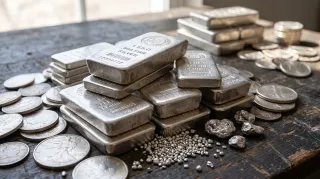
July 7, 2026 – Silver prices moved lower on Tuesday as investors assessed the outlook for industrial demand, while market participants remained cautious towards any of the global economic or manufacturing activitiesSpot silver traded near $62.08 per ounce, retreating from recent levels as traders evaluated the balance between strong long-term demand from industrial sectors and short-term market pressureIndustrial Demand Remains a Key DriverUnlike gold, silver is heavily influenced by industrial consumption due to its use in electronics, solar energy, and advanced technologies. Expectations surrounding global manufacturing activity continue to play an important role in determining the direction of silver prices.A stronger outlook for renewable energy investment and technology demand has provided Core support for the metal, limiting the downside pressure from recent market volatility.Silver Faces Pressure After Recent GainsSilver has struggled to maintain upward continuation after reaching elevated levels, with traders monitoring 24\7 , if current price movements represent a temporary correction or the beginning of a broader trend reversal.Economic indicators will always be the most important element for investors who monitor the core support levels that could lead to any signs of stabilization and potential recovery.Gold-Silver Relationship Draws Market AttentionThe performance gap between gold and silver remains a major focus for investors, as changes in the gold market often influence sentiment toward other precious metals.Market participants continue to track the gold-silver ratio to evaluate whether silver remains undervalued compared with gold or whether further adjustments may occur.Investors Await Fresh Market SignalsAttention is now shifting toward upcoming economic releases, manufacturing data, and global growth indicators that could influence demand expectations for silver.In the near term, silver prices are expected to remain sensitive to industrial demand trends, investor positioning, and broader movements across commodity markets.

07 July
Gold Prices Today: Gold Pulls Back as Stronger Dollar Weighs on Bullion

Gold Prices Today: Gold Pulls Back as Stronger Dollar Weighs on Bullion

July 7, 2026 – Gold prices today edged lower on Tuesday as the U.S. dollar remained firm, reducing the appeal of this precious metal for overseas buyers. While the stronger greenback pressured bullion, expectations of a less aggressive Federal Reserve and lingering geopolitical uncertainty continued to limit lossesSpot gold traded near $4,164 per ounce, while the U.S. gold futures hovered around $4,168 per ounce, with investors awaiting fresh signals from the Federal Reserve on the future path of interest rates Stronger Dollar Pressures GoldWhen it comes to gold prices today,Spot gold traded near $4,164 per ounce, while the U.S. gold futures hovered around $4,168 per ounce, with the firmer dollar reducing the appeal of bullion for overseas buyers. Market participants remained cautious ahead of the release of the Federal Reserve's meeting minutes, which could provide further clues on the outlook for interest ratesSafe-Haven Demand Limits Losses and Supports Prices Although a stronger dollar weighed on gold, ongoing geopolitical concerns and uncertainty surrounding the global economic outlook continued to support safe-haven demand. Analysts believe these factors could help prevent a sharper decline in bullion prices over the near term.Traders Await Fresh Market CatalystsAttention is now focused on the upcoming U.S. economic data and Federal Reserve communications for additional signals on the interest rate outlook. Gold is expected to stay sensitive to any of the upcoming movements in the U.S. dollar, Treasury yields, and broader risk sentiment in the near termInvestors are closely watching the release of the Federal Reserve's latest meeting minutes for additional clues on monetary policy. Market participants are extremely focused whether recent economic movements will encourage the banks to maintain a cautious stance on interest rates in the upcoming monthsThe market is waiting for new economic triggersTraders are now focused on the upcoming U.S. economic data and Federal Reserve commentary, which are expected to provide clearer direction for gold prices. In the short term, bullion is likely to remain sensitive to movements in the U.S. dollar, Treasury yields, and evolving expectations for interest rates

07 July
Oil Prices Fall as OPEC+ Output Increase Raises Supply Expectations

Oil Prices Fall as OPEC+ Output Increase Raises Supply Expectations

July 7, 2026 – Global oil prices declined on Monday after the OPEC+ alliance agreed to continue increasing production targets from August, reinforcing expectations of higher global supply while oil exports through the Strait of Hormuz continued to recover.According to Egypt's Ministry of Petroleum and Mineral Resources, Brent crude was trading at $71.96 per barrel, West Texas Intermediate (WTI) at $68.58, and the OPEC Reference Basket at $69.75.OPEC+ Decision Pressures Oil MarketOil prices came under pressure after OPEC+ agreed to proceed with another production increase beginning in August, signaling continued efforts to gradually restore supply to the global market.The additional output is expected to improve supply availability, easing concerns that had previously supported higher crude prices.Strait of Hormuz Exports RecoverMarket sentiment was also influenced by the continued recovery in oil exports through the Strait of Hormuz, one of the world's most important energy shipping routes.The normalization of exports from major producers has further strengthened expectations of improved supply conditions, contributing to the decline in crude prices.Markets Monitor Supply and Demand OutlookInvestors are now watching upcoming supply developments alongside global demand expectations to assess the direction of oil prices in the coming weeks.While geopolitical developments remain an important factor, traders continue to focus on production policies and global economic conditions as the primary drivers of the energy market.

07 July

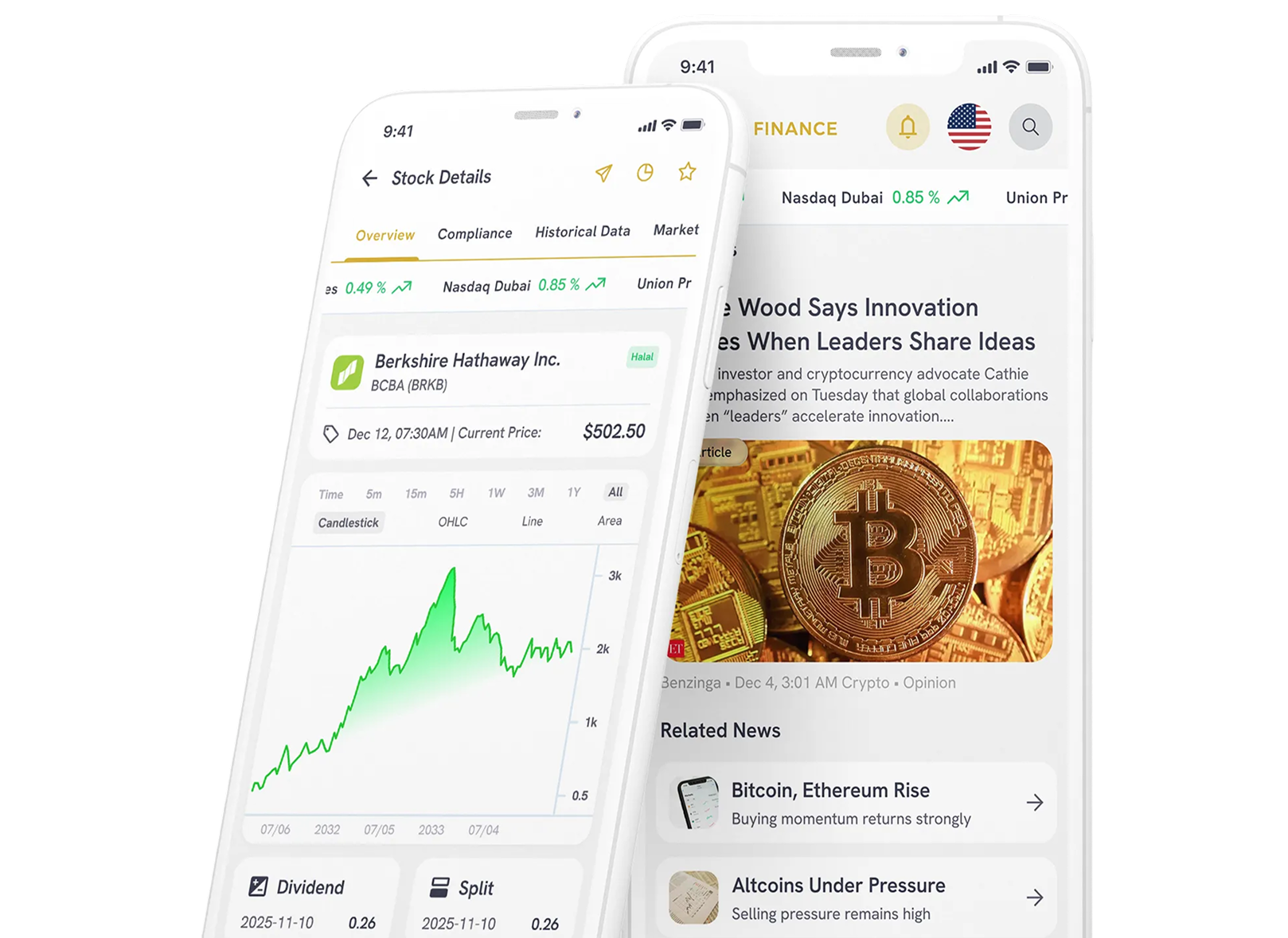
Track Global Markets in Real Time with UA Finance

Download the app now and access live financial data, expert analysis, and trusted economic news to follow stocks, forex, gold, and cryptocurrencies with ease.