Oil Prices Extend Gains as US-Iran Tensions Fuel Supply Concerns
© open source

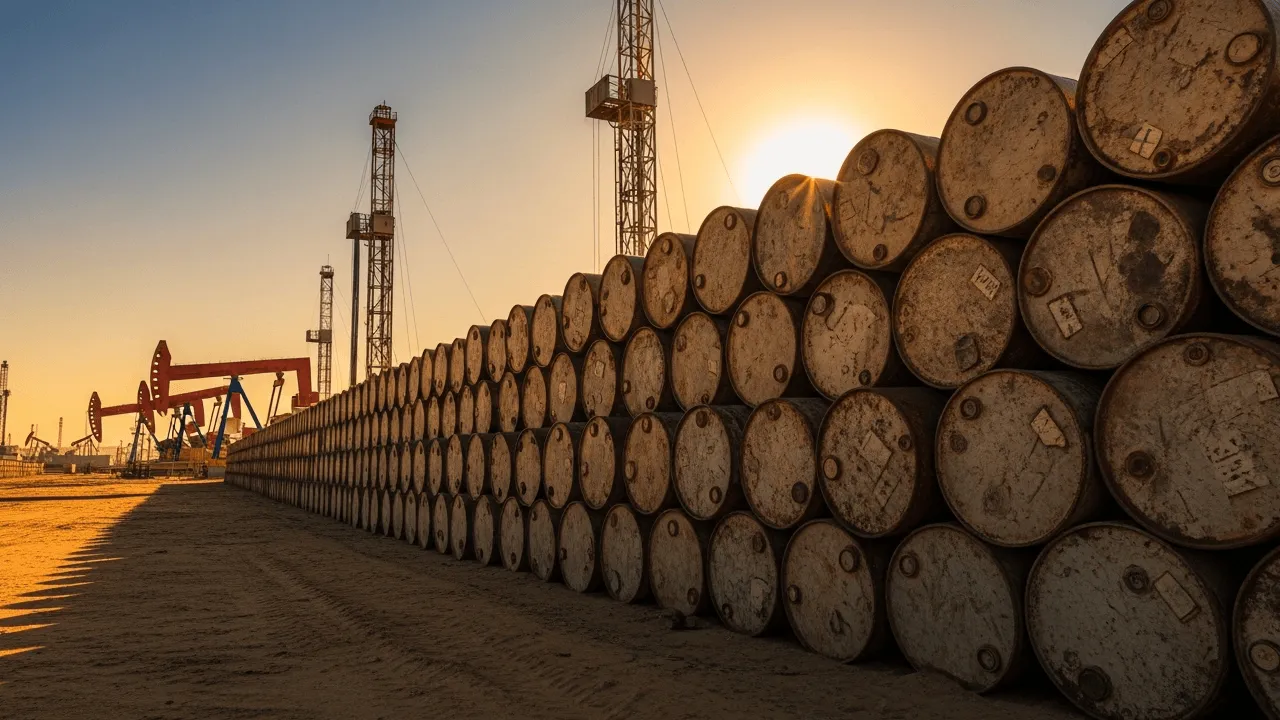
July 13, 2026 – Oil pricesextended their gains after renewed military tensions between the United States and Iran raised fresh concerns over global crude supplies and shipping through the Strait of Hormuz, one of the world's most important energy trade routes.


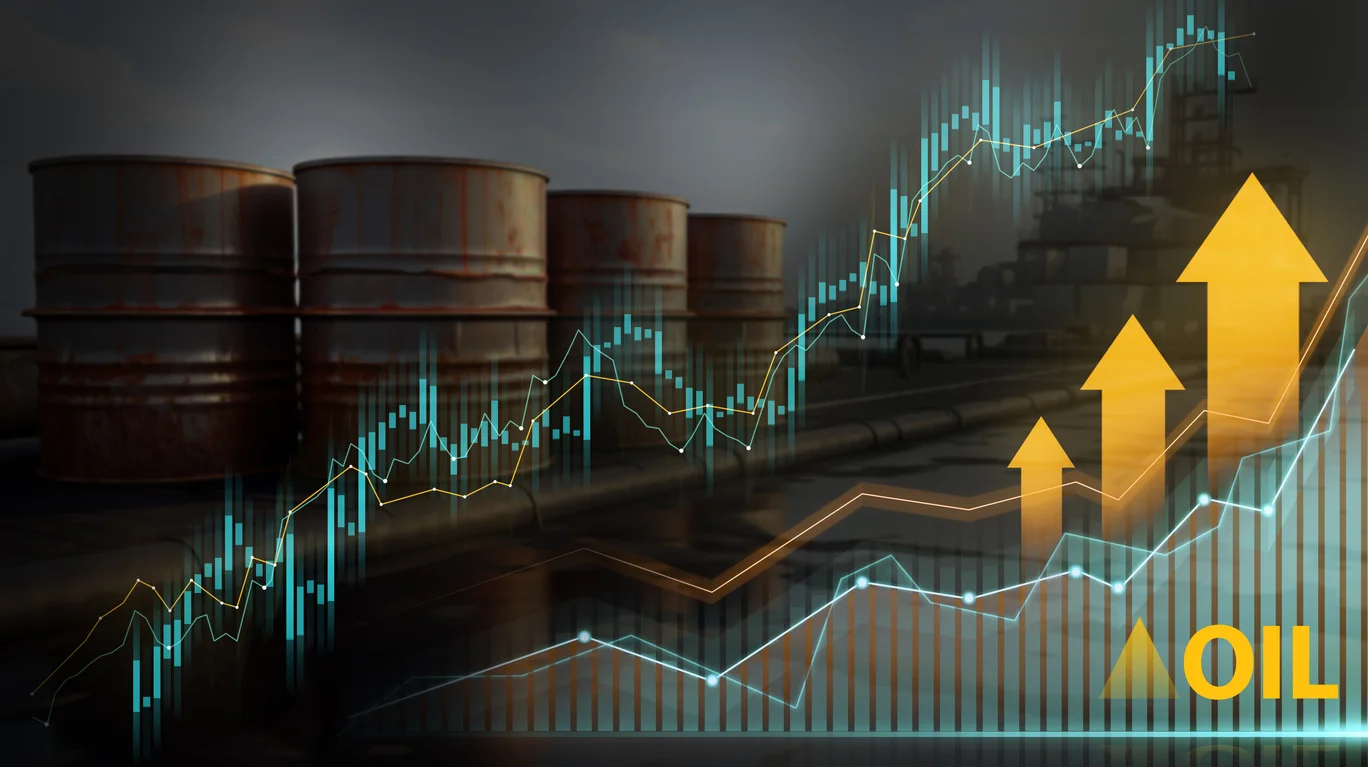
Brent crude traded at around $76.13 per barrel, while West Texas Intermediate (WTI) stood near $71.59. The OPEC Reference Basket was quoted at approximately $76.25 per barrel, reflecting continued volatility in global energy markets as investors monitored developments in the Middle East.


Strait of Hormuz Returns to Market Focus

The latest escalation between Washington and Tehran has renewed attention on the Strait of Hormuz, a strategic maritime corridor through which roughly one-fifth of the world's oil supply is transported.


Although oil exports have not experienced widespread disruptions, traders have increased the geopolitical risk premium, reflecting concerns that any further escalation could affect shipping activity, insurance costs, and energy supply chains.


Supply Risks Support Oil Prices

Beyond the immediate geopolitical developments, markets are also assessing the potential impact on future oil supply.


Analysts note that uncertainty surrounding Iranian exports and tanker traffic has strengthened expectations of tighter near-term supply, encouraging buying in crude futures despite ongoing concerns about slower global demand growth.


Investors Watch the Next Move

Attention is now turning to whether diplomatic efforts can ease tensions or whether further military action could prolong volatility in energy markets.


Oil prices are expected to remain highly sensitive to developments in the Middle East, while investors continue monitoring shipping activity, OPEC+ production policy, and global demand trends for additional direction.

Share this article

Read more

Related news

Oil Prices Extend Gains as US-Iran Tensions Fuel Supply Concerns

Oil Prices Extend Gains as US-Iran Tensions Fuel Supply Concerns

July 9, 2026 – Global oil prices continued to rise on Thursday as renewed military escalation between the United States and Iran heightened concerns over potential disruptions to energy supplies through the Strait of Hormuz, one of the world's busiest oil shipping routes. Brent crude approached $78.88 per barrel, while West Texas Intermediate (WTI) climbed to $74.37. The latest available OPEC Reference Basket stood at around $70.37 per barrel.Middle East Tensions Support Oil PricesOil markets remained under pressure after fresh U.S. strikes on Iranian targets reduced expectations for a near-term easing of regional tensions.Investors are increasingly concerned that prolonged instability could affect shipping through the Strait of Hormuz, a critical passage that carries a significant share of global crude oil exports. These concerns have added a geopolitical risk premium to oil prices despite previous expectations that higher OPEC+ production would improve global supply.Higher Oil Prices Could Affect EgyptEgypt is closely monitoring developments in global energy markets, as sustained increases in crude oil prices may raise the country's petroleum import costs and increase pressure on the state budget.Higher international oil prices can also influence future domestic fuel pricing reviews, particularly if geopolitical tensions continue to disrupt global energy markets.Markets Watch for Further DevelopmentsInvestors are now focused on whether diplomatic efforts can ease tensions or whether further disruptions to regional oil supplies will continue supporting higher crude prices.While global demand and OPEC+ production remain important market drivers, geopolitical developments in the Middle East are expected to remain the dominant factor shaping oil prices in the near term.

Donia Saad09 July
Oil Prices Rise as US Strikes Iran Renew Supply Concerns

Oil Prices Rise as US Strikes Iran Renew Supply Concerns

July 8, 2026 – Global oil prices climbed on Wednesday after the United States launched military strikes against Iran, raising concerns over potential disruptions to oil supplies through the Strait of Hormuz, one of the world’s most important energy shipping routes. According to market data, Brent crude traded at around $76.08 per barrel, while West Texas Intermediate (WTI) reached $72.26 per barrel. The OPEC Reference Basket was last recorded at $70.37 per barrel. Geopolitical Tensions Lift Oil Prices Oil prices moved higher as investors reacted to renewed tensions between Washington and Tehran, increasing fears that further escalation could disrupt crude exports from the Middle East. Market sentiment has also been affected by uncertainty surrounding shipping activity through the Strait of Hormuz, as it is considered a strategic waterway which carries a significant share of global oil exports. Egypt Closely Watches Energy Markets Higher global oil prices are closely monitored in Egypt, as they can increase the country’s energy import costs and place additional pressure on the state’s fuel subsidy bill and broader budget. Although domestic fuel prices are reviewed periodically, sustained increases in international crude prices could influence future pricing decisions if elevated market conditions persist. Markets Focus on Supply Risks Investors are now watching whether geopolitical tensions continue to affect oil production and shipping routes across the region. While recent OPEC+ production increases were expected to support global supply, renewed conflict in the Middle East has shifted market attention back toward potential supply disruptions and energy security.

Donia Saad08 July
Oil Jumps Over 2% as Iran Closes Strait of Hormuz

Oil Jumps Over 2% as Iran Closes Strait of Hormuz

​June 11, 2026 – The price of oil rose by over 2% after the announcement from Iran that the Strait of Hormuz was shut down due to new attacks on their facilities by the Americans. Brent crude rose to $94.58 per barrel, while U.S. West Texas Intermediate (WTI) increased to $91.74 per barrel.The price increase came amid fears about potential disruptions along this vital route for oil transport.Strait Closure Raises Supply ConcernsAccording to the statement by Iran’s highest joint military command, the closure of the Strait of Hormuz to oil tankers and other civilian ships was ordered, adding that the passing ships would risk facing a military force’s response.The Strait of Hormuz is strategically located and very important as far as global energy markets are concerned, since any problem associated with the passage of ships through the strait will definitely influence the price of oil and oil supplies.Traders Brace for Further VolatilityThe market is tracking news from the region, as uncertainty surrounding energy supplies continues to drive crude prices higher.According to analysts, the fact that the latest escalation makes a near-term resolution of the conflict less likely, ensuring that crude oil exports from the Persian Gulf remain limited.Energy Markets Focused on Next StepsNow, all attention is focused on any indications that could indicate either de-escalation or further military conflict, given the impact of events in the region on global commodities.As worries about supply increase, there is a likelihood that oil markets will continue to react to political news in the days ahead.

UA Finance11 June
Oil Rises Nearly 1% as US Strikes on Iran Tighten Supply

Oil Rises Nearly 1% as US Strikes on Iran Tighten Supply

​June 10, 2026 — Oil prices climbed nearly 1% after the United States launched fresh military strikes on Iran, reigniting concerns over supply disruptions from the Middle East and tightening global crude availability. Brent crude rose to around $91–$92 per barrel, while West Texas Intermediate also posted gains as traders reacted to escalating geopolitical risk. US-Iran Tensions Drive Market VolatilityThe latest escalation adds to already fragile conditions in the region, with ongoing clashes between U.S. and Iranian forces raising fears of further disruptions in key shipping routes, including the Strait of Hormuz. Markets remain highly sensitive to developments that could impact global oil flows, particularly given the strategic importance of the region for energy exports.Supply Concerns Support Oil PricesDespite short-term volatility, underlying support for crude comes from tightening supply conditions, including declining inventories in the United States.Analysts note that repeated disruptions and geopolitical uncertainty are helping prevent a deeper correction in oil prices, even after recent swings in sentiment.Traders Focus on Further Escalation RiskInvestors are closely watching whether the conflict intensifies or stabilizes, as any further escalation could push prices higher due to fears of broader supply chain disruptions in global energy markets.

UA Finance10 June
Oil Prices Rise as Middle East Hostilities Escalate

Oil Prices Rise as Middle East Hostilities Escalate

​June 3, 2026 — Oil prices moved higher on Wednesday as fresh hostilities in the Middle East and stalled diplomatic efforts increased concerns about global energy supplies and shipping routes.Oil Extends Recent GainsBrent crude rose toward $97 per barrel while U.S. West Texas Intermediate crude traded near $95 per barrel as traders reacted to renewed geopolitical risks and supply concerns.Renewed Regional Tensions Support PricesMarket sentiment was driven by reports of new military exchanges in the Gulf region, raising fears that instability could affect energy infrastructure and shipping activity.Diplomatic Efforts Face ObstaclesInvestors also monitored developments in negotiations involving the United States and Iran. Limited progress in talks added uncertainty to the outlook for regional stability.Strait of Hormuz Remains in FocusThe Strait of Hormuz continued to attract close attention from traders because of its importance to global crude exports. Any disruption could significantly affect energy markets.Supply Concerns Add SupportFalling U.S. crude inventories and warnings about tight global oil supplies contributed to upward pressure on prices, reinforcing concerns about market balances ahead of peak summer demand.Markets Await Further DevelopmentsTraders are expected to remain focused on geopolitical headlines, inventory data, and diplomatic developments for clues about the next direction in oil markets.

UA Finance03 June
Oil Climbs as Iran Talks Keep Supply Risks Alive

Oil Climbs as Iran Talks Keep Supply Risks Alive

​ Another sharp move in oil markets on May 12, 2026, as fragile Iran talks revived fears over global crude supplies. Trader closely monitored tensions around the Strait of Hormuz after oil benchmarks rallied strongly a day earlier. Oil Prices Rise as Supply Concerns Shake Markets Oil prices climbed on Tuesday, with Brent crude rising 0.8% to $105.07 per barrel while U.S. West Texas Intermediate gained 1% to $99.06. The advance came as negotiations linked to the U.S.-Iran conflict appeared increasingly uncertain, keeping supply risks firmly in focus. Iran renewed its emphasis on sovereignty over the Strait of Hormuz, the critical route that handles nearly one-fifth of global oil and LNG flows. “When the market senses disruption, crude rarely stays quiet,” the energy desk noted during Asian trading. Hormuz Tensions Add Fresh Pressure to Oil Market Supply worries deepened after OPEC output reportedly fell to its lowest level in over two decades. Analysts also forecast a 1.7 million-barrel drop in U.S. crude inventories last week, reinforcing bullish momentum across oil markets.

UA Finance12 May
Oil Jumps as Iran Denies US Talks, Supply Risks Return

Oil Jumps as Iran Denies US Talks, Supply Risks Return

oil prices advanced as markets recalibrated supply expectations following Iran’s firm denial of talks with the United States. The oil market reacted swiftly, with supply risk sentiment returning to the forefront.Oil Surges as Supply Concerns Resurface—What’s Driving the Rally?Oil prices edged higher in volatile trading, as investors weighed geopolitical uncertainty after Iran rejected claims of negotiations with the United States. The oil rally reflects renewed anxiety over potential disruptions, with traders increasingly pricing in risk premiums.Like a market whisper turning into a roar, the absence of diplomatic progress has reignited fears that supply flows could tighten. The oil market, typically sensitive to geopolitical signals, responded almost immediately—highlighting how fragile sentiment remains.Market Mood Shifts with Geopolitical signalsInvestor positioning shifted as headlines altered expectations around stability in key oil-producing regions. While broader global markets remained cautious, energy traders focused sharply on the evolving narrative.Reports indicate the oil gains were also supported by underlying demand resilience, even as uncertainty lingered. The combination of steady consumption and geopolitical friction created a fertile ground for price support.A Delicate Balance AheadLooking forward, the oil market appears caught between competing forces: steady demand on one side and geopolitical unpredictability on the other. The current environment underscores a familiar market reality: uncertainty continues to dominate sentiment, sustaining volatility.

UA Finance28 March
Oil Price Shock Sends Global Markets Reeling

Oil Price Shock Sends Global Markets Reeling

How Are Middle East Tensions Affecting Oil Market Volatility? Middle East geopolitical tensions are affecting oil market volatility in terms of potential disruptions in oil supply via major shipping lanes, particularly the Strait of Hormuz, a critical shipping route for a significant share of global oil production. The threat of military actions and sanctions against major oil-producing nations is causing trader concerns, which is leading to a sharp increase in oil price volatility. Moreover, investor sentiment is also being driven by comments from regional and global policymakers, which are shaping market sentiment. Why Are Oil Prices Surging Amid Middle East Tensions? The reason for rising oil prices is geopolitical tensions, which are creating supply disruptions, uncertainties, and risk premiums for investors. · Strategic Export Concerns: There are issues regarding the export of crude oil from key oil-producing countries. · Strait of Hormuz Vulnerability (chock point): This is an important shipping route, and if there is any blockade, the supply of oil may be affected. · Heightened Investor Nervousness: Uncertainty has caused investors to increase their futures, thereby driving up oil prices. · Potential Policy Shocks: There is a possibility that sanctions or policies implemented against oil-producing countries will limit global supply. · Rise of Global Energy Prices: An increase in crude oil prices would lead to increased fuel prices and production costs, thereby raising inflationary expectations. · Speculative Market Reactions: Speculative trading and hedge fund adjustments may react to news of geopolitical tensions. Markets Brace as Oil Volatility Highlights Global Economic Risks The global financial markets are on edge as rising oil prices, fueled by tensions in the Middle East, are reminding investors of the risks to oil supplies. Investors are keeping a keen eye on oil prices, inflation, and geopolitical tensions, which could impact financial markets and future trends.

UA Finance12 March

Track Global Markets in Real Time with UA Finance

Download the app now and access live financial data, expert analysis, and trusted economic news to follow stocks, forex, gold, and cryptocurrencies with ease.