
Financial Markets News & Live Economy Updates

Breaking financial news with the latest on stocks, currencies, commodities, crypto, and the global economy.

Oil Prices Stay Elevated as Markets Price in Prolonged Supply Risks

Oil Prices Stay Elevated as Markets Price in Prolonged Supply Risks

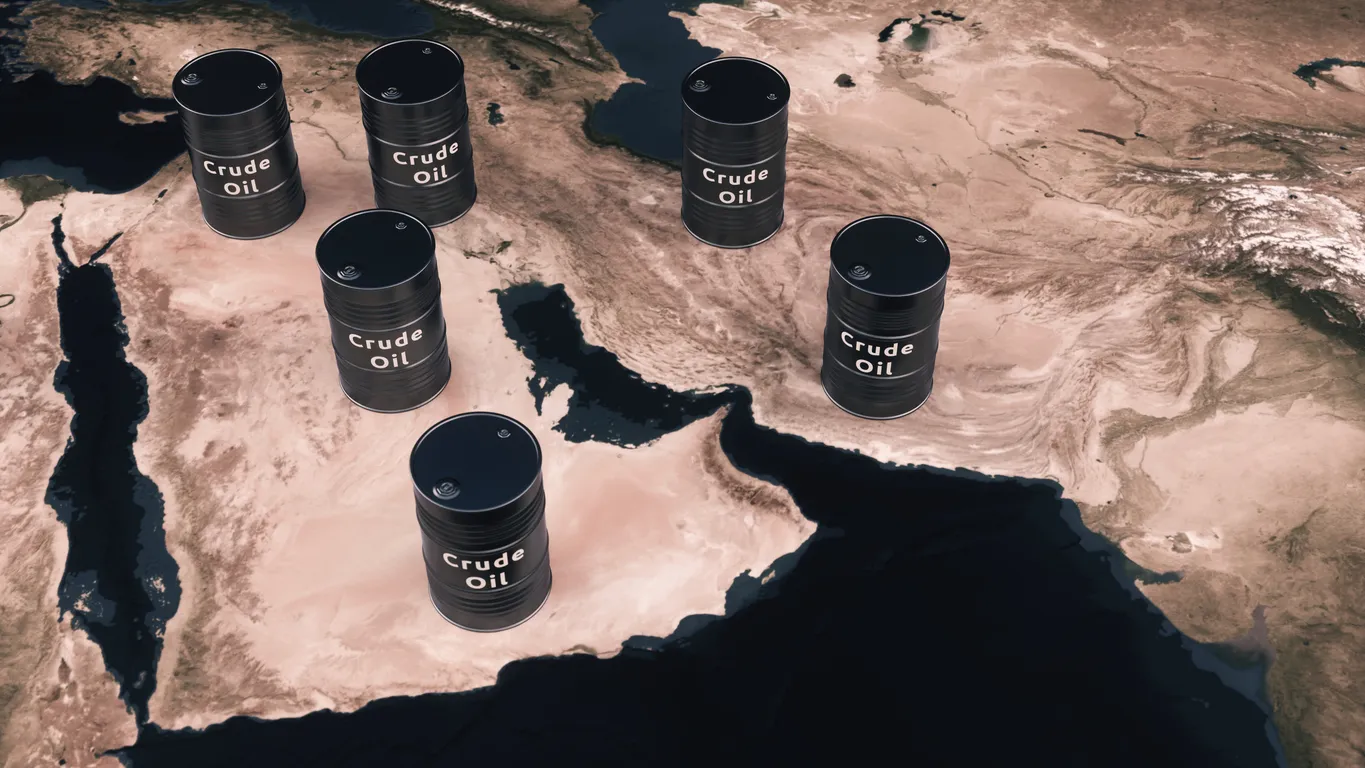
July 21, 2026 –Global oil prices remained near recent highs as investors continued to price in geopolitical risks across the Middle East, with concerns over shipping routes and regional supply supporting crude despite hopes for renewed diplomatic efforts. Brent crude traded near $84 per barrel, while WTI hovered around $80 per barrel. The OPEC Reference Basket also remained elevated, reflecting broader strength across global crude benchmarks. Geopolitical Premium Supports Crude Oil markets continue to factor in a geopolitical premium as tensions involving the United States, Iran, and regional shipping routes remain unresolved. Although no major production outages have been reported, uncertainty surrounding the Strait of Hormuz and broader Middle East security continues to underpin prices. Supply Outlook Keeps Volatility High Analysts note that ample global supply and the possibility of additional production from major exporters have prevented a sharper price surge.However, traders remain cautious, with any disruption to shipping or energy infrastructure capable of triggering another wave of volatility. Markets Monitor Diplomatic Developments Attention is now focused on geopolitical developments and producer policy, which are expected to remain the primary drivers of oil prices in the near term. Any easing of regional tensions could reduce the current risk premium, while further escalation may keep crude prices supported.

Microsoft Plans $80 Billion AI Data-Center Investment to Power Future Cloud Growth

Microsoft Plans $80 Billion AI Data-Center Investment to Power Future Cloud Growth

Could Microsoft’s $80 Billion AI Data-Center Plan Transform the Future of Cloud Computing? Artificial intelligence is rapidly reshaping the global technology industry, and Microsoft is preparing to make one of the largest infrastructure investments in its history. According to CNN, the company plans to invest around $80 billion to expand AI-enabled data centers designed to support the next generation of artificial intelligence systems. The massive investment reflects the rising need for powerful computing infrastructure required to train and operate advanced AI models. As businesses adopt AI tools at a faster pace, technology companies are racing to build the digital backbone that powers these innovations. AI Infrastructure Investment Accelerates Global Cloud Computing Growth The planned expansion highlights how AI infrastructure investment is becoming a key driver of cloud computing growth. Large data centers equipped with high-performance processors, specialized AI chips, and massive storage systems are essential for training complex machine learning models. Microsoft has been steadily increasing its global data-center footprint to support its cloud platform, Microsoft Azure. The platform powers a wide range of AI applications, from business analytics and automation tools to generative AI systems used by developers and corporations. With companies across industries integrating artificial intelligence into their operations, demand for reliable cloud infrastructure continues to surge. This has pushed major technology firms to increase capital spending on servers, networking equipment, and energy-efficient data facilities. AI Data-Center Expansion Fuels the Next Phase of Digital Innovation The planned AI data-center expansion also reflects growing competition among technology companies to dominate the artificial intelligence ecosystem. Firms are investing billions into computing infrastructure that can handle the enormous data processing requirements of modern AI systems. Advanced AI models require vast computational power, often running on thousands of processors simultaneously. As a result, data centers have become the backbone of the global AI economy, enabling research, enterprise applications, and large-scale digital services. Industry analysts believe that investments in AI computing infrastructure will continue rising as companies expand their AI capabilities and digital transformation strategies. What This Investment Means for the Future of Artificial Intelligence The $80 billion investment plan signals how central artificial intelligence has become to the future of the technology sector. By expanding its global data-center network, Microsoft aims to strengthen its leadership in cloud services while supporting the rapidly growing demand for AI-powered applications. For businesses and investors alike, the move highlights a broader trend: the companies that build the most powerful AI infrastructure today are likely to shape the next era of innovation in the global digital economy.

UA Finance16 March
Bitcoin Gains 6% Weekly as ETF Demand Counters Conflict

Bitcoin Gains 6% Weekly as ETF Demand Counters Conflict

Bitcoin gained renewed attention after recording a notable weekly rise driven by institutional demand on Sunday, March 15, 2026. The Bitcoin rally came despite ongoing regional tension, as exchange-traded fund inflows helped lift market sentiment. Bitcoin Rises as Institutional Demand Offsets Conflict Fears Recent market activity highlights how Bitcoin maintained momentum even as geopolitical tensions weighed on broader markets. According to reports cited by major financial outlets, demand from spot Bitcoin ETFs and institutional accumulation helped support the cryptocurrency, contributing to an approximately 6% weekly gain. The development underscores how investors continue to treat Bitcoin as a strategic asset during periods of uncertainty. What Helped Push Bitcoin Higher? Several factors shaped the latest movement in Bitcoin markets: · ETF inflows: Institutional investors directed fresh capital into spot Bitcoin exchange-traded funds. · Institutional accumulation: Large investment firms continued increasing exposure to Bitcoin, tightening available supply. · Market resilience: Despite geopolitical concerns, Bitcoin prices remained supported by sustained demand. Together, these elements helped reinforce positive sentiment surrounding Bitcoin during a week marked by global uncertainty. A Week of Momentum for Bitcoin The latest rise highlights how Bitcoin continues to respond strongly to institutional flows and ETF demand. While geopolitical developments remain a key market backdrop, the growing presence of regulated investment vehicles has strengthened Bitcoin’s position within global financial markets. For investors, the week offered another reminder that Bitcoin typically moves on a mix of macro events and institutional participation, keeping the cryptocurrency firmly in the spotlight.

UA Finance16 March
⁠U.S. Dollar Pulls Back as Trump Signals Possible End to Iran War

⁠U.S. Dollar Pulls Back as Trump Signals Possible End to Iran War

U.S. Dollar Falls After Trump Comments on Iran ConflictThe U.S. dollar pulled back on Monday after President Donald Trump suggested the conflict with Iran could be nearing an end, reversing earlier gains driven by safe-haven demand. According to Investing.com, the dollar had climbed to a three-month high as the U.S.-Israel war with Iran pushed oil prices sharply higher and raised concerns over global growth before turning lower later in the session.Safe-Haven Rally Fades as Oil Prices ReverseThe Dollar Index rose as much as 0.6% during the session before slipping 0.1% to 99.557, wiping out its advance after Trump’s comments. The dollar had been supported by a sharp jump in crude prices after U.S. and Israeli strikes on Iranian oil facilities and disruption in the Strait of Hormuz raised fears of a wider supply shock.That support faded later in the day as oil prices pulled back and investors reacted to Trump’s suggestion that the war was already much further along than initially expected. Reports that G7 countries could discuss emergency oil reserve releases also helped cool market panic and reduced immediate demand for the dollar as a safe haven.The euro also remained in focus, with EUR/USD trimming losses but still facing pressure from rising energy import costs and weaker growth expectations in Europe. As long as the Iran conflict continues to influence oil prices and risk sentiment, both the U.S. dollar and the euro are likely to remain volatile.Dollar Loses Steam as Iran War Fears EaseThe dollar fell back after investors became less worried that the Iran war would last longer. Earlier, the U.S. dollar had moved higher as traders looked for safer assets, but Trump’s comments and the decline in oil prices changed market sentiment. For now, the dollar is still likely to react quickly to any new developments in the Iran war.

UA Finance16 March
Guidewire CFO Sells $755K in Shares.

Guidewire CFO Sells $755K in Shares.

On Saturday, March 14th, 2026, Jeffrey Elliott Cooper, the Chief Financial Officer of Guidewire Software, disposed of shares worth around $755,031, as disclosed in a regulatory filing. It comes at a time when the company’s shares are trading around $160 and are under valuation pressure despite high recurring revenue growth. Guidewire CFO Stock Sale Highlights Insider Activity. Jeffrey Elliott Cooper, Guidewire Software’s Chief Financial Officer, has recently sold 4,757 shares of the company’s common stock for $158.72 per share, resulting in an aggregate sale of approximately $755,031, based on a Form 4 filing with the United States Securities and Exchange Commission. This sale took place on March 13, 2026, during the open window period for trading in the company’s common stock in accordance with the firm’s insider trading policy. After the transaction, Cooper still holds 67,996 shares of Guidewire Software stock, suggesting that he still retains a substantial interest in the enterprise software company. However, it is interesting to note that the transaction was not made under a pre-arranged trading plan under Rule 10b5-1, as the executive had terminated the plan in early February 2026. This sale comes at a time when Guidewire’s shares are currently valued at 160, with the firm maintaining a market capitalization of approximately 13.6 billion, despite 36% decline in the last six months. Why This Matters? Insider trading announcements may catch investors’ attention as they may signal management’s attitude or concerns about the stock’s valuation or financial planning. Here are key points: · Insider sales can be an indicator of market sentiment: Investors are particularly interested in insider transactions, as they believe that company insiders are better aware of the company’s performance and plans · Transaction Was Not Pre-Scheduled: Unlike many insider transactions that are under pre-scheduled automatic Rule 10b5-1 trading plans, this sale was not pre-scheduled, which is why it is under scrutiny. · Significant Remaining Stake: Although the sale occurred, the CFO still retained ownership of almost 68,000 shares, indicating a financial connection to the company’s future financial performance. · Stock Performance Under Pressure: Guidewire shares have declined by over 30% over the last six months, reflecting the volatility of enterprise software stocks. · Strong Business Momentum: The recent financial results announced a 22 percent growth in annual recurring revenue, which shows that the company’s cloud-based insurance software platform continues to gain traction. · Analysts Remain Divided: Some analysts are sticking with Buy or Outperform ratings, while others are expressing concerns about the high valuation multiples in the software sector. Reading Between the Trades. In my Opinion, while share sales by executives may not necessarily be negative, they may be part of a diversification or financial planning strategy. In the highly fluctuating technology sector, investors gain valuable insight from the actions of insiders.

UA Finance16 March
Bitcoin Jumps 3% as Crypto Remains Resilient Despite Iran War

Bitcoin Jumps 3% as Crypto Remains Resilient Despite Iran War

Bitcoin Climbs as Markets React to Hopes of Iran War De-EscalationAccording to Yahoo Finance and Investing.com, Bitcoin moved higher as broader market sentiment improved after President Donald Trump suggested the Iran war could be closer to ending than expected. The rebound came after a volatile stretch across global markets, with traders reacting to swings in oil prices, ongoing tension around the Strait of Hormuz, and changing expectations around inflation and risk appetite. Crypto Gains Strength as Oil Reverses and Risk Sentiment ImprovesBloomberg, via Yahoo Finance, reported that Bitcoin rose as much as 3.4% to $69,523 in New York, while smaller tokens such as Ether and Solana also advanced. Investing.com similarly reported that Bitcoin gained about 3% after falling below $66,000 earlier in the session, as Trump’s comments helped calm some of the market stress triggered by the conflict with Iran. The move came after oil had surged above $100 as the war disrupted tanker traffic through the Strait of Hormuz, before reversing lower as hopes of de-escalation grew.Another factor supporting crypto was persistent institutional demand. Investing.com reported that Strategy bought another 17,994 Bitcoin for about $1.28 billion between March 2 and March 8, while the company’s SEC filing showed its total holdings rose to 738,731 BTC. That helped reinforce the view that Bitcoin was still attracting buyers even during a period of geopolitical stress and wider market volatility.Bitcoin Stays in Focus as Iran War Headlines Drive VolatilityOverall, Bitcoin held up well as markets reacted to shifting headlines around the Iran war, oil prices, and global risk sentiment. While the latest move reflected relief that the conflict may not escalate further, the market remains sensitive to any new developments. For now, Bitcoin and the broader crypto market are still trading in a highly reactive environment where geopolitical news can quickly change direction.

UA Finance16 March
: Gold Rises After Oil-Reserve Release Report Eases Market Shock

: Gold Rises After Oil-Reserve Release Report Eases Market Shock

Gold Climbs as Oil-Reserve Proposal Calms Part of the Market According to Bloomberg in a report carried by Yahoo Finance on March 11, 2026, gold advanced after news emerged that the International Energy Agency was considering what could become the largest oil-stockpile release in its history to soften the latest energy shock. The move helped cool some inflation worries tied to soaring crude prices, but bullion still found support from ongoing geopolitical uncertainty in the Middle East. The market reaction reflected a mixed but logical pattern. As oil lost some momentum on expectations of emergency supply action, while gold stayed firm because investors were still looking for protection from war-related uncertainty and broader macro risks. That combination allowed the precious metal to hold its safe-haven appeal even as part of the inflation scare eased. Gold Holds Firm as Traders Weigh Oil Relief Against War Risks Reuters reported on March 11, 2026, that spot gold rose 0.1% to $5,198.29 an ounce, while oil prices dropped below $90 a barrel after reports that the IEA had proposed a record strategic reserve release. Reuters also said the plan would exceed the 182 million barrels released by IEA member nations in 2022 after Russia’s invasion of Ukraine, though the proposal still required discussion among member countries before any actual release could begin. At the same time, support for gold did not disappear because the broader conflict remained unresolved. Reuters noted that the war had effectively shut the Strait of Hormuz, a major global energy chokepoint, while G7 energy ministers said they supported the use of strategic reserves in principle. That left traders balancing two forces at once: lower immediate inflation pressure from a possible oil release and higher long-term uncertainty from continued regional instability. H3: Gold Still Benefits From Uncertainty Despite Easing Oil Pressure In the end, gold’s rise shows that even if policymakers manage to ease the oil shock, investor demand for defensive assets remains strong. The prospect of emergency crude supply has reduced some near-term inflation anxiety, but persistent conflict risk and expectations around upcoming U.S. inflation data and Federal Reserve policy continue to keep bullion well supported.

UA Finance16 March
Japan & South Korea Ready to Counter FX Volatility

Japan & South Korea Ready to Counter FX Volatility

Breaking: Japan & South Korea Ready to Counter FX Volatility—Markets on Alert On Saturday, March 14, 2026, in a coordinated statement following their annual finance ministers’ meeting in Tokyo, Japan, and South Korea signaled readiness to act against sharp FX volatility as their currencies face downward pressure amid global market turmoil and heightened uncertainty. Reuters confirms that both nations expressed serious concerns over the foreign exchange volatility in recent sessions and pledged to respond if disorderly currency movements threaten economic stability. FX Volatility Takes Center Stage In a joint declaration, finance ministers from both Seoul and Tokyo highlighted the unexpected depreciation in the foreign exchange market. Amid rising demand for the U.S. dollar as a safe haven, foreign exchange volatility has intensified: · The Japanese yen has weakened, nearing critical thresholds. · The South Korean won has also shown declines against the dollar. · Both governments indicated they will monitor market dynamics closely and intervene if necessary to curb excessive FX volatility and support financial stability. What This Means for Markets As global risk sentiment remains fragile, the finance ministers’ readiness to address FX volatility underscores the economic sensitivity to rapid currency swings. This joint posture reflects shared concerns about potential impacts on trade, inflation, and broader financial conditions.

UA Finance16 March
Gold Rises After Oil-Reserve Release Report Eases Market Shock

Gold Rises After Oil-Reserve Release Report Eases Market Shock

Gold Climbs as Oil-Reserve Proposal Calms Part of the Market According to Bloomberg in a report carried by Yahoo Finance on March 11, 2026, gold advanced after news emerged that the International Energy Agency was considering what could become the largest oil-stockpile release in its history to soften the latest energy shock. The move helped cool some inflation worries tied to soaring crude prices, but bullion still found support from ongoing geopolitical uncertainty in the Middle East. The market reaction reflected a mixed but logical pattern. As oil lost some momentum on expectations of emergency supply action, while gold stayed firm because investors were still looking for protection from war-related uncertainty and broader macro risks. That combination allowed the precious metal to hold its safe-haven appeal even as part of the inflation scare eased. Gold Holds Firm as Traders Weigh Oil Relief Against War Risks Reuters reported on March 11, 2026, that spot gold rose 0.1% to $5,198.29 an ounce, while oil prices dropped below $90 a barrel after reports that the IEA had proposed a record strategic reserve release. Reuters also said the plan would exceed the 182 million barrels released by IEA member nations in 2022 after Russia’s invasion of Ukraine, though the proposal still required discussion among member countries before any actual release could begin. At the same time, support for gold did not disappear because the broader conflict remained unresolved. Reuters noted that the war had effectively shut the Strait of Hormuz, a major global energy chokepoint, while G7 energy ministers said they supported the use of strategic reserves in principle. That left traders balancing two forces at once: lower immediate inflation pressure from a possible oil release and higher long-term uncertainty from continued regional instability. Gold Still Benefits From Uncertainty Despite Easing Oil Pressure In the end, gold’s rise shows that even if policymakers manage to ease the oil shock, investor demand for defensive assets remains strong. The prospect of emergency crude supply has reduced some near-term inflation anxiety, but persistent conflict risk and expectations around upcoming U.S. inflation data and Federal Reserve policy continue to keep bullion well supported.

UA Finance16 March
India Secures Safe Passage for LPG Tankers Through Hormuz

India Secures Safe Passage for LPG Tankers Through Hormuz

On Saturday, March 14, 2026, India achieved a rare diplomatic breakthrough by securing safe passage for LPG tankers through the shuttered Strait of Hormuz amid ongoing West Asia tensions, helping safeguard crucial energy supplies and easing disruption fears tied to the global supply chain. This development highlights India’s efforts to protect its energy imports and maintain stability in LPG shipping routes. Passage Secured Through Critical Waterway Despite broader restrictions on maritime traffic through the strait during the regional conflict, two India-flagged LPG tankers—Shivalik and Nanda Devi—were permitted to transit the Strait of Hormuz and are now bound for India. · Strategic LPG route: The strait remains a vital artery for energy shipments linking the Persian Gulf to global markets. · Diplomatic effort: India engaged in high-level talks to facilitate this exemption amid heightened tensions. · Escorted transit: The sailing—reportedly under naval escort—shows cooperation despite reduced shipping traffic due to conflict. What This Means In a tense geopolitical backdrop where many vessels avoid the strait, India’s success in securing LPG tanker transit marks a meaningful move to uphold energy security and ease supply concerns without escalating regional conflict dynamics.

UA Finance16 March
Trump Says Iran War May Be Near Its End, but Oil Risks Remain

Trump Says Iran War May Be Near Its End, but Oil Risks Remain

Trump’s Comments Eased Markets, but Oil Risks Are Still There According to Yahoo Finance on March 11, 2026, President Donald Trump said the Iran war was “very complete, pretty much,” which helped push oil prices lower and lifted market sentiment. But the bigger oil problem did not go away, because the market is still dealing with real supply risks in the Gulf. Reuters reported that even after Trump’s comments, the Strait of Hormuz remained badly disrupted. That matters because about one-fifth of the world’s oil and liquefied natural gas normally passes through that route. As long as shipping there stays under pressure, oil traders are unlikely to feel fully calm. The Strait of Hormuz Is Still the Main Problem Reuters reported on March 10 that Iran had threatened to keep blocking oil flows until attacks stopped, while the war had already effectively halted normal shipments through the Strait of Hormuz. That means the market is not only reacting to headlines from Trump, but also to a physical bottleneck in one of the world’s most important energy routes. Reuters also reported on March 11 that oil prices rebounded after an early drop because traders doubted whether a possible record release of emergency reserves by the International Energy Agency would be enough to offset the supply shock. In other words, even if governments step in, the market still sees a real shortage risk if the Gulf crisis continues. A Calmer War Headline Does Not Mean a Calmer Oil Market Eventually, Trump’s remarks may have helped markets for a moment, but they did not fix the core issue. The oil market is still focused on disrupted shipping, tight supply, and the risk that the Iran war could flare up again. That is why the oil crisis is not solved yet. Until the Strait of Hormuz works normally again and traders believe supply is secure, oil prices are likely to stay sensitive to every new headline from the region.

UA Finance16 March
Egyptians Feel Iran War Shockwaves as Fuel Prices Jump

Egyptians Feel Iran War Shockwaves as Fuel Prices Jump

Egypt Feels the Impact of the Iran War as Fuel Costs Rise On March 10, 2026, AFP reported in a France 24 story that Egyptians were feeling the shock of the Iran war after the government raised fuel prices. Reuters also reported that Egypt increased domestic fuel prices by 14% to 17% as global energy markets were hit by the conflict and supply disruption fears. The price hike matters because fuel affects almost everything in daily life, from transport to food delivery and business costs. In a country already dealing with high inflation and economic pressure, higher fuel prices are likely to add more strain on households. Egypt Raised Petrol and Diesel Prices Across the Board Reuters said the new prices took effect on Tuesday, with diesel rising to 20.50 Egyptian pounds per liter from 17.50, while gasoline prices moved up to between 20.75 and 24 pounds per liter depending on the grade. Ahram Online reported the same updated rates and said the government pointed to “exceptional conditions” in global energy markets. Reuters added that this was Egypt’s first fuel price increase of 2026. The move came after oil and gas prices jumped during the Iran war, with officials warning that the crisis was pushing up import costs and subsidy pressure. Higher Fuel Prices Add to Egypt’s Economic Pressure The fuel increase is not just a short-term market story. Reuters reported that the war is testing Egypt’s already fragile economy by raising energy costs, hurting exports, and adding pressure on the Egyptian pound. The report said the conflict has also triggered foreign outflows from Egypt’s treasury market. In conclusion, the Iran war is now affecting everyday life in Egypt. As long as global energy markets stay under pressure, fuel prices and living costs may remain a major concern for Egyptian consumers.

UA Finance15 March
BofA Expects Higher Interest Income and Investment Banking Fees in Q1

BofA Expects Higher Interest Income and Investment Banking Fees in Q1

BofA Sees Stronger Revenue in the First Quarter On March 10, 2026, Reuters reported that Bank of America expects net interest income to grow by at least 7% in the first quarter, while investment banking fees are expected to rise 10%. The update came from Co-President Dean Athanasia at a conference in New York. The bank also said global markets revenue is set to rise by a low double-digit percentage. Reuters noted that market volatility has helped this business deliver its 16th straight quarter of year-on-year growth. Lower Deposit Costs and Market Activity Help BofA Reuters said Bank of America had already forecast 5% to 7% growth in net interest income for the full 2026 fiscal year. Net interest income is the difference between what a bank earns on loans and what it pays on deposits. According to Reuters, US banks have benefited as older fixed-rate assets were replaced over time with higher-yielding assets. The report also said the Federal Reserve’s rate cuts in late 2025 helped banks lower deposit costs, which supported earnings. BofA Says Consumer Spending and Credit Quality Remain Solid Reuters also reported that consumer spending is still rising at a 5% annual rate and that credit quality remains in good shape, according to Athanasia. He added that final rules for large-bank capital requirements could lower the amount of capital the bank needs to hold. Overall, the outlook suggests Bank of America entered the first quarter with support from higher interest income, stronger deal activity, and active markets. That gave investors a more positive view of the bank’s near-term performance.

UA Finance15 March
New Inflation Data Is Due Wednesday. Here’s What Markets Are Watching

New Inflation Data Is Due Wednesday. Here’s What Markets Are Watching

Markets Wait for New Inflation Data as War Risks Add Pressure On March 10, 2026, CNBC highlighted Wednesday’s inflation report as a key event for traders. Reuters reported on March 11 that economists expected the US Consumer Price Index to rise 0.3% in February, with annual inflation seen at 2.4%, as gasoline costs moved higher even before the Iran conflict pushed energy prices up further. That is why markets are treating this report as more than just a normal data release. Investors are trying to see whether inflation was already picking up before the latest Middle East shock, and whether higher oil prices could make the next few readings even tougher. A Hot CPI or a Soft CPI Could Move Stocks in Different Ways Reuters reported that US stock futures were subdued in volatile trading as investors watched crude prices and waited for the inflation report. If CPI comes in hotter than expected, markets may worry that the Federal Reserve will keep rates higher for longer, which can pressure stocks and lift Treasury yields. If the number is softer, it could ease some of that pressure and support risk assets. The Iran conflict has made this report even more important. Reuters and AP both said oil and gas prices have jumped as the war disrupted flows through the Strait of Hormuz, raising concerns that inflation could climb further in March and the months ahead. That means traders are not just looking at February inflation by itself. They are also trying to judge what comes next. Why This Inflation Report Matters More Than Usual This CPI report could shape the market’s next move because it comes at a time when inflation, war, and interest-rate expectations are all colliding. A calm reading may help markets steady themselves, but a stronger reading could add to concerns that energy-driven inflation is starting to build again. For traders, the real focus is not only what February inflation shows, but whether it gives an early warning of more price pressure ahead as the Middle East conflict keeps energy markets on edge.

UA Finance15 March
US Stock Futures Stay Cautious with Iran Fallout and CPI Data Ahead

US Stock Futures Stay Cautious with Iran Fallout and CPI Data Ahead

US Stock Futures Stay Cautious Ahead of CPI Report According to Yahoo Finance on March 11, 2026, US stock futures were under pressure as investors kept watching the fallout from the Iran conflict and waited for inflation data. Reuters reported the same day that Wall Street futures stayed weak in an uneven trading session as traders looked at crude prices, rising inflation risks, and what that could mean for interest rates. The market was still reacting to sharp moves in oil. Reuters said crude had fallen back to below $90 a barrel after reaching nearly $120 earlier in the week, but traders were still worried because fighting in the Middle East could keep energy supply under pressure. Oil Swings and Inflation Worries Keep Markets on Edge Reuters reported that investors were focused on whether higher energy costs would push inflation higher and delay Federal Reserve rate cuts. LSEG data showed markets had pushed expectations for the next Fed cut to September from July, as traders worried that rising oil prices could keep price pressure alive. Reuters also said Dow E-minis were down 0.27%, S&P 500 E-minis were down 0.14%, and Nasdaq 100 E-minis were down 0.15% in early trading on March 11. That showed investors were staying careful before the CPI report, even as some stocks such as Oracle rose in premarket trading after a strong forecast. CPI Report May Decide the Market’s Next Move Reuters reported that the February CPI report was expected to show a 0.3% monthly rise in consumer prices, with higher gasoline costs adding pressure even before the Iran conflict fully hit energy markets. If inflation comes in hot, stocks could face more pressure because it would support the case for keeping rates higher for longer. In conclusion, the market is balancing two big risks at once: war-driven oil volatility and sticky inflation. That is why US stock futures stayed cautious ahead of the CPI release.

UA Finance15 March
US Consumer Prices Likely Rose in February Ahead of Iran Conflict

US Consumer Prices Likely Rose in February Ahead of Iran Conflict

US Inflation Likely Picked Up in February Before Iran Conflict Deepened On March 11, 2026, Reuters reported that US consumer prices likely rose in February as gasoline became more expensive ahead of a wider escalation in the Middle East. Economists polled by Reuters expect the Consumer Price Index to increase 0.3% for the month after a 0.2% rise in January. Reuters also said annual CPI is expected to come in at 2.4%, matching January. The report noted that higher fuel costs and the delayed impact of tariffs were likely behind the increase, even before the Iran conflict pushed oil prices even higher in late February and early March. Gas Prices and Tariffs Likely Added to Inflation Pressure Reuters said gasoline prices were estimated to have risen about 0.8% in February’s CPI report. The news agency added that pump prices later jumped more than 18% to $3.54 a gallon after the US-Israeli war on Iran began at the end of February, showing how energy prices were already becoming a problem for consumers. The Reuters report also said businesses were still passing some tariff costs on to shoppers. That likely lifted prices for goods such as apparel and household furnishings, even though some softer areas, including used cars and airline fares, may have helped keep underlying inflation from rising too fast. Fed Outlook May Stay the Same for Now Reuters said core CPI, which excludes food and energy, is expected to rise 0.2% in February and 2.5% from a year earlier. Even with inflation likely moving up, the report said the data is not expected to change near-term Federal Reserve policy, with the central bank still widely expected to leave interest rates unchanged next week. In simple terms, February inflation likely moved higher before the full market effect of the Iran conflict was felt. That means price pressure may stay in focus in the coming months, especially if oil and fuel costs remain elevated.

UA Finance15 March

Track Global Markets in Real Time with UA Finance

Download the app now and access live financial data, expert analysis, and trusted economic news to follow stocks, forex, gold, and cryptocurrencies with ease.