

Oil Prices Ease as Supply Efforts Mount in Strait of Hormuz


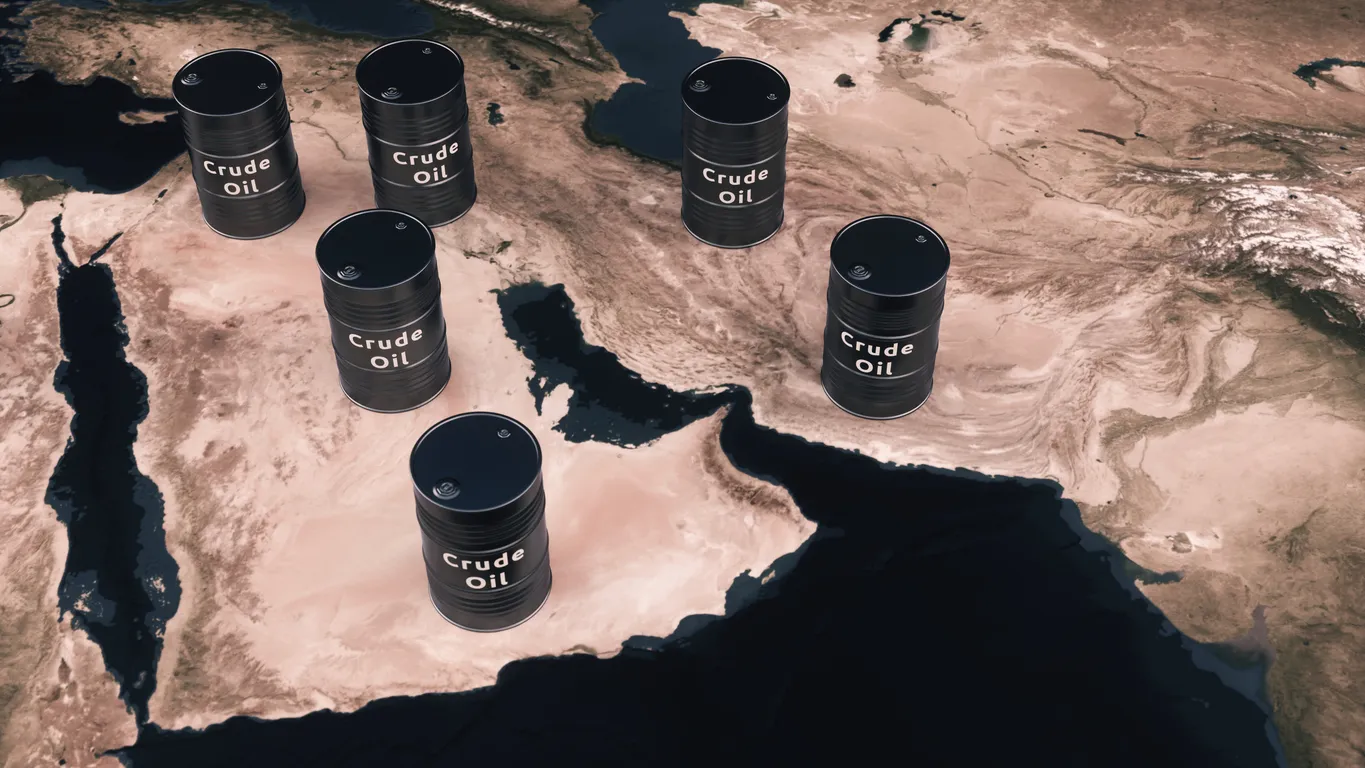
On March 20, 2026, oil prices eased as the U.S. and allied nations took action to increase supply security and safety in the Strait of Hormuz, which the war in Iran had threatened.
Oil Falls Amid Hormuz Supply Boost
On March 20, 2026, oil prices declined as the US and its allies stepped up efforts to protect oil shipping routes through the strategic Strait of Hormuz, easing price pressures after a series of heightened geopolitical tensions in the region. Oil prices closed around $109.85 per barrel after pulling back from sharp gains this week amid concerns about oil supply disruptions. This comes as diplomatic and logistical efforts are stepped up to protect oil supplies and routes through the region.
Why This Matters?
Movements in oil prices, especially disruptions at the Strait of Hormuz—a critical chokepoint—directly raise consumer costs, increase inflation, and impact global markets. Here are six key factors:
· Geopolitical risks cause price increases: Geopolitical risks have driven price increases over the past few days amid rising tensions in the Hormuz Strait. The tensions have raised concerns about supply shortages along the strategic oil route.
· Allied efforts to alleviate price volatility: Coordinated efforts by the U.S., Europe, and Japan to secure the route have calmed oil traders' fears. The efforts have reduced the geopolitical risks associated with oil prices.
· Short-term price declines due to risk repricing: Following supply assurances from the U.S., Europe, and Japan, traders have repriced the risks. Risk repricing has driven oil prices lower.
· The market still remains watchful: While there is a positive outlook, it takes time for supply to resume. Tight inventories, logistical issues, and tensions mean the market remains highly sensitive to further disruptions or negative developments.
· Broader macro impacts are still prevalent: Oil price movements have significant implications for global inflation, interest rates, and investor sentiment. Even small movements can have a significant impact on the economic stability of major economies.
· Shipping and insurance costs remain high: Geopolitical tensions continue to support high levels of insurance premiums and shipping costs, adding to the overall cost of moving oil, despite the resumption of supply routes.
Uncertain Oil Outlook Ahead
Oil is still sensitive to developments in the Middle East. Measures taken by the allies have eased near-term concerns, but oil market actors will be paying close attention to oil inventories, oil transport, and tensions in the Middle East. Indeed, oil price volatility is set to persist in the coming weeks.