

Diesel Costs Rise Faster Than Gasoline


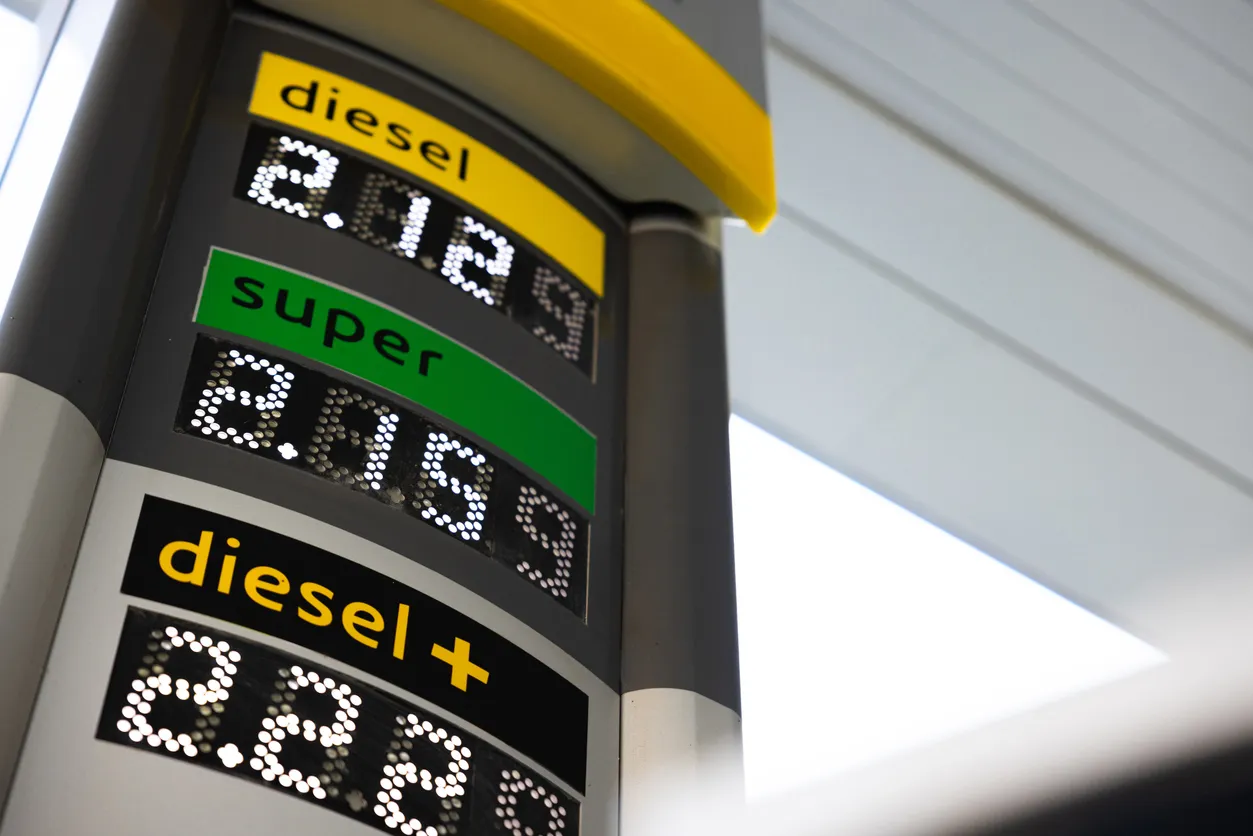
Diesel prices will rise faster than gasoline prices on Friday, March 20, 2026, quietly adding to inflationary pressures as global supply chains, transportation, and production costs continue to rise amid tightening fuel supply conditions.
Diesel Prices Outpace Gasoline, Driving Global Inflation Risks
Diesel is now the key contributor to rising global costs in 2026, though the issue is overshadowed by gasoline prices. Diesel is the main energy source for transportation, agriculture, and industry. Therefore, the rising price of diesel is affecting supply chains. In addition, reduced refining capacity due to geopolitical tensions is affecting diesel supply. Consequently, diesel prices are rising faster than gasoline prices. Therefore, the rising cost of diesel is affecting the cost of doing business. In the end, the cost is affecting consumers. Therefore, diesel prices are the main contributor to global inflation risks.
Why This Matters?
Since diesel is a major source of power for essential sectors such as freight and agriculture, rising diesel costs are a direct cause of inflation. Diesel differs from gasoline in that it affects the entire country rather than just a segment. Here are key factors:
· Supply Chains Under Pressure: Diesel is a major fuel source for trucks, ships, and trains, and it is used to move goods around the globe. Higher diesel prices mean higher logistics costs, and companies are compelled to pass those costs on to consumers.
· Inflation Is Accelerating: Diesel prices directly affect inflation by influencing production costs. This exerts sustained upward pressure on consumer prices, making monetary policy decisions more difficult and delaying economic recovery across major economies.
· Geopolitical Risks Drive Prices: Geopolitical tensions persist, affecting oil routes and refining. These tensions reduce the availability of diesel on the global market. Consequently, oil prices increase significantly and fluctuate frequently, directly affecting economic stability.
· Diesel Impacts Industry More Than Gasoline: The impact of a diesel price increase is felt much more than that of a gasoline price increase. Diesel is required for heavy machinery, construction, and manufacturing. This would directly affect the industries and would decrease their profit margins.
· Food Prices Are Increasing: Agricultural activities depend largely on diesel oil to power machinery and transport goods. Therefore, when the price of diesel oil rises, the cost of food also rises. This is causing serious financial difficulties for many families worldwide.
· Economic Growth Is Slowing: Increasing diesel fuel prices mean higher costs for businesses and reduced purchasing power for consumers. This may cause the growth rate to slow while inflation remains high, creating a stagflation-like scenario.
Strategic Insight
Diesel markets have been under pressure even before the latest round of geopolitical disruptions. Supply imbalances have persisted due to a lack of refining capacity.
Businesses are exploring alternative strategies such as electrifying transport modes, improving the efficiency of the fuel they use, and developing new logistics approaches. Governments may need to strengthen energy security measures.
Diesel: The Economy's Pressure Point
Diesel prices are no longer just an energy concern; they are now impacting the global economy. The effect of diesel prices on inflation and economic growth underscores their importance in the current precarious economic landscape.