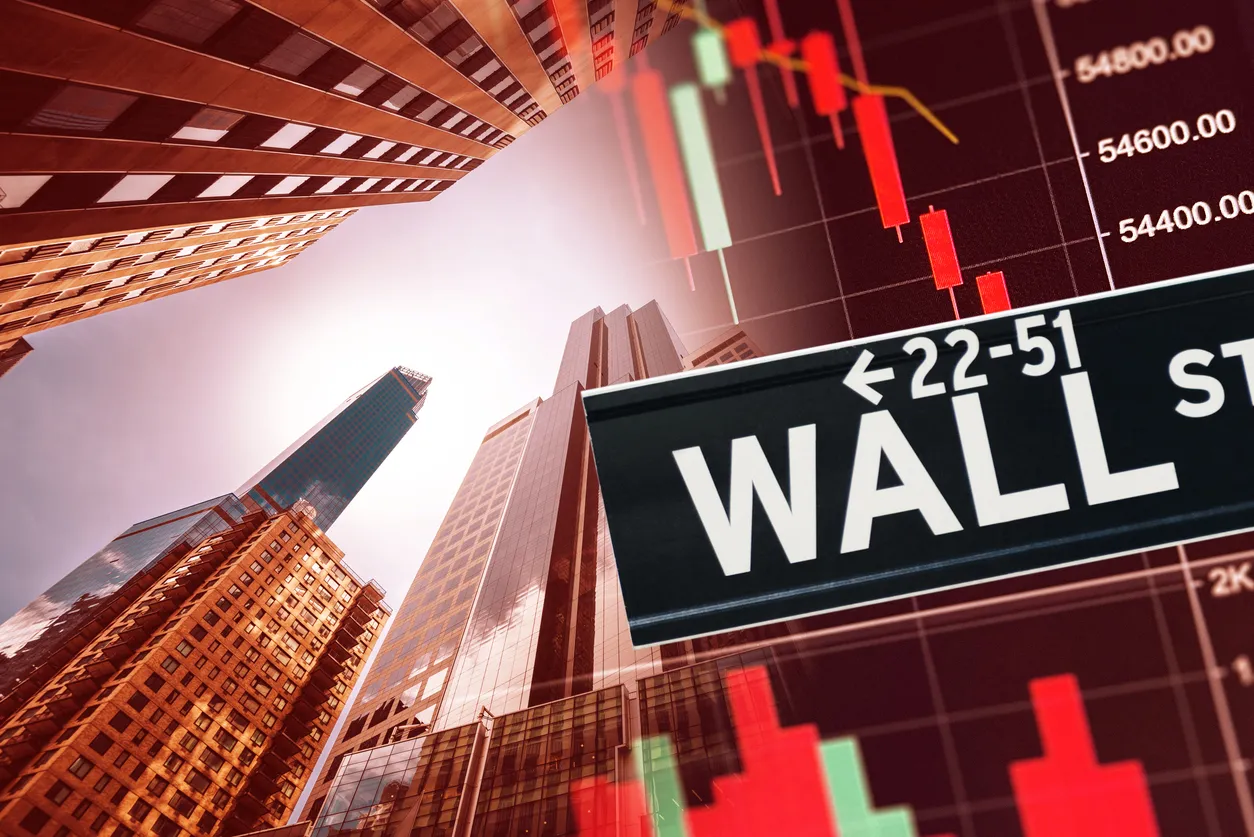

Recession Risks Return to Global Economic Debate
On Sunday, March 16th, 2026, economists and analysts discussed the conditions that might lead to a recession in the world economy. The risks included increased oil prices, geopolitical tensions, increased interest rates, and decreased consumer demand. Key Economic Triggers That Could Spark the Next Recession A recession occurs when various economic factors combine to slow economic activity in the economy. Analysts are concerned that sustained inflation, rising energy costs, geopolitical tensions, and high-interest-rate policies are likely to slow economic activities in the global economy. In particular, sustained oil price shocks are likely to reduce economic activities in the global economy. The global economy appears to be in good shape currently, but economists are quick to point out that various economic factors are likely to push the economy towards recession. Why This Matters? Learning about the causes of a recession can help policymakers, businesses, and investors prepare for a recession by watching for threats such as energy price shocks, inflation concerns, policy tightening, and geopolitical tensions that could weaken the global economy. Here are six important points: · Energy Price Shocks Could Weigh on Growth: Increases in oil prices tend to reduce consumer spending and increase the production costs of companies. Energy price shocks tend to reduce global economic growth through increased inflation, reduced consumer purchasing power, and reduced profitability of companies. · High Interest Rates May Hinder Economic Activity: Raising interest rates is one of the measures by central banks to curb inflation. However, if the situation lengthens, it may affect economic activity. The financial squeeze may impede economic growth, thereby leading to economic contraction. · Geopolitical conflicts add to economic uncertainty: Wars, trade wars, and geopolitical tensions are creating disruptions in global trade flows, impacting energy costs, and disrupting global supply chains. It can set off economic volatility in financial markets and dampen investment sentiment in key economies. · Weak Consumer Spending Can Stall Growth: The high role of consumer spending in the economies of major countries and if public spending decreases due to inflation, unemployment, or a decline in assets, economic growth will slow down. · Financial Market Stress Can Amplify Downturns: A fall in stock markets or a credit crunch can affect investor sentiment, which may negatively impact financing to companies. It may force companies to reduce their hiring and investment plans, thus accelerating the economic slowdown. · Multiple Shocks Often Trigger Recessions: In the past, recessions rarely stemmed from a single factor. Rather, a combination of various factors, such as energy shocks, monetary tightening, and weakening demand, has contributed to the transition of the economy from slow growth to full contraction. Economic Resilience Faces Growing Tests The global economic fundamentals appear to be in a state of relative stability. However, geopolitical risks, unstable energy prices, and tighter financial conditions may test the economic resilience. These signs are now closely monitored for the next economic downturn.
UA Finance•17 March