
Financial Markets News & Live Economy Updates

Breaking financial news with the latest on stocks, currencies, commodities, crypto, and the global economy.

Bitcoin's Market Rotation Signals a New Phase for Crypto Investors

Bitcoin's Market Rotation Signals a New Phase for Crypto Investors

July 21, 2026 – Bitcoin remained near the $65,000 level after recovering from its late-June lows, with on-chain data suggesting that a significant shift is taking place beneath the surface of the cryptocurrency market. Rather than focusing only on price action, analysts are increasingly monitoring the transfer of Bitcoin supply from long-term holders to a new generation of buyers. Long-Term Holders Continue to Shape the Market According to market data, long-term Bitcoin holders have gradually been distributing portions of their holdings while new investors absorb supply entering the market. Historically, similar rotations have occurred during major transition periods in Bitcoin's market cycle, often signaling changes in market leadership rather than immediate directional moves in price. Market Focus Expands Beyond Geopolitics While geopolitical tensions and monetary policy expectations continue to affect broader financial markets, Bitcoin's recent behavior suggests investors are paying closer attention to structural supply dynamics. The cryptocurrency has remained relatively resilient despite fluctuations in risk appetite, with market participants balancing Federal Reserve expectations against improving long-term adoption trends. Supply Trends Could Matter More Than Price Swings Analysts note that Bitcoin's current phase may be less about short-term volatility and more about who controls available supply. As long-term holders gradually transfer coins to newer market participants, investors are watching whether demand remains strong enough to absorb supply without triggering a deeper correction. The outcome could help determine the next major direction for the cryptocurrency market.

Meta Global Artificial Intelligence Infrastructure Investment Strategy

Meta Global Artificial Intelligence Infrastructure Investment Strategy

Today, Monday, April 6, 2026, hundreds of employees are being laid off as Meta undergoes a major transformation. Mark Zuckerberg is redirecting billions toward AI, a strategic move that emphasizes high-tech automation over traditional corporate staffing models. Tech Giant Accelerates Global Artificial Intelligence Resources Shift Since focusing on advanced machine learning and data center expansion, the parent company of Facebook, to accommodate a historic surge in capital spending, is currently reducing its human workforce, aiming to redefine operational efficiency. Managed by specialized teams, these structural changes reflect a broader industry movement in which automated systems are beginning to handle complex tasks previously managed by humans. Why the Strategic Shift Toward Automated Workplace Efficiency Matters? As AI capabilities grow, this transition becomes important, indicating a fundamental shift in how technology companies value human talent. Therefore, companies are focusing on software intelligence to keep a competitive edge in the digital market. Corporate Workforce vs AI Spending Analysis Comparison Table Metric Focus 2026 Target Personal Impact Tech Priority Job Cuts Permanent Roles Silicon Valley Reduced Headcount AI Budget Billions Invested Capital Growth Infrastructure Expansion Focus Area Machine Learning Reality Labs Core Engineering Team Size Leaner Units Efficiency Gains Talent Realignment Stock Impact Market Stability Investor Confidence Profitability Goals Future Goals Automated Work Skill Evolution Innovation Scaling Forward Thinking Technology and Employment Future Evolution As the workforce evolves, implementing these changes enables unprecedented innovation in the social media landscape. The integration of intelligent tools ensures that the company stays at the forefront of the global tech industry.

UA Finance06 April
Fed Rate Cuts Still Expected in 2026 Outlook

Fed Rate Cuts Still Expected in 2026 Outlook

​On April 4, 2026, expectations of Fed rate cuts resurfaced as fresh projections suggested resilience despite recent oil price shocks. The outlook underscores shifting dynamics in monetary policy as inflation pressures evolve.Fed Defies Oil Shock: Rate Cuts Still on the Horizon?Could the Fed rate cut narrative survive an energy-driven inflation surge? According to Morgan Stanley, the answer is yes. The bank indicated that even with rising oil prices potentially fueling inflation, the Federal Reserve is still likely to pivot toward easing policy in 2026.The projection highlights a balancing act—while energy costs may temporarily lift inflation, underlying economic conditions could justify eventual rate reductions.Oil Prices Stir the Waters, But Not the CourseElevated oil prices typically complicate central bank decisions, yet Morgan Stanley recommends the impact may be transient rather than structural. The bank expects inflationary pressures from energy markets to moderate over time, keeping the broader Fed rate cut trajectory intact.“Markets climb a wall of worry,”and this time, oil volatility may not be enough to derail policy easing expectations.Investors are closely monitoring signals from policymakers, with rate expectations shaping global financial sentiment. The persistence of Federal Reserve policy direction amid energy volatility.

UA Finance05 April
Oil Price Surge: Will Travel Demand Finally Slow?

Oil Price Surge: Will Travel Demand Finally Slow?

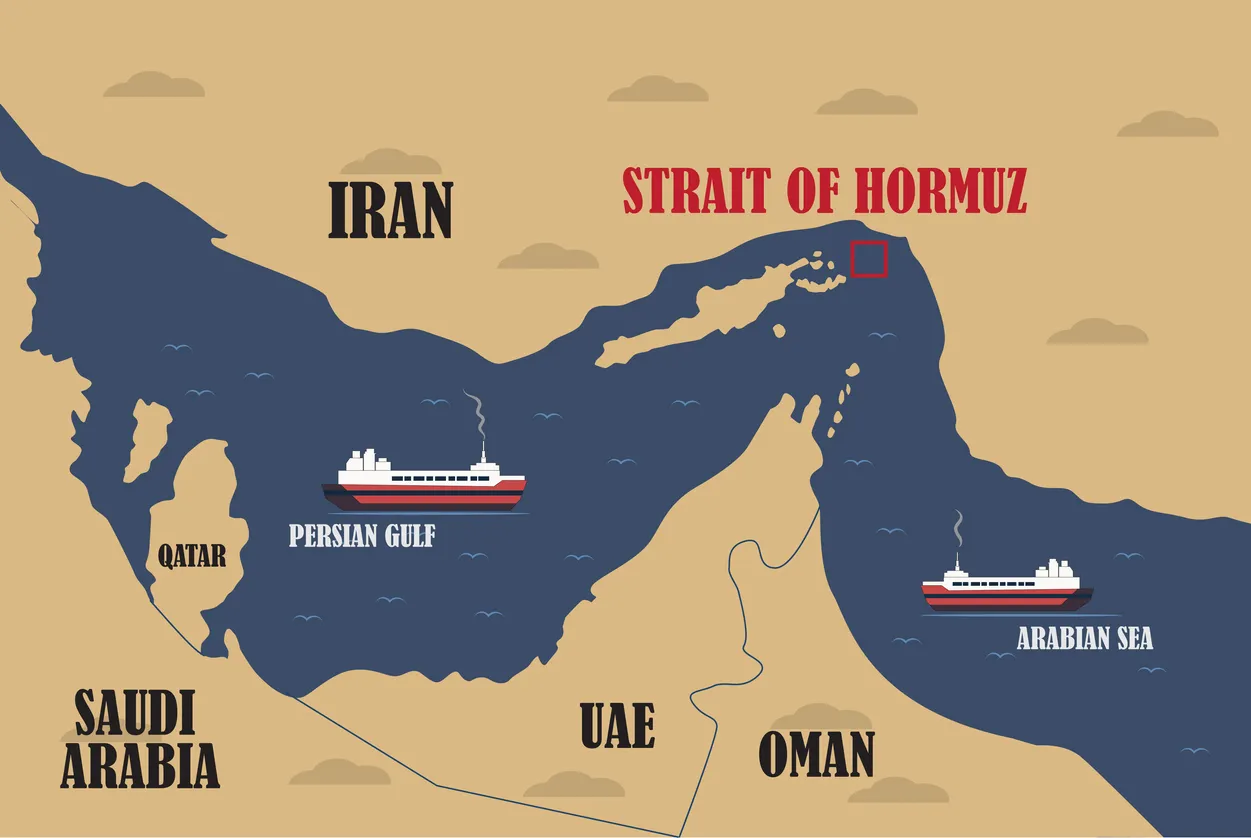
​ On April 5, 2026, rising oil price concerns resurfaced as analysts questioned how high fuel costs must climb before global travel demand begins to weaken. The debate intensifies amid mounting supply risks and resilient consumer behavior. When Does the Oil Price Hit the Travel Brakes? “How high is too high?”—that question is echoing across energy markets as the oil price climbs without significantly denting travel demand. Despite elevated fuel costs, consumers continue to prioritize mobility, suggesting a strong post-pandemic shift in spending habits. Recent reports indicate that even with mounting geopolitical risks around the Strait of Hormuz and tightening global supply, demand for flights and road travel remains robust. The persistence of travel activity has surprised analysts who anticipated a sharper pullback. Supply Shocks Meet Stubborn Demand Concerns over disruption linked to OPEC and broader supply constraints have fueled speculation of a potential price spike reminiscent of past energy crises. Yet, consumers appear willing to absorb higher costs—at least for now. Industry observers note that only a significantly higher oil price threshold could begin to meaningfully suppress travel, especially during peak seasons. A Tipping Point Still Unclear While history recommends that extreme fuel costs can curb mobility, today’s economic landscape tells a different story. Pent-up demand and changing consumer priorities continue to shield travel from price pressures, leaving markets searching for a definitive tipping point. ​

UA Finance05 April
Oil Jumps as Iran Denies US Talks, Supply Risks Return

Oil Jumps as Iran Denies US Talks, Supply Risks Return

oil prices advanced as markets recalibrated supply expectations following Iran’s firm denial of talks with the United States. The oil market reacted swiftly, with supply risk sentiment returning to the forefront.Oil Surges as Supply Concerns Resurface—What’s Driving the Rally?Oil prices edged higher in volatile trading, as investors weighed geopolitical uncertainty after Iran rejected claims of negotiations with the United States. The oil rally reflects renewed anxiety over potential disruptions, with traders increasingly pricing in risk premiums.Like a market whisper turning into a roar, the absence of diplomatic progress has reignited fears that supply flows could tighten. The oil market, typically sensitive to geopolitical signals, responded almost immediately—highlighting how fragile sentiment remains.Market Mood Shifts with Geopolitical signalsInvestor positioning shifted as headlines altered expectations around stability in key oil-producing regions. While broader global markets remained cautious, energy traders focused sharply on the evolving narrative.Reports indicate the oil gains were also supported by underlying demand resilience, even as uncertainty lingered. The combination of steady consumption and geopolitical friction created a fertile ground for price support.A Delicate Balance AheadLooking forward, the oil market appears caught between competing forces: steady demand on one side and geopolitical unpredictability on the other. The current environment underscores a familiar market reality: uncertainty continues to dominate sentiment, sustaining volatility.

UA Finance28 March
Amid Iran War Energy Shock, The Philippines Halts Power Trading

Amid Iran War Energy Shock, The Philippines Halts Power Trading

​On Wednesday, March 26, 2026, as the war in Iran drove oil prices higher, the Philippines halted spot electricity trading, causing an energy emergency. The move shows how fragile Asia is, vulnerable to supply disruptions, and signals rising inflation risks across emerging markets.Philippines Freezes Power Market as Iran War Sends Energy Prices SoaringThe Philippines suspended spot electricity trading after surging global oil prices triggered energy alerts. As fuel shortages loom, the government steps in to stabilize the supply and prevent price spikes. Authorities are scrambling to secure alternative sources, with only weeks of reserves and heavy reliance on the Middle East, while shielding consumers against inflation and economic disruptions.Energy Crisis Impact Comparison Table​ Factor Before Iran War After Iran War Oil prices Moderately stable $100 sharp spike Electricity pricing Market-driven Suspended to prevent spikes Fuel reserves Stable supply outlook 45 days remaining buffer Government action Normal operations Energy emergency declared Inflation risk Moderate High & rising Transport sector Stable fares Strike threats & rising cost Markets Confronting New TestEnergy markets remain highly sensitive to geopolitical shocks and deeper global realities, such as the Philippines’ suspension of spot power sales. Volatility persists, pushing governments and investors alike to brace for prolonged uncertainty, as the Iran conflict continues.​

UA Finance26 March
Gold Surges as Oil Drop Eases Inflation Fears

Gold Surges as Oil Drop Eases Inflation Fears

​ March 26, 2026—Gold jumps over 2% as falling oil prices ease inflation concerns, drawing renewed investor attention to safe-haven assets. The shift reflects changing sentiment across global markets as energy costs retreat. Gold’s Rally Sparks Safe-Haven Rush Gold jumps over 2% in a striking rebound, fueled by declining oil prices that softened inflation expectations and revived appetite for bullion. As the pressure from energy markets eased, investors pivoted toward gold, reinforcing its traditional role as a hedge against uncertainty. The move underscores a familiar market truth: when inflation fears cool, gold typically shines brighter. With oil losing momentum amid signs of geopolitical de-escalation, the precious metal capitalized on the changing landscape, attracting flows from cautious investors seeking stability. Oil’s Retreat Reshapes Market Mood Falling crude prices played a pivotal role in reshaping expectations around inflation. As energy costs declined, the urgency surrounding persistent price pressure diminished, indirectly supporting gold’s upward trajectory. Market participants interpreted the cooling oil trend as a signal of potential balance in supply concerns, easing volatility across commodities and creating favorable conditions for gold’s advance. “Every cloud has a silver lining” and for gold, lower oil prices proved just that. The rally highlights how interconnected markets remain, with energy trends and inflation expectations jointly steering investor behavior. Gold jumps over 2%, not in isolation but as a part of a broader recalibration across global financial markets.

UA Finance26 March
Uganda Economy Grows 8.5% in Q4 on Export Surge

Uganda Economy Grows 8.5% in Q4 on Export Surge

​ On Wednesday, March 25, 2026, Uganda’s economic growth has taken center stage after fresh data revealed a sharp expansion in the final quarter of 2025. The Ugandan economy’s growth highlights strengthening exports and easing inflation pressures, signaling renewed momentum. Uganda’s Growth Surge: A Turning Point or Just Momentum? The latest figures show the Ugandan economy’s growth accelerated by 8.5% in the quarter ending in December, marking one of the fastest expansions in recent periods. The robust performance was primarily driven by stronger export activity and a notable decline in inflation, offering relief to businesses and households alike. “Is this the dawn of sustained expansion?” some market watchers ask, as Uganda’s economic growth reflects improving macroeconomic stability and rising external demand. Exports and Inflation Shape the Narrative Export earnings climbed significantly, supporting industrial output and trade balance improvements. At the same time, inflation eased, enhancing purchasing power and fueling domestic consumption, two critical pillars behind the Ugandan economy’s growth trajectory. The strong Ugandan economy’s growth underscores a wider regional trend of resilience, as East African economies adapt to global shifts. Continued policy stability and trade performance remain central to maintaining this upward momentum.

UA Finance26 March
China Banks Reprice Deposits to Lift Profits

China Banks Reprice Deposits to Lift Profits

​ March 24, 2026—China banks advanced plans to reprice deposits, a strategic move aimed at strengthening margins. The China banks shift targets nearly $8 trillion in deposits, highlighting a crucial earnings lever. Chinese Banks Move to Reprice $8 Trillion in Deposits “Every cloud has a silver lining,” and for China banks, deposit repricing may be just that. Facing margin compression, lenders are adjusting rates on massive deposit volumes to ease funding costs and support profitability. The initiative reflects broader efforts to stabilize earnings as economic pressures weigh on the sector. By recalibrating deposit pricing. China banks could gradually improve their financial footing. Profit Outlook Edges Higher Typically, lower funding costs translate into stronger margins. For China banks, this repricing strategy is expected to provide incremental relief, potentially marking the early stages of profit recovery. A Subtle Yet Significant Shift While gradual, the move signals a meaningful adjustment. Chinese banks are positioning themselves for improved resilience as market conditions evolve.

UA Finance26 March
Oil Drops Below $100 as Ceasefire Hopes Rise

Oil Drops Below $100 as Ceasefire Hopes Rise

​ Wednesday, March 25, 2026, witnessed a sharp shift in global markets as oil prices fell below the $100 mark, driven by growing ceasefire optimism in the Middle East. The sudden retreat in oil prices reflects easing supply concerns and a notable change in investor sentiment. Oil Slips Under $100: A Turning Point or Temporary Calm? Oil prices tumbled decisively, slipping beneath the $100 threshold as renewed ceasefire expectations cooled fears of prolonged supply disruptions. The decline in oil prices signals a market recalibration, with traders reassessing geopolitical risks that had previously fueled a rally. As one market saying goes, “Prices rise on fear and fall on relief”—and this week, relief took center stage. Oil prices reacted swiftly as diplomatic signals hinted at de-escalation, triggering broad selling across energy markets. The drop in oil prices underscores how sensitive crude markets remain to geopolitical headlines. Investors, who had priced in potential supply shocks, are now unwinding positions as tensions show signs of easing. Energy markets typically respond sharply to such developments, and this time proved to be no different. The retreat below $100 highlights a temporary stabilization, though volatility remains firmly in play. What Lies Ahead for Oil Prices? While oil prices have dipped, uncertainty continues to linger. Market participants remain cautious, closely monitoring geopolitical updates that could swiftly alter the trajectory once again. For now, the decline offers a breather—but in the world of oil prices, calm can be fleeting.

UA Finance26 March
Global Energy Crisis Deepens as Supply Efforts Lag

Global Energy Crisis Deepens as Supply Efforts Lag

​ As of Wednesday, March 25, 2026, the global energy crisis has intensified, with industry leaders warning that efforts to close the supply gap are failing to keep pace with rising demand. Energy Crunch Tightens Grip on Global Markets The global energy crisis is deepening, raising alarms across markets as supply struggles to match consumption. During a major industry gathering, the executive cautioned that despite ongoing investments and policy shifts, the imbalance persists. “Are we chasing demand that keeps outrunning supply?” one executive remarked, capturing the growing unease. The global energy crisis has been fueled by underinvestment, geopolitical tensions, and accelerating consumption trends. As a result, energy markets remain volatile, leaving governments and corporations grappling for solutions that appear increasingly elusive. Supply Efforts Fall Short Amid Rising Demand Efforts to bridge the supply gap have fallen short, with executives highlighting structural challenges such as delayed projects and regulatory constraints. While renewable energy expansion continues, it has yet to fully traditional supply shortages. Industry Signals Mounting Pressure Warnings from the sector suggest the global energy crisis could persist longer than anticipated. The imbalance underscores the urgent need for coordinated action, as stakeholders confront a landscape where supply security remains uncertain.

UA Finance26 March
Europe Energy Shortages Loom as Shell Warns

Europe Energy Shortages Loom as Shell Warns

​March 24, 2026—Europe's energy shortages are back in the spotlight as fresh warnings signal potential supply strain as early as next month, raising alarms across energy markets.Europe Energy Shortages Raise Urgent ConcernsShell plc CEO Wael Sawan has cautioned that European energy shortages could emerge within weeks, underscoring rising risks to regional energy security. Speaking at a global energy forum, he emphasized that energy security now mirrors national security.Supply Pressures Build Beneath the SurfaceEurope’s energy shortage risks are being amplified by constrained gas inventories and ongoing infrastructure limitations. While milder weather previously offered relief, underlying vulnerabilities persist, leaving the region exposed to sudden shocks.Sawan highlighted that insufficient investment in traditional energy sources has tightened buffers, complicating efforts to stabilize supply. The evolving landscape illustrates how Europe’s energy shortages are no longer a distant risk but an immediate concern demanding coordinated action.The warning has stirred cautious sentiment, with traders closely watching developments. As uncertainty lingers, Europe’s energy shortages remain a key risk shaping near-term market dynamics.

UA Finance26 March
FX Markets Pause as Iran War Doubts Cloud Outlook

FX Markets Pause as Iran War Doubts Cloud Outlook

On Wednesday, March 25, 2026, as traders questioned the ability of US efforts to de-escalate the Iran conflict, global currency markets moved sideways. Risk currencies hesitate while safe-haven demand stabilizes, reflecting geopolitical uncertainty and limited conviction across forex markets.Amid the Iran War Uncertainty, Currency Markets Freeze.As US diplomatic efforts to end the Iran conflict are shrouded by uncertainty, traders caused the global currency markets to pause. The dollar holds firm, while other currencies struggle for direction amid conflicting signals on negotiations and escalating tensions, limiting market conviction. Safe-haven flows persisted but lacked momentum, highlighting a broader wait-and-see sentiment dominating foreign exchange trading activity worldwide.Currency Market Positioning Snapshot​ Currency Type Current Behavior Key Driver Outlook Bias US Dollar (USD) Stable/Slightly Firm Safe-Haven Demand Mildly Bullish Japanese Yen (JPY) Slightly Strong Risk Aversion Neutral Swiss Franc (CHF) Stable Defensive Positioning Neutral Euro (EUR) Range-bound Weak Growth + geopolitics Neutral Australian Dollar Weak Risk Sentiment + China Exposure Bearish Bias Emerging Markets FX Mix/Volatile Oil + Geopolitical Exposure Uncertain Market Awaiting ClarityCurrency markets are in a holding pattern until clarity emerges on the US-Iran development. Traders expect continued consolidation, low-conviction trades, and sudden volatility spikes triggered by political headlines.

UA Finance26 March
Maze Stock Surges on Promising MZE829 Data

Maze Stock Surges on Promising MZE829 Data

Maze Therapeutics shares surge 22% after positive phase 2 data for MZE829, boosting investor confidence in its kidney disease treatment pipeline and reinforcing optimism around future clinical and commercial potential. On Positive MZE829 Trial Results, Maze Therapeutics Eoars Following strong top-line results from its Phase 2 HORIZON Trial of MZE829, Maze Therapeutics saw its stock surge approximately 22%. The treatment showed a 35.6% reduction in proteinuria in patients with APOL1-mediated kidney disease, signaling meaningful clinical impact. Investors reacted positively to the data, transitioning the company into late-stage development and strengthening its competitive position in the biotech sector. Trial Impact vs Market Reaction​ Metric Result / Impact Market Interpretation Forward Implications Proteinuria reduction 35.6% average Strong clinical signal Supports further trials Patient response rate 50% achieved 30% reduction Broad effectiveness Expanded target population Trial phase Phase 2 HORIZON Mid-stage validation Move forward pivotal phase Stock reaction +22% surge High investor confidence Momentum-driven valuation R&D spending Increased Investment in pipeline Continued development focus Future outlook Pivotal program planned Growth expectations rising Higher execution pressure High Stack Breakthrough Moment Boosting confidence in its pipeline, Maze Therapeutics’ strong trial results mark a pivotal inflection point. On the other hand, the company must consistently deliver strong outcomes to sustain trust and long-term growth momentum with rising expectations and valuation.

UA Finance26 March
Local Bounti Drops as Losses Overshadow Growth

Local Bounti Drops as Losses Overshadow Growth

On Wednesday, March 25, 2026, Local Bounti shares fell over 2%, widening losses, offsetting strong revenue growth. Investors are concerned about profitability despite improving margins, cost cuts, and expansion across controlled-environment agriculture operations. Losses Eclipse Revenue Growth as Local Bounti Shares Fall Despite reporting a strong quarterly revenue of $12.5 million, up 24% year-over-year, Local Bounti saw its shares dip more than 2%. While margins improved and costs declined, markets remained focused on changes in profitability. The results highlight tension between financial stability and growth in the evolving indoor farming sector. Financial Performance Snapshot​ Metric Latest Performance Pervious Year Comparison Trend Insight Quarterly Revenue $12.5M $10.1M Strong Growth (+24%) Annual Revenue $48.4M $38.1M Expanding Rapidly Gross Margin 29% 25% Improving Efficiency Net loss (Quarter) $8.7M $36.3M Narrowing but Still Negative Adjusted EBITDA Loss $5.8M $9.3M Improving Trend Cash Position $10.7M · Limited but supported by Funding Growth Isn’t Enough Anymore As growth must be paired with a clear path to profitability, Local Bounti results highlight a critical Market shift. Despite evident operational progress, investors' patience is tied to sustainable earnings and financial discipline.

UA Finance26 March
Italy's Economy Faces Pressure from Iran Tensions

Italy's Economy Faces Pressure from Iran Tensions

On Wednesday, March 25, 2026, Italy’s economic outlook weakens as the Iran Conflict raises energy costs and uncertainty. With Confindustria ringing the bell of slow growth, increased risks to investment, and business confidence, and reduced industrial activity. Amid Iran Conflict Pressures, Italy's Growth Outlook Darkens Iran conflict weighing heavily on Italy’s economic outlook, Confindustria warns. Supply chain disruptions, rising energy costs, and geopolitical uncertainty are undermining business confidence and industrial production. Prolonged instability could further slow growth, as companies face decreased margins and reduced visibility across key sectors of the Italian economy. Economic Impact Breakdown Factor Current Impact on Italy Economic Consequences Forward Outlook Energy Prices Rising Supply Higher Production Cost Negative Pressure Industrial Production Slowing Reduced output & Export Weakening Trend Business Confidence Declining Lower Investment Activity Cautious Sentiment Supply Chain Disrupted Increased Delays & Costs Continued Volatility Government Policy Response Under Pressure Potential Fiscal Intervention Uncertain Effectiveness Eurozone Influence Spillover Risk Regional Economic Drag Moderate Downside Risk Italy’s Faces External Shock Test External geopolitical forces beyond its control are shaping Italy’s economy, deepening its weaknesses and leaving growth fragile and dependent on energy stability and the effectiveness of policy response.

UA Finance25 March

Track Global Markets in Real Time with UA Finance

Download the app now and access live financial data, expert analysis, and trusted economic news to follow stocks, forex, gold, and cryptocurrencies with ease.