
Financial Markets News & Live Economy Updates

Breaking financial news with the latest on stocks, currencies, commodities, crypto, and the global economy.

Bitcoin's Market Rotation Signals a New Phase for Crypto Investors

Bitcoin's Market Rotation Signals a New Phase for Crypto Investors

July 21, 2026 – Bitcoin remained near the $65,000 level after recovering from its late-June lows, with on-chain data suggesting that a significant shift is taking place beneath the surface of the cryptocurrency market. Rather than focusing only on price action, analysts are increasingly monitoring the transfer of Bitcoin supply from long-term holders to a new generation of buyers. Long-Term Holders Continue to Shape the Market According to market data, long-term Bitcoin holders have gradually been distributing portions of their holdings while new investors absorb supply entering the market. Historically, similar rotations have occurred during major transition periods in Bitcoin's market cycle, often signaling changes in market leadership rather than immediate directional moves in price. Market Focus Expands Beyond Geopolitics While geopolitical tensions and monetary policy expectations continue to affect broader financial markets, Bitcoin's recent behavior suggests investors are paying closer attention to structural supply dynamics. The cryptocurrency has remained relatively resilient despite fluctuations in risk appetite, with market participants balancing Federal Reserve expectations against improving long-term adoption trends. Supply Trends Could Matter More Than Price Swings Analysts note that Bitcoin's current phase may be less about short-term volatility and more about who controls available supply. As long-term holders gradually transfer coins to newer market participants, investors are watching whether demand remains strong enough to absorb supply without triggering a deeper correction. The outcome could help determine the next major direction for the cryptocurrency market.

Stocks Surge as Oil Drops on Iran Cease-Fire News

Stocks Surge as Oil Drops on Iran Cease-Fire News

On Wednesday, April 8, 2026, following the US administration's two-week cease-fire agreement with Iran taking effect today, global markets experienced a significant relief rally, and oil prices plummeted below $100 per barrel, while investor optimism sparked worldwide across major sectors. The Cease-Fire Agreement Triggers Massive Market Recovery Investors moved capital into equities, highlighting the diplomatic pause between the United States and Iran has reshaped the global landscape, causing major indices to soar, while energy commodities faced sharp sell-offs. Typically, threats to Middle East trade routes have declined, with lower expense projections for the logistics sector, while monitoring if this truce stabilizes the energy market. Why the Middle East Cease-Fire Matters for Global Finance? As the de-escalation decreases geopolitical risk premium that kept energy costs high. Lower oil prices invoke supply chain relief, helping businesses recover, manage operational costs, and boost overall investor sentiment. Market Performance Comparison: Pre-Pivot vs Post-Ceasefire Table Asset class Pre-pivot Post-pivot Market trend Crude oil Over $100 Below $100 Bearish move S&P 500 High risk Bullish surge Strong growth Tech stocks High volatility Solid gains Investor relief Logistics Rising prices Falling rates Improved margin Safe haven Gold buying Risk appetite Capital outflow Energy firms Record profits Stock slide Sector cooling The Long-Term Impact of Diplomatic Stability on Equities A window for growth opens as the shift toward stability continues and diplomatic efforts advance, ensuring the global economy remains resilient against future energy price shocks through sustained peace, cementing gains.

UA Finance08 April
US Truck Makers Face New European Road Restrictions

US Truck Makers Face New European Road Restrictions

​ On Wednesday, April 8, 2026, major American manufacturers argued that suggested safety regulation changes unfairly target iconic American models like Ford F-150, accusing the European Union of intentionally sidelining American heavy-duty pickups. Detroit Big Three Challenge European Vehicle Safety Directives While Brussels focuses on pedestrian protection and urban space management, Ford, General Motors, and Stellantis are raising concerns about the European Union’s updated Individual Vehicle Approval scheme, claiming that the new standards constitute non-tariff trade barriers designed to keep supersized American trucks off local roads. Why the Transatlantic Automotive Trade Dispute Matters? Future exports of American heavy-duty vehicles will depend on the outcome of this regulatory battle. If these restrictions remain, it could strain the US-EU economic relations and fundamentally reshape manufacturing standards. US Pickups vs European Union Regulatory Standards Table Feature US build EU rule Market result Vehicle size Large frame Compact limit Restricted entry Safety Tech Driver focus Pedestrian care Blocked sales Weight class Heavy duty Light weight Extra taxes Trade terms Open export Strict shield High barriers Road fit Wide lanes Narrow streets Parking issues Brand impact Ford profits GM hurdles Stellantis loss The Future American Exports in European Markets As the trade tensions escalate, Detroit's Bib Three must navigate a complex landscape of shifting safety priorities. To maintain a steady flow and preserve the long-term standing transatlantic partnership, a resolution is essential.

UA Finance08 April
Markets Rally After Announcing Cease-Fire Is Disclosed

Markets Rally After Announcing Cease-Fire Is Disclosed

​US stocks surged on Wednesday, April 8, 2026, after the administration announced a critical cease-fire agreement, which immediately lowered oil prices and provided massive relief following the recent geopolitical breakthrough.Cease-Fire Disclosure Drives Major Stock Market RallyAs the much-awaited development eased fears of conflict-related disruptions, investors responded strongly today to news of a cease-fire agreement, boosting stock futures and indices such as the Dow Jones, S&P 500, and Nasdaq composite, enabling market participants to focus on improving economic data and positive corporate earnings.Why Diplomacy Restore Investor Confidence and Global Stability?A cease-fire lowers geopolitical risks, fosters peace, stabilizes energy markets, and reduces inflation, thereby boosting global trade and business confidence and paving the way for higher corporate profits and sustained economic growth.Cease-Fire Disclosure Normalizes Markets After Weeks of High VolatilityWhile long-term trends depend on fundamental data, the timing of the announcement suggests that geopolitical clarity remains the primary catalyst for immediate market moves. As seen here, diplomatic resolutions provide indispensable windows of asset normalization.

UA Finance08 April
Dow Jones Futures Climb Following Tension Easing Regarding Iran

Dow Jones Futures Climb Following Tension Easing Regarding Iran

​ On Tuesday, April 7, 2026, after Trump shared new insights on the situation in Iran, Dow Jones futures climbed significantly. As investors responded to the news, Nvidia and other major tech companies saw immediate price movement. NVIDIA and Tesla Lead Market Gains Following Middle East Easing As Trump addresses the ongoing situation with Iran, the technology sector remains the main driver of market recovery amid changing geopolitical headlines. To navigate uncertainty, investors are turning to proven innovators like Nvidia and Tesla, a trend that suggests, despite potential conflict, demand for advanced computing and sustainable energy continues to provide a strong foundation for stocks. Why Geopolitical Stability Influences High-Growth Technology Matters? Understanding Trump’s strategic direction regarding Iran affects global supply chains and energy costs, and helps identify which stocks will maintain momentum during periods of heightened international political activity. Monitoring Long-Term Market Stability Amid Global Diplomacy The short-term trend of the Dow Jones is directly influenced by the changing relationship between Trump’s policies and Iran’s responses. Keeping informed about these developments helps in managing risk within a portfolio.

UA Finance08 April
Perplexity AI Revenue Surge with New AI Agents

Perplexity AI Revenue Surge with New AI Agents

​ On Wednesday, April 8, 2026, the Financial Times reports that Perplexity's monthly revenue jump of 50%, exceeding $450 million in March as the startup successfully pivoted toward AI agent tools. Perplexity AI Agent Pivot Drives Record Growth in March The Financial Times reports that Perplexity increased its monthly revenue by 50% and successfully transitioned from a standard search engine to a sophisticated AI agent ecosystem, increasing the company’s valuation significantly as it serves over 100 million monthly active users worldwide. Investors, including Nvidia and Jeff Bezos, continue to support this expansion into high-value enterprise service offerings. Why the Perplexity Earnings Growth Matters Now? The shift of AI agents automating complex tasks rather than just providing links marks a major change in how people use the internet. Perplexity is effectively changing established search engine dominance. Future Outlook for Perplexity AI Market Share By focusing on objective answers and agent functionality, Perplexity continues to scale; its subscription-first model sets a new industry standard, as the company remains a leading competitor against Google and other tech giants worldwide in 2026

UA Finance08 April
Oil Prices Hold $110 Amid Supply Concerns

Oil Prices Hold $110 Amid Supply Concerns

​ As of April 7, 2026, oil prices remained elevated, with crude oil hovering above $110, reflecting persistent supply concerns and heightened uncertainty in global energy markets. Oil Climbs Above $110—Is This Just the Beginning? Crude oil prices steadied above the $110 mark, capturing global attention as supply risks and market unease continued to shape sentiment. The latest oil price movement underscores how fragile the balance remains between demand resilience and constrained output. Market participants stayed cautious following developments tied to the deadline set by Donald Trump, which has amplified uncertainty around oil flows. The situation has effectively kept traders “on edge,” a phrase increasingly echoed across financial circles, as volatility grips the commodity. What’s Driving the Oil Price Momentum? The sustained rally in oil prices is largely attributed to tightening supply expectations and cautious positioning by investors. Elevated prices that markets are bracing for potential disruptions, while demand fundamentals remain relatively firm. “Will oil break higher, or is this a ceiling?” remains the pressing question. For now, crude continues to hover at elevated levels, suggesting that the current momentum may persist if uncertainties linger.

UA Finance08 April
Tesla Analyst Warning: Could the Stock Drop Sixty Percent?

Tesla Analyst Warning: Could the Stock Drop Sixty Percent?

On Tuesday, April 7, 2026, investors are closely monitoring a prominent analyst who has flagged a potential 60% devaluation of Tesla stock, showing how shifting demand has heightened global competition and may impact the electric vehicle pioneer. The Financial Reality Behind Tesla’s Current Market Price As rising production costs and aggressive strategies pressure margins, Tesla continues to be a global leader in sustainable transport. Analysts warn that the current high valuation might not be sustainable. The stock could face a significant correction of up to 60% if the company cannot maintain its growth, potentially alerting the brand’s long-term dominance, and forcing shareholders to assess their portfolios as the industry reaches a critical saturation point this year. Why the Potential Decline of Tesla Matters to Investors? As a sharp drop would likely trigger broader market volatility, this forecast is crucial because Tesla serves as a primary indicator for the entire clean energy market across tech indices and influences institutional confidence in green initiatives. Visualizing the Predicted Bearish Trend for Tesla Stocks Chart Insight: Such a trajectory shows a steady downward trend, reflecting the 60% crash scenario outlined by market skeptics, ending Tesla’s unchallenged dominance era. Closing Thoughts on the Long-Term Outlook for Tesla Inc. Despite the bearish outlook, navigating these turbulent waters requires a focus on Tesla’s core innovations in autonomous driving and energy storage, and on the company’s ability to pivot and adapt will determine its ultimate market survival.

UA Finance07 April
Oil Prices Hover Near $110 as Supply Mount

Oil Prices Hover Near $110 as Supply Mount

On April 6, 2026, oil prices hovered near the $110 threshold as concerns over potential supply disruptions intensified. The oil market remained highly sensitive, with crude prices holding firm amid rising uncertainty. Oil Prices Edge Higher as $110 Threshold Looms Oil prices hovered just below $110 per barrel, extending gains as the oil market reacted to tightening supply signals. Crude benchmarks maintained upward traction, reflecting persistent concerns around global oil flows and availability. The oil market has shown a tendency to strengthen during periods of uncertainty, particularly when key transit routes face potential disruption. As the deadline approaches, oil prices continue to reflect elevated caution, reinforcing the current upward trend. “Where there’s smoke, there’s fire,” a familiar idiom that mirrors how the oil market is reacting—pricing in risk before it fully unfolds. Supply Concerns Keep Oil Supported Supply-side uncertainty remained a central driver behind firm oil prices. Ongoing disruptions and fragile negotiations added pressure, keeping the oil market on alert. Additionally, signals from shipping activity and inventory trends pointed toward tighter conditions, supporting crude’s resilience. Oil prices continued to hover near $110, with the oil market maintaining a strong footing despite ongoing volatility.

UA Finance07 April
Apple Acquisition Strategy: Should Apple Buy Peloton in 2026?

Apple Acquisition Strategy: Should Apple Buy Peloton in 2026?

On Tuesday, April 7, 2026, Apple made a strategic move to acquire Peloton for $3 billion, potentially integrating high-end fitness hardware into the existing Apple ecosystem and improving health services for users worldwide. The Financial Feasibility of Apple Purchasing Peloton Fitness Making a multi-billion-dollar acquisition of Peloton an easy financial decision in 2026, as Apple possesses immense capital reserves. The tech giant could dominate the home wellness market by merging Peloton’s elite workout content with Apple Fitness+ platform. Such a partnership to revitalize Peloton’s declining hardware sales and subscriber base leverages Apple’s retail presence. Why this Massive Acquisition Matters for Tech and Fitness? A significant shift in which integrating Peloton, which gives Apple access to deeper user biometrics, accelerates their mission to make health their most impactful contribution to modern society. Apple vs. Peloton: Strategic Assets Comparison Table Feature Apple Inc. Peloton Tech Acquisition Benefit Capital Massive Cash Limited Debt Efficient Scaling Users Billion Active Millions Loyal High Retention Hardware Watches iPhones Bikes Treads Product Expansion Software iOS Health Live Stream Unified Fitness Brand Luxury Status Premium Fitness Market Dominance Goal Total Health Home Workout Wellness Legacy Future Outlook on the Apple and Peloton Brand Merger Although risks exist, the partnership between Apple and Peloton could transform digital wellness, as Apple’s infrastructure provides Peloton the stability needed to survive, as well as strengthening Apple’s competitive edge in the lucrative global health industry.

UA Finance07 April
Gold Slips as Strong U.S. Data Weighs on Outlook

Gold Slips as Strong U.S. Data Weighs on Outlook

​ On April 6, 2026, gold prices drifted lower as markets reacted to rising geopolitical tension tied to former U.S. President Donald Trump’s Iran deadline. The precious metal also faced pressure from strong U.S. economic data, reshaping expectations around interest rates. Gold Retreats Amid Iran Tensions and Rate Cut Doubts Gold edged down in volatile trading, reflecting a delicate balance between geopolitical anxiety and shifting monetary outlook. Investors typically turn to gold during crises, yet the latest signals from Washington and Tehran introduced uncertainty rather than clear safe-haven demand. The looming deadline set by Donald Trump regarding Iran injected caution into global markets. “Is gold losing its shine just when fear rises?”—a question echoing across trading floors as prices softened instead of rallying. Strong U.S. Data Caps Gold’s Momentum Typically, gold benefits from lower interest rates, but robust U.S. jobs data tempered expectations of imminent rate cuts by the Federal Reserve. A firmer dollar further weighed on bullion, making it less attractive to overseas buyers. Market participants now navigate a complex landscape where geopolitical risks collide with resilient economic indicators, leaving gold’s direction uncertain in the near term.

UA Finance07 April
AppLovin Stock Gains After Wells Fargo Upgrade

AppLovin Stock Gains After Wells Fargo Upgrade

On Monday, April 6, 2026, AppLovin’s stock surged after Wells Fargo analysts greatly raised their price target following positive industry channel checks. Positive Analyst Sentiment Drives AppLovin Market Valuation Following a series of tough market assessments, AppLovin’s stocks surged, reflecting growing institutional confidence in the company’s mobile advertising technology and gaming software ecosystem. Wells Fargo adjusted its financial outlook as it captures a large share of the digital advertising market, sparking a wave of buying activity among both retail and professional investors who anticipate continued growth as the company scales its innovative AI-driven marketing platform effectively. Why Institutional Analyst Price Target Upgrades Matter? When a major bank raises its target, it often acts as a catalyst for increased institutional liquidity and market visibility, affirming the company’s current strategy and future earnings potential. AppLovin Stock Price vs Analyst Target Growth Chart Insight: The blue line shows a steady rise in the actual market's price, indicating consistent investor accumulation in the early months of the year. The sharp upward slope of the green dashed line marks the revised Wells Fargo target, revealing a large gap that suggests further potential stock appreciation. Strategic Long-Term Outlook for AppLovin Investors AppLovin stays well-positioned to leverage its proprietary technology to sustain revenue growth, as the digital advertising landscape continues to evolve. Investors must keep an eye on the upcoming earnings report to see whether the company meets its increased market expectations.

UA Finance06 April
Russian Baltic Port Restarts Oil Shipments After Attacks

Russian Baltic Port Restarts Oil Shipments After Attacks

​ Fresh signs of resilience emerged on April 5, 2026, as a key Russian Baltic port resumed crude loading after recent attacks disrupted operations. The restart of Russian Baltic port activity signals stabilization in oil flows amid geopolitical tension. Oil Flows Resume as Baltic Hub Reopens “Storms don’t last forever”—and in Russia’s energy corridors, that sentiment rang true as a major Baltic export terminal restarted crude loading following security incidents. The Russian Baltic port, a vital artery for seaborne oil shipments, had briefly halted operations after attacks raised concerns over supply continuity. The swift resumption underscores Moscow’s determination to maintain export volumes even as infrastructure risks loom over energy markets. Market Watch Stability Signals Energy traders typically track such disruptions closely, as any prolonged outage could ripple across global supply chains. The restart of Russian Baltic port shipments suggests that immediate supply fears may ease, offering short-term relief to oil markets already navigating volatility. Despite the restart, uncertainty lingers over the durability of operations in the region.

UA Finance06 April
Iraq Seeks Oil Loading Plans After Hormuz Exemption

Iraq Seeks Oil Loading Plans After Hormuz Exemption

​ On April 6, 2026, Iraq moved swiftly to stabilize crude exports following the Hormuz exemption, urging buyers to submit oil loading plans. The development highlights Iraq’s oil export strategy amid regional disruptions. Iraq Pushes Buyers for Oil Plans After Strait Relief In a decisive step to safeguard shipments, Iraq has called on its crude buyers to provide detailed oil loading plans after securing an exemption tied to the Strait of Hormuz. The request, outlined in an official document, underscores Baghdad’s effort to maintain steady Iraq oil exports despite heightened geopolitical strain. The exemption comes as regional tensions continue to threaten vital shipping routes, prompting authorities to tighten coordination with international clients. “Timing is everything,” and for Iraqi oil exports, precision in scheduling may prove critical to avoiding costly disruptions. Coordinating Flows to Protect Iraq Oil Exports Iraq’s state oil marketer has instructed customers to outline cargo schedules and nominate vessels in advance. This move aims to streamline logistics and reduce uncertainty surrounding Iraqi oil exports, particularly as insurers and shippers remain cautious in volatile conditions.

UA Finance06 April
South Korea Seeks Gulf Energy Supply Routes

South Korea Seeks Gulf Energy Supply Routes

​ On April 5, 2026, South Korea intensified diplomatic outreach to Gulf nations, urging stable energy supply and enhanced maritime security. The move underscores rising concerns over disruptions affecting Korean vessels and critical imports. Seoul Turns to Gulf for Energy Security Stability In a strategic push, South Korea has called on Gulf nations to ensure a steady energy supply while safeguarding Korean vessels navigating key shipping lanes. The appeal comes amid heightened geopolitical uncertainty, where energy flows remain the lifeline of Asia’s fourth-largest economy. Officials emphasized that uninterrupted oil and gas shipments are vital, as the nation heavily depends on imports from the Gulf region. “Secure routes mean secure economies,” a phrase that resonates strongly as Seoul balances growth with external risks. Maritime Safety Takes Center Stage Concern over the safety of Korean vessels has grown alongside regional tensions. Authorities highlighted the necessity of coordinated efforts to protect shipping corridors, which serve as crucial arteries for global trade. The request also reflects broader anxieties within international markets, where even minor disruptions can ripple across supply chains. Stability, in this context, is not merely desirable—it is indispensable. This latest move illustrates how energy diplomacy is becoming increasingly pivotal. By reinforcing ties with Gulf producers, South Korea aims to shield its economy from volatility while ensuring long-term supply resilience. “Smooth seas do not make skillful sailors,” yet Seoul is clearly seeking calmer waters in an unpredictable energy landscape.

UA Finance06 April
Oil Prices Fall as US-Iran Peace Proposal Emerges

Oil Prices Fall as US-Iran Peace Proposal Emerges

​ On April 6, 2026, oil prices fall sharply as markets react to a potential US-Iran peace proposal, easing fears of prolonged supply disruption and geopolitical escalation. Oil Slips as Peace Signals Emerge—Is Stability Nearby? Oil prices fall in early trading as renewed diplomatic momentum between the United States and Iran reshapes market sentiment. After days of volatility driven by conflict concerns, traders shifted focus to a possible de-escalation scenario, prompting a pullback in crude benchmarks. The prospect of negotiations injected cautious optimism into energy markets, where geopolitical risks had typically fueled price surges. “Markets move on expectations, not just realities,” and expectations now appear to be softening. Diplomatic Hopes Cool Market Nerves Reports indicating that Iran has received a peace proposal from Washington helped temper supply disruption fears. The earlier rally—triggered by tensions involving US and Israeli military actions—began to unwind as investors reassessed risk premiums embedded in oil prices. The shift underscores how sensitive oil prices fall movements remain to geopolitical headlines, particularly in a region central to global energy flows.

UA Finance06 April

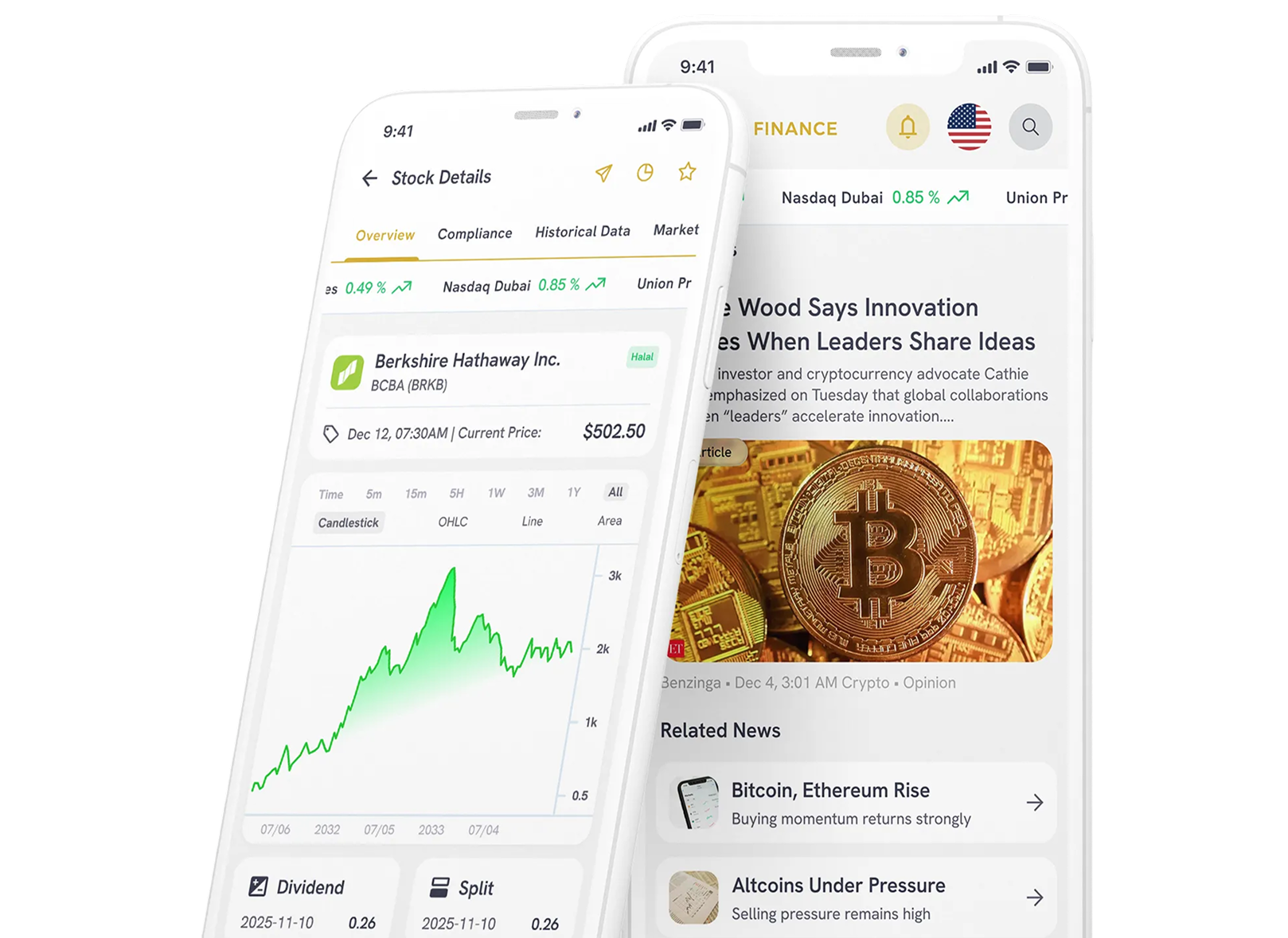
Track Global Markets in Real Time with UA Finance

Download the app now and access live financial data, expert analysis, and trusted economic news to follow stocks, forex, gold, and cryptocurrencies with ease.