

Hormuz Crisis Tightens as U.S. Blockade Freezes Flows


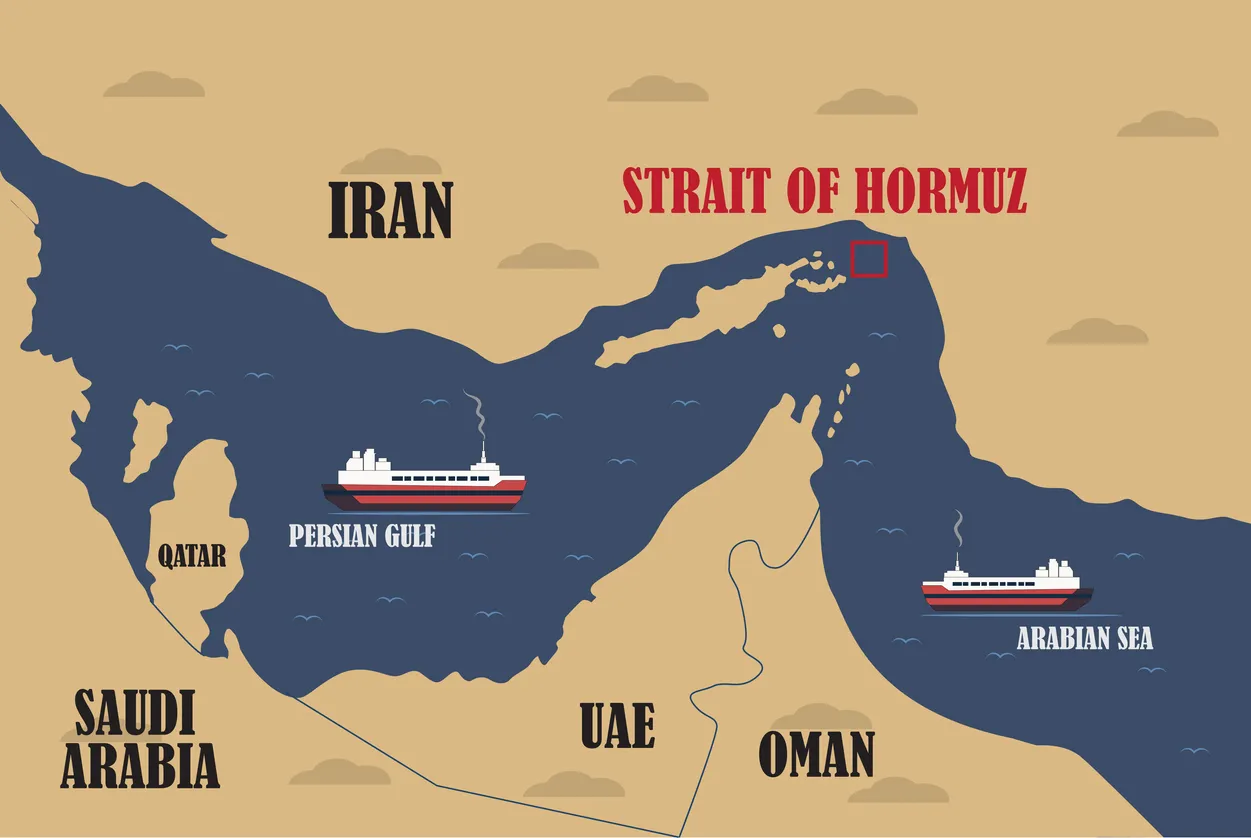
On Sunday, April 26, 2026, the Strait of Hormuz crisis intensifies as a U.S. blockade disrupts vital shipping lanes, amplifying fears over global supply chains and energy security.
When Lifelines Stall: Strait of Hormuz Crisis Escalates
The Strait of Hormuz crisis has entered a sharper phase, with a U.S. blockade effectively halting key shipping activity through one of the world’s most strategic maritime corridors. The disruption has swiftly reverberated across global trade networks, raising alarm over delayed cargo flows and strained logistics.
Shipping operators are grappling with mounting uncertainty as routes remain restricted, while insurers reassess risk exposure in the volatile corridor. The Strait of Hormuz crisis, a chokepoint for energy transit, is increasingly shaping expectations for supply continuity.
A Bottleneck with Global Consequences
Could a single passageway dictate global momentum? The unfolding Strait of Hormuz crisis suggests exactly that. As vessels remain sidelined, supply chains face tightening pressure, underscoring the fragility of interconnected markets.
The standoff continues to evolve, leaving industries closely watching every development tied to the Strait of Hormuz crisis and its ripple effects.