
Financial Markets News & Live Economy Updates

Breaking financial news with the latest on stocks, currencies, commodities, crypto, and the global economy.

Bitcoin's Market Rotation Signals a New Phase for Crypto Investors

Bitcoin's Market Rotation Signals a New Phase for Crypto Investors

July 21, 2026 – Bitcoin remained near the $65,000 level after recovering from its late-June lows, with on-chain data suggesting that a significant shift is taking place beneath the surface of the cryptocurrency market. Rather than focusing only on price action, analysts are increasingly monitoring the transfer of Bitcoin supply from long-term holders to a new generation of buyers. Long-Term Holders Continue to Shape the Market According to market data, long-term Bitcoin holders have gradually been distributing portions of their holdings while new investors absorb supply entering the market. Historically, similar rotations have occurred during major transition periods in Bitcoin's market cycle, often signaling changes in market leadership rather than immediate directional moves in price. Market Focus Expands Beyond Geopolitics While geopolitical tensions and monetary policy expectations continue to affect broader financial markets, Bitcoin's recent behavior suggests investors are paying closer attention to structural supply dynamics. The cryptocurrency has remained relatively resilient despite fluctuations in risk appetite, with market participants balancing Federal Reserve expectations against improving long-term adoption trends. Supply Trends Could Matter More Than Price Swings Analysts note that Bitcoin's current phase may be less about short-term volatility and more about who controls available supply. As long-term holders gradually transfer coins to newer market participants, investors are watching whether demand remains strong enough to absorb supply without triggering a deeper correction. The outcome could help determine the next major direction for the cryptocurrency market.

Artelo surges after news of an agreement on a glaucoma study

Artelo surges after news of an agreement on a glaucoma study

On Wednesday, March 18, 2026, Artelo Biosciences shares increased significantly after announcing a funded agreement to conduct a clinical study on the company’s cannabinoid-based glaucoma treatment. Artelo Jumps on New Glaucoma Drug Study Artelo Biosciences saw its shares jump by more than 30% after agreeing to study its drug, ART27.13, in patients with glaucoma. The partnership with the Belfast Health and Social Care Trust will assess the drug’s effectiveness in treating the condition by lowering intraocular pressure, an important factor in its progression. The project, funded by research organizations, offers an opportunity to extend the drug's use at an affordable cost. Why This Matters? The deal shows how small biotech companies can create significant value through partnerships, particularly when addressing unmet medical needs like glaucoma, which affects millions worldwide. Here are the most important factors: · Significant Market Response to Clinical Progress: Artelo’s stock jumped by more than 30% after the announcement, underscoring the biotech industry's reaction to clinical advances and new research partnerships that could lead to future revenue opportunities. · Focusing on the High-Impact Disease Area: Glaucoma impacts over 80 million people globally and is the leading cause of irreversible blindness. · New Cannabinoid-Based Approach: ART27.13 may selectively target the cannabinoid receptor in the periphery, avoiding effects on the brain and offering a safer way to control intraocular pressure. · Fully Funded Study Lowers Financial Risk: External funding has enabled Artelo to advance its pipeline without significant financial strain, which is especially important for small-cap biotech companies. · Expanding Beyond the Current Pipeline Focus: While ART27.13 was first designed to treat cancer-related conditions, the glaucoma treatment highlights the firm’s aim to extend the drug’s use and improve its long-term commercial prospects. · Early-Stage Opportunity with High Volatility: Although the stock is trending positively, the company is still in early clinical phases, so the final outcome remains uncertain. Momentum Builds for Biotech Sector through Innovation and Partnerships The emergence of Artelo illustrates how quickly innovation and partnerships can shape market perceptions. While risk remains, continued clinical validation could make it a major player in new therapeutic markets.

UA Finance20 March
UniCredit may improve its bid for Commerzbank after talks.

UniCredit may improve its bid for Commerzbank after talks.

On Wednesday, March 18, 2026, UniCredit said it might improve the terms of its bid for Commerzbank after holding "good talks," but management said this is unlikely unless there is significant progress. UniCredit Leaves Door Open for Improved Bid in Commerzbank Deal UniCredit has indicated it is willing to improve its bid for Commerzbank, suggesting there is room for flexibility in the bank’s offer. This comes at a time when the bank is in talks with Commerzbank, and CEO Andrea Orcel indicated that the bank may improve its bid if there is agreement on the strategic and integration issues. This comes at a time when the bank is seeking to expand in Europe, despite the challenges facing the acquisition bid, which have been resisted by Commerzbank and German authorities. Why This Matters? The situation highlights the need for cross-border consolidation in European banking, reflecting challenges from strategic goals, regulatory constraints, and shareholder pressures. Here are important points: · Better Offer Still Hinges on Conditions: UniCredit left the door open to revising its bid, but only if the talks result in significant convergence. Without significant progress on valuation and strategy, the improved terms are unlikely anytime soon. · Bid Aimed to Spark Negotiations: It is not immediately clear that this bid is focused on gaining immediate control, but rather on using it as an opportunity to get negotiations with Commerzbank started and break a long-standing impasse. · Modest Premium Limits Appeal: The UniCredit Group's offer has a relatively low premium, which was also criticized by Commerzbank's management. It has decreased interest in the offer, making it hard to justify. · Strong Resistance from Germany: The German authorities and Commerzbank management have opposed the offer, emphasizing the bank’s independence. Political and regulatory hurdles pose a significant challenge that could prevent any potential deal. · Market Reaction Shows Cautious Optimism: The positive movement in Commerzbank shares following the promise of better conditions suggests that investors remain confident in the potential for an improved offer, despite ongoing uncertainty. · Broader European Banking Shift: The bid is part of a larger move toward cross-border consolidation in Europe’s banking sector, where size and efficiency are increasingly important in a competitive, heavily regulated financial industry. Deal Uncertainty Persists Despite European Strategies UniCredit's hesitation to enhance its offer reveals both ambition and constraints. While strategic expansion remains essential, disagreements and valuation gaps indicate that, for a deal to succeed, greater compromise and consensus among all stakeholders will be necessary.

UA Finance20 March
Bitcoin retreats from highs amid geopolitical tensions.

Bitcoin retreats from highs amid geopolitical tensions.

On Wednesday, March 18, 2026, Bitcoin retreated from its six-week high amid escalating tensions in the Iran conflict. This sparked risk-off sentiment worldwide, leading to a drop in Bitcoin's value. BitBitcoin Retreats as Risk Sentiment Shifts Globally Bitcoin retreated from its six-week high as tensions in the Middle East heightened geopolitical risks worldwide, prompting investors to switch to risk aversion. The price of the digital currency dropped by 3–4 percent as it neared $76,000 this week. This demonstrates that the price of the digital currency responds to shifts in macro sentiment, even as it gains recognition as a safe haven. coin Retreats as Risk Sentiment Shifts Globally Bitcoin retreated from its recent six-week high amid rising tensions in the Middle East, which boosted risk aversion in global markets. The cryptocurrency fell 3-4% as it approached the $76,000 mark earlier in the week, amid a broader risk-off sell-off driven by uncertainty over the Iran-Iraq conflict. This retreat highlights that, while bitcoin is increasingly viewed as a hedge, it remains significantly affected by major shifts in global sentiment and continues to face strong headwinds from geopolitical instability and market volatility. Why This Matters? The fall in Bitcoin indicates that even popular cryptocurrencies are subject to global risk sentiment, especially amid geopolitical events that affect liquidity, investor behavior, and financial market stability. Here are six key factors: · Risk-Off Sentiment Contributes to Crypto Market Pullback: Amid these rising tensions between nations, investors are likely to de-risk by avoiding risky assets like crypto. As a result, this de-risking strategy can cause short-term declines in crypto assets that have recently demonstrated high upward momentum. · Bitcoin Still Tied to Macro Trends: This connection remains evident: despite being perceived as a hedge, Bitcoin still responds to financial conditions. When global financial markets become defensive, crypto markets usually follow suit, underscoring the correlation with traditional financial markets. · Volatility Continues to Define Bitcoin: The sharp drop in bitcoin's price from an almost $76,000 high underscores the asset's volatility. Volatility in bitcoin prices remains sharp, and sudden price changes are common, especially in uncertain times. · Geopolitical Risks Changing Market Dynamics: As geopolitical risks such as the Iran conflict emerge, they are affecting not just oil and stock markets but also cryptocurrency markets. Consequently, investors are reassessing their portfolios across asset classes, reflecting the increasingly interconnected global financial system. · Safe Haven Narrative Still in Development: While Bitcoin has appeared to act as a hedge amid geopolitical tensions, the recent pullback, however, suggests this narrative is still developing and has not yet become universally reliable. · Short-Term Pressure, Long-Term Interest Remains Strong: While the price might have dropped, interest in Bitcoin stays high, especially among institutional investors. Although these short-term price fluctuations occur, they do not appear to impact long-term interest in Bitcoin and other digital assets. Bitcoin Faces Challenges as Global Uncertainty Rises The recent drop in Bitcoin's price reflects the delicate balance between growth narratives and global economic conditions. As global uncertainties rise, investment sentiment is likely to remain weak, with volatility continuing to influence cryptocurrency prices.

UA Finance20 March
Bank of Canada Holds Rates, Signals Potential Increases

Bank of Canada Holds Rates, Signals Potential Increases

On March 18, 2026, the Bank of Canada kept interest rates unchanged but signaled that further increases are possible if inflation rises amid higher oil prices and ongoing economic uncertainty. Bank of Canada holds rates amid inflation uncertainty. The Bank of Canada has decided to hold its benchmark interest rate unchanged. The bank has also stated that it is prepared to increase interest rates should inflation prove more persistent. The bank has cited rising energy costs and geopolitical tensions as key risks that could drive inflation. Although inflation is still close to target, there is still some uncertainty. This uncertainty forces policymakers to carefully balance controlling inflation with supporting the economy's recovery. Why This Matters? The Bank of Canada's stance underscores the precariousness of the current economic environment, with inflation risks remaining high and the need for flexibility to respond quickly to unexpected global shocks. Here are important factors: · Rate Hold Reflects Careful Balancing Act: The Bank of Canada's decision to keep its interest rate steady shows the bank’s careful balancing act as it weighs risks on both sides. Although inflation hasn't completely disappeared, the economy isn’t strong enough to withstand tighter monetary policy without incurring downside risks. · Inflation Risks Still Linger: Although inflation is nearing the target rate, rising oil prices and global tensions might drive it higher again. Policymakers' message is clear: the fight against inflation is far from finished. · Oil Prices Adding New Uncertainty: The recent rise in oil prices is adding fresh uncertainty to the market, as energy prices often ripple through the rest of the economy. This makes it difficult for the central bank to predict inflation accurately. · Economic growth seems to remain fragile: Canada’s economy is showing signs of slowing, with weaker investment, softer jobs data, and consumer spending. This has made policymakers wary of taking steps that could further slow the economy. · A Challenging Policy Trade-Off Arises: A dilemma faces the central bank: whether to raise interest rates to reduce inflation or maintain them to boost economic growth. Both options are risky, which makes the situation more complicated than usual. · Markets Now Anticipate Potential Rate Hikes: Financial markets are now factoring in the possibility of future interest rate increases, especially if inflation remains high. This is due to the increasing uncertainty about the duration of inflation. Caution Prevails as Canada Handles Inflation Uncertainty Bank of Canada stresses vigilance amid an unpredictable economic environment. As inflation risks persist and growth remains delicate, banks stand ready to act if conditions shift suddenly.

UA Finance20 March
India FX Reserves Fall, Calls for Soft-Rupee Policy Rise

India FX Reserves Fall, Calls for Soft-Rupee Policy Rise

India’s declining FX Reserves on Wednesday, March 18, 2026, prompted calls for a softer policy on the Rupee, as heavy intervention by the Central Bank puts pressure on the Reserves amid rising Oil Prices and Outflows. India Faces Pressure as FX Buffer Shrinks Rapidly India’s foreign exchange reserves are under pressure as the country’s central bank continues to strengthen the rupee amid global volatility. Recent data show that the country’s foreign exchange reserves are shrinking rapidly, largely due to dollar sales and valuation losses. Experts in the field are concerned that the country may be losing foreign exchange reserves as it continues to defend the rupee, which may force it to adopt a flexible exchange rate. Oil prices are rising, and the country is experiencing increased capital outflows, further straining its foreign exchange reserves. Why does this matter? A decline in FX reserves reduces the country's capacity to support its currency, increasing the risks of currency volatility, inflation, and balance-of-payments disequilibrium, particularly in oil-importing economies like India amid rising global uncertainty, thereby threatening economic stability and growth. Here are key points: · FX Reserves Declining Quickly: India's reserves have been falling quickly over the last few weeks, due to actions by the central bank. This is preventing India from effectively handling sudden capital outflows and currency value fluctuations. · Import Cover Falling: Reserves cover fewer months of imports, at their lowest levels in years, suggesting external stability is declining. The concern with low cover is that it implies the country cannot sustain imports if conditions in the global arena deteriorate. · Heavy RBI Intervention: The Reserve Bank of India is selling dollars to stabilize the rupee, thereby accelerating the depletion of reserves. Excessive intervention by the Reserve Bank of India may deplete reserves. · Oil Prices Driving Pressure: Soaring crude prices are adding to the burden of higher imports, widening the trade deficit, and putting further pressure on the rupee. India, being a large importer of crude oil, is particularly vulnerable to the sustained pressure of higher energy prices. · Capital Outflows Heighten Risks: Foreign investors' exit will affect capital flows into the country. This will further put pressure on the currency and reserves. If these outflows persist, it could be an early sign of shifting global risk perceptions. · Debate Over Policy Strategy: Economists suggest adopting a more flexible exchange rate strategy. The value of the Rupee should be allowed to depreciate naturally rather than being defended. This would help save foreign exchange reserves and improve export competitiveness. India Balances Currency Stability and Reserve Sustainability India is in a critical policy situation as falling reserves are testing the sustainability of their ability to support the rupee. A move towards a more flexible exchange rate policy may help bolster reserves and adapt to global economic and geopolitical forces.

UA Finance20 March
ECB warns markets are underestimating geopolitical risks worldwide

ECB warns markets are underestimating geopolitical risks worldwide

On Wednesday, March 18, 2026, the European Central Bank warned that markets are underestimating geopolitical risks worldwide, cautioning against relaxing bank regulations amid rising global tensions and the risk of sudden market disruptions. ECB Highlights Geopolitical and Banking Risks The European Central Bank has emphasized that markets may be underestimating the risks posed by rising geopolitical tensions and banking risks. Rising geopolitical risks may cause markets to be quickly repriced if conflicts escalate. The banks are well-capitalized, but regulators are stressing the need for vigilant oversight, strict enforcement of the capital rule, and preparation for stress tests. Why is this important? When geopolitical risks are overlooked, they can lead to sudden stock market drops, economic instability, and wider financial problems. That’s why strong bank regulation and regular stress tests are so important for keeping the economy stable, especially in uncertain times. Here are the important points: · Markets Underpricing Risk: ECB officials are cautioning that markets are not fully reflecting geopolitical uncertainty, thereby increasing the risk of sudden, sharp asset price corrections. It seems that investors are becoming complacent and ignoring the risk of a sudden repricing of equities, bonds, and other assets worldwide. · Rising Global Tensions: Conflicts and geopolitical fragmentation could escalate rapidly across all financial markets. Tensions between major economies and trade conflicts create uncertainty that markets may not fully reflect. · Strong Bank Capital Buffers: Banks are still considered well-capitalized, but the ECB stresses the importance of maintaining existing buffers against unexpected economic shocks. Banks must maintain their capital reserves to ensure continued economic support through the loans they extend. · Warning Against Easing Regulations: The ECB has warned against easing banking regulations. The bank has stated that less stringent regulations could threaten bank stability during crises. Easing of regulations could make banks more vulnerable, especially as risks become more complex and interconnected. · Interconnected Financial Risks: The increased interconnection between banks and non-bank financial institutions makes financial contagion more likely during periods of financial stress. Instability in financial systems can easily spread, making it difficult to manage crises. · Stress Testing Focus: The ECB aims to enhance the effectiveness of stress tests to assess banks' ability to withstand financial and geopolitical shocks. These tests will help identify vulnerabilities in a timely manner and make banks more resilient in severe adverse economic scenarios. ECB Calls for Caution as Global Risks Grow This warning from the ECB highlights rising concern that markets may be overly complacent at this moment amid rising geopolitical risks. Maintaining strict banking regulations is essential to maintaining stability amid uncertainty.

UA Finance20 March
US producer prices increased more than expected.

US producer prices increased more than expected.

US Producer Prices Rise, Indicating Future Inflation Risks U.S. producer prices increased more than expected in February, heightening concerns that inflation remains persistent. The Producer Price Index rose 0.7% month over month and 3.4% year over year, surpassing forecasts, mainly due to higher service costs. This strong reading comes as the Federal Reserve considers inflation trends and a weakening labor market. Geopolitical tensions and rising energy prices may continue to contribute to cost pressures in the coming months. Why Does This Matter? Stronger producer inflation indicates ongoing upstream cost pressures, which could result in higher consumer prices. This may complicate the Federal Reserve's policy decisions, as markets anticipate rate cuts even amid persistent geopolitical and energy-related inflation risks. Here are key factors: · Inflation surging more than expected: Building on this, producer prices increased by 0.7% month over month, compared to expectations of 0.3%, indicating stronger-than-anticipated inflationary pressures across goods and services. · Annual inflation speeds up: As a result, the year-over-year PPI rose to 3.4%, a significant jump from previous months and indicating ongoing inflationary pressures. · Services Driving Price Growth: Additionally, higher service costs significantly contributed to the rise, indicating widespread inflation beyond volatile goods sectors. · Energy Prices Add Pressure: Rising oil prices linked to geopolitical tensions are expected to further push inflation higher in the coming months. · Fed Policy Outlook Impacted: Hotter inflation reduces the likelihood of near-term rate cuts, reinforcing expectations that the Federal Reserve may remain cautious. · Pipeline to Consumer Inflation: Producer prices often pass through to consumer prices, suggesting continued upward pressure on CPI and broader inflation indicators. Inflation Pressures Persist as Fed Faces Policy Dilemma The recent increase in producer prices underscores the challenge policymakers face as inflation pressures linger above target. The energy price shock and sustained service cost pressures may mean that markets need to reassess expectations of monetary policy easing.

UA Finance20 March
Global Markets Show Mixed Trends as Tech and AI Stocks Shape 2026 Outlook

Global Markets Show Mixed Trends as Tech and AI Stocks Shape 2026 Outlook

Are Global Markets Entering a New Phase of Growth and Volatility? Global financial markets are showing mixed signals as investors balance optimism around technology with ongoing economic uncertainty. According to Yahoo Finance, stock indexes have recently fluctuated, reflecting both strong momentum in tech sectors and caution across broader markets. Recent sessions saw major indexes such as the S&P 500 and Nasdaq experience swings, as investors reacted to changing economic data and shifting expectations. At the same time, technology stocks—especially those tied to artificial intelligence—continue to provide underlying support. Technology and AI Stocks Continue to Lead Market Trends One of the most noticeable trends shaping global markets is the continued strength of technology and AI-related companies. Firms like Nvidia and Meta remain central to market performance as demand for artificial intelligence solutions grows. Recent updates highlight ongoing innovation, including new AI chip developments and large-scale infrastructure investments. These advancements are reinforcing investor confidence and helping drive gains in key sectors. However, analysts also point out that markets are becoming increasingly concentrated around a few major tech players, which could increase volatility if sentiment shifts. Economic Data and Inflation Shape Investor Sentiment Beyond technology, macroeconomic factors continue to influence market direction. Inflation data, employment reports, and interest rate expectations all play a critical role in shaping investor decisions. Recent reports suggest inflation has shown signs of stabilizing, while labor market data remains mixed. These conditions are creating a cautious environment where investors are balancing growth opportunities with potential risks. As a result, markets are experiencing periods of both optimism and hesitation. What This Means for Global Market Trends in 2026 The current market environment reflects a transition phase, where innovation-driven growth meets economic uncertainty. While AI and technology continue to drive long-term optimism, short-term fluctuations are likely to remain. For investors, this highlights the importance of diversification and staying informed about both sector trends and macroeconomic developments. As 2026 progresses, global markets are expected to remain dynamic, shaped by the ongoing evolution of technology and the broader economic landscape.

UA Finance20 March
UBS Chief Executive Criticizes Fears About Bank Regulations

UBS Chief Executive Criticizes Fears About Bank Regulations

On March 19, 2026, UBS chief executive Sergio Ermotti responded to concerns about "fear-mongering" in Switzerland’s debate over banking regulations. He stated that adding more rules could affect the country’s stability, competitiveness, and economic strength as new capital reforms are considered.UBS Opposes Stricter Banking Regulations UBS Group CEO Sergio Ermotti sharply criticized what he called “fearmongering” around the current banking regulations in Switzerland. He argued that the country risks undermining the trust and stability of its financial markets if it overreacts to the dangers. These comments came as Switzerland works to implement new capital rules following Credit Suisse's collapse in 2023 and its subsequent takeover by UBS. In his speech, he emphasized that regulation should be fair, consistent, and aligned with international standards, without being influenced by short-term political interests. The debate is expected to intensify as the government prepares to announce new regulations. Why This Matters? The debate over how to regulate banks highlights a bigger challenge: finding the right balance between stability and competitiveness in global financial systems. Too many rules can lower risk, but they might also make banks less competitive and limit their role in supporting economic growth. · The balance between regulation and competitiveness is a key issue: Tighter capital rules could put UBS at a competitive disadvantage, especially against banks with lower capital requirements. This might lead to a loss of Switzerland's status as a financial center. · Reforms following the crisis are driving policy changes: The recent collapse of Credit Suisse has prompted policymakers to push for stricter rules to prevent future crises. However, banks argue that current rules are already adequate. · Fear-driven policymaking could be counterproductive: Ermotti has said that policymakers should not act out of fear, as this could have negative long-term effects. Excessive rules can be counterproductive, leading to less lending, lower profits, and slower economic growth. · Capital rules are at the core of the debate: The new rules may force UBS to set aside much more capital, especially for its foreign subsidiaries. Although this will enhance safety, it will also tie up capital, thereby limiting investment and growth opportunities. · Global coordination is emerging as a critical issue: Inconsistent financial systems in different countries result in uneven levels of competition. Ermotti highlighted the need to harmonize financial rules worldwide so that banks compete on a level playing field across the world’s leading financial centers. · Investor sentiment remains vulnerable: Continuing unclear regulation is influencing bank share prices. The world is watching how the Swiss balance safety and growth, as this will redefine the banking sector’s prospects in Europe. A Crucial Moment for Swiss Banking The clash between UBS and financial authorities highlights a key issue for Switzerland’s financial future. It comes at a time when policymakers are working to finalize a package of banking regulations

UA Finance19 March
3 Key Events That Could Impact Markets in 2026 Investors Must Watch

3 Key Events That Could Impact Markets in 2026 Investors Must Watch

Thursday, January 9, 2026 – 11:20 AM – Source: Investing.com Could These 3 Events Shake Global Markets in 2026? Financial markets entered 2026 with strong momentum, but analysts warn that several key risks could quickly change the outlook. According to Investing.com, there are three major events investors should monitor closely, as they have the potential to push markets lower despite recent optimism. While bullish sentiment has dominated early forecasts, history shows that unexpected shifts can disrupt even the strongest trends. Understanding these risks is becoming essential for investors aiming to navigate an increasingly complex financial landscape. Rising Treasury Yields Could Pressure Equity Markets One of the most significant risks is a sharp increase in government bond yields. A sudden rise in Treasury yields can make borrowing more expensive and reduce the appeal of equities. Analysts note that a similar surge in yields previously triggered a steep market downturn, highlighting how sensitive stocks are to changes in interest rates. If yields climb again in 2026, it could lead to tighter financial conditions, slowing economic activity and putting pressure on stock valuations. Overconfidence in Market Forecasts Raises Red Flags Another concern is the growing consensus among market strategists that stocks will continue to rise. While optimism can drive markets higher, too much agreement is often seen as a warning sign. When investors become overly confident, markets can become vulnerable to sudden corrections. Analysts caution that this “crowded trade” environment may increase volatility if expectations fail to materialize. This makes sentiment itself a key factor that could influence market direction in the months ahead. Economic Uncertainty and Global Risks Remain Key Factors Beyond yields and sentiment, broader economic uncertainty continues to pose a challenge. Factors such as inflation trends, growth expectations, and financial conditions all play a role in shaping market performance. Recent global developments suggest that markets may still be underestimating potential risks, especially in a rapidly changing economic environment. As a result, investors are increasingly focused on balancing growth opportunities with risk management strategies. What Investors Should Take Away From These Market Risks The outlook for 2026 remains a mix of opportunity and caution. While strong trends such as artificial intelligence and technology investment continue to support markets, underlying risks cannot be ignored. For investors, the key takeaway is to stay informed and diversified. Monitoring interest rates, market sentiment, and economic signals will be essential in navigating potential volatility. In a year full of uncertainty, preparation—not prediction—may be the most valuable strategy.

UA Finance19 March
US Stock Futures Rise as AI Optimism Lifts Market Sentiment

US Stock Futures Rise as AI Optimism Lifts Market Sentiment

Tuesday, March 3, 2026 – 09:05 AM – Source: Investing.com Is AI Optimism Driving the Latest Rise in US Stock Futures? US stock futures moved higher as investors regained confidence, with artificial intelligence playing a key role in lifting market sentiment. According to Investing.com, renewed optimism around AI technologies is helping markets recover after recent declines. The positive movement reflects a shift in investor mood, as traders increasingly focus on long-term growth opportunities rather than short-term volatility. Technology stocks, particularly those linked to artificial intelligence, are once again leading the upward trend. This suggests that AI remains a central theme shaping market direction in 2026. AI Investment Trends Fuel Market Recovery The rebound in futures highlights the growing impact of AI investment trends on overall market performance. Companies at the forefront of artificial intelligence are attracting strong investor interest, driven by expectations of future earnings growth. Firms like Nvidia and Microsoft continue to benefit from rising demand for AI-powered solutions. Their role in providing chips, cloud services, and infrastructure has made them key players in the current market rally. As a result, AI-focused stocks are not only recovering but also helping stabilize broader market indices. Technology Stocks Lead as Risk Appetite Returns Another important factor behind the rise in US stock futures is the return of investor risk appetite. After a period of caution, traders are once again willing to invest in growth-oriented sectors, particularly technology. The technology stock rebound is closely tied to the expansion of artificial intelligence across industries. Businesses are increasing spending on AI tools, cloud computing, and automation, creating new revenue opportunities for tech companies. This renewed confidence is contributing to stronger market performance and encouraging further investment in innovation-driven sectors. What This Means for Market Momentum Ahead The rise in US stock futures signals a potential turning point in market sentiment. As AI continues to drive innovation and investment, its influence on financial markets is becoming more pronounced. For investors, this trend highlights the importance of staying focused on sectors with strong growth potential. If AI momentum continues, it could play a major role in shaping market performance in the months ahead, supporting both technology stocks and broader economic recovery.

UA Finance19 March
TTF Gas Price Set for Q2 Jumps on European Supply Tightening

TTF Gas Price Set for Q2 Jumps on European Supply Tightening

European markets opened Tuesday, 17 March 2026, as Goldman Sachs flagged stronger upside for TTF natural gas prices this spring amid tightening gas fundamentals and supply disruption. The outlook comes as Europe faces constrained supply flows and shifting LNG patterns, potentially pushing Dutch gas futures higher in Q2 2026. Goldman: European Gas Tightness to Boost TTF Prices in Q2 Market Pressure on Europe’s Gas Benchmark · Supple squeeze: Roughly 19% of global LNG capacity remains offline due to halted flows through the Strait of Hormuz and a shutdown at Qatar’s LNG facilities. · Forecast shift: Goldman holds its Q2 TTF forecast at €63/MWh, signaling elevated prices may be needed to balance the market if disruptions outlast early-May recovery. · Demand response: Gas-to-coal switching has cut regional demand by >20 mcm/d, but stronger seasonal consumption could tighten balances further. · Limited offsets: Alternative supply routes or output increases from other producers are unlikely to fully mitigate the current shortfall. Implications for Europe’s Winter Recovery Phase Goldman’s outlook suggests prices may need to climb into the oil-switching range (~€57-84/MWh) to curb demand and stabilize inventories as Europe transitions into its refill season. Market direction will hinge on LNG flow restoration and seasonal demand patterns. Tight Gas Fundamentals Persist. Goldman Sachs says European gas market tightening and LNG disruptions could lift TTF prices further in Q2 2026, keeping benchmarks elevated.

UA Finance19 March
Trump Summit Delay Pressures US-China Trade Truce

Trump Summit Delay Pressures US-China Trade Truce

Tuesday, March 17, 2026, brings renewed pressure on the US-China trade truce as a Trump summit delay raises uncertainty across global markets. The postponed meeting is casting doubt on the direction of trade negotiations.Trump Summit Delay Casts Shadow on Trade StabilityA postponement of the anticipated summit between U.S. President Donald Trump and China’s leadership has unsettled the US-China trade truce, introducing fresh uncertainty into bilateral relations. The delay comes amid geopolitical tensions linked to the Iran conflict and disruptions in the Strait of Hormuz, which have diverted Washington’s attention.Despite recent constructive trade discussions in Paris, analysts warn that the absence of high-level engagement could slow progress on critical issues such as tariffs, agricultural trade, and supply chains.· Geopolitical pressure: The Iran conflict influencing diplomacy· Trade negotiations: Momentum risks slowing· Market impact: Heightened volatility expectationsChinese officials continue to emphasize stability, while U.S. policymakers signal that the delay is largely logistical rather than trade-related.Outlook Hinges on Diplomatic TimingThe US-China trade truce remains in place, but the summit delay underscores how quickly external factors can reshape economic dialogue. Continued communication between both sides suggests willingness to proceed, yet timing will be critical in maintaining progress.

UA Finance19 March
AI Data-Center Stocks Attract Investors Amid Surging Infrastructure Demand

AI Data-Center Stocks Attract Investors Amid Surging Infrastructure Demand

Tuesday, March 10, 2026 – 12:15 PM – Source: Investing.comAre AI Data Center Stocks the Next Big Investment Opportunity?As artificial intelligence continues to expand across industries, investors are shifting their attention toward a new segment of the market—data center and infrastructure stocks. According to Investing.com, companies supporting AI computing are becoming increasingly attractive due to their long-term growth potential.The growing reliance on AI tools, cloud platforms, and digital services is fueling demand for the infrastructure that powers these technologies. As a result, data center companies are now seen as essential players in the evolving tech ecosystem. AI Stocks Gain Momentum With Rising Data-Center InvestmentThe surge in AI stocks is closely tied to increased data center investment. Companies like Nvidia, Equinix, and Digital Realty are gaining investor attention as demand for AI infrastructure accelerates.These firms provide the hardware, facilities, and networking capabilities required to support artificial intelligence applications. From high-performance chips to large-scale server farms, their role in the AI supply chain is becoming more critical.Investors are increasingly viewing these companies as long-term growth opportunities rather than short-term market trends. Semiconductor and Infrastructure Growth Drive Market InterestThe expansion of semiconductor and infrastructure growth is another key factor behind this trend. AI systems require powerful processors and reliable data storage solutions, creating strong demand for both chipmakers and data center operators.As businesses adopt AI technologies at a faster pace, infrastructure providers are experiencing higher revenues and stronger market positioning. This has made them appealing to both institutional and retail investors looking to benefit from the AI boom.In addition, the stability of infrastructure-related businesses offers a level of predictability that many investors find attractive in a rapidly changing tech landscape. What Investors Should Watch in the AI Infrastructure Space​The growing interest in AI data center stocks highlights a broader shift in how investors approach the technology sector. Instead of focusing solely on software companies, attention is now turning to the physical backbone that supports AI innovation.For investors, this means evaluating companies based on their ability to scale infrastructure, manage costs, and meet rising demand. As AI adoption continues to grow, data center investments are likely to remain a key driver of market opportunities in the years ahead.

UA Finance19 March
NZ Economy Grows Modestly, Missing Forecasts

NZ Economy Grows Modestly, Missing Forecasts

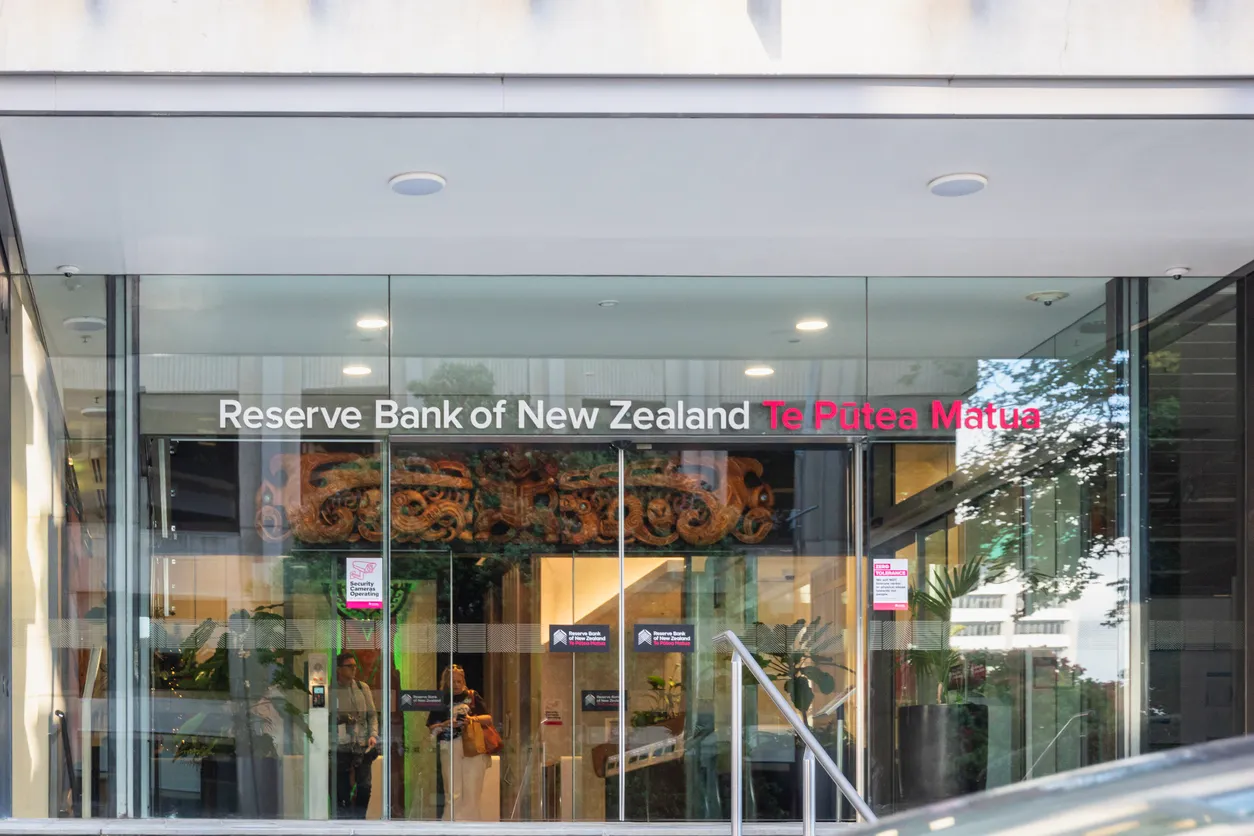
New Zealand’s economy showed modest growth in the fourth quarter, falling short of expectations. The data supports the Reserve Bank of New Zealand’s cautious approach to interest rates, reflecting a recovery still in its early stages. Key sectors contributed unevenly, highlighting the ongoing challenges for broader economic momentum. Statistics New Zealand reported that GDP increased 0.2% quarter-on-quarter in Q4, below analysts’ forecast of 0.4% and the Reserve Bank’s projection of 0.5%. On a yearly basis, GDP rose 1.3%, missing estimates of 1.7%. Despite underwhelming figures, the economy showed signs of gradual improvement following a prolonged period of weak activity, though substantial spare capacity persists. The Reserve Bank of New Zealand has lowered the official cash rate by 325 basis points since August 2024, settling at 2.25% in February. The central bank noted that growth is broadening, but the recovery remains at an early stage. The largest contributor to Q4 GDP was rental, hiring, and real estate services, which grew 0.8%. Other sectors displayed uneven performance, indicating pockets of strength alongside lingering softness. Metric Q4 Actual Forecast RBNZ Projection GDP QoQ 0.2% 0.4% 0.5% GDP YoY 1.3% 1.7% — Cash Rate 2.25% — — The data validates the RBNZ’s decision to hold rates steady, balancing early signs of recovery against persistent slack in the economy. With global uncertainties like the recent Israeli-U.S. conflict and oil price spikes still looming, the outlook remains cautious. Can New Zealand sustain growth as external pressures mount, or will the recovery stall further?

UA Finance19 March

Track Global Markets in Real Time with UA Finance

Download the app now and access live financial data, expert analysis, and trusted economic news to follow stocks, forex, gold, and cryptocurrencies with ease.