

New Zealand Central Bank Warns Energy Shock Rate Hikes


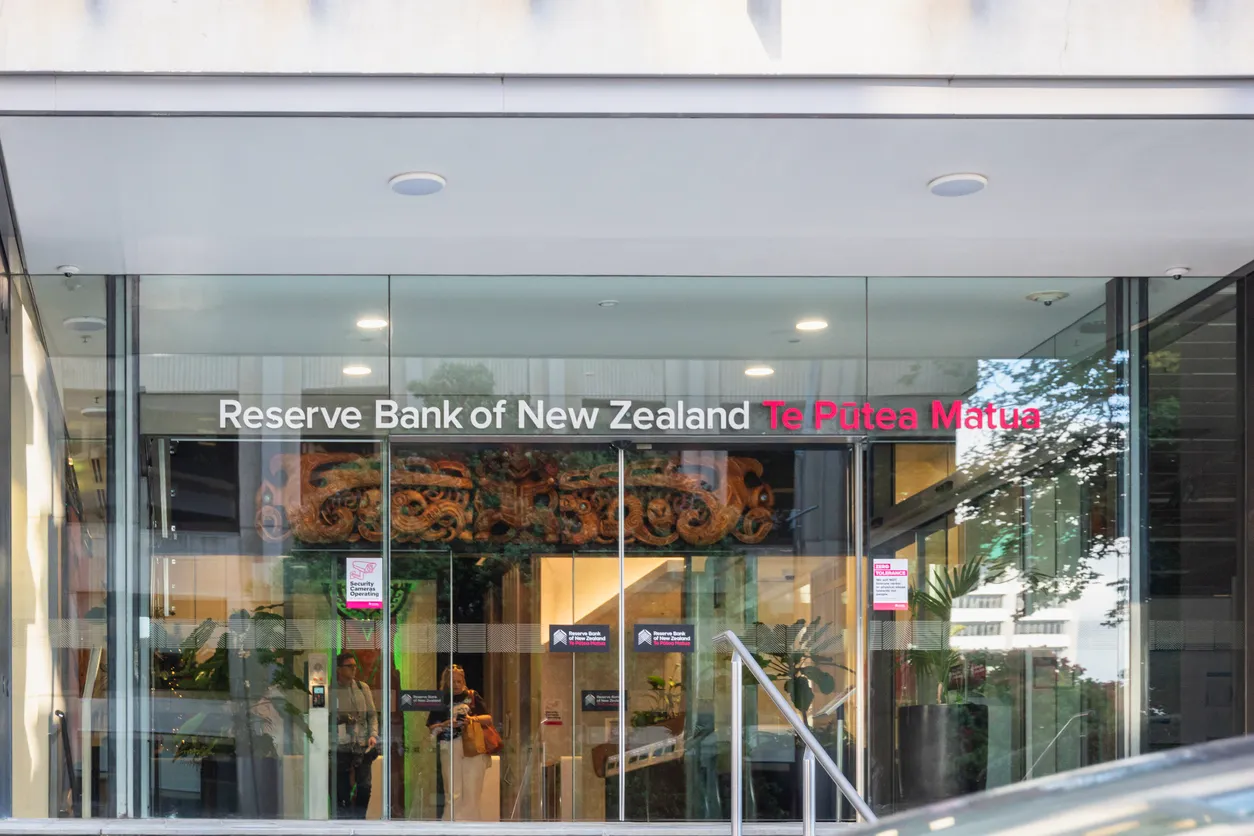
On Tuesday, March 24, 2026, the RBNZ warns it could force rate hikes if the energy shock continues and inflation risks rise. Policymakers emphasize caution, balancing temporary price spikes against the danger of persistent inflation driven by global oil volatility.
RBNZ Signals Rate Hike Amid Energy Shock
Governor Anna Breman, that temporary fuel price spike may be overlooked, but if tensions are prolonged, it would require policy tightening. Inflation is already above the bank's target band, and markets are pricing a potential hike as early as May. Policymakers are balancing a fine line between inflation control and economic stability.
Energy Shock Policy Response Matrix
Scenario | Energy Shock Duration | Inflation Impact | Central Bank Response | Market Impact |
Temporary Spike | Sort-Term | Mild | Hold Rates | Stable |
Extended Volatility | Medium-Term | Rising | Hawkish Guidance | Volatile |
Prolonged Shock | Long-Term | Entrenched | Rate hikes | Bearish bonds |
Severe supply Disruption | Persistent Crisis | High Inflation | Aggressive tightening | Risk-off |
Duration Drive Policy Decisions
Duration is a key factor, not just the magnitude of the energy shock, in determining policy. If inflation persists, the central bank may be forced into a tightening cycle despite weak growth and uncertainty.