
Financial Markets News & Live Economy Updates

Breaking financial news with the latest on stocks, currencies, commodities, crypto, and the global economy.

Bitcoin's Market Rotation Signals a New Phase for Crypto Investors

Bitcoin's Market Rotation Signals a New Phase for Crypto Investors

July 21, 2026 – Bitcoin remained near the $65,000 level after recovering from its late-June lows, with on-chain data suggesting that a significant shift is taking place beneath the surface of the cryptocurrency market. Rather than focusing only on price action, analysts are increasingly monitoring the transfer of Bitcoin supply from long-term holders to a new generation of buyers. Long-Term Holders Continue to Shape the Market According to market data, long-term Bitcoin holders have gradually been distributing portions of their holdings while new investors absorb supply entering the market. Historically, similar rotations have occurred during major transition periods in Bitcoin's market cycle, often signaling changes in market leadership rather than immediate directional moves in price. Market Focus Expands Beyond Geopolitics While geopolitical tensions and monetary policy expectations continue to affect broader financial markets, Bitcoin's recent behavior suggests investors are paying closer attention to structural supply dynamics. The cryptocurrency has remained relatively resilient despite fluctuations in risk appetite, with market participants balancing Federal Reserve expectations against improving long-term adoption trends. Supply Trends Could Matter More Than Price Swings Analysts note that Bitcoin's current phase may be less about short-term volatility and more about who controls available supply. As long-term holders gradually transfer coins to newer market participants, investors are watching whether demand remains strong enough to absorb supply without triggering a deeper correction. The outcome could help determine the next major direction for the cryptocurrency market.

Dollar Dominance in Oil Markets Under Pressure

Dollar Dominance in Oil Markets Under Pressure

On Saturday, March 21, 2026, the dollar’s decades-long dominance in the world’s oil markets faces new challenges as Gulf countries shift their trade patterns, raising questions about the petrodollar system amid rising tensions and shifting alliances. Structural Shifts in Oil Trade in the Gulf Weigh on the Dollar The dollar's dominance in the oil trade is being structurally tested as Gulf countries begin to rethink how they manage their oil revenues. The traditional petrodollar system has always seen the oil trade trigger demand for dollar assets, especially US Treasury bonds. However, current patterns show a shift in the management of sovereign wealth funds, as they begin investing in local projects and partnering with other countries. This could test the traditional petrodollar system along with its long-term effects on the dollar. Why This Matters? A shift away from dollar-based oil trade could significantly alter the global financial system, in turn affecting the stability of the US dollar and the relative economic positions of the US and emerging economies. Here are the key important factors: · Petrodollar System Under Pressure: The petrodollar system, which has been a major factor in the stability and demand for the US dollar, has been under pressure lately, and its future sustainability is a matter of concern, especially given the Gulf countries’ investment strategies and the current geopolitical landscape. · Gulf Capital Reallocation: The Gulf countries’ sovereign wealth funds are no longer investing their oil profits in the US financial system, which would otherwise increase the demand for the US dollar. Instead, the Gulf countries are investing their wealth in their domestic infrastructure. · Rise of Non-Dollar Trade: The major oil-consuming countries in Asia are seeking alternative currencies for oil trade, reflecting the current global trend of countries moving away from the US dollar in international trade. · Geopolitical Fragmentation: The conflicts in the Middle East and the instability along key routes, including the Strait of Hormuz, are driving a rise in trade alliances, prompting countries to seek alternatives to the Western financial system. · Impact on US Financial Markets: A slowdown in the recycling of petrodollars may reduce demand for US Treasuries, leading to higher borrowing costs and impacting US financial markets. · Long-Term Structural Change: Though the dollar is still the strongest currency, trends indicate a move towards a new, more multipolar structure, a gradual process that rules out the possibility of a collapse in the dollar's influence. Is the financial world entering a new era? The petrodollar system is certainly not going to disappear anytime soon, but it is definitely changing. As Gulf countries reassess their capital flows today, the dollar's grip on the oil markets is being put to its most significant test in decades, thus marking the beginning of a new era in the world's economic order.

UA Finance22 March
Global Markets Pause as Rising Oil Prices Shift Risk Sentiment

Global Markets Pause as Rising Oil Prices Shift Risk Sentiment

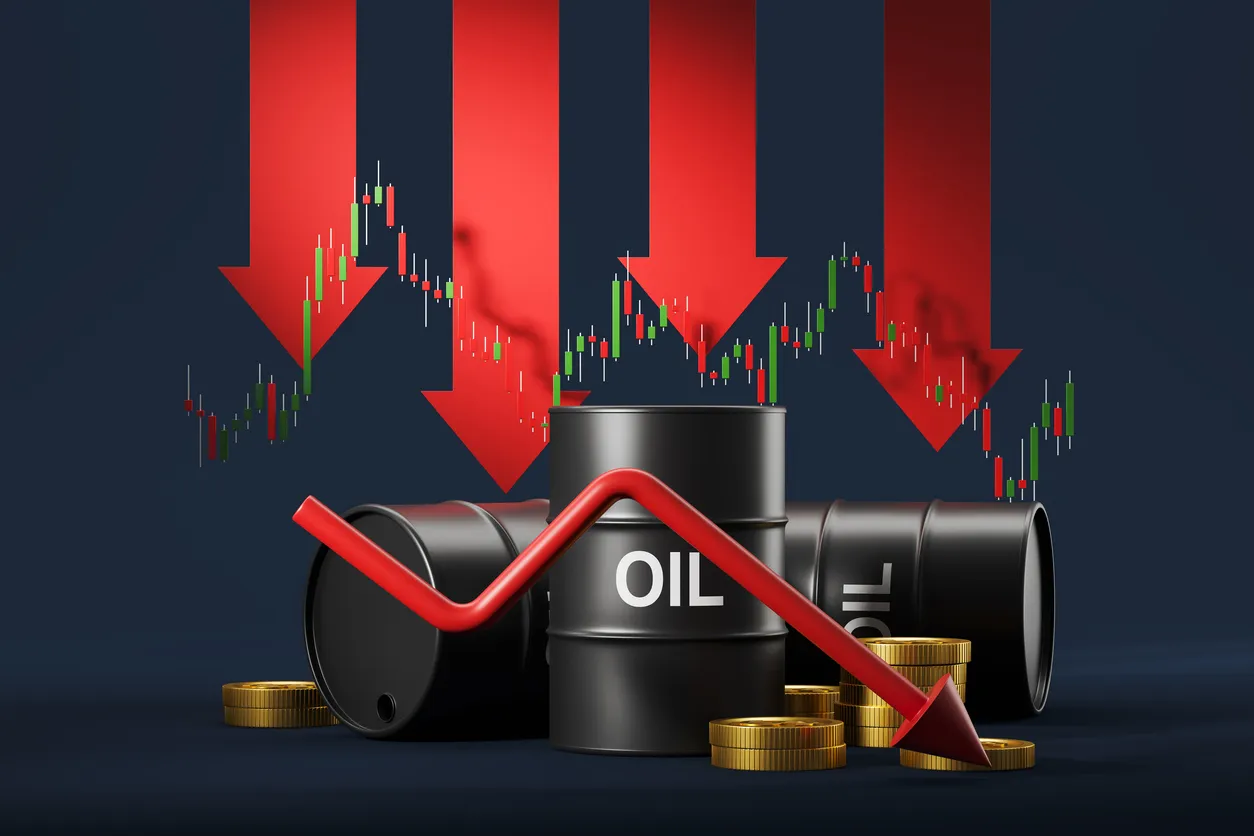
Wednesday, March 5, 2026 – 08:30 AM – Source: Investing.com Are Global Markets Losing Momentum as Oil Prices Rise? Global financial markets are showing signs of hesitation as rising oil prices begin to influence investor behavior. According to Investing.com, markets are “taking a breath” after recent volatility, with traders reassessing risk amid shifting economic signals. This pause reflects a broader change in sentiment. While equities had previously shown resilience, the recent rise in energy prices is forcing investors to reconsider inflation risks and future monetary policy decisions. Oil Prices Become the Key Driver of Market Sentiment One of the most important factors shaping markets right now is the movement in oil prices. When crude rises, it tends to increase inflation expectations, which can negatively impact stocks and bonds. Recent data suggests that global stocks had started to recover earlier losses but remain sensitive to energy market fluctuations. Analysts note that oil is acting as a “master lever” across asset classes—when prices rise, fears of inflation return; when they fall, risk appetite improves. This dynamic is making energy markets central to understanding broader financial trends. Risk Sentiment Shifts as Investors Turn Cautious As oil prices climb, investors are becoming more cautious, shifting toward a risk-off approach. Higher energy costs can slow economic growth and reduce corporate profitability, which weighs on market performance. Recent global developments have also contributed to uncertainty, reinforcing a wait-and-see attitude among investors. Markets are now reacting not just to economic data but also to external shocks that can quickly change expectations. This shift in risk sentiment highlights how fragile market confidence can be when key variables like inflation and energy costs are in flux. What This Means for Investors in 2026 The current pause in global markets suggests that investors are recalibrating their strategies. Oil prices, inflation trends, and central bank responses will continue to play a major role in shaping market direction. For investors, staying informed and flexible is essential. Periods like this often bring both risks and opportunities, depending on how quickly market conditions evolve. As 2026 unfolds, understanding the relationship between energy markets and financial assets will be critical for navigating uncertainty and identifying long-term growth potential.

UA Finance22 March
US Releases Strategic Oil to Counter Price Spike

US Releases Strategic Oil to Counter Price Spike

The United States has begun releasing millions of barrels of oil from its emergency reserve to stabilize rising oil prices. The decision comes as the war between Russia and Ukraine continues, thereby disrupting the oil supplies. The international community has had to make concerted efforts to address the war's effects on oil prices. US Deploys Strategic Petroleum Reserve to Stabilize Oil Markets The United States has awarded a contract to loan 45.2 million barrels of crude oil from its Strategic Petroleum Reserve (SPR) to top energy companies, as part of a larger strategy to help stabilize oil markets driven up by conflict between nations. Why This Matters? This is a significant move in global energy markets and signals that governments are increasingly relying on their strategic reserves as a first line of defense against supply disruptions and economic instability. Here are the most important points: · Immediate Supply Relief: This release of 45.2 million barrels is a short-term supply relief to the global oil markets, helping to alleviate the impact of the recent uptick in geopolitical tensions. · Part of a Larger Strategy: This is just over half of an 86-million-barrel plan targeted by the US, but in total, they are looking to release 172 million barrels over time. · Global Coordination: This is part of a larger strategy outlined by the International Energy Agency, in which over 30 countries are releasing 400 million barrels into the market. · Oil Loan Structure: This oil is not being sold; it is being loaned to these companies, and they have to pay it back with a premium of 18-22%. · Strategic Reserve Dynamics: The current US SPR holds 415 million barrels, and it is a vital component in addressing the global energy crisis, though it is still not at full capacity. · Market Stabilization vs. Risk: Though the current release might help stabilize oil prices in the short term, analysts have already noted that the current geopolitical situation might not allow it to have a long-term impact. Important Market Signs to Monitor · Direction of oil price after SPR injections. · Risks of geopolitical tensions to supply routes. · Effectiveness of IEA coordination among its member countries. · Influence of return premium on reserves to be accumulated in the future. · Participation rates of energy companies. Strategic Reserves Take Center Stage The US's move to tap its strategic reserves reflects the growing prominence of strategic reserves in addressing global energy crises. The short-term effects of the move are positive. Still, its long-term viability will depend on geopolitical developments and on cooperation among major economies to address an increasingly unstable global energy situation.

UA Finance22 March
Bond Yields Fall as CPI Data Strengthens Fed Rate-Cut Expectations

Bond Yields Fall as CPI Data Strengthens Fed Rate-Cut Expectations

Thursday, February 13, 2026 – 11:10 AM – Source: Bloomberg Are Falling Bond Yields Signaling a Shift Toward Rate Cuts? Financial markets are closely watching bond yields as new inflation data shapes expectations for monetary policy. According to Bloomberg, Treasury yields declined after consumer price index (CPI) data suggested inflation may be stabilizing, keeping hopes alive for potential Federal Reserve rate cuts. This movement in bond markets reflects growing optimism that central banks could begin easing policy later in the year, depending on how inflation trends evolve. CPI Data Supports Expectations for Monetary Easing Recent CPI figures have played a key role in influencing market sentiment. Signs that inflation is cooling—even gradually—are encouraging investors to believe that the Federal Reserve may not need to maintain high interest rates for an extended period. When inflation slows, central banks typically gain more flexibility to reduce borrowing costs. This has strengthened Fed rate-cut expectations, which in turn has driven demand for bonds and pushed yields lower. The response highlights how sensitive markets are to economic data, especially inflation indicators. Falling Yields Reflect Shifting Investor Strategy Bond yields move inversely to prices, so declining yields suggest that investors are buying government securities as they anticipate future rate cuts. This shift often signals a move toward safer assets during periods of uncertainty. However, market expectations can change quickly. In more recent developments, rising inflation risks—driven by factors such as higher energy prices—have at times reduced confidence in rate cuts, showing how dynamic the outlook remains. This back-and-forth highlights the delicate balance between inflation trends and monetary policy decisions. What This Means for Markets in 2026 The decline in bond yields suggests that investors are still hopeful about a more supportive interest rate environment. Lower rates can boost stock valuations, encourage borrowing, and support economic growth. For investors, the key takeaway is to monitor inflation data closely. CPI reports, central bank signals, and market reactions will continue to shape expectations throughout 2026. As markets adjust to new economic realities, bond yields will remain a critical indicator of where monetary policy—and broader financial trends—are heading next.

UA Finance22 March
Bitcoin Stabilizes After Oil-Driven Selloff

Bitcoin Stabilizes After Oil-Driven Selloff

On Saturday, March 21, 2026, Bitcoin is stabilizing around $71,000 after a sharp decline, driven by a surge in oil prices and a hawkish Federal Reserve, which is increasingly shaping the course of cryptocurrency markets. Bitcoin Faces Macro Pressure as Oil Surge, Fed Outlook Weigh on Crypto Bitcoin held steady above $70,000 after slipping below $69,000, but is now set to record a weekly decline, signaling a shift in market sentiment. Analysts believe a range of factors, including global disputes, inflationary forces from rising oil prices, and reduced expectations of a rate cut, are driving Bitcoin's decline. However, for long-term investors, Bitcoin is stable, but macroeconomic factors are now playing a major role in cryptocurrency prices, outweighing internal factors. Why This Matters? Bitcoin can no longer be considered a standalone asset, as macroeconomic factors such as oil prices and interest rates are now the primary determinants of the crypto market and investor sentiment. Here are the most important points: · Oil Prices Hit Risk Assets: A rapid increase in oil prices, driven by geopolitical tensions, has reduced investors' appetite for riskier assets, leading to a decline in the value of cryptocurrencies and other riskier assets amid a return of inflationary pressures in the global financial system. · Hawkish Fed Pressure: The Federal Reserve's decision to maintain high interest rates, as indicated by hawkish sentiment, has had a significant impact on Bitcoin's price, as higher rates make riskier assets like cryptocurrencies less attractive. · $70K Becomes Key Level: The $70,000 price has been identified as a critical support zone: holding above it would stabilize investor sentiment. At the same time, a fall below it would trigger a decline to new support levels. · Shift Toward Macro-Driven Trading: Crypto markets are increasingly driven by global macro trends rather than their internal drivers. The current drivers are oil prices, inflation, and monetary policy. · Weak On-Chain Activity: Data from on-chain activity indicates a decline in transaction volumes and fees. This reflects low on-chain activity and strongly indicates that current trading is dominated by speculation. · Volatility Likely to Persist: Bitcoin is likely to remain volatile in the coming days, considering the current geopolitical situation. The cryptocurrency is closely linked to oil prices. Bitcoin vs Oil vs Interest Rate Expectations Insight: When oil prices rose above $110-$119, Bitcoin prices fell significantly. This pattern suggests that higher oil prices, typically associated with rising inflation and subsequent monetary tightening, may be linked to declines in Bitcoin prices. Crypto Meets Macro Reality The recent pullback in Bitcoin is a reminder of a significant change in its behavior in the global market. Bitcoin is no longer in a vacuum and is now significantly connected to the broader global market, including oil prices and central bank moves. As long as inflation risks persist, Bitcoin and other risk assets will remain under pressure.

UA Finance22 March
Asia Eyes Iranian Oil as US Waiver Opens Supply Window

Asia Eyes Iranian Oil as US Waiver Opens Supply Window

On March 21, 2026, Asian oil buyers, including India, are considering Iranian oil to meet their current needs following a temporary US sanctions waiver amid a global energy crisis. Asian Buyers Move Quickly as Iranian Oil Re-enters Global Supply Chains Asian oil refineries, particularly in India, are gearing up to buy Iranian crude oil as a 30-day waiver by the United States allows the sale of Iranian oil already en route to buyers. The waiver comes at a time when global energy markets are under extreme strain due to conflict in the Middle East and the Strait of Hormuz. The waiver allows for up to 170 million barrels of Iranian oil to enter global supply chains. Buyers are looking for discounted oil to offset shortages. Why This Matters? Asia's heavy reliance on imported oil makes it highly vulnerable to oil supply disruptions, and refiners are obliged to respond rapidly to any temporary opportunities, such as the Iranian waiver, in the unstable international oil market. Here are key points: · Asia's Urgent Supply Hunt: Asian oil refineries are seeking Iranian oil amid supply chain disruptions that are tightening the oil market, especially as flows through the Strait of Hormuz have been affected. · India Leads the Shift: India, which has lower crude oil stock levels, is the first to consider Iranian oil, as it had already turned to alternative oil suppliers like Russia during the early stages of the oil crisis. · Discounted Oil Opportunity: Iranian oil is sold at a discount because it is subject to sanctions, and Asian oil refineries are seeking to cut refining costs amid high international oil prices. · Temporary Supply Window: This waiver therefore covers only oil loaded prior to the 20th of March, providing a temporary supply window. · Payment and Sanctions Complexity: Additionally, even after the waiver, the complexity of the financial sanctions persists, making it difficult to make payments; hence, reliance on alternative means. · Logistics and “Shadow Fleet” Risks: Furthermore, the logistics of transporting oil from Iran are already a risk, as it must be shipped on old or sanctioned vessels, which pose a challenge for oil refineries seeking a stable supply. A Tactical Shift in a Tight Market Renewed interest in Iranian oil highlights how quickly global oil flows shift. In Asia, companies focus on survival rather than long-term strategy in a tight market. As disruptions persist, Asian buyers will continue to act opportunistically.

UA Finance22 March
Austria Faces Budget Cuts as War Risks Grow

Austria Faces Budget Cuts as War Risks Grow

Austria is planning budget cuts totaling up to 2 billion euros amid rising tensions. The Saturday, March 21, 2026, announcement reflects the strain on European economies as global events continue to create uncertainty. Austria Moves Towards Fiscal Tightening as Risks of War Weigh on Economy Austria is planning to cut its budget by 1 to 2 billion euros to stabilize its finances amid intensifying external risks. Risks such as the war scenario, often referred to as a "dumb war," are a major cause of economic strain. This is part of a trend towards tighter finances in Europe, with spending rising over the years as governments seek to balance their budgets in an increasingly uncertain world. Why This Matters? Europe’s fiscal situation is increasingly linked to geopolitical trends, as the economic consequences of war are pushing governments such as Austria to reassess spending and tighten fiscal policies. Here are six key factors: · Fiscal Tightening Returns: Austria’s planned €1-2 billion in fiscal cuts mark a move back toward fiscal discipline after a period of expansionary policies, amid growing debt-sustainability concerns across European economies. · War Risks Drive Policy: Geopolitics is directly affecting economic policy, as the consequences of war, especially on the energy market, are pushing governments to prepare for a worst-case fiscal scenario. · Energy Costs Remain a Threat: An increase in energy costs due to global instability could raise government spending and slow economic growth, creating a difficult balancing act for governments. · Wider European Trend: Austria’s move is part of a broader European trend of countries seeking to adopt tighter budgets amid inflation, debt, and volatile global economic fundamentals. · Growth vs. Austerity Trade-Off: While austerity may help to stabilize public finances, it can also hurt economic growth, particularly if external pressures increase and demand in the euro zone weakens. · Market Confidence at Stake: Maintaining fiscal discipline is crucial to bolstering investor confidence; this is especially important amid volatile global markets driven by geopolitical tensions and elevated debt levels. Austria Fiscal Pressure vs External Risk Factors Chart Title: Austria Budget Cuts vs Economic Pressures Insight: Austria's budget cuts come at a time when external risks, including energy and geopolitical factors, are rising sharply. Consequently, the country faces a squeeze between the need for budget discipline and mounting economic pressures. Europe Enters a New Fiscal Reality Austria’s planned budget cuts reflect a new trend in Europe: cautious fiscal policies in an uncertain world. This reflects a new phase in which economic resilience in Europe is as much a function of external events as of internal policies.

UA Finance22 March
Emerging Market Flows Slow Sharply as Investors Turn Cautious in 2026

Emerging Market Flows Slow Sharply as Investors Turn Cautious in 2026

Tuesday, March 10, 2026 – 02:15 PM – Source: Investing.com Are Investors Pulling Back From Emerging Markets? Emerging markets are showing signs of slowing momentum as foreign investment flows dropped sharply in February. According to Investing.com, global investors reduced their exposure to emerging market assets after a strong start to the year. Data from the Institute of International Finance revealed that portfolio inflows fell to around $21.7 billion in February, a significant decline compared to January’s surge of over $100 billion. This sudden slowdown has raised questions about whether investor sentiment is beginning to shift. Strong Start to the Year Followed by Sharp Slowdown The drop in inflows does not necessarily signal a major reversal, but rather a normalization after an unusually strong January. Analysts suggest that the earlier surge was an outlier, driven by optimism around global growth and interest rate expectations. In February, debt markets continued to attract the majority of inflows, while equity investments saw a noticeable decline. This indicates that investors are becoming more selective, favoring safer fixed-income assets over riskier equities. This shift highlights how quickly capital flows can change in response to evolving global conditions. Changing Sentiment Reflects Global Market Uncertainty The slowdown in emerging market investment is closely tied to broader global uncertainty. Factors such as inflation concerns, interest rate expectations, and currency movements are influencing investor decisions. In some regions, capital outflows were observed, while others continued to attract targeted investments. This uneven distribution shows that investors are becoming more cautious and strategic in allocating funds. Rather than pulling out completely, many are adjusting their portfolios to manage risk more effectively in a complex economic environment. What This Means for Emerging Markets in 2026 The recent decline in portfolio flows suggests that emerging markets may face a more challenging investment landscape in the months ahead. While inflows remain positive overall, the pace of growth is slowing. For investors, this trend emphasizes the importance of careful market selection and risk management. Emerging markets still offer strong long-term potential, but short-term volatility is likely to persist. As global conditions evolve, monitoring capital flows will remain essential for understanding where opportunities—and risks—are developing in 2026.

UA Finance22 March
Energy Stocks Outperform as Rising Oil Prices Shake Global Markets

Energy Stocks Outperform as Rising Oil Prices Shake Global Markets

Monday, March 3, 2026 – 02:20 PM – Source: Yahoo Finance Are Energy Stocks Becoming the Safe Haven in Volatile Markets? Energy stocks are gaining strong momentum as rising oil prices reshape global market dynamics. Recent reports from Yahoo Finance highlight how investors are shifting toward the energy sector as geopolitical tensions push crude prices higher and increase uncertainty across financial markets. This trend reflects a broader move by investors seeking stability in sectors that benefit directly from higher commodity prices. As volatility spreads across equities, energy companies are emerging as key winners. Oil Price Surge Drives Energy Sector Gains The primary driver behind the outperformance of energy stocks is the sharp rise in oil prices. Supply disruptions and ongoing tensions in key oil-producing regions have pushed crude prices close to or above $100 per barrel. When oil prices increase, energy companies typically see improved revenues and profit margins. This has led to a rally in major oil producers such as Chevron and ExxonMobil, as investors anticipate stronger earnings in the near term. At the same time, the global energy market is facing one of its most significant disruptions in decades, with supply constraints affecting nearly 20% of global oil flows. Market Volatility Increases as Inflation Fears Return While energy stocks are benefiting, the broader market is experiencing increased pressure. Rising oil prices often contribute to higher inflation, which can impact consumer spending and corporate costs. Global markets have shown mixed performance as investors react to these developments, with some sectors declining while energy-related stocks continue to climb. This divergence highlights a key shift in market sentiment, where investors are becoming more selective and focusing on sectors that can withstand inflationary pressures. What This Means for Investors in 2026 The current environment underscores the growing importance of the energy sector in shaping market performance. As oil prices remain elevated, energy stocks may continue to outperform in the short term. However, investors should also be mindful of the broader economic impact. Persistent inflation and rising costs could weigh on overall market growth, creating a more challenging investment landscape. For now, energy stocks are standing out as a relative safe haven—but long-term strategies will depend on how global conditions evolve in the months ahead.

UA Finance22 March
Fed Shock: Rate Hike Back on the Table

Fed Shock: Rate Hike Back on the Table

“Fed Signals Possible Shift Toward Rate Hike Again” captures the sudden shift in expectations on Saturday, March 21, 2026. The Federal Reserve is sending a message of uncertainty. The main drivers of a rate hike are inflation, geopolitical events, and a strong economy. Inflation Pressures Reignite Hawkish Fed Outlook The Fed may be abandoning its easing path amid stubborn inflation and economic resilience. Oil price increases, geopolitical risks, and stronger-than-expected economic growth are forcing a rethink of Fed policy, and hikes that were until recently ruled out are back in the mix, although official Fed projections still point to a series of cuts. Why This Matters? A shift towards rate hikes will tighten financial conditions worldwide, influencing borrowing costs, investor sentiment, and growth, thereby helping stabilize inflation in an uncertain, energy-driven, and geopolitically volatile economic scenario. Here are the main key points: · Persistent Inflation Above Target: Core inflation measures are high, which is a problem, considering the Fed’s assumption that inflation will come down on its own. This is a sign of deeper, more fundamental issues in the economy, which will require a longer period of restrictive policy. · Oil Price Surge Due to Geopolitical Conflict: The Iran conflict is causing a sharp increase in oil prices, which is impacting inflation. Unlike previous times, the economy is not suffering, which is a cause for concern and increases the likelihood of a tightening of central bank policy. · Fed Internal Division and Policy Uncertainty: Economists at the Fed are divided between fighting inflation and employment risks. Some believe in maintaining the current restrictive stance, while others favor rate cuts amid uncertainty about inflation and the economy. · Strong Economic Resilience: Even with aggressive tightening cycles, the US economy is still showing signs of strength. The need for rate cuts is diminishing as spending, demand, and employment rise, making a strong case for keeping or raising rates. · Market Expectations Rapidly Repricing: Financial markets have undergone a significant shift, with traders now pricing in a high probability of rate hikes rather than cuts. Treasury yields are rising, and equities are responding negatively to expectations of rate tightening. · Real Rates May Be Too Low: Interest rates have declined since 2024, creating a more favorable financial environment. If inflation expectations remain high, the Fed may need to raise real rates to tighten monetary policy effectively. Chart Concept: “Market Shift: From Rate Cuts to Rate Hikes Insight: Markets have shifted from pricing in cuts to pricing in a possibility of 25-36% of hikes in the coming weeks. Rate Outlook Uncertain as Fed Encounters Critical Turning Point The Federal Reserve is at a critical crossroads as it seeks to strike a fine balance between inflation and economic stability. As markets continue to change rapidly and global disputes escalate, the outlook for interest rates is still unclear. This uncertainty complicates planning for businesses and consumers, rendering it crucial for officials to communicate their strategy and change their approach as new data emerges.

UA Finance22 March
Gold Drops Again: Safe-Haven Losing Shine?

Gold Drops Again: Safe-Haven Losing Shine?

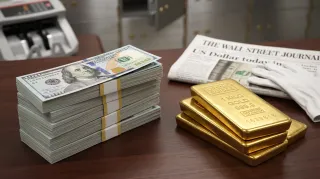
On Saturday, March 21, 2026, gold and silver prices dropped sharply, surprising investors. “Gold and Silver Slide Despite Crisis-Driven Market Conditions” indicates a shift in which macro factors dominate gold and silver as safe havens and shift market sentiment. Strong Dollar and Rates Pressure Precious Metals Gold and silver prices are declining despite the geopolitical situation, which is putting pressure on safe-haven assets. The rise in US yields, a stronger dollar, and a lower likelihood of a rate cut are prompting investors to move out of precious metals. Profit-taking after a historic rally is also contributing to the decline in precious metal prices. Why This Matters? This decline signals a fundamental shift in market structure, in which interest rates and liquidity have a greater impact on safe-haven asset flows. Here are key factors: · Strong U.S. Dollar: An appreciating U.S. Dollar makes gold and silver more expensive in the international market, thus reducing the demand. This has led to a decline in the prices of these metals on the international market. · Rising Bond Yields: An increase in bond yields raises the opportunity cost of holding a non-yielding asset like gold, thereby shifting investment toward bonds. · Fed Policy Shift Expectations: Expectations of fewer rate cuts and possible rate hikes amid inflationary pressures are directly affecting gold prices and supporting the bearish trend. · Profit-Taking After Rally: Investors are taking profits after the 2025 rally. This has further intensified the metal's price downtrend. · Liquidity Selling: Investors tend to sell profitable assets, such as gold, during a crisis to cover losses in other assets. · Oil Prices & Inflation Shock: Rising oil prices have raised inflationary concerns, lowered expectations of rate cuts, and indirectly affected the metal's prices. New Reality Facing Precious Metals in Changing Markets Gold and silver have not behaved like typical safe-haven assets in the current macro environment. Interest rates, liquidity, and currency strength have dominated the markets, and investors need to reassess the current situation. The short-term picture is uncertain, but the long-term fundamentals still make precious metals a good hedge.

UA Finance21 March
AI Spending and Corporate Profits Set to Drive Market Growth in 2026

AI Spending and Corporate Profits Set to Drive Market Growth in 2026

Monday, March 3, 2026 – 10:15 AM – Source: Investing.com Could AI Spending and Profits Be the Key to Market Growth in 2026? Financial markets in 2026 are being shaped by a powerful combination of factors, with artificial intelligence spending and corporate earnings taking center stage. According to Investing.com, investors are increasingly focusing on these drivers as indicators of future market performance. While uncertainty still exists around economic conditions, optimism is building as companies continue to report solid profits and invest heavily in AI technologies. This dual momentum is helping support expectations of sustained market growth. AI Investment Growth Becomes a Market Catalyst The rise in AI investment growth is playing a major role in shaping investor sentiment. Companies across industries are increasing spending on artificial intelligence to improve efficiency, enhance products, and stay competitive. Tech leaders such as Nvidia and Microsoft are benefiting from this trend, as demand for AI chips and cloud services continues to rise. These investments are not only driving innovation but also creating new revenue streams. As AI adoption accelerates, it is becoming a core component of long-term business strategy, reinforcing its importance in financial markets. Corporate Profits and Rate Expectations Support Confidence Alongside AI spending, strong corporate earnings are boosting market confidence. Many companies are reporting stable or improving profits, which is encouraging investors to maintain exposure to equities. Additionally, expectations of potential interest rate cuts are adding further support. Lower borrowing costs could stimulate economic activity and increase valuations, making stocks more attractive. This combination of earnings growth and favorable monetary policy outlook is creating a positive environment for markets, even as challenges remain. What This Means for Investors in 2026 The outlook for 2026 suggests that markets will continue to be driven by innovation and financial performance. AI spending and corporate profits are emerging as key pillars supporting growth, while interest rate expectations add another layer of influence. For investors, this highlights the importance of focusing on sectors and companies that are positioned to benefit from these trends. As the year progresses, the interaction between technology investment and economic policy will likely play a crucial role in determining market direction.

UA Finance21 March
Indonesia Stocks Rise as IDX Composite Gains 1.20%

Indonesia Stocks Rise as IDX Composite Gains 1.20%

Indonesia’s stock market closed on a stronger footing on Thursday, March 19, 2026, as the IDX Composite Index recorded a notable uptick. The Indonesia stock rally reflects renewed investor confidence across key sectors. Indonesia Stocks Climb as IDX Composite Extends Gains Indonesian stocks ended the trading session higher, with the benchmark IDX Composite Index advancing by 1.20%. The upbeat close signals improved sentiment in Indonesian stocks, supported by gains in several major sectors. “Is this the start of a sustained rally, or just a short-lived rebound?”—a question lingering among market participants as Indonesian stocks continue to show resilience. Sector performance painted a broadly positive picture: · Financials: Led the advance, contributing significantly to the Indonesian stocks rise. · Consumer goods: Showed steady gains amid stable demand outlook · Infrastructure: Added modest support to the overall index performance The Indonesian stock movement reflects a balanced recovery, with multiple sectors participating rather than isolated gains. Closing Insight on Indonesia Stocks Performance The latest Indonesian stock performance highlights a constructive market tone, with the IDX Composite Index maintaining upward momentum. While short-term fluctuations may persist, the current trend underscores improving confidence in Indonesian stocks and their near-term outlook.

UA Finance21 March
Index Shows Global Growth Strength

Index Shows Global Growth Strength

On March 19, 2026, Citi’s surprise index extended a 14‑month positive streak, signaling global economic data consistently beating expectations. While the ongoing war in the Middle East poses risks, stronger-than-forecast growth may prompt adjustments in investor sentiment and market positioning. Citi Surprise Index Signals Unexpected Strength in Global Economy Global economic growth has continued to outperform expectations for 14 straight months, setting up the longest sustained positive run of Citi’s economic surprise index since the 2008–2009 financial crisis. The index measures whether recent economic data beat or missed consensus forecasts, and its persistent upside suggests that economists have repeatedly underestimated the resilience of growth. Export statistics and industrial output have been important factors in strengthening the data. Large investments in artificial intelligence and expansionary fiscal policies in many countries have also helped to support the data. However, it is worth noting that the current statistics have yet to fully reflect the effects of the war in the Middle East, which has pushed up oil prices and may weigh on growth. Why This Matters? The continued strength in economic data suggests the global economy is more resilient than previously thought, challenging traditional forecasts. Here are the most important points: · Growth Surpasses Projections Consistently: Over the last 14 months, economic growth data have consistently surpassed economists’ expectations. This is a positive sign that economic activity is more robust than previously anticipated. · Export and Production Growth Contribute to Economic Surprises: An increase in economic production and exports has significantly boosted economic growth. This is a positive sign that economic activity is more robust than previously anticipated. · Investments in Artificial Intelligence and Fiscal Policies Contribute to Economic Surprises: Significant investments in artificial intelligence technologies have boosted economic growth. In addition, government spending policies have boosted economic growth. Economic activities are more robust than previously anticipated. · The Impact of War is Yet to Come: Currently, economic data does not reflect the impact of war in the Middle East. The war will likely increase energy costs, thus reducing economic growth. Economic activities are more robust than previously anticipated. · Economic Models Should be Revised to Reflect Economic Surprises: Consistent economic growth surpassing projections is a positive indication that economic models are inaccurate. Economic models are likely to be revised to reflect economic activities. · Markets may be volatile as data continues to change: As data continues to surprise, financial markets may become volatile as expectations change quickly, particularly in interest rates, stocks, and currency values in relation to the growth outlook. A Mixed Outlook for Global Growth Although the continued positive surprise data indicate that global growth is better than expected, many risks remain. The rise in energy prices, geopolitical tensions, and shifts in monetary policy could influence the trajectory and expectations of the data.

UA Finance21 March
UK Unemployment Steady as Wage Growth Slows

UK Unemployment Steady as Wage Growth Slows

On Thursday, March 19, 2026, the UK unemployment rate remained unchanged while wage growth slowed to 3.9%, signaling a cooling labor market. The latest UK unemployment data highlights easing pay pressures amid broader economic uncertainty. UK Jobs Market Stalls as Pay Momentum Fades “Is the labor market losing steam?” That question is gaining traction as the latest figures show UK unemployment holding steady while wage growth decelerates notably. Recent data indicates the unemployment rate remained around 5.2%, while wage growth slowed to roughly 3.8%-3.9%, marking its weakest pace in several years. This combination reflects a labor market that is no longer tightening but stabilizing under economic pressure. Wage Growth Cools While Employment Holds The latest UK unemployment and wage growth figures point to a shifting trend: · Wage growth dropped to about 3.9%, down from previous higher levels · Unemployment remained broadly stable at around 5.2% · Hiring activity, particularly for younger workers, showed signs of weakening · Broader economic factors, including rising costs, weighed on employers The slowdown in wage growth typically recommends reduced inflationary pressure, a key factor closely monitored by policymakers. A Turning Point for the UK Labor Market? The steady UK unemployment rate combined with softer wage growth suggests the labor market may be entering a more balanced phase. While employment levels remain relatively stable, the deceleration in earnings growth signals a shift that could influence future monetary policy decisions and economic outlook.

UA Finance21 March

Track Global Markets in Real Time with UA Finance

Download the app now and access live financial data, expert analysis, and trusted economic news to follow stocks, forex, gold, and cryptocurrencies with ease.