

Fed Rate Cuts Still Expected in 2026 Outlook


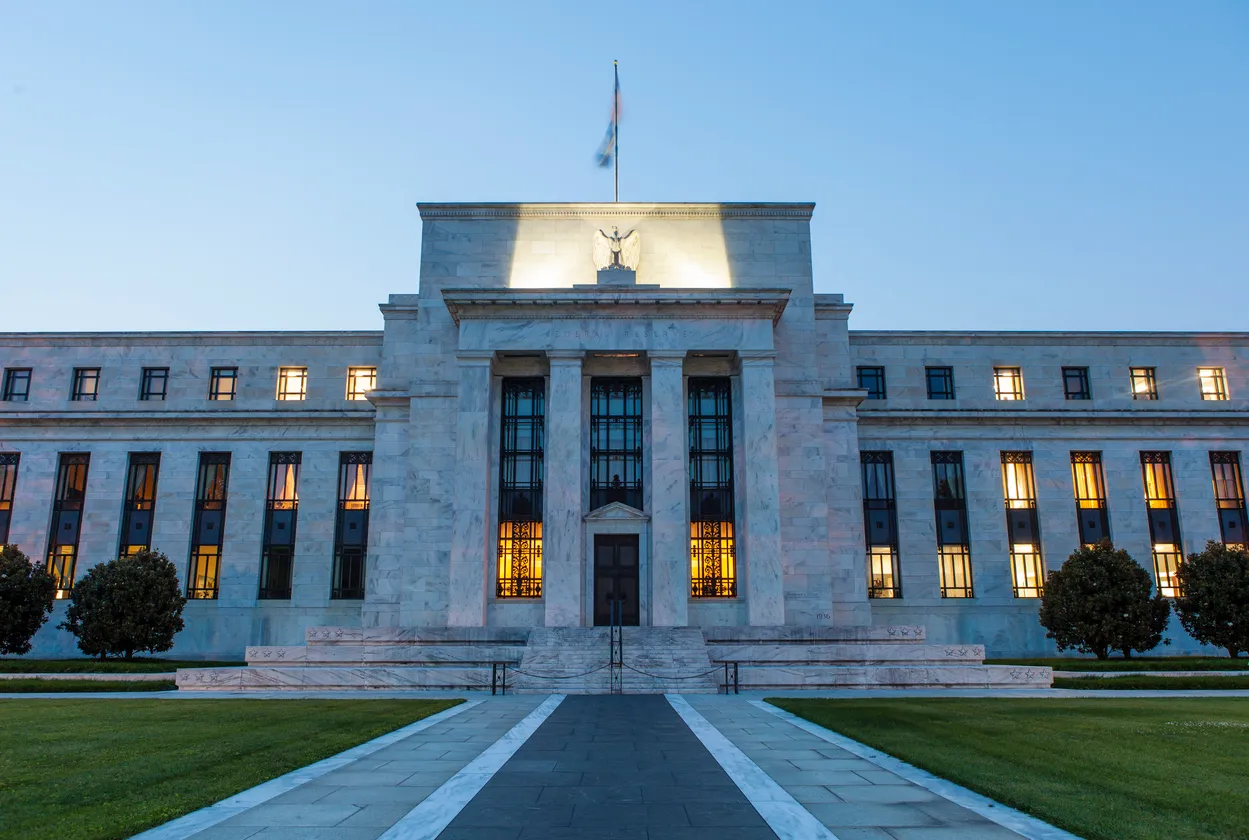
On April 4, 2026, expectations of Fed rate cuts resurfaced as fresh projections suggested resilience despite recent oil price shocks. The outlook underscores shifting dynamics in monetary policy as inflation pressures evolve.
Fed Defies Oil Shock: Rate Cuts Still on the Horizon?
Could the Fed rate cut narrative survive an energy-driven inflation surge? According to Morgan Stanley, the answer is yes. The bank indicated that even with rising oil prices potentially fueling inflation, the Federal Reserve is still likely to pivot toward easing policy in 2026.
The projection highlights a balancing act—while energy costs may temporarily lift inflation, underlying economic conditions could justify eventual rate reductions.
Oil Prices Stir the Waters, But Not the Course
Elevated oil prices typically complicate central bank decisions, yet Morgan Stanley recommends the impact may be transient rather than structural. The bank expects inflationary pressures from energy markets to moderate over time, keeping the broader Fed rate cut trajectory intact.
“Markets climb a wall of worry,”and this time, oil volatility may not be enough to derail policy easing expectations.
Investors are closely monitoring signals from policymakers, with rate expectations shaping global financial sentiment. The persistence of Federal Reserve policy direction amid energy volatility.