

Oil Price Surge: Will Travel Demand Finally Slow?


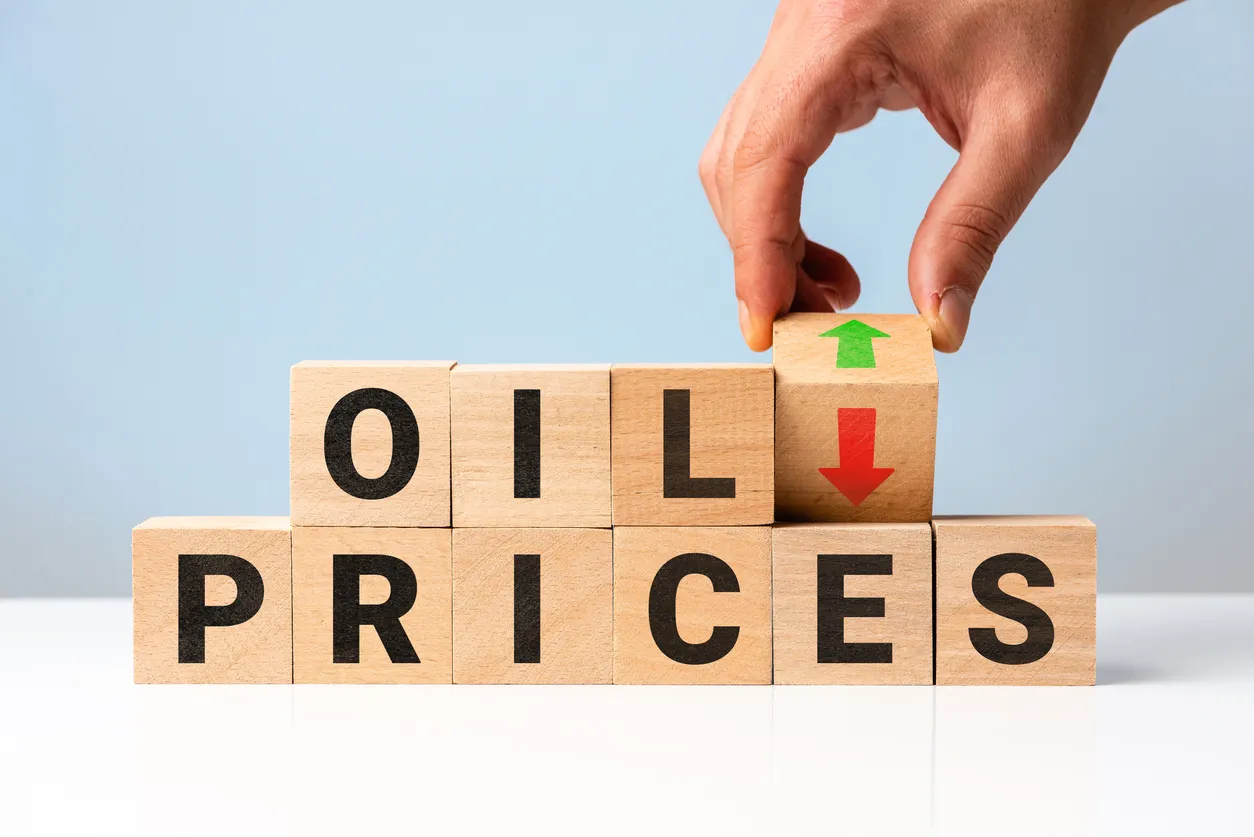
On April 5, 2026, rising oil price concerns resurfaced as analysts questioned how high fuel costs must climb before global travel demand begins to weaken. The debate intensifies amid mounting supply risks and resilient consumer behavior.
When Does the Oil Price Hit the Travel Brakes?
“How high is too high?”—that question is echoing across energy markets as the oil price climbs without significantly denting travel demand. Despite elevated fuel costs, consumers continue to prioritize mobility, suggesting a strong post-pandemic shift in spending habits.
Recent reports indicate that even with mounting geopolitical risks around the Strait of Hormuz and tightening global supply, demand for flights and road travel remains robust. The persistence of travel activity has surprised analysts who anticipated a sharper pullback.
Supply Shocks Meet Stubborn Demand
Concerns over disruption linked to OPEC and broader supply constraints have fueled speculation of a potential price spike reminiscent of past energy crises. Yet, consumers appear willing to absorb higher costs—at least for now.
Industry observers note that only a significantly higher oil price threshold could begin to meaningfully suppress travel, especially during peak seasons.
A Tipping Point Still Unclear
While history recommends that extreme fuel costs can curb mobility, today’s economic landscape tells a different story. Pent-up demand and changing consumer priorities continue to shield travel from price pressures, leaving markets searching for a definitive tipping point.