
Financial Markets News & Live Economy Updates

Breaking financial news with the latest on stocks, currencies, commodities, crypto, and the global economy.

Bitcoin's Market Rotation Signals a New Phase for Crypto Investors

Bitcoin's Market Rotation Signals a New Phase for Crypto Investors

July 21, 2026 – Bitcoin remained near the $65,000 level after recovering from its late-June lows, with on-chain data suggesting that a significant shift is taking place beneath the surface of the cryptocurrency market. Rather than focusing only on price action, analysts are increasingly monitoring the transfer of Bitcoin supply from long-term holders to a new generation of buyers. Long-Term Holders Continue to Shape the Market According to market data, long-term Bitcoin holders have gradually been distributing portions of their holdings while new investors absorb supply entering the market. Historically, similar rotations have occurred during major transition periods in Bitcoin's market cycle, often signaling changes in market leadership rather than immediate directional moves in price. Market Focus Expands Beyond Geopolitics While geopolitical tensions and monetary policy expectations continue to affect broader financial markets, Bitcoin's recent behavior suggests investors are paying closer attention to structural supply dynamics. The cryptocurrency has remained relatively resilient despite fluctuations in risk appetite, with market participants balancing Federal Reserve expectations against improving long-term adoption trends. Supply Trends Could Matter More Than Price Swings Analysts note that Bitcoin's current phase may be less about short-term volatility and more about who controls available supply. As long-term holders gradually transfer coins to newer market participants, investors are watching whether demand remains strong enough to absorb supply without triggering a deeper correction. The outcome could help determine the next major direction for the cryptocurrency market.

Bitcoin Price Climbs Ahead of CPI Data

Bitcoin Price Climbs Ahead of CPI Data

​On April 10, 2026, Bitcoin price exceeded $72,000 following the ease of regional tensions that influenced a broader market recovery. The rise pushed the cryptocurrency value up by approximately 7% over three days, driven by headline sentiment rather than market conditions. Bitcoin Price Surges as CPI Data Release Nears Bitcoin’s rise above the $72,000 mark followed reports of reduced tensions in the Middle East, triggering a short-term rally and clearing liquidity above recent highs. Sustained momentum has yet to be confirmed, as the market is anticipating the release of the U.S. Consumer Price Index (CPI) data, which could cause increased volatility. Market Indicators Show Uncertainty for Bitcoin Price On-chain data indicates that approximately 59% of Bitcoin supply remains in profit. Historical reports put the average bull at around 75% of supply profit, bringing the market below its usual range. Analyst data show that around one in two Bitcoin holdings are at a loss, a level associated with earlier bear market conditions: a prolonged period of cryptocurrency price decline. However, price drops can limit upward momentum, although they can signal potential accumulation phases, allowing investors to adjust ahead of the majority. Short-term momentum driven by market sentiment influenced Bitcoin movement above $72,000. With only 59% of supply in profit and CPI data pending, the market remains susceptible to macroeconomic developments, influencing the status of current price level. ​​​

UA Finance11 April
Comparing SIL and IAU: Which Precious Metals ETF Wins Now?

Comparing SIL and IAU: Which Precious Metals ETF Wins Now?

​ On Saturday, April 11, 2026, amid a fascinating tug-of-war in the precious-metal market between traditional safe-haven and industrial-driven commodities, a comparison of the performance gap between silver miners and gold trusts highlights how SIL and IAU are responding to shifting interest rates and industrial demand in today’s economy. Evaluating the Strategic Benefits of Investing in SIL and IAU While the IAU provides a direct link to gold prices, the current financial climate forces a choice between the high-beta potential of global X silver miners and the stability of the iShares Gold Trust. The distinction of the SIL is that it offers exposure to mining companies' operational leverage and to silver's growth in industrial applications, allowing it to outperform traditional gold hedges during a tech-heavy recovery. Why Metal ETF Performance and Wealth Preservation Matter? By understanding the unique drivers of silver and gold, investors can select the right metal to preserve purchasing power during inflationary periods and better shield their capital from currency devaluation and volatility. ETF Performance vs Asset Characteristic Comparison Table Feature IAU Gold SIL Silver Market impact Core asset Physical gold Mining stocks Direct vs equity Price swing Lower risk High volatility Portfolio stability Main driver Safe-haven Industry use Sentiment vs need Liquid ratio Very high Moderate flow Ease of entry Yield potential Capital gains Dividend possibility Total returns Marco hedge Strongest guard Growth linked Economic defense The Hedden Advantage: The Green Tech Catalyst Unlike gold, a hidden advantage of the SIL ETF lies in the solar energy revolution: silver is a fundamental component of photovoltaic cells, making it a direct bet on the global transition to renewable energy infrastructure, not just a hedge against fear.

UA Finance11 April
Oil prices tumble in the steepest weekly loss since 2022

Oil prices tumble in the steepest weekly loss since 2022

​ April 11, 2026—Oil prices recorded a sharp decline, marking their steepest weekly loss since 2022, as oil markets reacted to shifting demand signals and renewed supply expectations. The oil price downturn has stirred fresh volatility across global energy trading floors. Oil Slides Sharply: Is the Market Losing Its Grip? Oil prices closed lower at the end of the week, capping the steepest weekly drop since 2022, as traders recalibrated expectations around supply dynamics and macroeconomic signals. The oil price slump reflected mounting pressure from anticipated output flows and cautious sentiment dominating the market. The downward trajectory in oil prices gained momentum toward the week’s close, underscoring a broader retreat that has rattled energy benchmarks. “When momentum shifts, it rarely whispers—it roars,” a saying that captures the intensity of a selloff. What’s Driving the Oil Prices Decline? Market movements indicated that oil was weighed down by expectations of increased supply alongside an uncertain demand outlook. The oil prices retreat highlights how sensitive the market remains to geopolitical cues and economic forecasts, amplifying volatility. On a weekly basis, major oil benchmarks recorded notable declines, with Brent crude futures falling by 12.7 percent, while U.S. West Texas Intermediate (WTI) crude futures dropped by 13.4 percent, underscoring the intensity of the oil price selloff. Despite intermittent rebounds, oil prices ultimately succumbed to persistent selling pressure, closing the week on a notably weaker footing and signaling a cautious near-term outlook.

UA Finance11 April
NVIDIA Stock Price Analysis and S&P 500 Market Comparison

NVIDIA Stock Price Analysis and S&P 500 Market Comparison

​ On Saturday, April 11, 2026, a rare pricing event offered investors the opportunity to analyze portfolio growth, as financial data provided a unique window into Nvidia trading at a price nearly identical to the S&P 500. NVIDIA Reaches Strategic Price Alignment with S&P 500 Index With shares now more accessible to value-oriented buyers, the investment landscape is shifting as Nvidia approaches price parity with the market benchmark, indicating that the premium typically associated with top-tier AI stocks is normalizing. Analysts are watching how this specific pricing is influencing institutional buying patterns and long-term capital allocation in the tech sector. Why Tech Valuation Alignment and Market Stability Matter? Aligning with the broader index, as with Nvidia, a dominant leader, simplifies decision-making process for long-term holders, a balance that helps stabilize the tech sector and ensures that individual growth remains sustainable. New Trend: The Compute-to-Currency Shift As Nvidia hardware becomes the backbone of global infrastructure, an emerging trend suggests that processing power is becoming a new form of digital collateral. Therefore, owning Nvidia shares will be viewed as holding a stake in the world’s future computational “utility”, akin to owning energy or water rights. Strategic Planning for Future Semiconductor Market Shifts By spotting hidden trends, smart investors can thrive in today’s tricky market, which requires close attention to shifts and staying safe from major corporate moves that drive large-scale technology deals.

UA Finance11 April
Oil Falls Weekly Despite Supply Disruptions

Oil Falls Weekly Despite Supply Disruptions

Oil prices posted modest gains on Friday but remained firmly on track for their steepest weekly decline since June. The move comes as markets balance easing geopolitical tensions with persistent supply disruptions across the Middle East. Despite weaker futures, physical market conditions continue to point to tight global flows. Main News Description Oil markets edged higher on Friday but remained under pressure for what is shaping up to be their steepest weekly decline since June, as persistent disruptions across the Middle East continued to clash with easing macro risk sentiment following a fragile ceasefire. Brent crude futures rose 0.58% to $96.48 a barrel, while West Texas Intermediate gained 0.66% to $98.52 by 0920 GMT. Despite the intraday recovery, both benchmarks are still down around 11-12% this week, reflecting the sharp repricing that followed a two-week ceasefire brokered by Pakistan between the U.S. and Iran earlier in the week. The physical market, however, is telling a different story. Flows through the Strait of Hormuz remain below 10% of normal volumes, with ongoing restrictions and warnings to shipping keeping the critical route heavily constrained. Market participants say this divergence between futures and physical supply conditions is widening. Key pressure points Level Brent crude $96.48 WTI $98.52 Weekly move -11% to -12% Hormuz flows <10% normal Supply risks were further underscored by reports of 600,000 bpd in lost Saudi production capacity and a 700,000-bpd reduction in East-West pipeline throughput. Roughly 2.4 million bpd of refining capacity across the Gulf has also been taken offline since the conflict began. Conclusion While Lebanon’s planned talks in Washington next week briefly tempered gains, traders remain focused on whether the Strait of Hormuz can normalize or remain structurally constrained. The gap between futures pricing and physical scarcity continues to define sentiment, leaving markets anchored to one unresolved question: how long can global oil flows operate under such restricted conditions before pricing forces a full reset?

UA Finance10 April
Gold Dips but Heads for Third Weekly Gain

Gold Dips but Heads for Third Weekly Gain

Gold prices eased slightly on Friday as traders reassessed the outlook for U.S. interest rate cuts following shifting inflation expectations. Despite the pullback, the metal remains supported on a weekly basis amid ongoing geopolitical uncertainty. Markets are now focused on upcoming U.S. inflation data for clearer policy direction.Main News Description Gold prices edged lower on Friday as markets recalibrated expectations for U.S. monetary easing, even as the metal remained firmly on track for a third consecutive weekly advance. The broader backdrop remains anchored in fragile geopolitical conditions following a U.S.-Iran ceasefire, which has eased near-term inflation pressures but left investors focused on the durability of the agreement. At 1113 GMT, spot gold traded 0.2% lower at $4,755.45 per ounce, while U.S. June futures slipped 1.1% to $4,767.30. Despite the pullback, bullion has gained 1.7% this week, supported in part by a weaker dollar, which is set for a 1.4% weekly decline and has improved affordability for non-dollar buyers. Still, gold remains about 10% lower since the conflict with Iran began on Feb. 28, underscoring how sharply sentiment has shifted with energy-driven inflation expectations. Asset Level / Move Spot gold $4,755.45 (-0.2%) Gold futures $4,767.30 (-1.1%) Silver $75.45 (+0.5%) Rate expectations have swung alongside the geopolitical backdrop. Investors now price a 24% chance of at least one Fed cut by December, up from 12% a week earlier, according to CME FedWatch data. Attention now turns to upcoming U.S. CPI data, which will help define the Fed’s path. While inflation dynamics remain tied to energy market volatility and Middle East risks, positioning across precious metals continues to reflect a market still searching for clarity rather than conviction. Conclusion While gold is still benefiting from softer dollar dynamics and shifting rate expectations, the market remains highly reactive to both inflation signals and geopolitical developments. Even silver’s +0.5% weekly gain contrasts with weakness in platinum and palladium, highlighting mixed sentiment across metals.

UA Finance10 April
Blackstone Partners with DAE for Aircraft Investment Fund

Blackstone Partners with DAE for Aircraft Investment Fund

​ On Thursday, April 9, 2026, the program focused on acquiring modern aviation assets. Blackstone announced a major collaboration with Dubai Aerospace Enterprises to provide a strategic boots-on-the-ground presence in the global aircraft-leasing market and across institutional portfolios. Blackstone and DAE Expand Global Aircraft Leasing Reach Amid an initiative to acquire fuel-efficient aircraft, the financial landscape is undergoing a pivotal shift as Blackstone joins forces with Dubai Aerospace Enterprises to manage a significant capital pool, leveraging DAE’s technical expertise and Blackstone’s extensive credit platform. The partnership aims to capitalize on the rising global demand for reliable air transportation infrastructure by focusing on high-demand narrow-body jets. Why Global Aviation Assets and Capital Stability Matter? To counter traditional market volatility, investing in mobile infrastructure, such as aircraft offers a unique hedge that helps ensure global transport remains funded. A major partnership between Blackstone and DAE supports international commerce and provides long-term value for diverse institutional stakeholders. Aviation Investment and Program Structure Analysis Table Asset category Strategy type Risk level Market focus Commercial jets Direct buy Low risk Global fleets Private equity Credit fund Moderate growth Fleet growth Leasing terms Long duration Stable yield Airline clients Capital base Managed debt Secure flow Institutional funds Fleet age New tech Minimal decay Modern aviation Regional scope Worldwide reach Broad impact Transport hubs The Secondary Life of Aviation Parts As older planes retire and move beyond simple leasing, the residual value of the aircraft becomes a goldmine for investors, and the market for certified recycled components is booming. Companies like DAE are extracting significant profits from airframes long after their primary flight services conclude.

UA Finance09 April
Gold Market Stability Amid Iran Tensions and US CPI Focus

Gold Market Stability Amid Iran Tensions and US CPI Focus

Today, Thursday, April 9, 2026, as investors balance Middle East diplomatic tensions with anticipation for inflation data, gold prices remained steady. Analysts are assessing how these factors will shape long-term bullion trends. Gold Trends Amid Diplomatic Shifts and US Inflation With significant inflation data on the horizon, the global community monitors fragile peace efforts in the Middle East, and the current financial situation shows bullion prices holding within a narrow range. Institutional buyers are exercising caution rather than making aggressive moves, reflecting a pause as they await a definitive signal on the health of the American economy. Why Energy Market Shifts and Economic Stability Matter? Gold provides the necessary stability to keep global portfolios from collapsing amid sudden market pressure. At the same time, the fragile Iran ceasefire and upcoming US inflation data collide, regional tensions threaten energy supplies, and domestic prices may fluctuate. Market Drivers vs Indicators Comparative Analysis Table Market driver Current trend Risk level Asset focus Gold bullion Trading flat Low risk Safety hedge Iran peace Under strain High tension Global security Inflation data Pending release Extreme impact Interest rates Market mood Very cautious Moderate worry Defensive play Dollar value Holding steady Stable outlook Forex pairs Safe havens High demand Growing need Wealth protection The Silver Lining: Industrial Metal Demand The surging demand for silver in green technology is creating a unique divergence, while gold takes the spotlight during periods of political unrest. Silver's industrial appetite provides a secondary support floor for the sector, operating independently of traditional safe-haven movements.

UA Finance09 April
Goldman Sachs Updates Second Quarter 2026 Crude Predictions

Goldman Sachs Updates Second Quarter 2026 Crude Predictions

​ On Thursday, April 9, 2026, exploring how Goldman Sachs views the coming months, as financial experts revised their estimates for energy benchmarks, while focusing on supply trends and shifting demand that influence global market pricing today. Goldman Sachs Revises Downward Future Oil Market Projections As Goldman Sachs adjusts its financial modeling for the second quarter of 2026, the energy landscape is undergoing a significant shift toward higher inventory levels and a cautious outlook on global industrial growth. As a primary driver of the lowered targets, the adjustment suggests that the previous upward momentum in crude prices may face substantial resistance as the fiscal year progresses. Why Energy Markets Shifts and Economic Stability Matter? When major banks like Goldman Sachs lower their outlook and stable energy costs serve as a lifeline for the global manufacturing and transportation sectors, it signals a potential slowdown in inflation. This directly affects corporate budgeting and profits. Sector Trend vs Economic Outlook Comparison Table Market factor Current trend Risk level Asset focus Crude costs Trending down Moderate risk Energy stocks Global supply Growing surplus Lower threat Trade flow Industry demand Slowing growth High concern Logistics hubs Bank outlook More bearish Stable view Future hedging Market hedge Falling value Minimal impact Safe havens Trade policy Tightening grip Rising tensions Export caps The Hidden Impact of Synthetic Fuels The quite rise of high-grade synthetic fuels is beginning to alter long-term demand models, while traditional crude forecasts dominate the news. This technological shift could eventually make traditional price floors obsolete for major producers.

UA Finance09 April
Crude Oil Surges as Middle East Supply Threats Intensify

Crude Oil Surges as Middle East Supply Threats Intensify

​ On Thursday, April 9, 2026, as supply risks grew, energy markets responded strongly to rising geopolitical tensions, with traders closely monitoring the regional developments to assess the long-term effects on global fuel prices and economic stability. Hormuz Strait Restrictions Drive Major Surge in Oil Prices While monitoring reports of restricted movement through critical maritime corridors, global energy markets are experiencing high volatility. A fragile diplomatic environment, combined with sensitive logistical bottlenecks, has caused crude prices to rise across international exchanges, potentially influencing consumer prices and corporate earnings worldwide; therefore, financial analysts are now evaluating whether these increased costs will permeate through industrial supply chains. Why Energy Market Shifts and Economic Stability Matter? Fundamentally, to sustain global industry output and keep inflation in check, stable energy supplies are essential for ensuring maritime safety on major shipping routes, as any disruption will cause immediate financial pressure. Energy Supply Risks vs Market Impact Comparison Table Risk factor Current trend Threat level Market focus Crude output Prices rising Very high Energy sector Shipping routes Facing blockage Extreme risk Global trade Ceasefire status Remaining fragile High tension Regional peace Fuel demand Staying strong Moderate need Industrial growth Market storage Levels dropping Growing worry Supply chain Investor mood Highly anxious Rising fear Asset safety Strategic Resilience During Periods of Energy Volatility Smart investors can safeguard their money and stay ahead of spikes triggered by sudden economic storms by identifying the hidden tensions that threaten oil supplies. Success in today’s complex energy market requires closely watching global political changes.

UA Finance09 April
Wall Street Futures Slip Following Regional Iran Cease-fire Violations

Wall Street Futures Slip Following Regional Iran Cease-fire Violations

​ On Thursday, April 9, 2026, while seeking clarity on long-term global economic impacts today, American equity futures declined as investors processed reports of instability, weighing current geopolitical uncertainty against recent gains. Impact of Diplomatic Instability on American Stock Futures As equity traders adopt a defensive stance, global financial markets are navigating a wave of uncertainty amid reports from the Middle East suggesting possible disruptions to recent peace efforts. This careful approach reflects moving away from aggressive growth assets toward more stable positions. As a result, broader concerns about renewed hostilities could reignite inflation, central banks' policy decisions, and ultimately destabilize long-term international trade agreements across the globe. Why Energy Market Shifts and Economic Stability Matter? When international agreements falter, geopolitical stability is the cornerstone of predictable market growth and corporate planning. While volatility spikes, affecting everything from consumer confidence to fuel costs, investors need to track such shifts. Current Market Drivers vs Risks Comparison Table Market factor Current trend Risk level Asset impact Tech stocks Moving lower Moderate risk Growing assets Crude oil Prices climbing High volatility Energy sector Peace treaty Alleged breach Extreme tension Global stability Future contracts Trading down Low momentum Market sentiment Federal Reserves Monitoring data Constant watch Interest rates Safe havens Demand rising Growing value Precious metals Strategic Outlook for Investors Navigating Global Tensions Understanding the connection between stock futures and regional news helps investors maintain a balanced portfolio by staying informed about how international disputes affect domestic and global markets; therefore, traders can position themselves against sudden volatility and risks.

UA Finance09 April
Global Market Analysis: Oil Rises and Asian Equities Decline

Global Market Analysis: Oil Rises and Asian Equities Decline

​ On Thursday, April 9, 2026, despite rising crude oil prices, financial markets reacted to increasing geopolitical risks. As investors consider concerns about energy security and international stability, major Asian indices are struggling to maintain momentum. Energy Market Volatility Impacts Major Asian Stock Indices While crude benchmarks rise, global commodity prices are diverging sharply from traditional equity performance as rising energy costs pressure industrial margins. Meanwhile, institutional investors are adjusting their strategies as broader manufacturing sectors face rising operational costs, and the slightest diplomatic friction can immediately alter the momentum of global financial markets as international trade remains sensitive to regional stability. Why Energy Market Shift and Economic Stability Matter? When regional tensions threaten supply lines, all industries feel the impact, as fluctuating energy prices influence the pace of global inflation and corporate profits, making it essential for stakeholders to monitor these developments. Asian Markets vs Commodity Performance Overview Table Market factor Current trend Risk level Asset class Crude oil Prices rise High risk Energy sector Asian equity Value drop Moderate concern Public stocks Iran peace Very fragile Extreme tension Geopolitical risk Supply chain Constrained flow Growing pressure Global logistics Dollar rate Strong growth Stable outlook Forex market Market mood High anxiety Rising fear Investor sentiment Final Thoughts on Navigating Uncertain Global Financial Trends By tracking these shifts, a deeper understanding of how political events influence economic realities is gained, improving modern trading resilience by enabling professionals to better protect their interests against the unpredictable nature of today’s global marketplace.

UA Finance09 April
ExxonMobil Stock Performance Impacted by Regional Unrest

ExxonMobil Stock Performance Impacted by Regional Unrest

​ On Wednesday, April 8, 2026, ExxonMobil experienced a notable decline in share value. Geopolitical instability across the Middle East has disrupted vital production lines, prompting investors to be more cautious in the shifting energy landscape. Global Supply Chain Hurdles Weigh Heavily on ExxonMobil While the wider energy sector fluctuates due to halted production in overseas territories, market volatility has increased as ExxonMobil faces significant operational challenges, highlighting the vulnerability of major petroleum corporations to regional conflicts. While attempting to maintain steady output levels and protect quarterly dividends, shareholders are closely monitoring how management navigates these logistical obstacles. Why Regional Stability Dictates Global Energy Valuations Directly impacting fuel prices and consumer costs, ongoing disruptions threaten the reliability of ExxonMobil's supply routes. For investors seeking to protect portfolios and anticipate market shifts, it’s essential to understand these geopolitical risks. Key Metrics for ExxonMobil Energy Market Evaluation Table Market factor Current status Primary impact Future outlook Crude output Slowing down Higher costs High risk Stock price Falling fast Investor loss Uncertain path Supply chain Blocked routes Delayed delivery Needs reform Global demand Steady growth Price spike Bullish trend Asset safety Under threat Operational halt Tight security Revenue flow Decreasing now Budget cuts Recovery slow Final Analysis on the Future of ExxonMobil Stock Value By successfully overcoming these production hurdles despite current setbacks, ExxonMobil remains a powerhouse in the global market. It will play a crucial role in the company’s long-term resilience and its ability to regain momentum.

UA Finance08 April
Airline Stocks Rise as Fuel Costs Drop During Iran Truce

Airline Stocks Rise as Fuel Costs Drop During Iran Truce

​ Today, Wednesday, April 8, 2026, as crude prices dropped sharply, United Airlines and Delta shares rose significantly, providing relief for carriers struggling with high operational expenses during the busy travel season. Following Oil Price Dip, Major US Carriers See Stock Gains As investors remain optimistic, the sudden drop in energy costs has triggered a massive rally for Southwest and American Airlines stocks, with lower fuel expenses directly translated into higher quarterly profit margins. Usually, aviation, a leading sector in the transportation industry, remains the primary beneficiary of this shift in the international commodity market, as global tensions ease. Why Lower Oil Prices Benefit Global Aviation Investors Matted? Companies like JetBlue can improve cash flow without raising ticket prices simply by reducing fuel expenses, fostering stability, expanding their fleets across the entire sector, and encouraging aggressive growth strategies. Comparison Factors of the Airline Market Table Factor Status Impact Outlook Fuel price Falling Positive Stable Stock value Climbing High Bullish Iran truce Active Strong Hopeful Travel demand Rising Steady Growth Profit margin Expanding Direct Better Market risk Reducing Lower Secure Future Outlook for the American Aviation Industry Growth Analysts believe that if energy prices stay low, the aviation industry will experience record-breaking financial performance in the coming months, indicating a current period momentum of sustained recovery for the transportation sector.

UA Finance08 April
Investor Eye Fed Rate Cuts Following Iran Truce Deal

Investor Eye Fed Rate Cuts Following Iran Truce Deal

​ On Wednesday, April 8, 2026, as diplomatic progress in the Middle East boosted expectations for monetary easing, financial markets shifted rapidly. Before the end of this year, analysts suggest the Federal Reserve may lower interest rates. Federal Reserve Policy Shifts as Geopolitical Risks Ease The Federal Reserve gained the necessary economic breathing room to consider policy changes, as shown by lower energy costs resulting from the cease-fire. As inflationary pressures ease, Wall Street firms, including Goldman Sachs and JPMorgan, are recalibrating their forecasts to include a potential shift toward lower borrowing costs. Meanwhile, central banks can focus on supporting market stability and fostering growth. Why Potential Interest Rate Reductions Matter Today? If the Federal Reserve cuts rates, a shift in central bank policy directly influences everything from corporate expansion budgets to mortgage rates, releasing significant capital for consumer spending and business investment. Economic Outlook Comparison: Higher Rate vs Lower Rate Table Economic metric High rates Low rates Market impact Borrowing cost Very high Much lower Credit flow Tech growth Slow progress Fast scaling Nasdaq surge Home loans Expensive debt More affordable Housing boost Dollar value Strong position Trading lower Export growth Consumer debt Heavy burden Manageable levels Spending rise Bank margins Wide spread Tighter returns Sector shift Preparing for a Shifting Monetary Policy Environment Creating a new landscape for global investors, with potential to ease by year-end. Participants can better position their portfolios for a lower-rate economic cycle by staying informed on geopolitical developments and central bank signals.

UA Finance08 April

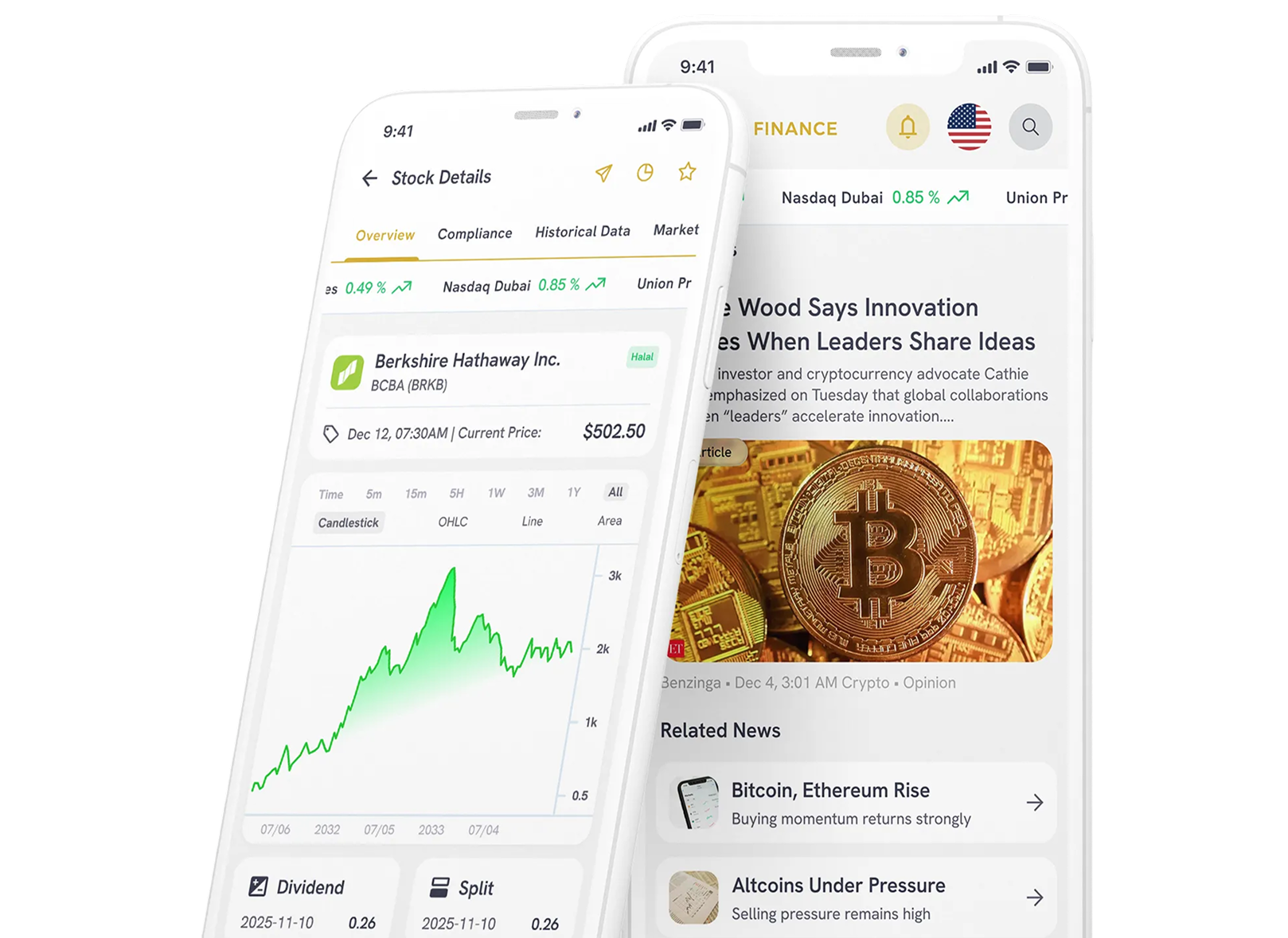
Track Global Markets in Real Time with UA Finance

Download the app now and access live financial data, expert analysis, and trusted economic news to follow stocks, forex, gold, and cryptocurrencies with ease.