

Saudi and Egyptian Bourses Slip as Intensifying Yemen Conflict Rattles Middle East Investors


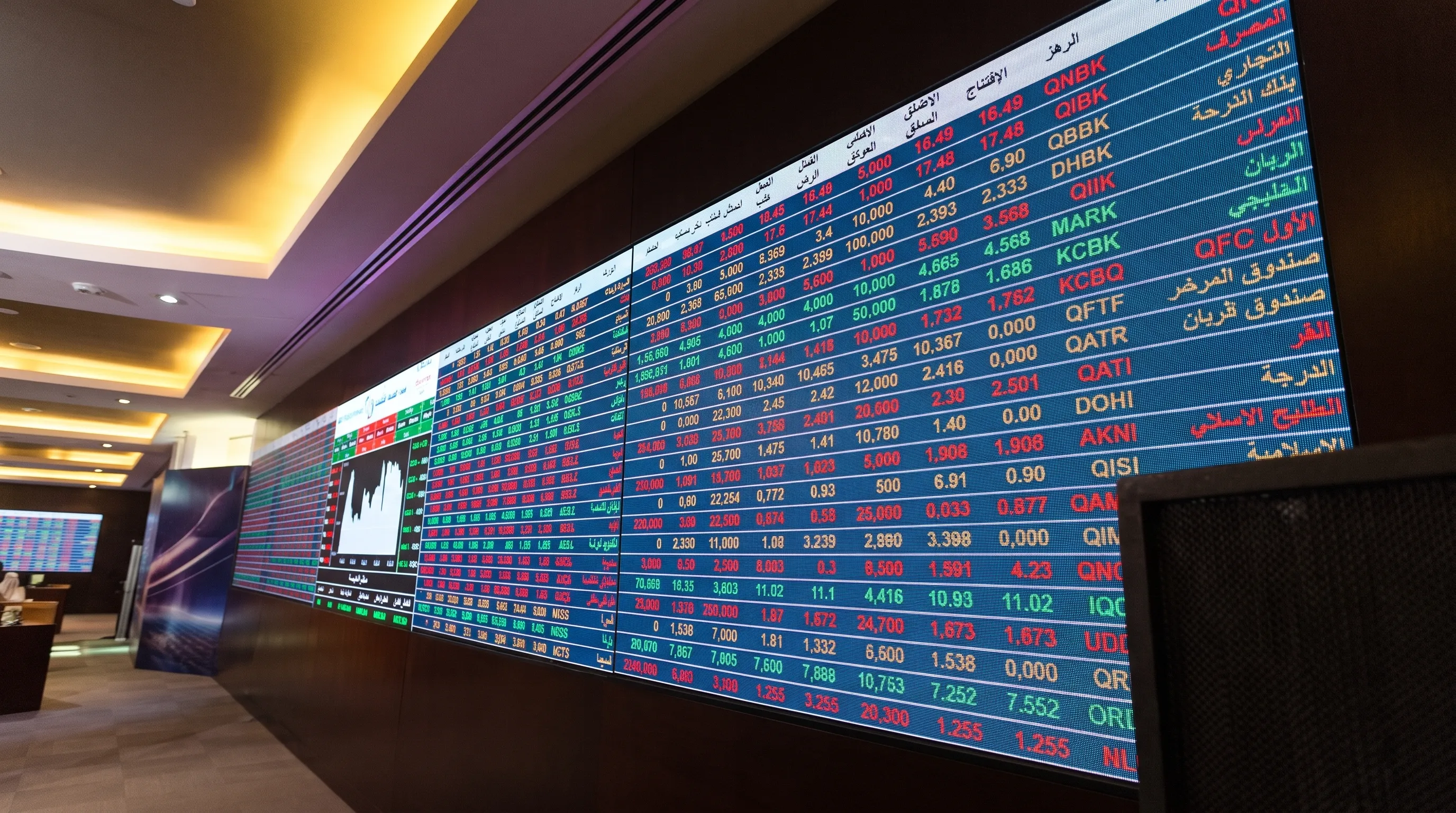
October 25, 2026 – Major equity benchmarks across Saudi Arabia and regional Middle Eastern bourses retreated on Sunday morning as escalating military clashes between Yemen's Houthis and the Saudi-led coalition triggered widespread risk-off sentiment.
The Saudi Arabian benchmark equity index dropped 1.1 percent in early trade, weighed down by broad institutional selling across oil and banking heavyweights.
For macroeconomic allocators, the renewed military confrontations threaten to disrupt critical regional supply chains and dismantle the fragile security environment established since 2022.
Trading desks observe that the broader regional downturn also pressured Egyptian and Gulf equities as fund managers moved to reduce direct exposure to Middle Eastern risk assets.
Gulf Bourses Retreat and Energy Exposure
The primary catalyst for Sunday's equity retreat was a series of fresh cross-border strikes, with Houthi forces targeting airport and energy infrastructure inside the kingdom.
Shares of state-owned oil giant Saudi Aramco fell 1.2 percent in early trading, removing key index support and amplifying downward momentum.
Quantitative analysts note that Qatar's benchmark index slipped 0.3 percent during the same session, led by a 1.1 percent contraction in Qatar National Bank shares.
Asset managers emphasize that while physical oil extraction infrastructure remains largely intact, markets are now aggressively pricing in a sustained regional campaign rather than isolated strikes.
Institutional portfolios are increasingly rotating into defensive cash reserves as shipping risks along the southern Red Sea corridor continue to mount.
Egyptian Market Spillovers and Geopolitical Alignment
In Cairo, market participants closely monitored escalating regional developments following Egyptian diplomatic and security pledges to support Saudi border defenses.
Egyptian lawmakers have actively debated security assistance frameworks for Riyadh, elevating market scrutiny regarding Egypt's direct exposure to regional military friction.
Trading desks report that sustained maritime instability around the Bab el-Mandeb strait continues to squeeze vital Suez Canal transit revenues, compounding existing domestic economic challenges.
Equity funds project that until clear diplomatic de-escalation channels emerge, Middle Eastern stock exchanges will trade under persistent valuation discounts.
Fixed-income desks expect regional sovereign bond spreads to widen heading into November as international credit rating agencies assess the long-term fiscal cost of prolonged military mobilisation.
Read more
 Saudi Equity Market Gains 0.9% as Tadawul Weathering Hormuz Maritime Transit Strains
August 16, 2026 – Saudi Arabia’s benchmark Tadawul All Share Index (TASI) advanced 0.9% to close at 10,920 points during Sunday's trading session.The market recovery reflects investor resilience as regional equity desks absorb ongoing shipp…
Donia Saad•16 August Oil Prices Ease as Markets Shift Focus From Conflict to Supply Risks
July 30, 2026 –Oil prices edged lower on Wednesday despite renewed attacks across the Middle East, as investors assessed whether escalating geopolitical tensions would translate into meaningful disruptions to global crude supplies. While s…
Donia Saad•30 July Wall Street Retreats as Middle East Tensions Weigh on Investor Sentiment
July 14, 2026 – Wall Street Retreats as Middle East Tensions Weigh on Investor Sentiment, U.S. stocks moved lower as escalating tensions between the United States and Iran fueled concerns over higher energy prices, persistent inflation, and…
Donia Saad•14 July Oil Prices Rise as Renewed Middle East Tensions Revive Supply Concerns
July 12, 2026 – Global oil prices traded higher as renewed geopolitical tensions in the Middle East revived concerns over potential supply disruptions through the Strait of Hormuz, prompting traders to rebuild a geopolitical risk premium in…
Donia Saad•12 July IMF Warns of Slower Global Growth as Middle East Risks Persist
July 9, 2026 – The International Monetary Fund (IMF) has lowered its global growth forecast for 2026, warning that geopolitical tensions, higher energy costs, and persistent inflation continue to weigh on the global economy despite signs of…
Donia Saad•09 July