

Trump Cuts Tariffs on Select Steel and Aluminum Products.


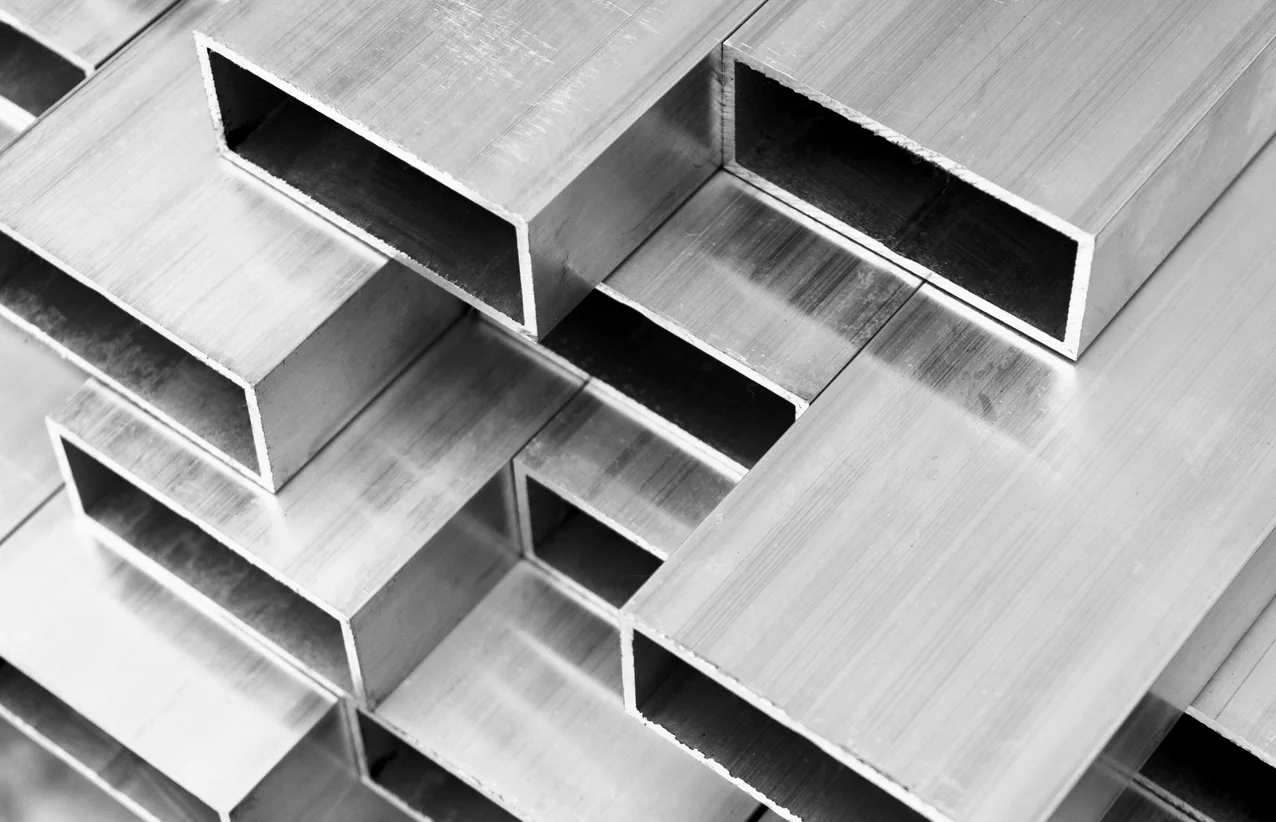
June 2, 2026 — U.S. President Donald Trump signed a proclamation on Monday reducing tariffs on selected steel and aluminum derivative products, part of a broader effort to encourage industrial investment and strengthen domestic manufacturing capacity.
Tariffs Reduced on Selected Products
According to a White House proclamation, tariffs on certain steel and aluminum derivative products will be reduced to 15% from 25% under Section 232 national security measures.
The affected products include specific categories of agricultural machinery and residential heating, ventilation, and air-conditioning equipment.
Industrial Equipment Included
The revised tariff treatment also applies to certain mobile industrial equipment, including bulldozers and forklifts.
These products will be subject to a 15% tariff when imported from countries covered by qualifying trade agreements, according to the White House.
Changes Take Effect June 8
The tariff adjustments will apply to goods imported or withdrawn from bonded warehouses beginning at 12:01 a.m. on June 8, 2026.
The White House said the revised tariff structure is intended to provide manufacturers with greater certainty while supporting investment decisions.
Measures Set to Remain Until 2027
Officials stated that the tariff reductions will remain in effect through December 31, 2027.
The administration said the move is designed to encourage near-term investment and help rebuild the United States industrial base across key manufacturing sectors.
Trade Policy Remains in Focus
The announcement represents another adjustment to U.S. trade policy as policymakers seek to balance domestic industrial support with supply-chain needs.
Investors and manufacturers will continue monitoring the impact of the tariff changes on production costs, investment plans, and industrial activity in the coming months.