

Oil Prices Climb as Saudi Aramco Attack and Hormuz Shipping Risks Overshadow Russian Diesel Supply


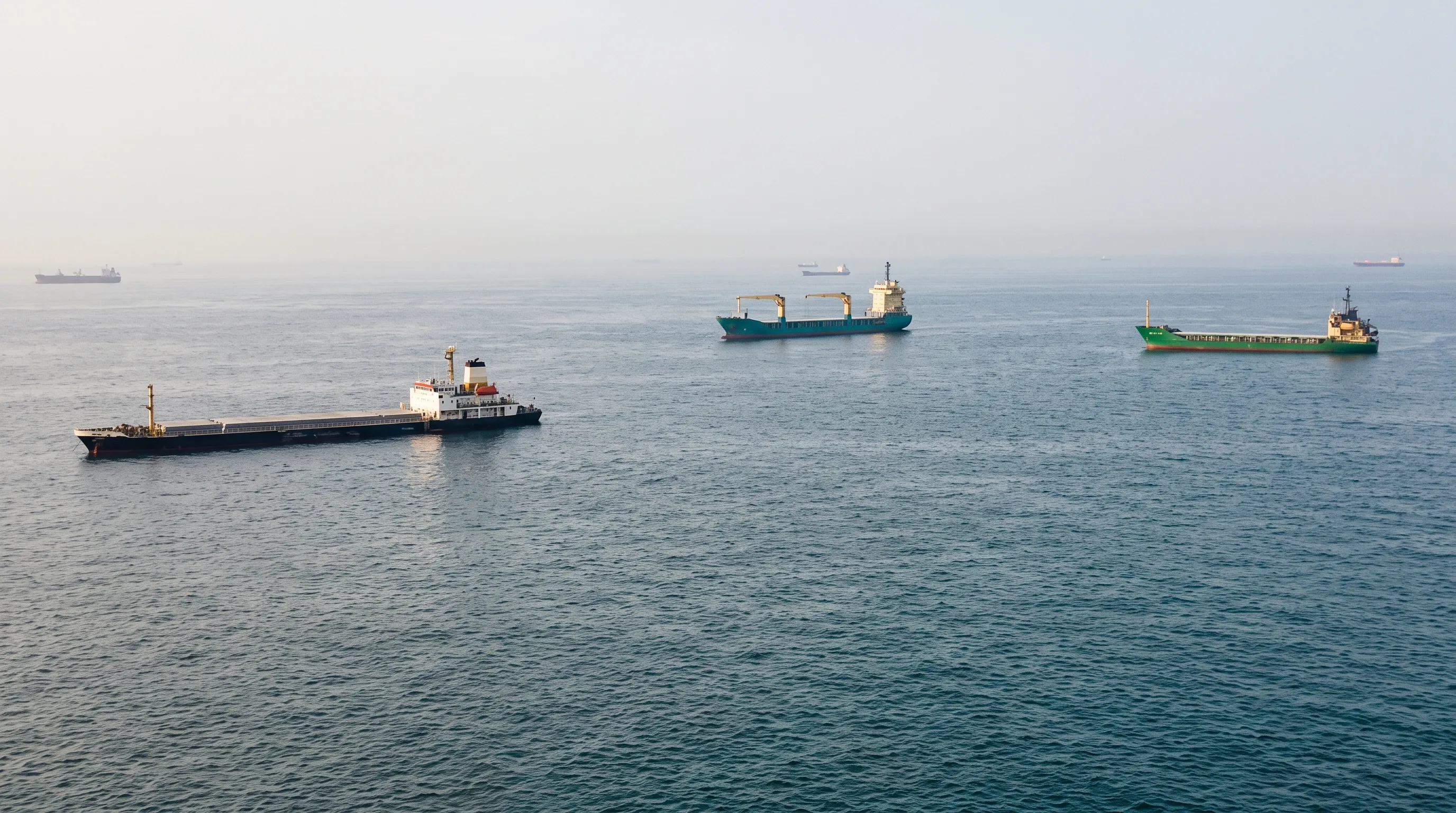
October 14, 2026 – Global crude oil prices rose on Wednesday as traders weighed supply risks stemming from a reported attack on a Saudi Aramco facility against the prospect of increased Russian diesel exports.
As Brent crude futures climbed 0.8 percent to 106.58 USD per barrel, while the United States West Texas Intermediate benchmark gained 0.9 percent to reach 94.94 USD.
For macroeconomic allocators, the fundamental tension in the energy market lies between escalating geopolitical risks in the Middle East and temporary supply relief originating from Russian refineries.
Trading desks observe that West Texas Intermediate crude is currently testing a critical technical resistance level near 96 USD per barrel as maritime disruptions continue to artificially constrain supply logistics.
Saudi Infrastructure and Hormuz Risks
The primary catalyst for the mid-week price rally was an attack targeting an administrative building belonging to state-owned energy giant Saudi Aramco in Dhahran.
The strike caused a limited fire but resulted in no reported injuries, though it severely amplified institutional concerns regarding the security of vital Saudi Arabian energy infrastructure.
Simultaneously, oil markets are facing heightened uncertainty over commercial shipping routes navigating through the Strait of Hormuz.
Iranian officials recently indicated that Tehran is deploying new maritime tactics to target vessels in the critical waterway, an explicit effort aimed at keeping international oil prices elevated.
Quantitative analysts note that these coordinated logistical constraints significantly increase shipping and insurance premiums, severely limiting the pace at which Gulf production can reach global buyers.
Russian Diesel and Market Outlook
Despite the escalating Middle East conflict, broader price gains were capped by expectations of increased Russian fuel exports entering the global market.
United States President Donald Trump recently announced that Washington temporarily eased specific sanctions to allow more Russian diesel to flow internationally, aiming to cool tight global inventories.
Asset managers emphasize that this additional Russian supply is mechanically preventing international benchmarks from testing higher resistance levels, acting as a crucial counterweight to the geopolitical risk premium.
Equity funds project that the market will remain trapped in a highly volatile consolidation phase until the physical impact of the Hormuz shipping attacks can be accurately quantified against the influx of Russian fuel.
Fixed-income desks expect the geopolitical risk premium to remain firmly embedded in energy futures, providing a solid valuation floor for crude oil heading into the final quarter of 2026.
Read more
 Brent Crude Climbs to 96 USD as Escalating U.S.-Iran Tensions Threaten Maritime Chokepoints
September 4, 2026 – Global crude benchmarks violently reversed their late-summer slump this week, with Brent crude briefly piercing the 96 USD per barrel threshold.The aggressive rally is entirely driven by a massive injection of geopolitic…
Donia Saad•04 September Oil Prices Surge as Geopolitical Supply Risks Counter OPEC+ Demand Revisions
August 16, 2026 – Global crude oil prices edged higher this week, with Brent crude reaching $88.52 per barrel and West Texas Intermediate (WTI) rising to $82.40 per barrel.The price increase reflects renewed energy market volatility as geop…
Donia Saad•16 August Oil Holds Near Multi-Week Highs as Middle East Risks Keep Supply Concerns Alive
July 19, 2026 – Global oil prices remained elevated after posting gains over recent sessions, as investors continued to price in geopolitical risks surrounding the United States-Iran conflict and the security of key energy shipping routes.B…
Donia Saad•19 July Oil Prices Climb Above $84 as U.S.-Iran Conflict Deepens Supply Fears
July 14, 2026 –Oil Prices Climb Above $84 as U.S.-Iran Conflict Deepens Supply Fears ,Oil prices extended their rally after escalating military exchanges between the United States and Iran intensified concerns over crude supplies and shippi…
Donia Saad•14 July Oil Prices Climb as U.S.-Iran Tensions Renew Supply Concerns
July 13, 2026 – Oil pricesextended their gains after renewed military tensions between the United States and Iran raised fresh concerns over global crude supplies and shipping through the Strait of Hormuz, one of the world's most important…
Donia Saad•13 July