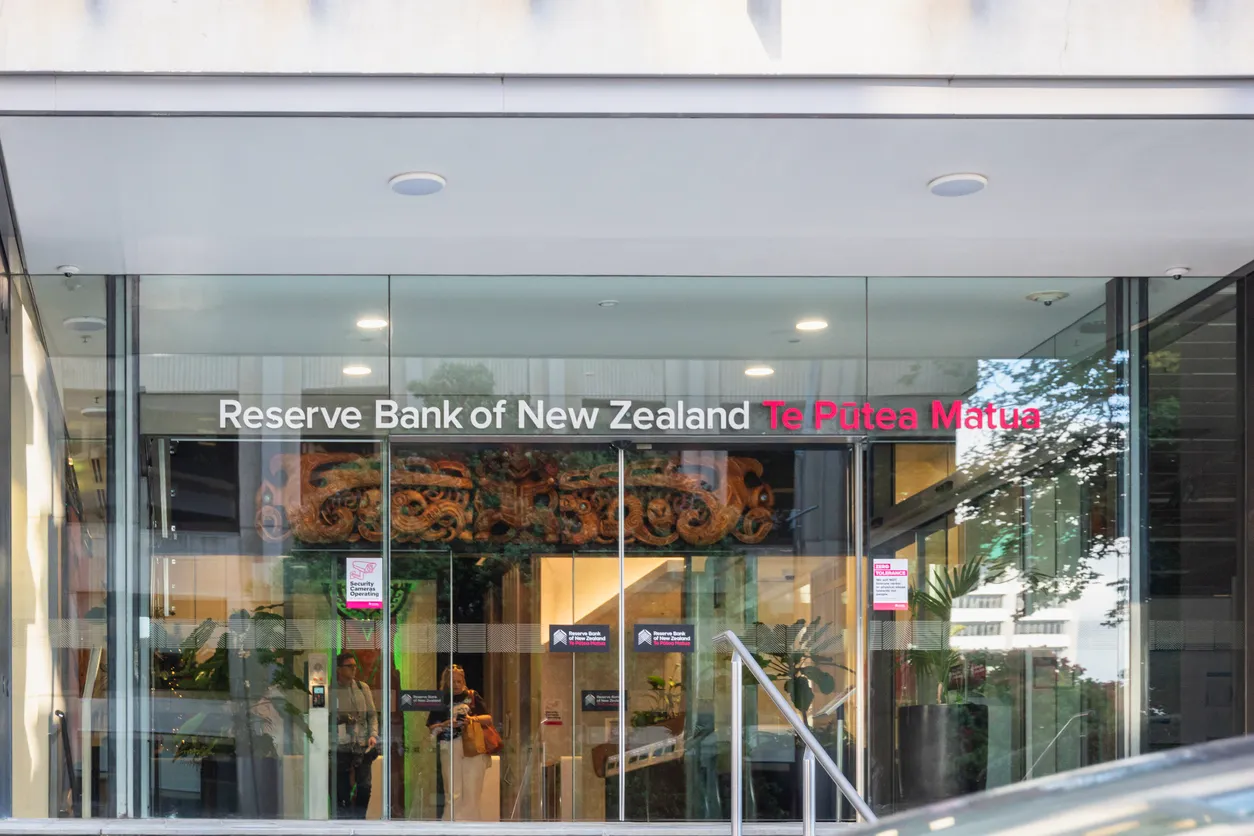
July 21, 2026 – New Zealand's annual inflation accelerated in the second quarter, exceeding market expectations as higher fuel costs pushed consumer prices to their fastest pace in more than two years, reinforcing expectations that the Reserve Bank of New Zealand (RBNZ) may need to maintain a tighter monetary policy.
Fuel Costs Drive Inflation Higher
New Zealand's Consumer Price Index (CPI) rose 4.1% year-on-year in the second quarter, while quarterly inflation increased 1.5%, both above economists' forecasts.
Petrol and diesel prices recorded sharp increases following higher global oil prices, making fuel the largest contributor to headline inflation.
Rate Outlook Becomes Less Certain
Although underlying inflation continued to moderate, the stronger headline reading has strengthened expectations that the RBNZ could keep interest rates elevated for longer to prevent inflation from becoming more persistent.
Policymakers are expected to balance inflation risks against a still-fragile economic recovery and relatively weak domestic demand.
Markets Watch the Central Bank's Next Move
Investors are now focused on upcoming RBNZ guidance for clues on the future direction of monetary policy.
While fuel-related inflation could ease if energy prices stabilize, continued geopolitical uncertainty may keep inflationary pressures elevated over the coming months.
Read more
Related news

Oil Prices Stay Elevated as Markets Price in Prolonged Supply Risks
July 21, 2026 –Global oil prices remained near recent highs as investors continued to price in geopolitical risks across the Middle East, with concerns over shipping routes and regional supply supporting crude despite hopes for renewed diplomatic efforts. Brent crude traded near $84 per barrel, while WTI hovered around $80 per barrel. The OPEC Reference Basket also remained elevated, reflecting broader strength across global crude benchmarks. Geopolitical Premium Supports Crude Oil markets continue to factor in a geopolitical premium as tensions involving the United States, Iran, and regional shipping routes remain unresolved. Although no major production outages have been reported, uncertainty surrounding the Strait of Hormuz and broader Middle East security continues to underpin prices. Supply Outlook Keeps Volatility High Analysts note that ample global supply and the possibility of additional production from major exporters have prevented a sharper price surge.However, traders remain cautious, with any disruption to shipping or energy infrastructure capable of triggering another wave of volatility. Markets Monitor Diplomatic Developments Attention is now focused on geopolitical developments and producer policy, which are expected to remain the primary drivers of oil prices in the near term. Any easing of regional tensions could reduce the current risk premium, while further escalation may keep crude prices supported.
-1784189504432_320.webp)
South Korea’s Rate Hike Signals Inflation Fight Is Far From Over
July 16, 2026 – South Korea’s central bank raised its benchmark interest rate for the first time in more than three years, signaling that inflation concerns continue to outweigh the need for lower borrowing costs despite an improving economic outlook. The Bank of Korea increased its policy rate by 25 basis points to 2.75%, as policymakers responded to persistent inflation, a weaker Korean won, and rising household debt while the country’s export-driven economy continued to strengthen. Strong Growth Gives Policymakers Room to Tighten The rate increase comes as South Korea benefits from robust semiconductor exports fueled by global demand for artificial intelligence technologies, helping economic growth exceed earlier expectations. At the same time, higher energy priceslinked to Middle East tensions have pushed inflation above the central bank’s 2% target, prompting policymakers to prioritize price stability even as global uncertainty persists. Global Markets Watch the Policy Shift South Korea’s decision is being closely monitored by investors because it may signal that some central banks are prepared to maintain tighter monetary policy for longer if inflation remains elevated. Higher interest rates typically support a country’s currency and help contain inflation, but they can also increase borrowing costs for households and businesses while weighing on equity markets in the short term. A Reminder That Inflation Risks Persist The Bank of Korea’s move reflects the continuing challenge facing policymakers worldwide as geopolitical tensions, energy costs, and resilient economic activity complicate the path toward lower inflation. With markets expecting additional policy decisions in the coming months, investors will closely watch inflation trends and global commodity prices for further clues about the direction of interest rates across major economies.

India Inflation Tops Forecasts as Food and Energy Costs Renew Price Pressures
July 13, 2026 – India's annual consumer inflation accelerated to 4.38% in June, exceeding market expectations and moving above the Reserve Bank of India's (RBI) 4% medium-term target for the first time in 17 months, as higher food and fuel costs added to price pressures. The latest reading was above economists' forecasts and marked an increase from 3.93% in May, highlighting renewed inflationary pressures after several months of relatively moderate price growth. While inflation remains within the RBI's tolerance band of 2% to 6%, the stronger-than-expected figure is likely to keep policymakers cautious in the months ahead. Food and Fuel Drive Inflation HigherFood prices remained one of the main contributors to June's inflation increase, while higher fuel costs also pushed transportation and household expenses upward. Rising global oil prices, geopolitical tensions in the Middle East, and uneven monsoon conditions have increased cost pressures across several sectors, making essential goods more expensive for consumers. Analysts note that weather-related disruptions could continue influencing food prices during the coming months. Rate Outlook Back in Focus The stronger inflation reading has renewed market attention on the Reserve Bank of India's monetary policy outlook. Although the central bank has maintained a cautious approach in recent meetings, persistent inflation above its medium-term target could reduce the scope for policy easing and strengthen expectations that interest rates may remain elevated if price pressures continue. Future decisions are expected to depend on incoming inflation, commodity prices, and domestic economic data. Markets Monitor Global Risks Investors are also watching global developments that could influence India's inflation outlook, including energy prices, supply chain conditions, and geopolitical tensions affecting commodity markets. With India remaining one of the world's fastest-growing major economies, controlling inflation while supporting economic growth is expected to remain a key challenge for policymakers throughout the second half of the year.

New Zealand Recovery Slows as Oil Shock Hits Growth
On April 23, 2026, New Zealand’s economic recovery had slowed as an oil shock pressured growth, delaying progress but not stopping the rebound, officials confirmed. Oil Shock Slows New Zealand Recovery Pace New Zealand’s economic recovery is losing speed as rising fuel costs weigh on sentiment and growth prospects. The oil shock had disrupted momentum, yet authorities stress the recovery path remains intact. Finance Minister Nicola Willis said the economy continues to expand despite short-term strain. Under a moderate outlook, inflation may reach 3.9% this fiscal year if oil averages $110 per barrel. Inflation Risks Rise, Recovery Holds A more extreme scenario, with oil at $180, could push inflation to 7.4%, though this is viewed as unlikely. Current inflation stands at 3.1%, above the target band, increasing the chance of rate hikes. Officials maintain the economic recovery is delayed—not derailed—highlighting resilience amid global volatility.

New Zealand Central Bank Warns Energy Shock Rate Hikes
On Tuesday, March 24, 2026, the RBNZ warns it could force rate hikes if the energy shock continues and inflation risks rise. Policymakers emphasize caution, balancing temporary price spikes against the danger of persistent inflation driven by global oil volatility. RBNZ Signals Rate Hike Amid Energy Shock Governor Anna Breman, that temporary fuel price spike may be overlooked, but if tensions are prolonged, it would require policy tightening. Inflation is already above the bank's target band, and markets are pricing a potential hike as early as May. Policymakers are balancing a fine line between inflation control and economic stability. Energy Shock Policy Response Matrix Scenario Energy Shock Duration Inflation Impact Central Bank Response Market Impact Temporary Spike Sort-Term Mild Hold Rates Stable Extended Volatility Medium-Term Rising Hawkish Guidance Volatile Prolonged Shock Long-Term Entrenched Rate hikes Bearish bonds Severe supply Disruption Persistent Crisis High Inflation Aggressive tightening Risk-off Duration Drive Policy Decisions Duration is a key factor, not just the magnitude of the energy shock, in determining policy. If inflation persists, the central bank may be forced into a tightening cycle despite weak growth and uncertainty.

Markets Adjust Rates as Oil Price Surge Changes Outlook
Global markets revised their outlook on March 20, 2026, as oil prices jumped and central banks signaled tighter monetary policy. The rising energy costs and geopolitical tensions are fueling inflation fears and affecting interest rates worldwide. Global Markets Shift as Oil Surge Disrupts Rate Outlook The global financial markets are undergoing a major reassessment as rising oil prices, driven by heightened conflict in the Middle East, prompt investors to revisit their inflation and interest rate outlooks. This rise in oil prices has upended the assumptions of a near-term period of monetary policy easing. The rise in oil prices is triggering a strong response in bond markets, with bond yields climbing sharply across major economies. Notably, markets now predict that the European Central Bank and the Bank of England will maintain a hawkish stance despite mounting fears of a significant economic slowdown. Although oil prices stabilized somewhat toward the end of the week, they remain considerably higher than before. Over the past month, oil prices have surged, fueling fears of inflation and stagflation. Why This Matters? Rising energy costs and changing monetary policy expectations are transforming the world, impacting everything from bond yields to stock prices and fueling fears of inflation and slower economic growth. Here are six key points: · Bond markets face pressure: Consequently, the uptick in yields and the selloff in government bonds are putting stress on investors worried about inflation and tighter financial conditions. Short-term bonds, in particular, have experienced significant volatility due to shifting expectations about interest rate changes. · Oil prices are prompting a global reevaluation: The increase in oil prices has forced investors all over the world to reevaluate their inflationary expectations. This has caused markets to reevaluate their interest rate projections. · Central banks adopt a more hawkish stance: The market now expects several central banks, especially those in Europe and the UK, to tighten rather than loosen their policies. This shift is driven by growing concerns that inflation could last longer than previously anticipated. · Inflation risks are re-emerging globally: The energy shock has reignited concerns of sustained inflation in major economies. Oil and gas prices are rising, increasing production costs and raising prices, making it challenging for central banks to make decisions. · Stagflation concerns are increasing: The concerns of stagflation, characterized by low economic growth and high inflation, are being reflected in markets amid rising energy costs and weakening economic growth. · Market volatility is expected to persist: Geopolitical risks and shifts in policy expectations imply that financial markets will remain volatile. Investors are reacting quickly to changes in oil prices, central bank policy, and data releases. A Fragile Balance for Global Markets The world is on the cusp of a more uncertain phase for its markets, as energy shocks and policy shifts converge. Against this backdrop, the next few weeks will be important in determining whether inflation is peaking or accelerating and how it will impact interest rates, growth, and markets globally.

Wall Street futures fall as oil pushes inflation risk
On Tuesday, March 17, 2026. U.S. stock futures weakened as higher oil prices fueled renewed inflation concerns ahead of the Federal Reserve’s upcoming policy meeting, pressuring market sentiment and risk assets. Wall Street Futures Retreat on Oil‑Driven Inflation Fears U.S. stock index futures fell as rising oil prices fueled inflation fears before the Federal Reserve meeting. Higher energy costs raised concerns about consumer prices, leading to caution in equity markets. Persistent price pressures dampened hopes for imminent rate cuts and weighed on futures at the session's open. Why This Matters? Rising oil prices can lift inflation expectations and sway Fed policy, making equity markets sensitive to energy trends before a meeting focused on interest rates and inflation. Here are important factors: · Rising oil prices boost inflation expectations. Higher crude oil prices raise transportation and production costs, often leading to higher consumer prices and shaping expectations for monetary policy. · Fed Meeting in Focus: Investors are monitoring the Federal Reserve’s upcoming policy announcement for guidance on potential rate changes amid shifting inflation trends. · Equity Risk Sentiment Weakens: Concerns about rising inflation are reducing demand for risk assets, causing futures to decline as traders balance economic forecasts with earnings outlooks. · The energy sector's influence is growing stronger: Rising oil prices bolster energy stocks but may undermine broader indices if inflation outpaces growth. · Expectations for central bank rate cuts are changing. Ongoing signs of inflation may delay expected rate cuts, potentially affecting yield curves and equity valuations. · Macroeconomic indicators remain a key influence on market activity. Oil prices, inflation data, and central bank guidance, as described above, directly impact investor strategy and market positioning this week. Inflation Signals and Oil Trends Shape Market Direction Rising oil prices are feeding inflation concerns and influencing investor expectations ahead of the Federal Reserve’s policy meeting, keeping markets cautious. Equity futures remain sensitive to commodity trends, with macroeconomic signals guiding near‑term trading behavior and risk positioning.

Diesel Costs Rise Faster Than Gasoline
Diesel prices will rise faster than gasoline prices on Friday, March 20, 2026, quietly adding to inflationary pressures as global supply chains, transportation, and production costs continue to rise amid tightening fuel supply conditions. Diesel Prices Outpace Gasoline, Driving Global Inflation Risks Diesel is now the key contributor to rising global costs in 2026, though the issue is overshadowed by gasoline prices. Diesel is the main energy source for transportation, agriculture, and industry. Therefore, the rising price of diesel is affecting supply chains. In addition, reduced refining capacity due to geopolitical tensions is affecting diesel supply. Consequently, diesel prices are rising faster than gasoline prices. Therefore, the rising cost of diesel is affecting the cost of doing business. In the end, the cost is affecting consumers. Therefore, diesel prices are the main contributor to global inflation risks. Why This Matters? Since diesel is a major source of power for essential sectors such as freight and agriculture, rising diesel costs are a direct cause of inflation. Diesel differs from gasoline in that it affects the entire country rather than just a segment. Here are key factors: · Supply Chains Under Pressure: Diesel is a major fuel source for trucks, ships, and trains, and it is used to move goods around the globe. Higher diesel prices mean higher logistics costs, and companies are compelled to pass those costs on to consumers. · Inflation Is Accelerating: Diesel prices directly affect inflation by influencing production costs. This exerts sustained upward pressure on consumer prices, making monetary policy decisions more difficult and delaying economic recovery across major economies. · Geopolitical Risks Drive Prices: Geopolitical tensions persist, affecting oil routes and refining. These tensions reduce the availability of diesel on the global market. Consequently, oil prices increase significantly and fluctuate frequently, directly affecting economic stability. · Diesel Impacts Industry More Than Gasoline: The impact of a diesel price increase is felt much more than that of a gasoline price increase. Diesel is required for heavy machinery, construction, and manufacturing. This would directly affect the industries and would decrease their profit margins. · Food Prices Are Increasing: Agricultural activities depend largely on diesel oil to power machinery and transport goods. Therefore, when the price of diesel oil rises, the cost of food also rises. This is causing serious financial difficulties for many families worldwide. · Economic Growth Is Slowing: Increasing diesel fuel prices mean higher costs for businesses and reduced purchasing power for consumers. This may cause the growth rate to slow while inflation remains high, creating a stagflation-like scenario. Strategic Insight Diesel markets have been under pressure even before the latest round of geopolitical disruptions. Supply imbalances have persisted due to a lack of refining capacity. Businesses are exploring alternative strategies such as electrifying transport modes, improving the efficiency of the fuel they use, and developing new logistics approaches. Governments may need to strengthen energy security measures. Diesel: The Economy's Pressure Point Diesel prices are no longer just an energy concern; they are now impacting the global economy. The effect of diesel prices on inflation and economic growth underscores their importance in the current precarious economic landscape.

NZ Economy Grows Modestly, Missing Forecasts
New Zealand’s economy showed modest growth in the fourth quarter, falling short of expectations. The data supports the Reserve Bank of New Zealand’s cautious approach to interest rates, reflecting a recovery still in its early stages. Key sectors contributed unevenly, highlighting the ongoing challenges for broader economic momentum. Statistics New Zealand reported that GDP increased 0.2% quarter-on-quarter in Q4, below analysts’ forecast of 0.4% and the Reserve Bank’s projection of 0.5%. On a yearly basis, GDP rose 1.3%, missing estimates of 1.7%. Despite underwhelming figures, the economy showed signs of gradual improvement following a prolonged period of weak activity, though substantial spare capacity persists. The Reserve Bank of New Zealand has lowered the official cash rate by 325 basis points since August 2024, settling at 2.25% in February. The central bank noted that growth is broadening, but the recovery remains at an early stage. The largest contributor to Q4 GDP was rental, hiring, and real estate services, which grew 0.8%. Other sectors displayed uneven performance, indicating pockets of strength alongside lingering softness. Metric Q4 Actual Forecast RBNZ Projection GDP QoQ 0.2% 0.4% 0.5% GDP YoY 1.3% 1.7% — Cash Rate 2.25% — — The data validates the RBNZ’s decision to hold rates steady, balancing early signs of recovery against persistent slack in the economy. With global uncertainties like the recent Israeli-U.S. conflict and oil price spikes still looming, the outlook remains cautious. Can New Zealand sustain growth as external pressures mount, or will the recovery stall further?

New Inflation Data Is Due Wednesday. Here’s What Markets Are Watching
Markets Wait for New Inflation Data as War Risks Add Pressure On March 10, 2026, CNBC highlighted Wednesday’s inflation report as a key event for traders. Reuters reported on March 11 that economists expected the US Consumer Price Index to rise 0.3% in February, with annual inflation seen at 2.4%, as gasoline costs moved higher even before the Iran conflict pushed energy prices up further. That is why markets are treating this report as more than just a normal data release. Investors are trying to see whether inflation was already picking up before the latest Middle East shock, and whether higher oil prices could make the next few readings even tougher. A Hot CPI or a Soft CPI Could Move Stocks in Different Ways Reuters reported that US stock futures were subdued in volatile trading as investors watched crude prices and waited for the inflation report. If CPI comes in hotter than expected, markets may worry that the Federal Reserve will keep rates higher for longer, which can pressure stocks and lift Treasury yields. If the number is softer, it could ease some of that pressure and support risk assets. The Iran conflict has made this report even more important. Reuters and AP both said oil and gas prices have jumped as the war disrupted flows through the Strait of Hormuz, raising concerns that inflation could climb further in March and the months ahead. That means traders are not just looking at February inflation by itself. They are also trying to judge what comes next. Why This Inflation Report Matters More Than Usual This CPI report could shape the market’s next move because it comes at a time when inflation, war, and interest-rate expectations are all colliding. A calm reading may help markets steady themselves, but a stronger reading could add to concerns that energy-driven inflation is starting to build again. For traders, the real focus is not only what February inflation shows, but whether it gives an early warning of more price pressure ahead as the Middle East conflict keeps energy markets on edge.
commodities and futures contracts latest news

Oil Prices Stay Elevated as Markets Price in Prolonged Supply Risks

Silver Prices Today Remain Stable as Industrial Demand Supports the Market

Gold Prices Today Hold Near Record Levels as Investors Await New Economic Signals

Oil Holds Near Multi-Week Highs as Middle East Risks Keep Supply Concerns Alive