

Copper Advances as Cooling United States Labor Data Eases Federal Reserve Rate Expectations


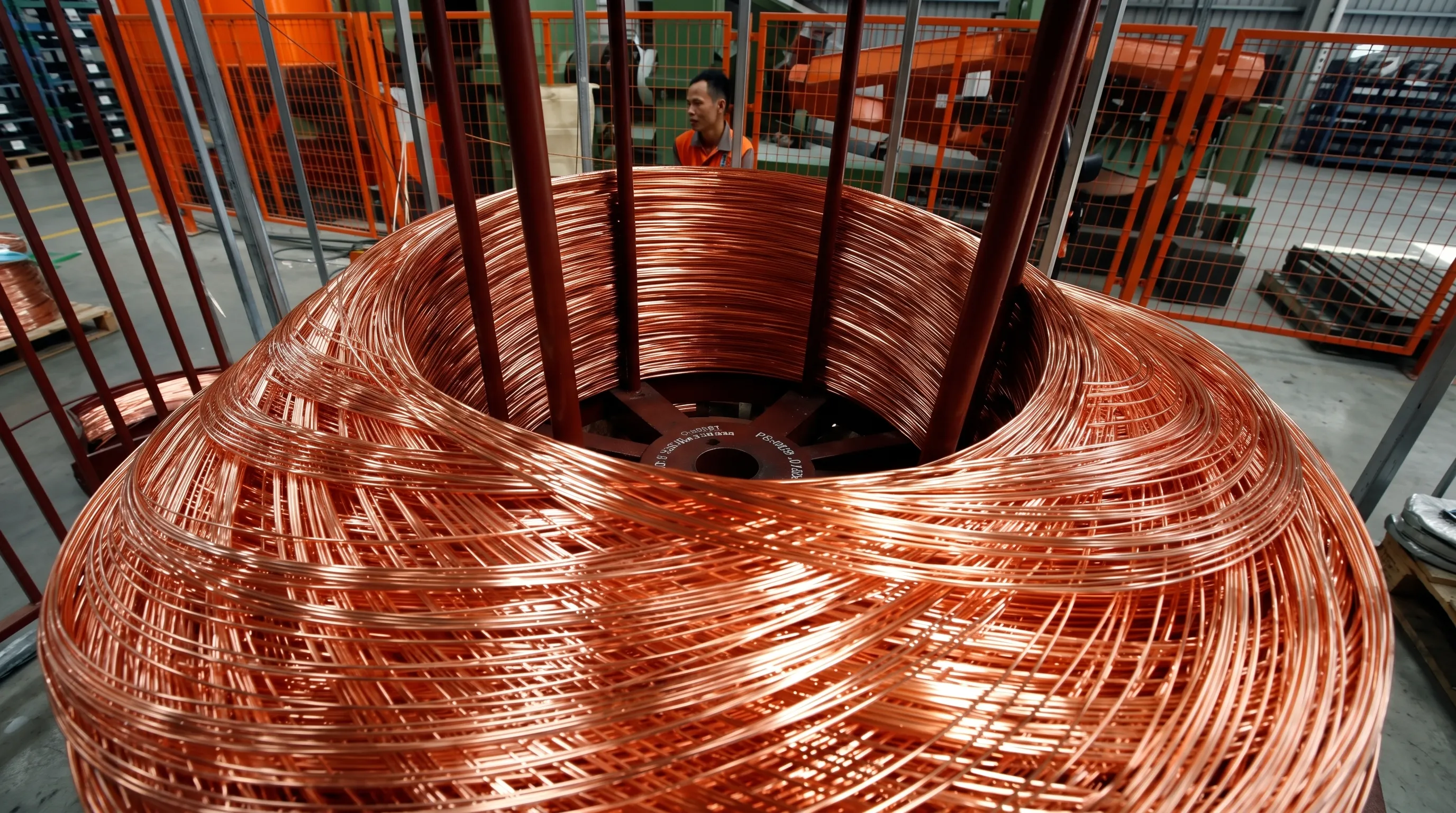
October 5, 2026 – Global copper prices pushed higher during late-week trading, finding substantial support from a softening United States dollar following weaker-than-expected domestic employment data.
Benchmark three-month copper on the London Metal Exchange rose zero point nine percent to fourteen thousand three hundred seventy-four point five zero USD per metric ton.
For macroeconomic allocators, the deceleration in September jobs growth offered crucial relief regarding the trajectory of Federal Reserve monetary tightening.
Trading desks observe that as institutional traders reduce bets on further aggressive rate hikes, the resulting dollar softness makes greenback-denominated commodities significantly cheaper for international buyers.
This macroeconomic relief arrives precisely as severe physical supply constraints continue to fundamentally tighten the global base metals complex.
Supply Constraints and Inventory Draw-downs
Beyond currency dynamics, persistent physical supply shortages remain a primary structural catalyst for the industrial metal.
London Metal Exchange copper has appreciated sixteen percent over the past six months, largely driven by inventory migrating toward the United States in anticipation of future tariffs.
This geographic shift has created immediate physical shortages across competing global manufacturing hubs.
Quantitative analysts note that warehouse stocks monitored by the Shanghai Futures Exchange have plummeted seventy-nine percent over the past four months.
Dropping to thirty-eight thousand seven hundred forty-four tons, these Chinese inventories recently reached their lowest operational levels since January of twenty twenty-four.
Chilean Production and Labor Friction
Compounding the severe inventory drawdowns, macroeconomic supply models are factoring in significant production friction emerging from South America.
Recent data indicates that copper output in Chile, the premier global producer of the industrial metal, plunged twelve point eight percent year-over-year in August.
Adding immense pressure to this production deficit, labor negotiations have rapidly deteriorated at Chile's Escondida facility, widely recognized as the world's largest copper mine.
Asset managers note that mine supervisors definitively rejected a collective contract offer, establishing the groundwork for a highly disruptive potential strike.
Commodity funds project that the combination of softer sovereign yields and escalating supply disruption will establish a formidable valuation floor for copper heading into the fourth quarter.
Read more
 US Dollar Index Breaks 100 Parity as Resilient Wage Data Sustains September Rate Hike Bets
September 6, 2026 – The US Dollar Index (DXY) successfully breached the critical 100 psychological threshold during early Sunday trading sessions.Institutional capital continues to aggressively accumulate the greenback following a complex a…
Donia Saad•06 September Copper Advances to 6.64 USD as U.S. Import Surge and AI Grid Demand Trigger Global Supply Squeeze
August 25, 2026 – COMEX High Grade Copper (HG1) futures extended their upward momentum this week to trade near 6.64 USD per pound, maintaining proximity to recent multi-year highs.While retail market commentators continue to fixate on the C…
Donia Saad•25 August Silver Spot Prices Extend Rebound Above $65 as Softer Dollar and Rate-Hike Reluctance Spark Buyer Demand
August 17, 2026 – Spot silver carried its positive momentum into the new trading week, advancing over 1.5% to cross the $65.85 resistance zone.The white metal's ongoing recovery follows a sharp August rebound from previous lows, largely dri…
Donia Saad•17 August US Dollar Index Softens to 99.59 Points on Policy Shift Bets
August 9, 2026 –The US Dollar Index (DXY), which tracks the greenback against a basket of six major foreign currencies, stands at 99.59 points. The currency index has encountered downward pressure as foreign exchange traders adjust their lo…
Donia Saad•09 August Cooling U.S. Inflation Eases Pressure on Fed, but Rate Outlook Remains Uncertain
July 19, 2026 – Slowing U.S. inflation has strengthened expectations that the Federal Reserve may leave interest rates unchanged at its upcoming policy meeting, although policymakers continue to signal that the fight against inflation is no…
Donia Saad•19 July