
Financial Markets News & Live Economy Updates

Breaking financial news with the latest on stocks, currencies, commodities, crypto, and the global economy.

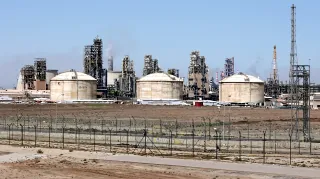
 Oil Holds Near Multi-Week Highs as Middle East Risks Keep Supply Concerns Alive

Oil Holds Near Multi-Week Highs as Middle East Risks Keep Supply Concerns Alive

July 19, 2026 – Global oil prices remained elevated after posting gains over recent sessions, as investors continued to price in geopolitical risks surrounding the United States-Iran conflict and the security of key energy shipping routes.Brent crude traded around $84.9 per barrel, while U.S. West Texas Intermediate (WTI) hovered near $79.8 per barrel. The OPEC Reference Basket also remained elevated, reflecting the broader strength across crude benchmarks. Geopolitical Risks Continue to Support PricesOil markets have been driven primarily by renewed tensions in the Middle East following military exchanges between the United States and Iran. Although major oil production has not experienced widespread disruptions, concerns over shipping through the Strait of Hormuz continue to support prices. The waterway carries roughly one-fifth of global oil trade, making any threat to tanker traffic a key driver of market sentiment. Traders continue to factor in the possibility of tighter supplies should regional tensions escalate further. Supply Outlook Limits Further Gains Despite geopolitical concerns, analysts note that higher exports from some producers and stable global supply have prevented oil prices from rising more sharply. Market participants are balancing the risk of supply disruptions against expectations that producers could increase output if necessary, helping limit excessive price spikes while keeping volatility elevated. Markets Remain Focused on the Next Developments Investors are expected to continue monitoring developments in the Middle East alongside shipping activity through the Strait of Hormuz, as these factors remain the primary drivers of short-term oil prices. Any signs of easing tensions could reduce the geopolitical premium currently embedded in crude prices, while further disruptions to regional energy infrastructure or maritime trade could push prices higher in the coming sessions.

Oil Jumps Over 2% as Iran Closes Strait of Hormuz

Oil Jumps Over 2% as Iran Closes Strait of Hormuz

​June 11, 2026 – The price of oil rose by over 2% after the announcement from Iran that the Strait of Hormuz was shut down due to new attacks on their facilities by the Americans. Brent crude rose to $94.58 per barrel, while U.S. West Texas Intermediate (WTI) increased to $91.74 per barrel.The price increase came amid fears about potential disruptions along this vital route for oil transport.Strait Closure Raises Supply ConcernsAccording to the statement by Iran’s highest joint military command, the closure of the Strait of Hormuz to oil tankers and other civilian ships was ordered, adding that the passing ships would risk facing a military force’s response.The Strait of Hormuz is strategically located and very important as far as global energy markets are concerned, since any problem associated with the passage of ships through the strait will definitely influence the price of oil and oil supplies.Traders Brace for Further VolatilityThe market is tracking news from the region, as uncertainty surrounding energy supplies continues to drive crude prices higher.According to analysts, the fact that the latest escalation makes a near-term resolution of the conflict less likely, ensuring that crude oil exports from the Persian Gulf remain limited.Energy Markets Focused on Next StepsNow, all attention is focused on any indications that could indicate either de-escalation or further military conflict, given the impact of events in the region on global commodities.As worries about supply increase, there is a likelihood that oil markets will continue to react to political news in the days ahead.

UA Finance11 June
Binance Stock Trading Sees Strong Demand in First Week

Binance Stock Trading Sees Strong Demand in First Week

​June 10, 2026 — Binance has reported strong demand during the first week of its newly launched stock trading service, highlighting early user interest in its expansion into traditional financial markets.The company said trading activity has picked up quickly as users gained access to thousands of U.S.-listed stocks and exchange-traded funds (ETFs) through the platform.Younger Investors Make Up a Significant ShareOne of the most notable trends in the early rollout is the strong participation from younger users.According to Binance data, around one in four users are under the age of 25, reflecting growing interest in multi-asset investing among younger retail investors.Expansion Beyond Crypto TradingThe launch marks a broader shift for Binance as it continues to expand beyond cryptocurrency into traditional financial assets such as equities and ETFs.The platform aims to provide users with access to multiple asset classes in one place, combining crypto and stock trading within a unified ecosystem.Early Momentum in Multi-Asset StrategyThe strong first-week demand suggests increasing appetite for integrated investment platforms that offer both digital assets and traditional securities.Market observers note that this trend reflects a wider industry move toward “super app” financial ecosystems that combine trading, investing, and tokenized assets.Outlook for Platform GrowthWhile still in its early stages, the stock trading rollout is being closely watched as an indicator of how crypto-native platforms can compete in broader financial markets.Further expansion and additional product features are expected as Binance continues developing its multi-asset offering

UA Finance10 June
US Stock Futures Fall on Iran Strikes, Tech Weakness

US Stock Futures Fall on Iran Strikes, Tech Weakness

​June 10, 2026 — US stock index futures declined in late trading after renewed military action against Iran increased geopolitical uncertainty and dampened risk appetite across global markets.S&P 500 futures fell around 0.2%, while Nasdaq 100 futures also dropped 0.2%, and Dow Jones futures slipped approximately 0.3%, reflecting broad-based caution among investors. Tech Sector Weakness Continues to Pressure MarketsTechnology shares remained under pressure as recent volatility in chipmakers and AI-related stocks continued to weigh on sentiment.The sector’s inability to sustain earlier rebounds has added to concerns about stretched valuations and sensitivity to macroeconomic and geopolitical developments.Investors Focus on Inflation DataMarket attention is now shifting toward upcoming US Consumer Price Index (CPI) data, which is expected to provide further clues about the Federal Reserve’s policy path.Stronger inflation readings could reinforce expectations of tighter monetary conditions, potentially adding further pressure on equities.Risk Sentiment Remains FragileOverall sentiment remains fragile as investors balance geopolitical risks, sector-specific weakness in technology, and anticipation of key macroeconomic data.Markets are expected to remain volatile in the near term as these factors continue to drive direction.

UA Finance10 June
Stocks Mixed as AI Volatility and Middle East Tensions Weigh

Stocks Mixed as AI Volatility and Middle East Tensions Weigh

​June 9, 2026 – Stock markets in the US finished with a mixed performance due to renewed turbulence on the part of the technology sector, particularly that relating to AI-driven semiconductor stocks.The Nasdaq was down about 1% for parts of the day amid a weak performance by the chip and artificial intelligence stocks, whereas the Dow held its ground as investors turned defensive.AI and Semiconductor Stocks Drive VolatilityTech stocks continued to be the primary weight on markets, with semiconductor and artificial intelligence-related issues swinging widely after posting significant gains.This retreat by the sector is due to the worries regarding valuation levels and susceptibility to economic conditions and interest rates.Geopolitical Risks Add UncertaintyThe markets were also very sensitive to anything happening in the Middle East region, as the tensions between Iran and the US added to overall risk aversion.Market participants are now focusing on signs of escalation or de-escalation that will affect market sentiment.Mixed Sector Performance Across the MarketDespite tech weakness, several sectors showed strength, helping limit broader index losses.Rotation into non-tech areas suggests investors are balancing risk exposure rather than exiting equities entirely, keeping overall market movement uneven rather than sharply bearish. Investors Focus on Inflation Data AheadAttention now shifts to upcoming US inflation readings, which could shape expectations for Federal Reserve policy.Stronger data could reinforce “higher for longer” rate expectations, keeping pressure on growth and technology stocks in the near term.

UA Finance10 June
Bitcoin Falls to $61K as US-Iran Tensions Weigh on Crypto

Bitcoin Falls to $61K as US-Iran Tensions Weigh on Crypto

​June 10, 2026 - The price of bitcoin has been declining towards $61,000 as the geopolitical risks associated with the strained relationship between the United States and Iran have been weighing down on cryptocurrency.It is a clear sign that investors are pulling their money out from riskier investments.ETF Outflows Continue to Weigh on SentimentOther market pressures were attributed to the outflow from exchange-traded funds tied to the Bitcoin.It has been observed that constant outflows in ETFs lower demand, resulting in a decline in price momentum.Geopolitical Risk Dominates Market DirectionThe rise in tensions between Iran and the U.S. has heightened uncertainties in the global market environment, which is likely to prompt investors to shift into less-risky investments rather than higher-risk investments such as cryptocurrencies.Specifically, Bitcoin has exhibited high levels of correlation with risk sentiment amid recent geopolitical events.Market Outlook Remains CautiousTraders remain cautious as they assess whether current levels can hold or if further downside pressure may develop if risk sentiment continues to deteriorate.Attention now turns to upcoming macroeconomic data and central bank signals, which may influence broader liquidity conditions in financial markets.

UA Finance10 June
Silver Drops 15% in a Month as Bearish Pressure Persists

Silver Drops 15% in a Month as Bearish Pressure Persists

​June 10, 2026 - Prices for silver have decreased by around 15% during the past month, continuing a robust downward trend that is still prevailing within the short-term market.Silver continues to be pressured after several sharp selloffs, with bears firmly holding ground in recent sessions.Technical Picture Still WeakDespite being strongly oversold on short-term metrics, silver remains under pressure in a downtrend, with the momentum indicators confirming strong bearish dynamics.From the recent movement in prices, it is obvious that rallies are being sold out rapidly.Volatility Remains ElevatedTrading conditions remain volatile following the steep selloff, with frequent intraday swings but no clear sign of a stable recovery yet.While oversold readings may support short-term bounces, they have not yet translated into a broader trend reversal.Market Focus on StabilizationTraders are now watching whether silver can find a stable support base after the recent decline or whether further downside pressure will extend the monthly losses.

UA Finance10 June
Asia Stocks Fall as US-Iran Flare-Up Hits Chip Shares

Asia Stocks Fall as US-Iran Flare-Up Hits Chip Shares

​June 10, 2026 — Asian stocks were lower on Wednesday amid heightened risks between the United States and Iran, which led to an overall risk-off sentiment, together with weakening semiconductor stocks.Asia Pacific index, the MSCI Asia Pacific Index, was down nearly 3% with South Korea's KOSPI and Japan's Nikkei being among the poor performing ones.Chip Stocks Extend LossesTechnology and semiconductors kept dragging stock indices lower following previous steep drops amid more gains taking among AI-related stocks.Leading chip producers from South Korea and Japan were driving down the region, adding to a larger retreat in the market segment, which has been among the best-performing so far this year.Geopolitical Tensions Keep Investors DefensiveThe markets were highly vulnerable to escalating tensions between the United States and Iran, where there was increased activity from both sides, which led to doubts over stability in the region.Although the price of oil did not experience sharp spikes, there was still fear regarding the security of the Strait of Hormuz.Inflation and Fed Outlook Add PressureInvestors also focused on upcoming U.S. inflation data, with expectations of elevated readings reinforcing bets that the Federal Reserve may keep interest rates higher for longer.This added another layer of caution for global equities, especially in growth and technology sectors that are sensitive to higher rates. Regional Markets Remain VolatileOverall, Asian equities are reacting to a combination of geopolitical shocks, technology sector weakness, and macroeconomic uncertainty, keeping volatility elevated across the region.

UA Finance10 June
Aluminum Falls to One-Month Low on Iran Tensions, Rate Outlook

Aluminum Falls to One-Month Low on Iran Tensions, Rate Outlook

​June 10, 2026 — Prices of aluminum fell to their lowest level in a month, amid fresh tension in the Middle East region and the prospect of higher interest rates in the United States for an extended period of time. This drop is indicative of the overall weakening commodity market.Middle East Tensions Add to Market PressureMarket sentiment continues to be affected by news events related to the U.S. – Iran situation, as well as disruptions within the Strait of Hormuz. These developments have led to fears over inflation, increased investor risk aversion, and expectations for weak industrial demand for metals including aluminum.Rate Outlook Continues to Influence MetalsMore intense pressure to expect higher rates from the Federal Reserve for a longer period of time is another factor that has impacted non-interest-bearing securities and industrial materials.Higher rates usually help strengthen the U.S. dollar, while making borrowing more expensive. This reduces prospects for demand in industrial metals needed in manufacturing.Broader Metals Market Under PressureThe weakness in aluminum comes amid broader concerns over global growth and supply-chain disruptions, with investors closely watching inflation data and central bank signals for further direction.Market participants remain cautious as both macroeconomic and geopolitical risks continue to drive volatility across commodity markets.

UA Finance10 June
Copper Edges Lower as Macro Concerns Offset Tariff Support

Copper Edges Lower as Macro Concerns Offset Tariff Support

​June 10, 2026 — Copper prices saw a slight decline on Wednesday as uncertainty about the state of the global economy and persistent geopolitical tension in the Middle East countered any optimism regarding future U.S. copper duties.The benchmark three-month copper price on the London Metal Exchange declined 0.36 percent to $13,566.50 per metric ton, while China’s most actively traded copper futures contract was down 0.38 percent at 104,010 yuan ($15,354.52) per ton.Tariff Expectations and Falling Inventories Provide SupportDespite the decline, copper continued to receive support from expectations surrounding a U.S. decision on copper import tariffs later this year.The U.S. has proposed a potential 15% tariff on copper imports starting in 2027, followed by a 30% tariff from 2028, a move that could reshape global trade flows. Meanwhile, copper inventories in LME-registered warehouses have fallen every day since May 28, providing additional support to prices. Inflation Data and Fed Outlook Remain Key FocusMarket sentiment was also influenced by stronger-than-expected U.S. employment data released last week, which boosted the dollar and increased expectations that the Federal Reserve could raise interest rates later this year.Investors are now awaiting U.S. inflation data for further clues on the outlook for monetary policy, as higher interest rates typically weigh on demand prospects for industrial metals such as copper. Other Base Metals Also Move LowerElsewhere on the London Metal Exchange, aluminum fell 1.54%, zinc lost 0.58%, lead declined 0.55%, nickel dropped 0.77%, and tin fell 1.86%.On the Shanghai Futures Exchange, aluminum slipped 0.89%, zinc eased 0.2%, lead fell 0.59%, nickel dropped 2.19%, and tin declined 2.16%.

UA Finance10 June
Oil Rises Nearly 1% as US Strikes on Iran Tighten Supply

Oil Rises Nearly 1% as US Strikes on Iran Tighten Supply

​June 10, 2026 — Oil prices climbed nearly 1% after the United States launched fresh military strikes on Iran, reigniting concerns over supply disruptions from the Middle East and tightening global crude availability. Brent crude rose to around $91–$92 per barrel, while West Texas Intermediate also posted gains as traders reacted to escalating geopolitical risk. US-Iran Tensions Drive Market VolatilityThe latest escalation adds to already fragile conditions in the region, with ongoing clashes between U.S. and Iranian forces raising fears of further disruptions in key shipping routes, including the Strait of Hormuz. Markets remain highly sensitive to developments that could impact global oil flows, particularly given the strategic importance of the region for energy exports.Supply Concerns Support Oil PricesDespite short-term volatility, underlying support for crude comes from tightening supply conditions, including declining inventories in the United States.Analysts note that repeated disruptions and geopolitical uncertainty are helping prevent a deeper correction in oil prices, even after recent swings in sentiment.Traders Focus on Further Escalation RiskInvestors are closely watching whether the conflict intensifies or stabilizes, as any further escalation could push prices higher due to fears of broader supply chain disruptions in global energy markets.

UA Finance10 June
Gold Breaks Down Near $4,367 as Bearish Trend Deepens

Gold Breaks Down Near $4,367 as Bearish Trend Deepens

​June 10, 2026 – Prices of gold continued lower on the hourly chart, falling close to $4,367 following a breakdown below crucial support levels on high volume. This is further evidence of the dominant bearish trend that has characterized the recent period.The bears are still in full control following their most recent impulsive decline.Bearish Structure Remains IntactTechnical factors show that gold is trending downwards within clear boundaries, having formed new lower highs and lower lows.Momentum and trend indicators continue to show that sell-side pressure prevails in the current market structure.Oversold Conditions Increase Bounce RiskDespite the bearish trend, short-term indicators are showing deeply oversold readings, which may increase the probability of a temporary rebound or consolidation phase.However, these conditions do not yet confirm a reversal, and the broader trend bias remains downward unless key resistance levels are reclaimed.Key Levels in FocusTraders are closely watching nearby support zones for signs of stabilization, while resistance levels above recent breakdown areas remain critical barriers for any recovery attempts.A sustained move back above broken support would be needed to challenge the current bearish momentum.

UA Finance10 June
China Plans $295 Billion Data Center Push for AI Expansion

China Plans $295 Billion Data Center Push for AI Expansion

​June 9, 2026 — China is preparing a large-scale investment plan worth about 2 trillion yuan ($295 billion) to develop a nationwide network of data centers, according to a report cited by Bloomberg News. The initiative is part of China’s broader strategy to strengthen its position in the global artificial intelligence race by expanding domestic computing capacity and reducing reliance on foreign technology.Nationwide Data Center NetworkThe plan focuses on building a connected network of data centers across the country to support large-scale AI workloads.Key state-backed telecom companies, including major operators, are expected to play a central role in constructing and managing much of the infrastructure.Strong Push for Domestic TechnologyA major feature of the strategy is the emphasis on using domestic suppliers for AI-related infrastructure.The plan reportedly prioritizes local technology ecosystems, including Chinese chipmakers and hardware providers, as part of a broader push for technological self-sufficiency.Part of Long-Term AI StrategyThe investment aligns with China’s longer-term policy direction, which includes expanding advanced computing capacity, accelerating AI adoption, and strengthening digital infrastructure over the coming years.It also reflects growing global competition in areas such as cloud computing, advanced chips, and large-scale AI model training.Global AI Competition IntensifiesThe move comes as global economies increase spending on AI infrastructure, with the United States and major tech firms also committing hundreds of billions of dollars to data center and computing expansion.This underscores an accelerating global race to secure dominance in artificial intelligence and high-performance computing infrastructure.

UA Finance09 June
Indonesia Raises Rates to 5.5% to Support Rupiah

Indonesia Raises Rates to 5.5% to Support Rupiah

​Bank Indonesia raised its benchmark interest rate by 25 basis points to 5.5% on Tuesday, June 9, 2026, in an off-cycle move aimed at stabilizing the rupiah after the currency slid to record lows against the US dollar.The decision came amid sustained pressure on the rupiah driven by global market volatility, capital outflows, and growing concerns over domestic fiscal spending. Additional pressure from rising fuel subsidy costs, linked to recent geopolitical tensions, also contributed to the central bank’s move.Central bank steps in to defend currencyBank Indonesia said the decision was driven by a sharper-than-expected weakening of the rupiah since its previous policy meeting.The central bank pointed to elevated global uncertainty and ongoing market volatility as key factors behind the move, noting that currency stability has become a priority.Inflation remains within the official target range for 2026 and 2027, but policymakers said external pressures have increased the need for tighter policy settings.Rupiah hits record lows before interventionThe Indonesian rupiah had recently fallen to historic lows, making it one of the weakest-performing emerging market currencies this year.The decline was driven by a combination of capital outflows, declining foreign reserves, and investor concerns about fiscal expansion and subsidy pressures.Market sentiment was further affected by broader global risk aversion.Policy tools used to attract inflowsAlongside the rate hike, authorities have continued using additional measures to attract foreign portfolio inflows, including adjustments to financial instruments and efforts to enhance local yield attractiveness.Despite these steps, investor caution remains elevated as markets assess whether further tightening may be needed to stabilize the currency.Analysts continue to watch whether Bank Indonesia will deliver additional rate hikes in upcoming meetings, with some expectations pointing to further tightening if pressure on the rupiah persists.The central bank has also reiterated its commitment to intervene in foreign exchange markets if necessary to support stability.

UA Finance09 June
Rupee Stabilizes as RBI Steps Support Currency

Rupee Stabilizes as RBI Steps Support Currency

​Indian rupee strengthened in early trade on Tuesday, June 9, 2026, supported by easing crude oil prices and rising expectations that recent measures from the Reserve Bank of India could help attract foreign inflows and stabilize the currency after weeks of pressure.The move comes after the rupee had previously slipped to record lows in May, weighed down by capital outflows, strong US dollar demand, and concerns over external financing conditions.Policy Measures Ease Pressure on CurrencyMarket participants said recent steps from the Reserve Bank of India to support dollar inflows have helped calm sentiment around the rupee, reducing fears of further sharp depreciation in the near term.The currency remains highly sensitive to movements in global crude oil prices, given India’s reliance on imports for energy needs and the direct impact on the country’s trade balance.Analysts Revise Outlook for Rupee WeaknessSeveral global banks have adjusted their forecasts for the rupee following the policy response.Goldman Sachs has pushed back expectations for further depreciation, while MUFG now sees a firmer trading range for the currency in coming months. Citi analysts also noted that the measures could help reduce balance of payments risks and support more stable inflows.Oil Prices and Global Sentiment Remain Key DriversA modest decline in Brent crude provided some relief to Asian currencies, easing pressure on import-heavy economies such as India.However, markets remain cautious as geopolitical tensions and uncertainty around global growth continue to influence risk sentiment and currency flows.

UA Finance09 June
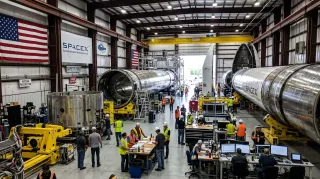
OpenAI Moves Toward US IPO as AI Race Intensifies

OpenAI Moves Toward US IPO as AI Race Intensifies

​OpenAI confirmed it has confidentially filed for an initial public offering in the United States on Monday, June 9, 2026, joining a growing group of artificial intelligence companies preparing to enter public markets amid sustained investor appetite for the sector.The move places OpenAI alongside peers such as Anthropic and SpaceX, as major private tech firms edge closer to public listings during a period of heightened interest in AI-driven growth narratives.OpenAI moves quietly toward IPOOpenAI said it has submitted a confidential filing but did not provide details on valuation, timing, or deal size.The company added that no final timeline has been set, noting that some strategic initiatives are still better handled while remaining private.Earlier reports suggested the company could be targeting a valuation of up to $1 trillion in a potential future listing.Wave of AI listings builds momentumThe move comes as several major AI-focused companies accelerate plans to access public capital markets.Anthropic has also filed for a US IPO, while other large technology firms are exploring listing options as investor interest in artificial intelligence continues to expand.The trend highlights how AI has become a dominant theme in global equity markets.Strong growth, but profitability still distantOpenAI has seen rapid user and revenue growth, driven by global adoption of ChatGPT across consumer and enterprise markets.The company has also expanded partnerships with major tech firms to strengthen infrastructure and cloud capabilities.However, it has indicated that profitability may still be years away due to ongoing heavy investment in development.Competition intensifies across AI sectorThe AI space has become increasingly crowded, with rivals like Anthropic gaining traction through enterprise tools and coding-focused models.Investors are now weighing whether current valuations across the sector can hold as more private giants prepare to go public.Attention is shifting to how large AI IPOs could impact liquidity and valuation levels across both public and private markets.Investors are also watching whether demand for AI exposure will remain strong once these companies begin trading.

UA Finance09 June

Track Global Markets in Real Time with UA Finance

Download the app now and access live financial data, expert analysis, and trusted economic news to follow stocks, forex, gold, and cryptocurrencies with ease.