
Today’s News - Page 32

Today's top breaking economic and financial market news.

BNP Paribas AM aims to double pre‑tax income

BNP Paribas AM aims to double pre‑tax income

On Tuesday, March 17th, 2026, BNP Paribas’ asset management division announced an ambitious plan to double its pre‑tax income by 2030, following the integration of AXA’s investment arm and other strategic growth initiatives. BNP Paribas Asset Management Sets Bold 2030 Income Goal BNP Paribas Asset Management said on Tuesday, March 17, 2026, that it intends to double its pre‑tax income by 2030, part of a long‑term strategy to strengthen profitability and competitive positioning across Europe’s asset management industry. The target follows the full integration of AXA Investment Managers, which significantly expanded BNP’s asset management footprint. Currently contributing around 7% of the group’s revenue, the asset management unit is being positioned as a major growth engine alongside other strategic initiatives focused on profitability and capital efficiency. Why This Matters? Doubling pre-tax income by 2030 will accelerate BNP Paribas Asset Management’s growth, increase profitability, and strengthen competitiveness as European asset managers respond to greater competition, fee pressure, and rising demand for alternative and private credit strategies. Here are the most important points: · Ambitious Profit Target by 2030: BNP signals its ambition to achieve substantial pre-tax income growth in asset management by 2030, underlining confidence in its long-term expansion strategy following acquisitions and product launches. · AXA IM Integration Fuels Scale: The integration of AXA’s asset management unit enhances scale and diversifies revenue streams, positioning BNP among Europe’s largest asset managers. · Alternative Assets Growth Strategy: BNP Paribas targets alternative assets—including private credit, real estate, and infrastructure—to attract strong net inflows by 2030. · Private Credit Opportunity in Europe: BNP expects Europe’s private credit markets to grow and invests in this segment as U.S. funds experience withdrawals. · Wealth & Retail Investor Demand: Wealth and retail investors will drive a significant portion of net inflows, strengthening long‑term revenue potential. · Operational Efficiency Enhances Profitability: Cost savings from consolidation and improved efficiency across business units are expected to boost profitability by 2030. BNP Paribas Positions Asset Management for Long Growth BNP Paribas aims to double its pre-tax income by 2030. This goal is part of a larger plan to expand its revenue sources and capitalize on long-term growth in Europe’s financial and asset management markets, even as competition increases.

UA Finance18 March
SNB Avoids FX Interventions After Pledge

SNB Avoids FX Interventions After Pledge

On Tuesday, March 17, 2026, the Swiss National Bank largely avoided foreign exchange market interventions in late 2025, following its commitment not to engage in currency manipulation. Swiss National Bank Abstains from FX Market InterventionsThe Swiss National Bank (SNB) refrained from intervening in the foreign exchange market in the final quarter of 2025, despite having pledged not to do so, according to the latest Bloomberg report. The SNB has been more cautious, balancing its commitment and reputation following recent scrutiny of its past interventions in the foreign exchange market. Although the Swiss government has always relied on the foreign exchange market as an important tool for its monetary policy, the bank has been more cautious in its recent interventions.Why This Matters?This decision by the SNB is noteworthy, especially given the fine line between maintaining currency stability and appearing to manipulate it, and it also affects global FX market sentiment. Here are six important points:· SNB’s FX Restraint Reflects Policy Pledge: The SNB limited interventions in late 2025 after promising not to engage in market manipulation, showing the impact of central bank commitments on actual policy actions.· FX Intervention as Policy Tool: Historically, the SNB has used foreign exchange operations alongside interest rate tools to manage deflation and currency strength as a part of broader monetary policy.· Swiss Franc Safe‑Haven Strength: The Swiss franc often attracts flows during periods of global uncertainty, prompting past intervention considerations; restraint now underscores careful policy signaling.· Reputation and Global Monitoring: Commitments to avoid manipulation can stem from external scrutiny and international currency agreements, influencing central banks’ operational choices.· Impact on Export‑Focused Economy: A strong franc can challenge Switzerland’s export performance, making FX policy more nuanced between competitiveness and perceptions of manipulation.· Policy Signaling to Markets: Central bank restraint, especially after pledges, sends powerful signals to FX markets and global investors about future monetary policy paths. SNB Signals Caution, Balances Markets, and Policy CommitmentsBy curbing FX interventions after a no‑manipulation pledge, the SNB emphasized policy credibility and market discipline. The move underscores central banks’ challenges in balancing exchange‑rate stability with international expectations and transparent monetary frameworks.

UA Finance18 March
Samsung unveils HBM4 for Nvidia Vera Rubin.

Samsung unveils HBM4 for Nvidia Vera Rubin.

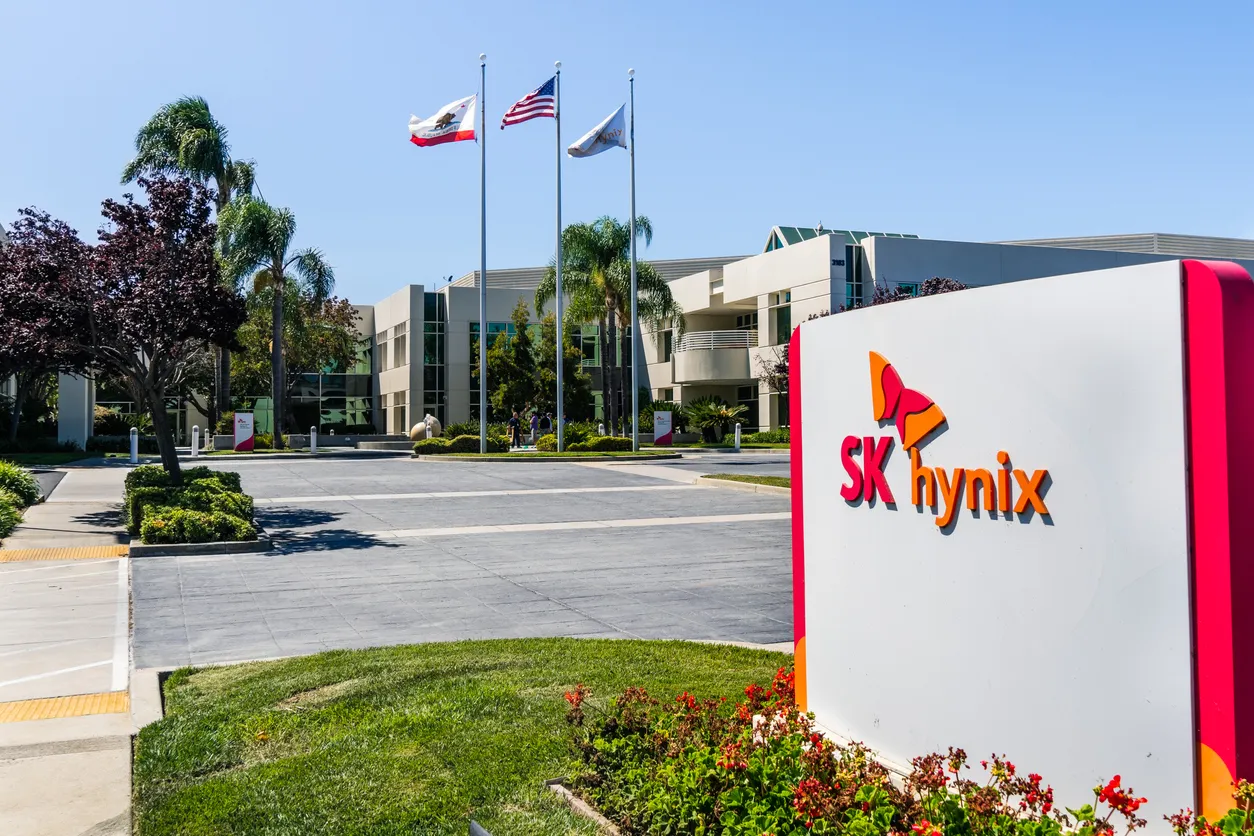
On Tuesday, March 17th, 2026, Samsung Electronics launched the company’s sixth-generation HBM4 memory chips for the Nvidia Vera Rubin artificial intelligence computing platform, providing the highest bandwidth in the industry and reinforcing the strategic partnership between the companies. Samsung Showcases Next-Gen HBM4 Memory for Nvidia AI PlatformSamsung Electronics has unveiled its next-generation high-bandwidth memory chips based on HBM4 and HBM4E for Nvidia’s Vera Rubin AI platform at Nvidia’s GTC 2026. It highlights the improved AI compute capabilities and the company’s strategic technology collaboration. The memory offers HBM4 memory with speeds up to 11.7 Gbps per pin and HBM4E with speeds up to 16 Gbps per pin. It deepens the company’s involvement in the AI memory ecosystem and competitive edge in the industry, increasing demand for memory solutions for infrastructure development.Why This Matters?Samsung’s announcement of HBM4 represents a major milestone in AI memory ecosystems, as it promises faster data throughput and performance for Nvidia’s next-generation AI platforms; it also cements Samsung’s place in the high-performance memory supplier landscape as industry demand heats up. Here are key points:· Industry-Leading Bandwidth Performance: Samsung’s HBM4 memory offers industry-leading performance with up to 11.7 Gbps per pin and 3.3+ TB/s stack bandwidth. HBM4E offers up to 16 Gbps per pin for meeting the data throughput requirements of AI applications.· Strategic Nvidia Partnership: Samsung’s HBM4 memory chips are featured in Nvidia’s GTC 2026 as the foundation for Nvidia’s AI platform, “Vera Rubin,” indicating the company’s increasing cooperation with Nvidia in the development of AI infrastructure solutions.· Boosting AI Infrastructure Capability: Increased memory speed and capacity help support complex AI workloads, reducing bottlenecks in AI training and inference tasks even for high-performance accelerators.· Competitive Position in Memory Ecosystem: Samsung improves its competitive position relative to SK Hynix and Micron in the competitive race to lead the next-generation HBM supply for artificial intelligence platforms.· AI Market Demand Surge: The rising demand for AI infrastructure globally underlines the importance of advanced memory technologies, such as HBM4, for data centers, supercomputing, and large-scale AI applications.· Facilitating Vera Rubin Performance: NVIDIA’s Vera Rubin integration with HBM4 technology enables huge memory bandwidth, which is vital in AI training and inference, hence enhancing AI capability benchmarks. High-Bandwidth Memory Drives Next-Gen AI Computing Growth.Samsung’s HBM4 innovation is a significant milestone in memory technology, building on Nvidia’s Vera Rubin performance abilities. This strategic move solidifies Samsung’s position in a highly competitive market while providing scalability for AI system improvement.

UA Finance18 March
AI Data-Center Boom Could Surpass $3 Trillion in Global Investment

AI Data-Center Boom Could Surpass $3 Trillion in Global Investment

Sunday, February 2, 2026 – 11:10 AM – Source: BloombergIs the $3 Trillion AI Data Center Boom Reshaping the Global Economy?The rapid rise of artificial intelligence is triggering one of the largest infrastructure expansions in modern history. According to Bloomberg, global spending on AI-focused data centers could exceed $3 trillion, as companies race to build the computing power needed for next-generation technologies.This surge reflects the growing importance of artificial intelligence in business operations, from automation and analytics to machine learning and generative AI. As demand continues to rise, technology companies are investing heavily in the digital infrastructure required to support these systems.AI Infrastructure Investment Drives Massive Data Center ExpansionThe scale of AI infrastructure investment is unprecedented. Building modern AI-ready data centers requires advanced processors, high-speed networking systems, and enormous energy resources.Companies across the technology sector are expanding their global footprint to support these needs. Industry leaders such as Microsoft, Amazon, and Google are investing billions into new facilities designed specifically for artificial intelligence workloads.This ongoing data center expansion is essential for training large AI models and processing massive datasets. Without this infrastructure, the rapid growth of AI technologies would not be possible.Global Technology Spending Accelerates in the AI EraThe boom in AI infrastructure is also driving a surge in global technology spending. Beyond hardware, companies are allocating capital to cloud computing platforms, software development, and energy systems needed to power large-scale data centers.As competition intensifies, many firms are turning to debt markets to finance these costly projects. This trend highlights how capital-intensive the AI revolution has become, with infrastructure now at the center of technological progress.Analysts expect spending to continue rising as artificial intelligence becomes more deeply integrated into industries such as finance, healthcare, and manufacturing.What the AI Infrastructure Boom Means for the FutureThe potential $3 trillion investment in AI data centers signals a major shift in the global economy. Artificial intelligence is no longer just a software innovation—it is driving a complete transformation of digital infrastructure.For businesses and investors, this trend emphasizes the importance of companies that can build and scale the systems powering AI. As data center expansion accelerates, those leading in infrastructure development are likely to shape the future of technology and global economic growth.

UA Finance18 March
Bitcoin Retreats From $76K Ahead of Fed, Iran Concerns

Bitcoin Retreats From $76K Ahead of Fed, Iran Concerns

Bitcoin dipped back from near $76,000 on Tuesday, March 17, 2026, as traders digested geopolitical tensions in Iran and a Federal Reserve meeting, reflecting a cautious market and high volatility in global cryptocurrency markets. Bitcoin Retreats After Rally Toward $76K as Markets Eye Fed and Geopolitics Bitcoin retreated following its move towards $76,000, with traders choosing to take profit as geopolitical tensions increase, ahead of the upcoming Fed meeting. The cryptocurrency is trading near its recent high, showing signs of consolidation following a strong rally, driven by safe-haven demand. Investors are currently weighing the effects of the Iran conflict, which boosted cryptocurrency inflows, against upcoming monetary policy decisions that could affect liquidity and risk appetite in global markets. Why This Matters? Bitcoin’s correction is a result of a critical juncture between geopolitical risk and monetary policy, where investor sentiment is driven by macro factors rather than purely crypto-centric factors. · Profit Taking After Sharp Rally: Bitcoin’s run towards $75K-$76K levels prompted short-term profit-taking, a common phenomenon in any market following a strong run, especially around levels where there is considerable psychological resistance. · Iran Conflict Fueling Safe-Haven Demand: Escalating geopolitical tensions have made Bitcoin a safe-haven asset, with its price rising, further cementing its status as a store of value. · Federal Reserve Decision in Focus: The markets are focused on the Federal Reserve meeting as interest rate expectations have a direct impact on liquidity conditions, influencing the overall demand for cryptocurrency assets. · Resistance Levels near $75K in Focus for Bitcoin: Bitcoin has significant resistance at the $75K mark, with analysts noting a breakout in this region may lead to further gains for the asset, while failure may cause consolidation in the near term. · Institutional Flows Supporting Prices: ETF inflows, as well as institutional investors’ accumulation, have contributed significantly to the price increase of Bitcoin, reflecting the interest of institutional investors in the asset despite the current macroeconomic conditions. · Macro Correlation Increasing: Bitcoin is now correlated with macroeconomic factors, inflation, oil prices, and monetary policy, indicating a move from speculative behavior to financial integration. Bitcoin at a Crucial Juncture as Macro Risks Weigh in on Direction Bitcoin’s recent correction is a clear indicator that the cryptocurrency is at a crucial juncture, with various geopolitical and macro-related issues impacting its trend. With the Fed’s decision just around the corner, traders are likely to be cautious in the coming days.

UA Finance18 March
Amazon Targets $37 Billion Bond Sale to Accelerate AI and Cloud Expansion

Amazon Targets $37 Billion Bond Sale to Accelerate AI and Cloud Expansion

Tuesday, March 10, 2026 – 9:20 AM – Source: Reuters Why Is Amazon Raising Billions to Fund Its AI Expansion? The race to dominate artificial intelligence is pushing major technology companies to make bold financial moves, and Amazon is no exception. According to Reuters, the company is targeting a massive bond sale worth up to $37 billion to support its growing investments in AI infrastructure and cloud computing. This move reflects how rapidly demand for artificial intelligence services is increasing. As businesses adopt AI tools for automation, analytics, and digital transformation, companies like Amazon are under pressure to expand the systems that power these technologies. AI Infrastructure Financing Becomes a Strategic Priority The planned bond sale highlights a broader trend in the technology sector: AI infrastructure financing is becoming essential. Building advanced data centers, purchasing high-performance chips, and maintaining global cloud networks require enormous capital. Amazon continues to invest heavily in its cloud division, Amazon Web Services, which plays a central role in delivering AI-powered services to businesses worldwide. These platforms support everything from machine learning models to real-time data processing. By raising funds through debt markets, Amazon is securing the resources needed to scale its infrastructure quickly while keeping up with rising global demand. Cloud Computing Investment Drives Big Tech Debt Strategy The surge in cloud computing investment is also reshaping how large technology companies manage their finances. Instead of relying solely on internal cash flow, firms are increasingly turning to bond markets to fund expansion. This evolving Big Tech debt strategy allows companies to accelerate growth without delaying critical infrastructure projects. As competition intensifies, speed has become a key factor in gaining an advantage in the AI space. Industry analysts suggest that more technology giants could follow a similar approach, especially as the cost of building AI-ready data centers continues to climb. What Amazon’s Move Means for the Future of AI Growth Amazon’s plan to raise billions underscores the scale of investment required to support the next wave of artificial intelligence innovation. The company’s strategy reflects a clear shift: infrastructure is now just as important as software in the AI economy. For investors and businesses, this development signals that companies willing to invest aggressively in AI infrastructure and cloud platforms are likely to shape the future of the global technology landscape.

UA Finance18 March
JPMorgan Expands China Investment Banking with Key Hire

JPMorgan Expands China Investment Banking with Key Hire

On Tuesday, March 17, 2026, JPMorgan announced that it has appointed Zhang, a veteran from Goldman Sachs, as its co-head of investment banking in China. This move aims to strengthen its strategy in Asia amid increased competition and rising financial markets in key regions. JPMorgan Accelerates China Expansion with Strategic Goldman Sachs Hire Financial firm JPMorgan has hired a senior banker named Yi Zhang from Goldman Sachs to become co-head of JPMorgan’s Chinese investment banking division. This move signals a significant push into Asia’s recovering deal-making market, as competition among global banks to capitalize on rebounding IPO markets and cross-border M&A intensifies. With more than two decades of experience, this move helps strengthen JPMorgan’s bench strength in managing a complex regulatory landscape, winning high-value mandates in China’s ever-changing financial landscape. Why This Matters? This appointment highlights increasing competition for banking industry talent as international banks continue to expand in Asia and reposition themselves to capitalize on a rebound in financial markets. Here are six important factors: · Talent Competition Is Intensifying: Global banks are actively recruiting senior dealmakers, a sign that the pool of available talent is becoming scarcer due to a competitive investment banking market in Asia. · China Remains a Strategic Priority: Despite the intricacy of regulation and geopolitical issues, China continues to attract global banks due to its strong capital markets and growth prospects in advisory and underwriting services. · IPO Activity Is Rebounding: Hong Kong and China's markets renewed activity in IPOs, creating a boost for banks to enhance their teams to take advantage of future listings. · M&A Activity Supports Expansion: An increase in mergers and acquisitions in Asia is generating interest in experienced bankers, those with international experience and strong relationships with corporates in key industries. · Leadership Depth Drives Competitive Advantage: Zhang’s experience will add to JPMorgan’s execution capabilities in the industrial space. It will help JPMorgan to structure complex deals and compete with global peers. · Long-Term Asia Growth Strategy: The hire is part of JPMorgan’s overall strategy to build out its Asia Pacific franchise, which it believes has strong potential for future deal flow and revenue growth. Strategic Talent Moves Redefine Asia’s Banking Market JPMorgan’s latest action is another testament to the bank’s commitment to Asia’s financial markets. As competition intensifies and deal-making activity increases, such as strategic talent hiring, Zhang will be defining leadership and opportunities in the region.

UA Finance18 March
Nvidia Chip Demand Surges as AI Data Centers Expand Worldwide

Nvidia Chip Demand Surges as AI Data Centers Expand Worldwide

Tuesday, March 10, 2026 – 8:45 AM – Source: Reuters Why Is Nvidia Seeing Explosive Demand for Its AI Chips? The rapid expansion of artificial intelligence technologies is transforming the global technology industry, and Nvidia is at the center of this transformation. According to Reuters, demand for Nvidia’s advanced processors is rising sharply as technology companies build more powerful data centers to support artificial intelligence systems. AI models require enormous computing power to process data, train algorithms, and deliver real-time insights. As a result, cloud providers and technology firms are investing heavily in advanced chips capable of handling these complex tasks. This surge in AI chip demand has positioned Nvidia as one of the most important companies in the rapidly expanding artificial intelligence ecosystem. AI Chip Demand Fuels Semiconductor Market Growth The increasing use of artificial intelligence across industries is driving strong semiconductor market growth. Nvidia’s graphics processing units (GPUs) have become essential hardware for training and running modern AI models. Major technology companies such as Microsoft, Amazon, and Google rely on these high-performance chips to power their cloud computing services and AI platforms. These processors are capable of performing thousands of calculations simultaneously, making them ideal for machine learning workloads, data analysis, and generative AI applications. As more organizations adopt AI-powered solutions, the demand for specialized chips continues to grow. Industry analysts expect semiconductor companies to experience sustained growth as artificial intelligence becomes a core component of digital infrastructure worldwide. AI Computing Infrastructure Expands Across Global Data Centers The expansion of AI computing infrastructure is also contributing to the rising demand for Nvidia chips. Data centers around the world are being upgraded with advanced processors and high-performance servers designed specifically for AI workloads. Technology firms are investing billions of dollars into new facilities capable of supporting large-scale machine learning systems. These data centers provide the computational power needed to train AI models used in applications such as language processing, image recognition, and automated decision-making. As AI adoption spreads across sectors including finance, healthcare, and manufacturing, infrastructure investments are expected to accelerate further. Nvidia’s Leadership Reflects the Future of Artificial Intelligence The surge in demand for Nvidia’s processors highlights the growing importance of hardware in powering the AI revolution. By supplying the chips that drive modern artificial intelligence systems, Nvidia has become a key player in the global technology economy. For investors and businesses alike, the trend demonstrates that companies developing advanced semiconductor technologies will play a crucial role in shaping the future of artificial intelligence and digital innovation.

UA Finance18 March
Citi Signals Possible Pause in BoE Rate Cuts This Week

Citi Signals Possible Pause in BoE Rate Cuts This Week

On Monday, March 16, 2026, expectations around BoE rate cuts shifted as Citigroup indicated the Bank of England may pause its easing cycle at the upcoming policy meeting. The outlook reflects ongoing uncertainty surrounding inflation and global energy prices. Will the Bank of England Hold Rates This Week? Analysts at Citigroup expect the BoE rate cut cycle to pause this week as policymakers weigh persistent inflation pressures and external economic risks. The forecast comes ahead of the central bank’s policy meeting, where officials are expected to review economic data and global developments before making further adjustments to interest rates. According to the reports, caution among policymakers has increased as inflation remains sensitive to shifts in energy prices and geopolitical developments affecting global markets. What Could Influence the BoE Rate Decision? Several elements are shaping expectations for BoE rate cuts: · Inflation risks remain a concern for policymakers · Energy market volatility continues to affect forecasts · Global geopolitical tensions are adding uncertainty These factors may encourage the central bank to maintain its current stance until clearer economic signals emerge. Market Attention Turns to Future BoE Rate Cuts Investors are watching the meeting closely for signals about the timing of future BoE rate cuts, as any policy guidance could influence currency and bond markets in the coming months.

UA Finance18 March
Yen Safe-Haven Status Weakens Amid Global Market Turmoil

Yen Safe-Haven Status Weakens Amid Global Market Turmoil

On Monday, March 16, 2026, concerns over the fading yen’s safe-haven reputation drew attention across currency markets as geopolitical tensions and rising energy costs reshaped investor behavior. The shift in the yen safe-haven narrative highlights changing dynamics in global risk sentiment. Why the Yen’s Safe-Haven Image Is Losing Strength The yen’s safe-haven reputation, long associated with stability during global crises, is facing renewed scrutiny as financial markets respond to geopolitical risks and energy price volatility. Historically, investors turned to the Japanese currency during periods of uncertainty due to Japan’s strong external assets and financial stability. However, recent developments suggest that the yen’s safe-haven role is becoming less predictable. Reports indicate that rising oil prices and global tensions have pressured the Japanese currency rather than strengthening it, challenging its traditional status in the currency market. Japan’s heavy reliance on energy imports has amplified the economic impact of higher prices, weakening the currency’s defensive appeal during global shocks. What’s Driving the Shift in the Yen Safe-Haven Narrative? Several factors are contributing to the weakening yen safe-haven perception: · Energy Dependence: Japan imports most of its energy, making the currency vulnerable when oil prices rise. · Dollar Strength: Investors increasingly favor the U.S. dollar during geopolitical tensions. · Investor Behavior: Traditional safe-haven flows toward the yen appear less consistent than in past crises. · Global Market Changes: Currency flows are shifting as interest rate expectations and economic conditions evolve. A Changing Role for the Yen Safe Haven While the yen’s safe-haven status has historically been a cornerstone of global financial markets, current geopolitical tensions and economic factors are reshaping that role. The future of the yen as a refuge currency remains uncertain as global market conditions continue to evolve.

UA Finance18 March
Citi Warns Middle East Conflict Could Weigh on India’s Growth

Citi Warns Middle East Conflict Could Weigh on India’s Growth

On Monday, March 16th, 2026, Citigroup cut India’s Nifty 50 valuation multiple and stated that the Middle East conflict might result in a loss of as much as 30 basis points in India’s economic growth this financial year, due to increasing macroeconomic risks. Nifty Valuation Cut as Global Conflict Clouds Outlook Citigroup has cut its forecast for the Nifty 50 index valuation to 19 times forward earnings, down from 20 times, and has forecast a target of 27,000 by December 2026. Citigroup has cited supply chain disruptions because of a reduction in ship traffic through the Strait of Hormuz, leading to a 90% cut. The disruptions have not only affected oil prices, but supply chains for petrochemicals, LPG, LNG, and fertilizers have also been affected. It may result in slower economic growth, higher inflation, and tighter corporate earnings in emerging markets like India, which is sensitive to energy and commodity prices. Why This Matters? The change in Citi’s assessment reflects increased concern that an extended conflict in the Middle East, supply disruptions, and high energy prices could dampen GDP growth, erode corporate profitability, and lift inflation, impacting risk sentiment and investor risk appetite in India’s equity market. Here are six key factors: · Slower Economic Growth Risk: Prolonged disruptions from the conflict in the Middle East could impact India's GDP growth prospects as rising energy costs curb consumer spending, increase business costs, and dampen investor sentiment across sectors. · Higher Inflation Pressure: Increases in oil and commodity prices, often driven by geopolitical tensions, lead to rising costs in areas such as transportation and manufacturing, thereby increasing inflation and hurting income. · Earnings Growth Uncertainty: Companies that are vulnerable to disruptions in energy and supply chains may experience compressed profit margins and lower earnings forecasts, causing brokerages to cut valuation multiples and price targets. · Cautious Investor Sentiment: More risk-averse market risk aversion may impact equity market valuations, such as those of the Nifty 50, negatively, especially in cases where geopolitical risk premia rise and capital is risk-averse. · Impact on Energy-Dependent Economies: India imports the majority of crude oil, and a sudden surge in prices would have a significant impact on inflation, fiscal policy, and consumer confidence. · Impact on Energy-Dependent Economies: India imports most of its crude oil, and an unexpected rise in prices would have major effects on inflation, fiscal policy, and consumer behavior. Global tensions force re-rating of Indian equities. The reduction by Citigroup of the multiple on the Nifty and its haircut on the year-end target reflects increasing anxiety about the impact of the Middle East war and related energy and supply chain disruptions on India's growth, inflation, and corporate profitability.

UA Finance18 March
Cardano Jumps 10% as Crypto Market Sees Strong Green Day

Cardano Jumps 10% as Crypto Market Sees Strong Green Day

On Monday, March 16, 2026, Cardano recorded a sharp upward move as Cardano surged during a broader cryptocurrency market rally. The sharp move placed Cardano among the day’s notable gainers during a strong green trading session. Cardano Jumps in Strong Crypto Market Session The cryptocurrency Cardano posted a notable rally during the latest trading session, with Cardano climbing around 10% in what traders described as a strong green day for the broader digital asset market. Data cited by financial media showed Cardano gaining significant momentum during the session, making its largest single-day percentage increase in recent weeks. The move lifted Cardano’s market value and attracted renewed attention from market participants following recent volatility in the crypto sector. A Look at the Market Momentum Behind Cardano The upward move in Cardano occurred alongside a broader rise in major cryptocurrencies. Market snapshot: Cryptocurrency Market Movement Bitcoin Recorded strong daily gains Ethereum Followed the upward trend Cardano Jumped about 10% in the session During the same trading window, Cardano traded within a narrow daily range before accelerating upward as buying activity strengthened across the crypto market. Cardano Reflects Broader Crypto Momentum The latest rally highlights how Cardano regularly moves with overall cryptocurrency market trends as investor sentiment shifts across the digital asset sector.

UA Finance18 March
Standard Life Exceeds Profit Forecasts

Standard Life Exceeds Profit Forecasts

On Monday, March 16th, 2026, Standard Life, a financial services provider in the United Kingdom, posted better-than-expected annual profit results, driven by the company’s pensions and savings business, which has been experiencing steady growth due to the increasing popularity of retirement products in the United Kingdom. Pension and Savings Demand Boosts Earnings of Standard Life Standard Life announced that its adjusted operating profit came in at around 945 million pounds, surpassing analysts’ expectations of around 937 million pounds. The company also announced that its cash generation came in at 1.71 billion, surpassing analysts’ expectations. The demand for pension and savings solutions boosted the company’s earnings, even as the financial services sector has been adjusting to changing investment patterns and regulatory environments. Why This Matters? The demand for pensions and savings products is set to become a growth driver for insurers and asset managers as the financial services industry is impacted by aging populations and retirement planning. Here are most important points: · Growing Retirement Market: The demand for retirement planning products is growing with the aging population in developed countries. Pension fund providers such as Standard Life are benefiting from the rising inflows into long-term savings products that offer a steady income stream in retirement. · Capital-Light Business Model: The business of managing pensions and savings tends to be less capital-intensive than the traditional insurance underwriting business. This capital-light business model enables companies to create a stable source of fee income while also having better balance sheets and improved bottom-line profitability. · Stable Cash Generation: Good life insurance companies will continue to focus on strong cash generation. More operating cash means more options for dividends, debt pay off, and investing in new types of financial products or technology platforms. · Increasing Demand for Retirement Products: Financial insecurity and increased longevity have provoked people to seek secure retirement plans. Pension plans, annuity plans, and savings plans have emerged as major tools in financial planning. · Competitive Wealth Management Landscape: The traditional asset management industry faces competition from low-cost index funds and digital platforms. There is a growing focus within the retirement and advisory services industry to create differentiated long-term value. · Long-Term Sector Growth Potential: The global savings gap for retirees is increasing, especially in developed markets. Firms with robust pension offerings and savings solutions have an opportunity to benefit from the increasing need for retirement income solutions. Retirement Demand Strengthens Financial Sector Standard Life’s quarterly profit beat underscores the rising importance of retirement and saving products for financial companies. With demographic changes intensifying and retirement planning assuming greater significance, financial companies focused on providing pension services are positioned for strong growth in the long term.

UA Finance18 March
Global Tech Stocks Rally as AI Investment Accelerates Worldwide

Global Tech Stocks Rally as AI Investment Accelerates Worldwide

Monday, March 10, 2026 – 8:30 AM – Source: Financial Times Is Artificial Intelligence Driving a New Global Tech Stock Rally? Global financial markets are witnessing a strong surge in technology stocks as artificial intelligence continues to reshape investment strategies. According to Financial Times, investors are increasingly pouring capital into companies involved in artificial intelligence development, cloud computing infrastructure, and advanced semiconductor technologies. This renewed enthusiasm has triggered a powerful technology sector rally, pushing many tech-focused stock indices higher. Market participants believe that artificial intelligence will remain one of the most transformative forces in the global economy over the next decade. As companies accelerate spending on AI tools and digital infrastructure, investors are positioning themselves to benefit from the next phase of technological growth. AI Investment Trends Fuel Global Stock Market Growth The rise in AI investment trends is playing a central role in boosting global stock market growth. Large technology companies are investing billions of dollars into artificial intelligence research, high-performance computing systems, and advanced data centers. Major technology leaders such as Microsoft, Amazon, and Nvidia are expanding their AI capabilities to support applications ranging from machine learning platforms to generative AI systems. These investments are not limited to software development. Companies are also spending heavily on physical infrastructure, including specialized processors, networking systems, and large-scale cloud data centers capable of handling complex AI workloads. As a result, investors see artificial intelligence as a long-term growth opportunity that could reshape multiple industries worldwide. Technology Sector Rally Reflects Growing Confidence in AI The ongoing technology sector rally reflects growing confidence among investors that artificial intelligence will continue driving innovation and profitability. AI technologies are being integrated into industries such as healthcare, finance, manufacturing, and retail, helping companies improve efficiency and unlock new revenue streams. Technology firms that provide the tools, chips, and infrastructure needed for AI development are attracting strong market interest. This shift is reinforcing the role of the technology sector as a key engine of global economic expansion. Market analysts expect that companies leading the AI revolution will remain major beneficiaries of increased investor demand. Artificial Intelligence Could Shape the Future of Global Markets The recent surge in global technology stocks highlights the growing influence of artificial intelligence on financial markets. As AI adoption accelerates across industries, companies investing in advanced computing capabilities are likely to maintain strong growth momentum. For investors, the trend signals a broader transformation of the global economy. Artificial intelligence is no longer just an emerging technology—it is rapidly becoming a central driver of innovation, productivity, and long-term market expansion.

UA Finance18 March
Bitcoin Price Hits 6-Week High Above $74K on Short Squeeze

Bitcoin Price Hits 6-Week High Above $74K on Short Squeeze

On Monday, March 16, 2026, the Bitcoin price climbed above $74,000, reaching a six-week high as short liquidations boosted upward momentum in the crypto market. Bitcoin Breaks Higher—Short Liquidations Push Price Up The Bitcoin price moved sharply higher at the start of the week, reaching its highest level in about six weeks. The advance was largely supported by a wave of short liquidations that added momentum to the cryptocurrency’s upward movements. Market participants monitored the move closely as the Bitcoin price continued to show volatility while global investors remained attentive to geopolitical developments and broader financial market sentiment. What Supported Lifting the Bitcoin Price? The latest move in Bitcoin price came as trading activity intensified across crypto markets. Market Factor Impact on Bitcoin Price Short liquidations Forced buying accelerated the rally Strong trading momentum Helped push Bitcoin above key resistance Renewed investor attention Increased activity across crypto markets Such liquidations occur when traders against Bitcoin price are forced to close positions, which can amplify upward market momentum. Bitcoin Price Rally Draws Market Attention The latest move places the Bitcoin price at a multi-week high, highlighting how market liquidations and trading momentum can quickly influence cryptocurrency trends.

UA Finance18 March

Track Global Markets in Real Time with UA Finance

Download the app now and access live financial data, expert analysis, and trusted economic news to follow stocks, forex, gold, and cryptocurrencies with ease.