
Today’s News - Page 23

Today's top breaking economic and financial market news.

Stocks Rise as Oil Slips on Ceasefire Hopes

Stocks Rise as Oil Slips on Ceasefire Hopes

​ Global markets steadied on Wednesday, March 25, 2026, as stocks bounced and oil retreated on renewed Middle East ceasefire expectations. Investors reacted swiftly to easing geopolitical tensions, lifting equities while cooling energy prices. Markets Rally While Oil Loses Steam on Ceasefire Buzz Global equities advanced as stocks bounced and oil retreated, with investors reacting to reports of a potential Middle East ceasefire. The shift lifted major indices, while crude prices eased from recent highs. As the saying goes, “Markets climb a wall of worry,” and even a hint of calm was enough to spark a rebound. Traders grew optimistic about reduced supply disruptions that fueled oil’s earlier surge. Investor Sentiment Turns Optimistic Improved sentiment revived appetite for risk assets. Equities gained support as volatility softened, while lower oil prices pointed to expectations of stabilizing supply. Energy markets, however, remained highly reactive, highlighting the fragile balance between geopolitical risks and supply dynamics. A Delicate Balance for Global Markets Uncertainty persists despite the rally. Investors continue to track developments closely, knowing any shift in negotiations could quickly reshape both equities and oil. The link between geopolitics and markets remains strong, showing how external shocks ripple across global assets.

UA Finance25 March
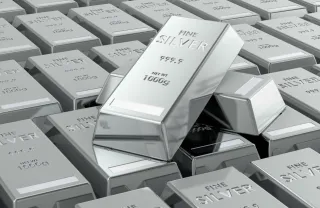
Gold Rebounds as Trump Delays Iran Energy Strikes

Gold Rebounds as Trump Delays Iran Energy Strikes

On Tuesday, March 24, 2026, gold trims losses after a sharp decline as U.S. President Donald Trump delayed potential strikes on Iran’s energy assets, easing immediate market anxiety.Gold Recovers Ground as Tensions EaseGold trims losses following a sharp drop as Donald Trump postponed military action on Iran’s energy sector. The move reduced fears of supply shocks and inflation spikes, helping gold prices regain some stability.Initial pressure came from rising inflation expectations and stronger yields, which typically weigh on bullion. However, the delay in escalation offered markets a moment of relief, proving once again that “markets react fast, but recalibrate faster.”Inflation Concerns Keep PressureDespite the rebound, gold remains fragile. Ongoing geopolitical risks and expectations of higher interest rates continue to limit gains.Investors are watching closely for further developments in the Middle East and central bank cues as gold trims losses but remains sensitive to global shifts.

UA Finance25 March
As Iran Denise US Talks, Oil Prices Rise Again.

As Iran Denise US Talks, Oil Prices Rise Again.

​ On Tuesday, March 24, 2026, Iran denied the US talks to ease tensions, sending oil markets edging higher, with supply uncertainty continuing to pin the crude benchmark and keep volatility elevated across the global energy sector. Oil Sours as Supply Risks Resurface. On Tuesday, March 24, 2026, oil prices reversed again as markets reassessed supply risk as Iran rejected talks with the USA. Brent crude, the benchmark, gained as escalating friction could disrupt exports. Traders are becoming increasingly price-conscious of the risk premium, reflecting Middle East tensions, uncertainty, and stability, as well as tighter global supply conditions in the near term. Oil Markets Drivers Comparison Table: Factor Current Impact Market Direction Risk Level Iran-US Relations High Bullish Elevated Global Demand Outlook Moderate Neutral Medium OPEC + Supply Policy Stable Supportive Medium Geopolitical Tensions High Bullish High Inflation Expectations Rising Bullish Medium Dollar Strength Variable Mixed Medium · Oil markets are sensitive to geopolitics. Oil markets are increasingly sensitive and driven by geopolitical narratives. As tensions with Iran persist, traders remain on edge about diplomatic signals, with minor developments capable of triggering significant short-term price swings.

UA Finance25 March
Software Stocks Slide Again as AI Pressures Mount

Software Stocks Slide Again as AI Pressures Mount

​ On Tuesday, March 24, 2026, software stocks extended losses as growing AI competition unsettled investors. The software sector downturn highlighted broader concerns beyond a single trigger. Software Stocks Sink: Is AI Disruption Spreading Too Fast? A fresh bout of selling swept through global equities, with software stocks leading the decline as concerns over artificial intelligence competition intensified. The latest weakness followed headlines surrounding new AI tools, but the pullback was far from a single-trigger event. Investors appeared increasingly cautious toward high-growth software names, as shifting expectations around pricing power and long-term margins weighed on sentiment. “When innovation accelerates, incumbents regularly feel the heat first,” one market observer noted, capturing the tone of the session. Pressure Builds Beyond a Single Catalyst While recent attention centered on AI models like Claude, the broader software sector downturn reflects deeper concerns. Market participants are reassessing valuations after a prolonged rally, particularly as competition in AI-driven services becomes more aggressive. At the same time, enterprise spending trends remain under scrutiny, with some analysts flagging slower deal cycles and tighter budgets as additional headwinds. The software sector now stands at a pivotal moment. As AI reshapes the competitive landscape, companies face mounting pressure to adapt quickly or risk losing relevance. The ongoing sell-off underscores how rapidly sentiment can shift when innovation disrupts established business models.

UA Finance25 March
Gold Prices Jump 3% on Dollar Weakness Boost

Gold Prices Jump 3% on Dollar Weakness Boost

​ On Wednesday, March 25, 2026, gold prices surged sharply, with gold prices climbing over 3% as a weakening U.S. dollar and softer oil prices fueled investor appetite for safe-haven assets. The rally underscores renewed momentum in gold prices amid shifting macroeconomic signals. Gold Prices Soar as Dollar Slips and Oil Eases Gold prices staged a powerful rally, rising more than 3% to reach $4,558, as currency and energy market dynamics aligned in favor of bullion. A softer U.S. dollar typically enhances gold’s appeal by making it more affordable for holders of other currencies, while declining oil prices eased inflation concerns, further supporting demand. The surge in gold prices reflects a broader shift in sentiment, as investors recalibrate positions in response to global economic uncertainty. Market participants appeared to gravitate toward bullion as a hedge, reinforcing gold prices as a traditional store of value. Safe-Haven Demand Returns to the Spotlight A familiar market saying goes, “When uncertainty knocks, gold answers.” This pattern played out once again, with gold prices benefiting from cautious investor positioning. Lower energy costs supported gold prices by easing inflation pressure, creating a favorable backdrop for gains. The recent surge highlights how currency shifts, oil trends, and geopolitical signals combined to drive gold prices higher and renew market interest.

UA Finance25 March
European Stocks Edge Higher as Oil Rises on Iran Tensions

European Stocks Edge Higher as Oil Rises on Iran Tensions

​ March 24, 2026—European stocks advanced modestly while oil prices climbed, as persistent concerns over tensions involving Iran kept investors on edge. The market mood reflected cautious optimism shaped by geopolitical risks. Markets Climb While Oil Extends Gains European equities closed mostly higher, supported by selective buying across sectors, even as investors remained alert to escalating geopolitical developments. Oil prices also moved upward, reinforcing the broader market narrative that supply concerns are once again in focus. “Markets don’t fear noise—but they react to uncertainty,” a sentiment that appeared to define trading behavior throughout the session. The ongoing situation surrounding Iran has injected fresh volatility into global energy markets, pushing crude benchmarks higher. Energy Concerns Take Center Stage Oil’s upward trajectory underscored growing unease about disruptions to supply chains. Energy stocks typically found support in this environment, mirroring gains in crude prices, while broader indices showed restrained momentum. A Fragile Balance for Investors While equities demonstrate resilience, the underlying tone remained cautious. Investors are balancing improving risk appetite with geopolitical uncertainty, a dynamic that continues to shape short-term market direction.

UA Finance25 March
After Limiting Fund Withdrawal, Ares Management Stock Falls

After Limiting Fund Withdrawal, Ares Management Stock Falls

​ On Tuesday, March 24, 2026, Caping investors' withdrawals in its private funds caused shares of Ares management to decline, highlighting rising redemption pressure and growing liquidity concerns across the $2 trillion private credit industry. Ares Shares Slides as Withdrawal Limits Spark Concerns The shares fell after Ares Management Caped investors' withdrawals in its private credit fund due to a surge in redemption requests. About 11.6% of fund assets were withdrawn, prompting the firm to cap redemptions at 5% to align with fund rules. The move sends shivers down private credit markets, where liquidity constraints are forcing account managers to restrict outflows to avoid forced asset sales. Private Credit Stress Comparison Table Factor Current Situation Impact on Market Risk Level Redemption Requests Elevated 11% Negative Sentiment High Withdrawal Limits Capped at 5% Liquidity Control Medium Asset Liquidity Low Structural Risk High Investor Confidence Weakening Volatility High Industry Trend Widespread gating Systemic Concern High Stock Performance Declining Bearish Outlook Medium A Turning Point for Private Credit Ares's withdrawal cap underscores a crucial moment in the private credit markets. A call for a sector-wide structural reset as liquidity pressure rises, pinning investors and managers to rethink risk, access, and long-term sustainability.

UA Finance25 March
After Limiting Fund Withdrawal, Ares Management Stock Falls

After Limiting Fund Withdrawal, Ares Management Stock Falls

On Tuesday, March 24, 2026, Caping investors' withdrawals in its private funds caused shares of Ares management to decline, highlighting rising redemption pressure and growing liquidity concerns across the $2 trillion private credit industry. Ares Shares Slides as Withdrawal Limits Spark Concerns The shares fell after Ares Management Caped investors' withdrawals in its private credit fund due to a surge in redemption requests. About 11.6% of fund assets were withdrawn, prompting the firm to cap redemptions at 5% to align with fund rules. The move sends shivers down private credit markets, where liquidity constraints are forcing account managers to restrict outflows to avoid forced asset sales. Private Credit Stress Comparison Table​ Factor Current Situation Impact on Market Risk Level Redemption Requests Elevated 11% Negative Sentiment High Withdrawal Limits Capped at 5% Liquidity Control Medium Asset Liquidity Low Structural Risk High Investor Confidence Weakening Volatility High Industry Trend Widespread gating Systemic Concern High Stock Performance Declining Bearish Outlook Medium A Turning Point for Private Credit Ares's withdrawal cap underscores a crucial moment in the private credit markets. A call for a sector-wide structural reset as liquidity pressure rises, pinning investors and managers to rethink risk, access, and long-term sustainability.

UA Finance25 March
“Almost No Chance of Fed Rate Hike” Sees Wolfe Research

“Almost No Chance of Fed Rate Hike” Sees Wolfe Research

On Tuesday, March 24, 2026, Stephanie Roth from Wolfe Research says the Fed is highly unlikely to increase interest rates in the near term. Regardless of rising inflation risks from energy shocks, there is a reinforcing expectation that policy will remain on hold. Fed Rate Hike Unlikely Despite Market Turbulence “The probability of the Fed rate hike remains extremely low,” according to Wolfe Research, even as markets grapple with inflation risks tied to rising oil prices and geopolitical tensions. While inflation uncertainty persists, the current economic conditions do not justify tightening. Instead, the base case remains a prolonged pause. Policymakers are prioritizing stability amid mixed signals from growth and inflation dynamics. Fed Policy Outlook Scenarios Scenario Inflation Trend Growth Outlook Fed Action Market Impacts Stable Inflation Moderating Moderate Hold Rates Neutral Sticky Inflation Elevated Slowing Hawkish Pause Volatile Rising Inflation Shock Accelerating Weakening Possible Hike Risk-Off Growth Deterioration Falling Weak Rate Cuts Bullish Bonds Markets Overpricing Tightening Risk Wolfe Research’s outlook implies that markets overestimate the Fed’s tightening. Unless inflation broadens significantly beyond Energy-driven pressures, bank governors are to maintain a cautious pause over rate hikes.

UA Finance25 March
Deutsche Bank Reshuffles Chemicals Ratings on Conflict Risks

Deutsche Bank Reshuffles Chemicals Ratings on Conflict Risks

On Tuesday, March 24, 2026, as the Middle East conflict reshapes cost structure and demand outlook, Deutsche Bank revised its European chemicals sector ratings. Prolonged uncertainty could drive headwinds and selective opportunities across the industry. The Chemicals Sector Rest as Conflict Reshapes Outlook Deutsche Bank overhauled the European chemical coverage, reflecting the growing impact of the Middle East conflict on industrial demand and cost dynamics. BASF and Brenntag are upgraded by the bank, while AkzoNobel and Givaudan are downgraded. The conflict introduces both inflationary cost pressures and structural shifts in supply-demand balance across the sector. European Chemicals Rating Changes Snapshot​ Company Previous Rating New Rating Trend Hey Driver BASF Hold Buy Upgraded Strong Positioning Brenntag Hold Buy Upgraded Strong Positioning Umicore Hold Buy Upgraded Strategic Exposure AkzoNobel Buy Hold Downgraded Margin Pressure Givaudan Buy Hold Downgraded Demand Concerns Wacker Chemie Sell Hold Upgraded Reduced Downside Risk ​ A Sector in Transitions The European chemicals sector is entering a new phase shaped by geopolitical and energy volatility. As the divergence between winners and losers becomes pronounced, investors must shift from broad sector views to selective positioning.

UA Finance25 March
Gold Price Swings as Iran War Triggers Risk-Off Trade

Gold Price Swings as Iran War Triggers Risk-Off Trade

On Tuesday, March 24, 2026, investors reacted to the escalation linked to the 2026 Iran war, amid volatile gold markets. Rising inflation fears and shifting rate expectations are limiting the precious metal’s safe-haven appeal and heightening uncertainty. Gold Volatility Rises as Risk-Off Sentiment Deepens Gold prices remain under pressure as investors navigate a complex risk-off driven by escalating tensions tied to the 2026 Iran war. The precious metals roll as a safe haven, bullion, has fallen sharply, roughly 15%, since the beginning of the conflict. Rising oil prices fuel inflation and reduce expectations of interest rate cuts. With investors balancing geopolitical risk against tightening financial conditions. Gold vs Market Forces Comparison Table Medium​ Factor Impact on Gold Direction Strength Geopolitical Risk Supportive Bullish Medium Interest Rate Expectations Negative Bearish High Inflation Mixed Neutral/Bullish Medium ETF Flows Weakened Demand Bearish High Liquidity Needs Forced Selling Bearish High USD Strength Strong Dollar Bearish Gold Faces a Structural Test Gold is undergoing a crucial test as conflicting macroeconomic factors reshape its role as a safe haven. While geopolitical tensions typically support prices, rising rates and liquidity pressures are redefining how investors treat the precious metal in crisis periods.

UA Finance24 March
New Zealand Central Bank Warns Energy Shock Rate Hikes

New Zealand Central Bank Warns Energy Shock Rate Hikes

​ On Tuesday, March 24, 2026, the RBNZ warns it could force rate hikes if the energy shock continues and inflation risks rise. Policymakers emphasize caution, balancing temporary price spikes against the danger of persistent inflation driven by global oil volatility. RBNZ Signals Rate Hike Amid Energy Shock Governor Anna Breman, that temporary fuel price spike may be overlooked, but if tensions are prolonged, it would require policy tightening. Inflation is already above the bank's target band, and markets are pricing a potential hike as early as May. Policymakers are balancing a fine line between inflation control and economic stability. Energy Shock Policy Response Matrix Scenario Energy Shock Duration Inflation Impact Central Bank Response Market Impact Temporary Spike Sort-Term Mild Hold Rates Stable Extended Volatility Medium-Term Rising Hawkish Guidance Volatile Prolonged Shock Long-Term Entrenched Rate hikes Bearish bonds Severe supply Disruption Persistent Crisis High Inflation Aggressive tightening Risk-off Duration Drive Policy Decisions Duration is a key factor, not just the magnitude of the energy shock, in determining policy. If inflation persists, the central bank may be forced into a tightening cycle despite weak growth and uncertainty.

UA Finance24 March
Goldman Cuts India Growth View on Currency Pressure

Goldman Cuts India Growth View on Currency Pressure

​ On Tuesday, March 24, 2026, Goldman Sachs lowered its outlook for India’s economic growth, citing mounting currency pressure that could push policymakers toward an unexpected rate hike. The move signals rising concerns over macro stability in one of Asia’s key engines. Goldman Sounds Alarm: Growth Slows, Pressure Builds “Markets don’t blink—they react,” and that reaction is already unfolding. Goldman Sachs revised down India’s growth forecast, highlighting how sustained weakness in the rupee could complicate the central bank’s policy path. A softer currency typically fuels imported inflation, tightening the room for accommodative measures. The investment bank warned that persistent currency strain may force authorities to consider a rate hike sooner than expected. Such a move, while stabilizing the currency, could dampen borrowing and investment activity—creating a delicate balancing act for policymakers. Recent global volatility, coupled with fluctuating commodity prices, has added another layer of uncertainty to India’s outlook A Tipping Point for Policy? The question now lingers: will defending the currency outweigh supporting growth? As pressures mount, markets are bracing for signals that could redefine India’s near-term economic trajectory.

UA Finance24 March
ADNOC CEO Warns Slowing Global Growth

ADNOC CEO Warns Slowing Global Growth

​ On Tuesday, March 24, 2026, rising oil prices are dragging global economic growth, as supply disruptions and tensions fuel inflation. Policymakers and businesses alike are facing increasing pressure as energy costs ripple across industries, thus weakening demand. Oil Prices Hit Growth, Global Economy Dips Abu Dhabi National Oil Company CEO Sultan Al Jaber highlights the broader economic fallout as oil prices are weighing on the global economy. Speaking at a major energy conference, Crude prices are hovering around $100, already dragging down worldwide growth. Supply disruptions are intensifying, and higher energy costs are feeding inflation. Weakening demand and pushing major economies towards stagnation. Global Economic Impact of Oil Shock Factor Impact on Economy Direction Risk Level Oil Price Surge Higher Cost Negative Growth High Inflation Rising Sharply Negative High Consumer Spending Declining Negative Medium Industrial Output Slowing Negative High Central Bank Policy Tightening Bias Restrictive Medium Global Trade Disrupted Negative High Energy Shoch Reshaping global Outlook The current oil price surge is escalating into a worldwide economic threat. As growth slows due to rising energy costs, the world faces a balance where sustained shocks could tip key regions into stagnation or recession.

UA Finance24 March
Iran War Hits Natural Gas Harder Than Oil Markets

Iran War Hits Natural Gas Harder Than Oil Markets

As of Tuesday, March 24, 2026, the Iran war is sending shockwaves through global energy markets, with natural gas emerging as the most vulnerable asset. The unfolding Iran war is rapidly reshaping supply expectations and unsettling traders worldwide. Gas Takes the Harder Hit: Iran War Reshapes Energy Markets A fresh wave of geopolitical turmoil is redrawing the energy map—and this time, natural gas appears to be bearing the brunt. While crude oil prices have climbed amid the Iran war, gas markets are experiencing sharper disruptions, reflecting their tighter regional dependencies and more fragile supply chains. Traders describe the situation as a “storm beneath the surface,” where gas flows—particularly those tied to sensitive transit routes—face deeper uncertainty. Unlike oil, which benefits from a globally diversified network, natural gas remains more exposed to localized shocks, amplifying volatility across key importing regions. Fragile Network Under Strain The Iran war has intensified concerns over infrastructure security and cross-border supply routes. Liquefied natural gas shipments and pipeline flows are increasingly viewed as vulnerable points, triggering price swings that outpace those seen in oil markets. Market participants note that even minor disruptions can ripple quickly through the gas market, where tightening supply conditions tend to trigger sharp and immediate price reactions.

UA Finance24 March

Track Global Markets in Real Time with UA Finance

Download the app now and access live financial data, expert analysis, and trusted economic news to follow stocks, forex, gold, and cryptocurrencies with ease.