
July 21, 2026 – U.S. equities traded cautiously as investors balanced a steady flow of corporate earnings with persistent geopolitical risks and higher energy prices, keeping market sentiment mixed at the start of the week.
Major indexes remained near record territory, with the S&P 500, Nasdaq composite, and Dow Jones Industrial Average holding close to recent highs.
Earnings Remain the Primary Market Driver
Corporate earnings continue to shape investor sentiment, with markets rewarding companies that deliver resilient results despite a challenging macroeconomic environment.
Technology shares remain in focus as investors assess whether strong earnings can justify elevated valuations following months of gains.
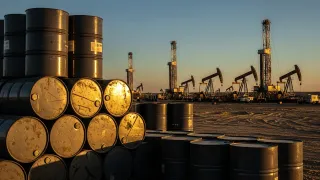
Oil Prices Keep Investors Cautious
At the same time, higher crude oil prices have revived concerns that inflation could remain above central bank targets for longer.
The combination of geopolitical uncertainty and elevated energy costs has encouraged investors to adopt a more selective approach across sectors.
Focus Turns to Economic Data
Markets are now awaiting additional economic indicators and corporate earnings for clearer direction.
Investors will also continue monitoring developments in the Middle East, as further changes in energy markets could influence inflation expectations and monetary policy outlooks.
Read more
Related news

Oil Prices Stay Elevated as Markets Price in Prolonged Supply Risks
July 21, 2026 –Global oil prices remained near recent highs as investors continued to price in geopolitical risks across the Middle East, with concerns over shipping routes and regional supply supporting crude despite hopes for renewed diplomatic efforts. Brent crude traded near $84 per barrel, while WTI hovered around $80 per barrel. The OPEC Reference Basket also remained elevated, reflecting broader strength across global crude benchmarks. Geopolitical Premium Supports Crude Oil markets continue to factor in a geopolitical premium as tensions involving the United States, Iran, and regional shipping routes remain unresolved. Although no major production outages have been reported, uncertainty surrounding the Strait of Hormuz and broader Middle East security continues to underpin prices. Supply Outlook Keeps Volatility High Analysts note that ample global supply and the possibility of additional production from major exporters have prevented a sharper price surge.However, traders remain cautious, with any disruption to shipping or energy infrastructure capable of triggering another wave of volatility. Markets Monitor Diplomatic Developments Attention is now focused on geopolitical developments and producer policy, which are expected to remain the primary drivers of oil prices in the near term. Any easing of regional tensions could reduce the current risk premium, while further escalation may keep crude prices supported.

Wall Street Faces Sector Rotation as Geopolitical Risks Pressure Markets
July 19, 2026 – U.S. stock markets ended the week under pressure as investors reassessed technology valuations while renewed geopolitical tensions and rising oil prices added to concerns over inflation and corporate earnings. The S&P 500 closed near 7,534, the Dow Jones Industrial Average finished around 52,553, and the Nasdaq Composite ended near 25,882, with technology shares leading the broader market decline.Technology Stocks Lose Momentum The latest pullback was driven largely by weakness across semiconductor and artificial intelligence-related companies, as investors questioned whether elevated valuations remain justified following months of strong gains. Despite generally solid corporate earnings, selling pressure in large-cap technology stocks weighed heavily on major indexes, highlighting the market’s dependence on the sector over recent quarters. Investors Shift Toward Defensive Sectors While technology stocks struggled, investors increased exposure to sectors viewed as more resilient during periods of economic uncertainty, including healthcare, financials, and energy. The rotation comes as higher crude oil prices, driven by continued U.S.-Iran tensions, have revived inflation concerns and prompted markets to reassess expectations for future interest rate policy. Markets Await Fresh Economic Catalysts Attention is now turning to upcoming corporate earnings, economic indicators, and central bank signals for further direction. Investors are also closely monitoring developments in the Middle East, as any escalation that affects energy markets could further influence inflation expectations and market sentiment in the weeks ahead.

Wall Street Advances as Strong Earnings Offset Geopolitical Concerns
July 16, 2026 – U.S. stocks closed higher as upbeat corporate earnings and signs of easing inflation boosted investor confidence, helping markets overcome ongoing uncertainty surrounding tensions in the Middle East. The S&P 500 earned 0.4% to close at 7,572.40, while the Dow Jones Industrial Average rose 0.3% to 52,658.64. The Nasdaq Composite outperformed with a 0.6% advance, ending the session at 26,269.23 as technology stocks led the broader market higher. Earnings Strength Supports Risk AppetiteInvestor sentiment improved after several major financial institutions reported stronger than-expected quarterly results, reinforcing optimism about corporate profitability despite a challenging macroeconomic environment. Large-cap technology companies also posted solid gains, with renewed buying in artificial intelligence and digital infrastructure leaders helping offset weakness across parts of the semiconductor sector. Financial stocks added further support following robust earnings reports from asset managers and investment banks. Cooling Inflation Lifts Market Sentiment Markets also reacted positively to softer wholesale inflation data, which eased concerns that persistent price pressures could force the Federal Reserve to maintain restrictive monetary policy for longer. The moderation in producer prices contributed to a decline in Treasury yields, improving the outlook for growth-oriented sectors that are particularly sensitive to interest-rate expectations. While investors continue to monitor inflation closely, the latest data strengthened expectations that monetary policy may become less restrictive if inflation continues to cool. Focus Shifts to Earnings and Economic Data Attention is now turning to the next wave of corporate earnings and upcoming U.S. economic releases, which are expected to provide further insight into the strength of consumer demand and business activity. Although geopolitical developments in the Middle East continue to present risks for global markets, analysts believe corporate earnings, inflation trends, and Federal Reserve expectations are likely to remain the primary drivers of investor sentiment in the near term.

Wall Street Retreats as Middle East Tensions Weigh on Investor Sentiment
July 14, 2026 – Wall Street Retreats as Middle East Tensions Weigh on Investor Sentiment, U.S. stocks moved lower as escalating tensions between the United States and Iran fueled concerns over higher energy prices, persistent inflation, and growing geopolitical uncertainty. The S&P 500 closed at 7,515.34, the Dow Jones Industrial Average ended at 52,498.64, while the Nasdaq Composite fell to 25,873.18, with technology shares leading the decline as investors shifted toward more defensive assets. Rising Oil Prices Pressure Equities The latest escalation in the Middle East has pushed crude oil priceshigher, renewing concerns that increased energy costs could slow economic activity and keep inflation elevated. Higher oil prices have raised expectations that central banks, including the U.S. Federal Reserve, may maintain restrictive monetary policy for longer, reducing risk appetite across equity markets. Technology and growth stocks, which are generally more sensitive to interest rate expectations, faced the strongest selling pressure. Investors Shift Toward Defensive Positions Market participants have become increasingly cautious as geopolitical uncertainty adds another layer of risk to an already challenging macroeconomic environment. The combination of rising Treasury yields, stronger demand for safe-haven assets, and higher energy prices prompted investors to reduce exposure to sectors that typically outperform during periods of economic optimism. Energy shares, however, benefited from the surge in crude prices. Markets Turn Attention to Economic Data Beyond geopolitical developments, investors are preparing for a busy week of economic releases, including inflation data and the start of the U.S. corporate earnings season. Analysts expect that the upcoming earnings reports and inflation figures are going to provide further insight into corporate resilience and the Federal Reserve’s policy outlook, while developments in the Middle East are likely to remain a key driver of market sentiment in the near term.

US Stock Futures Fall on Iran Strikes, Tech Weakness
June 10, 2026 — US stock index futures declined in late trading after renewed military action against Iran increased geopolitical uncertainty and dampened risk appetite across global markets.S&P 500 futures fell around 0.2%, while Nasdaq 100 futures also dropped 0.2%, and Dow Jones futures slipped approximately 0.3%, reflecting broad-based caution among investors. Tech Sector Weakness Continues to Pressure MarketsTechnology shares remained under pressure as recent volatility in chipmakers and AI-related stocks continued to weigh on sentiment.The sector’s inability to sustain earlier rebounds has added to concerns about stretched valuations and sensitivity to macroeconomic and geopolitical developments.Investors Focus on Inflation DataMarket attention is now shifting toward upcoming US Consumer Price Index (CPI) data, which is expected to provide further clues about the Federal Reserve’s policy path.Stronger inflation readings could reinforce expectations of tighter monetary conditions, potentially adding further pressure on equities.Risk Sentiment Remains FragileOverall sentiment remains fragile as investors balance geopolitical risks, sector-specific weakness in technology, and anticipation of key macroeconomic data.Markets are expected to remain volatile in the near term as these factors continue to drive direction.

Stocks Mixed as AI Volatility and Middle East Tensions Weigh
June 9, 2026 – Stock markets in the US finished with a mixed performance due to renewed turbulence on the part of the technology sector, particularly that relating to AI-driven semiconductor stocks.The Nasdaq was down about 1% for parts of the day amid a weak performance by the chip and artificial intelligence stocks, whereas the Dow held its ground as investors turned defensive.AI and Semiconductor Stocks Drive VolatilityTech stocks continued to be the primary weight on markets, with semiconductor and artificial intelligence-related issues swinging widely after posting significant gains.This retreat by the sector is due to the worries regarding valuation levels and susceptibility to economic conditions and interest rates.Geopolitical Risks Add UncertaintyThe markets were also very sensitive to anything happening in the Middle East region, as the tensions between Iran and the US added to overall risk aversion.Market participants are now focusing on signs of escalation or de-escalation that will affect market sentiment.Mixed Sector Performance Across the MarketDespite tech weakness, several sectors showed strength, helping limit broader index losses.Rotation into non-tech areas suggests investors are balancing risk exposure rather than exiting equities entirely, keeping overall market movement uneven rather than sharply bearish. Investors Focus on Inflation Data AheadAttention now shifts to upcoming US inflation readings, which could shape expectations for Federal Reserve policy.Stronger data could reinforce “higher for longer” rate expectations, keeping pressure on growth and technology stocks in the near term.

Nasdaq futures drop after Broadcom earnings
Nasdaq futures declined on Thursday, June 4, 2026, after semiconductor giant Broadcom delivered a weaker-than-expected outlook that raised doubts over the sustainability of the artificial intelligence-driven rally in global equity markets.Broader U.S. equity futures showed a mixed performance, with Dow futures edging higher while S&P 500 futures slipped, as investors balanced tech-sector weakness against ongoing geopolitical uncertainty in the Middle East.Broadcom disappoints despite strong revenue growthBroadcom posted strong quarterly results but failed to meet elevated market expectations, triggering a sharp negative reaction in after-hours and premarket trading.• Revenue jumped 48% in Q2, driven by strong AI chip demand• Shares fell after guidance failed to deliver expected upside revisions• The company maintained its long-term 2027 AI revenue outlook above $100 billion• Investors reacted to the absence of a typical “beat-and-raise” outlookThe disappointment weighed on sentiment across the semiconductor sector, dragging peers including major chipmakers lower in premarket trading.Tech sector weakness spreads across marketsLosses in Broadcom spilled over into broader technology names, with pressure seen across the AI and semiconductor space as investors reassessed high valuations built during the recent rally.Market analysts noted that expectations had been extremely elevated following a strong earnings season across the sector, making any lack of upside momentum enough to trigger profit-taking.Geopolitical tensions keep markets cautiousMarkets also remained sensitive to developments in the Middle East, as investors monitored ongoing tensions alongside fragile diplomatic progress.• Renewed ceasefire agreement between Israel and Lebanon supported cautious optimism• Ongoing U.S.–Iran tensions continued to weigh on risk sentiment• Energy markets reacted with volatility amid uncertainty over regional stabilityThese developments added to investor caution, particularly in risk-sensitive assets such as technology stocks.Energy prices ease and yields softenOil prices moved lower during the session as geopolitical risk premiums eased slightly following diplomatic developments.• Brent crude fell around 1.5%• WTI crude dropped about 1.2%• U.S. Treasury yields eased modestly, reflecting softer risk sentimentDespite the pullback, energy prices remain elevated compared to pre-conflict levels, keeping inflation concerns in focus for markets.

Wall St. Futures Dip on Iran Uncertainty, Earnings
On April 23, 2026, Wall Street futures edged lower as Iranian uncertainty and mixed earnings curbed investor appetite, signaling a cautious start to trading. Stocks Pause as Uncertainty Takes the Lead Wall Street futures slipped, with the Dow down 0.42%, the S&P 500 losing 0.20%, and the Nasdaq declining 0.17%. Iranian uncertainty continued to overshadow sentiment, slowing the recent market rally. Lingering geopolitical tension kept investors hesitant. “Uncertainty breeds caution,” and markets reflected exactly that tone. Mixed Earnings Add Pressure Corporate results offered little clarity. Tesla, IBM, and Lockheed Martin declined after earnings, while Texas Instruments advanced on stronger performance. Oil prices above $100 a barrel fueled inflation concerns, reinforcing a guarded outlook. Meanwhile, U.S. jobless claims rose only slightly, providing limited reassurance. Iran uncertainty remains the central theme, keeping markets retrained as investors await clearer signals.

US Stock Futures Stay Cautious with Iran Fallout and CPI Data Ahead
US Stock Futures Stay Cautious Ahead of CPI Report According to Yahoo Finance on March 11, 2026, US stock futures were under pressure as investors kept watching the fallout from the Iran conflict and waited for inflation data. Reuters reported the same day that Wall Street futures stayed weak in an uneven trading session as traders looked at crude prices, rising inflation risks, and what that could mean for interest rates. The market was still reacting to sharp moves in oil. Reuters said crude had fallen back to below $90 a barrel after reaching nearly $120 earlier in the week, but traders were still worried because fighting in the Middle East could keep energy supply under pressure. Oil Swings and Inflation Worries Keep Markets on Edge Reuters reported that investors were focused on whether higher energy costs would push inflation higher and delay Federal Reserve rate cuts. LSEG data showed markets had pushed expectations for the next Fed cut to September from July, as traders worried that rising oil prices could keep price pressure alive. Reuters also said Dow E-minis were down 0.27%, S&P 500 E-minis were down 0.14%, and Nasdaq 100 E-minis were down 0.15% in early trading on March 11. That showed investors were staying careful before the CPI report, even as some stocks such as Oracle rose in premarket trading after a strong forecast. CPI Report May Decide the Market’s Next Move Reuters reported that the February CPI report was expected to show a 0.3% monthly rise in consumer prices, with higher gasoline costs adding pressure even before the Iran conflict fully hit energy markets. If inflation comes in hot, stocks could face more pressure because it would support the case for keeping rates higher for longer. In conclusion, the market is balancing two big risks at once: war-driven oil volatility and sticky inflation. That is why US stock futures stayed cautious ahead of the CPI release.

U.S. Futures Turn Higher as Oil Prices Stay High Amid Iran Conflict
On Friday, March 13, 2026, the rise in oil prices tied to the conflict with Iran continues to influence global markets. Investors are balancing the geopolitical situation, inflationary pressures, and the impact on the energy supply. U.S. Futures Rise as Oil Surge Redefines Sentiment in Markets U.S. stock futures have edged higher despite heightened geopolitical tensions in the market. It is because oil prices remain high amid the ongoing conflict between Iran. It has led investors to become cautious, as increased oil prices could potentially reignite inflation in the market. The energy market has become a major sentiment driver in the market. It is because Brent oil has risen above the $100-per-barrel mark amid fears over disruptions in oil shipping due to the Strait of Hormuz. This strait carries 20% of the world's oil trade. It has seen fresh uncertainty injected into the equity market and economic forecasts. Why This Matters? The effects of oil price increases during a period of geopolitical conflict are being felt throughout all major financial markets. The increased volatility is leading investors and policymakers to question the sustainability of the economic momentum. · Energy Prices Are Driving Market Direction: The price of oil has become the key macro driver. Brent oil prices rose sharply towards $120 earlier during the conflict, reflecting the speed at which fears over oil supply can propel markets. · Inflation Risks Are Re-Emerging: An increase in fuel prices has a direct impact on transportation, manufacturing, and consumer prices, which could undo the gains made in controlling inflation. · Central Bank Policy Could Shift: If energy inflation persists, the prospect of interest rate reductions may fade, and policymakers may prioritize price stability over growth. · A Critical Global Supply Route Is at Risk: The Strait of Hormuz is a critical shipping lane that transports one-fifth of the world's oil supply. · Corporate Earnings Under Fresh Pressure: Input prices, such as fuel and logistics, may rise, putting pressure on margins in industries like transportation, manufacturing, and consumer products. · Market Volatility Is Becoming Structural: Risk premiums are returning to energy markets, causing volatility in equities, currencies, and commodities simultaneously. Energy Markets Now Hold the Key No longer are prevailing market storylines influenced by interest rate movements or economic indicators, as energy geopolitics is now back as a major market mover. As long as oil prices are high and the Middle East is a concern, the markets are likely to move in tandem with the energy supply chain.
today’s news latest news

Bitcoin's Market Rotation Signals a New Phase for Crypto Investors
-1784648347291_320.webp)
Asian Stocks Rebound as Investors Shift Focus Back to Fundamentals

New Zealand Inflation Accelerates as Fuel Prices Complicate Rate Outlook

US Dollar Today Trades Steady as Markets Await Fresh Economic Data
-1784558775754_320.webp)