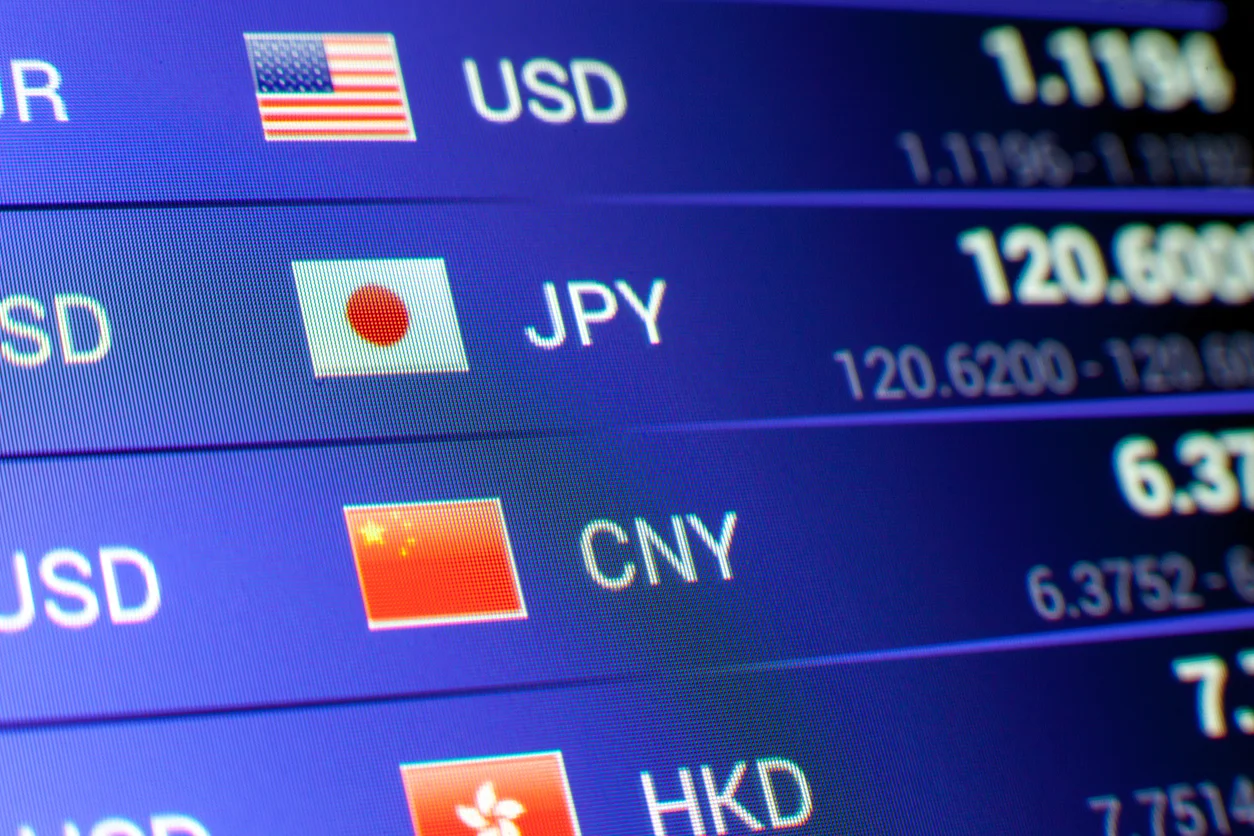
July 22, 2026 – The U.S. dollar remained steady on Wednesday, holding close to recent highs as investors continued evaluating the Federal Reserve's interest rate outlook against a backdrop of geopolitical tensions and upcoming economic events.
Market participants adopted a cautious approach while awaiting fresh economic data and earnings reports from major U.S. companies that could influence broader market sentiment.
Federal Reserve Expectations Continue to Drive the Greenback
Expectations that the Federal Reserve may maintain higher interest rates for an extended period have continued to provide support for the U.S. dollar.
Policymakers remain focused on inflation and the strength of the labor market, while elevated Treasury yields have helped keep demand for the U.S. currency strong.
Investors are also adjusting their portfolios ahead of several key economic indicators scheduled for release in the coming days.
Geopolitical Risks Strengthen Safe-Haven Appeal
The dollar has also benefited from its traditional role as a safe-haven asset during periods of global uncertainty. Ongoing tensions in the Middle East, combined with higher oil prices and concerns over potential supply disruptions, have encouraged investors to seek lower-risk assets.
However, market participants remain alert, as sustained increases in energy prices could complicate the inflation outlook and influence future monetary policy decisions.
Economic Data and Earnings Could Shape the Dollar's Next Move
Looking ahead, traders are expected to closely monitor upcoming U.S. economic reports, comments from Federal Reserve officials, and earnings from leading technology companies.
These developments could provide clearer signals about the future path of interest rates and investor sentiment. Until stronger catalysts emerge, analysts expect the U.S. dollar to remain relatively stable while financial markets continue balancing economic fundamentals with evolving geopolitical risks.
Read more
Related news

US Dollar Today Trades Steady as Markets Await Fresh Economic Data
July 20, 2026 – The US dollar today traded with limited movement as investors waited for new economic reports that could provide clearer signals about future monetary policy and interest rate expectations. Currency markets remained cautious ahead of several important economic releases.Economic Reports Could Shape Dollar DirectionTraders are closely monitoring upcoming inflation figures, employment reports, and consumer spending data. Strong economic indicators could strengthen the dollar by supporting expectations for higher interest rates, while weaker figures may have the opposite effect.Global Markets Continue to Watch the DollarThe US dollar remains the world's primary reserve currency and plays a central role in international trade and financial markets. Changes in the dollar's value often influence commodity prices, global investment flows, and foreign exchange markets.Central Bank Expectations Remain ImportantExpectations surrounding future Federal Reserve policy continue to influence the direction of the US dollar. Investors regularly adjust their positions as new economic data changes market expectations regarding future interest rate decisions.Outlook Remains Data DependentAnalysts expect the dollar to remain sensitive to upcoming economic releases and Federal Reserve commentary. Investors will continue watching inflation trends, labor market conditions, and global economic developments for clues about the currency's next move.

Asia FX Subdued as Dollar Holds Firm on Iran Tensions
June 11, 2026 — Currencies in Asia moved within tight ranges yesterday against a background of a strong US dollar due to rising tensions between the US and Iran.The US currency was steady near its highs while markets were trying to assess the possible effects of increasing geopolitical risks on the global economy.Fed Rate Outlook Keeps Traders CautiousFurthermore, the sentiments of investors were also rather reserved as more information was needed regarding U.S. monetary policy.The recent economic indicators, along with concerns regarding inflation, have furthered the belief that the Fed might adopt a conservative approach towards interest rates, which would be helpful for the dollar.Asian Currencies Show Limited MovementMost regional currencies recorded small movements, as traders refrained from any bold positioning due to the uncertain nature of geopolitics and interest rates.Currencies were still influenced by risk sentiments, while investors kept a close watch on the Middle East region.Markets Await Fresh Economic CatalystsThe focus is now shifting towards U.S. economic indicators and Fed statements to get some hints about the future course of monetary policy.Over the shorter term, the foreign exchange market is anticipated to continue to be affected by a mix of geopolitical news flow, inflation, and interest rate developments.

Asia FX Steadies After Strong US Jobs Data Boosts Dollar
June 8, 2026 – Markets in Asia remained steady today after falling in the last trading session because the dollar stayed close to its highest level in two months amid unexpectedly strong payroll figures from the United States that raised hopes of more interest rate hikes by the Federal Reserve.Friday’s nonfarm payrolls report showed the U.S. economy added 172,000 jobs in May, significantly above forecasts, boosting confidence in the resilience of the labor market and supporting the dollar’s upward momentum.Fed Rate Hike Bets Support the DollarThe stronger labor data prompted traders to increase bets that the Federal Reserve may keep interest rates elevated for longer, with some market pricing now pointing to potential rate hikes later this year.Higher rate expectations typically support the dollar by increasing returns on U.S. assets and attracting global capital inflows.Asian Currencies Stabilize After Initial LossesMost Asian currencies, which had weakened sharply after the jobs report, showed signs of stabilization in Monday trading.However, sentiment remained cautious as investors continued to digest the implications of stronger U.S. economic data for global capital flows and risk appetite.Yen Near Key Levels, Broader FX Under PressureThe Japanese yen remained under pressure, trading near the 160 per dollar level, a psychologically important threshold that has previously triggered official warnings about potential intervention.Other major Asian currencies also remained subdued as the strong dollar limited recovery attempts across regional markets.Market Focus Shifts to Inflation and Policy SignalsInvestors are now looking ahead to upcoming U.S. inflation data and Federal Reserve commentary for further clues on the future path of monetary policy.Currency markets are expected to remain sensitive to any signs of sustained U.S. economic strength or shifts in rate expectations.

Dollar Hits Two-Month High as Fed Hike Bets Increase
June 8, 2026 – The U.S. dollar reached its highest level since late March on better-than-anticipated labor market performance, adding more weight to the possibility of higher interest rates by the Fed in coming months.This development indicates increased investor optimism about the Fed needing to tighten monetary policy for an extended period amid favorable economic performance.Strong Jobs Data Fuels Dollar RallyThe latest labor market data from the United States pointed to better-than-anticipated job gains, which encouraged investors to bet more on potential interest rate increases from the Fed.An interest rate hike expectation will tend to boost the value of the dollar because of higher interest payments made on dollar investments.Broader Currency Market PressureEven the strong dollar has affected the prices of other currencies like the euro and the Japanese yen, which have been hit hard due to differences in interest rates.Now, all eyes will be on the inflation numbers in the United States as well as news from the Federal Reserve.Geopolitical and Market Risks Add VolatilityIn addition to expectations regarding monetary policy, continued geopolitical uncertainty and swings in global risk sentiment have also played a role in currency market volatility.The question for investors is whether the dollar can continue its recent strength or if profit-taking will ensue following the surge in prices.

Dollar holds near 2-month high on jobs data
The U.S. dollar held steady near a two-month high on Thursday, June 4, 2026, supported by ongoing Middle East tensions and expectations that the Federal Reserve will keep interest rates higher for longer. The Dollar Index remained close to recent peaks during Asian trading hours, reflecting steady demand for the greenback amid cautious global sentiment.Geopolitical Developments and Safe-Haven DemandThe dollar remained supported by heightened geopolitical uncertainty in the Middle East:· Washington confirmed an Israel-Lebanon ceasefire agreement, though conditional on reduced hostilities · Reports of Iranian missile strikes on Kuwait and Bahrain added to market caution · U.S. military strikes near Iran’s Qeshm Island further increased tensions · Uncertainty around the Strait of Hormuz continued to support safe-haven demand for the dollar U.S. Economic Data and Fed ExpectationsStronger-than-expected economic indicators reinforced expectations of prolonged restrictive monetary policy:· ADP data showed 122,000 jobs added in May · ISM services index rose to 54.5 in May from 53.6 in April · ISM prices-paid component climbed to its highest level in nearly four years · Markets scaled back expectations for near-term Federal Reserve rate cuts Investors are now focused on upcoming U.S. nonfarm payrolls data for further policy signals.Yen Remains Under PressureThe Japanese yen continued to trade weak against the U.S. dollar, with USD/JPY hovering near the psychologically important 160 level at around 159.97 yen. Markets remain on alert for possible intervention from Japanese authorities as the currency approaches key thresholds.· USD/JPY traded near 159.97 yen, close to 160 level · Risk of intervention from Japanese policymakers remains elevated · Wide yield differentials between the U.S. and Japan continue to pressure the yen · Seasonal weakness in June adds additional downside pressureThe dollar’s resilience highlights the current dominance of safe-haven flows in global markets, with geopolitical risk and strong U.S. data continuing to reinforce its position despite growing volatility in other asset classes.

Dollar Steady as Mixed Signals on US-Iran Talks Keep Markets Cautious
June 2, 2026 — The U.S. dollar held steady on Tuesday as investors assessed mixed signals surrounding negotiations between the United States and Iran, while uncertainty over the future of the Strait of Hormuz continued to influence currency markets.Dollar Holds Firm Amid Diplomatic Uncertainty.The U.S. dollar traded in a narrow range after recent gains, supported by ongoing geopolitical uncertainty and cautious investor sentiment.The U.S. Dollar Index remained largely unchanged as traders evaluated conflicting reports regarding the status of negotiations between Washington and Tehran. While U.S. officials expressed optimism about ongoing discussions, reports from Iran suggested that indirect talks had been suspended.US-Iran Talks Remain in Focus.Currency markets remained sensitive to developments surrounding a potential agreement that could help stabilize the Middle East and reopen the Strait of Hormuz.Investors continued monitoring statements from both governments for signs of progress, as any breakthrough could affect global energy supplies, inflation expectations, and broader market sentiment.The lack of clarity surrounding negotiations helped support demand for the dollar as a relative safe-haven asset.Major Currencies Trade Mixed.The euro and British pound traded with limited movement against the dollar as investors awaited further geopolitical developments.Meanwhile, the Japanese yen remained relatively stable after recent inflation data reinforced expectations that the Bank of Japan could continue moving toward tighter monetary policy.Currency markets generally avoided large moves as traders sought additional confirmation on both geopolitical and economic fronts.Oil Prices Continue to Influence FX Markets.Oil prices remained near recent highs following strong gains earlier in the week.Higher energy prices have renewed concerns about global inflation, prompting investors to reassess the outlook for central bank policy across major economies.Analysts noted that sustained strength in crude oil prices could provide additional support for the dollar if inflation risks remain elevated.Investors Await Economic Data.Beyond geopolitical developments, market participants are also focused on upcoming economic releases and central bank commentary.Key economic indicators in the coming days are expected to provide further insight into growth, inflation, and interest-rate expectations, all of which could influence currency market direction.Markets Remain Sensitive to Headlines.Analysts said foreign exchange markets are likely to remain headline-driven in the near term as investors continue monitoring developments related to U.S.-Iran negotiations.Until clearer signals emerge regarding diplomatic progress and regional stability, traders are expected to maintain a cautious approach across major currency pairs.

Dollar Holds Near Highs as Fed Keeps Hawkish Tone
On May 20, 2026, the dollar stayed firm near recent highs after Federal Reserve minutes showed growing support for further rate hikes. Weak Australian jobs data added pressure across currency markets. Dollar Steady as Fed Signals More Rate Risks The dollar held close to six-week highs after Federal Reserve officials signaled inflation could require additional tightening. Rising energy prices and ongoing Middle East tensions continued to support the greenback. The Australian dollar fell 0.5% after unemployment unexpectedly jumped to a four-and-a-half-year high, strengthening expectations that the Reserve Bank of Australia may pause rate hikes in June. “Higher rates may not be over yet” became the dominant theme across currency markets as traders reacted to the Fed’s hawkish tone. Elsewhere, the Japanese yen remained stable following solid trade and PMI data, while euro and British pound traded mostly flat.

Dollar Steady Near High as Oil Surges Past $100
On April 23, 2026, the dollar hovered near a one-and-a-half-week peak as Iran-U.S. tensions intensified, pushing oil prices above $100 and boosting safe-haven demand for the greenback. Dollar Climbs as Oil Shock Rattles Markets The dollar steadied close to a 1-1/2-week high on April 23, as escalating Iran-U.S. tensions reignited global uncertainty and lifted oil prices beyond $100 per barrel. Safe-haven demand strengthened the currency, with the dollar index edging up to 98.676, marking a weekly gain of 0.5%. Investor sentiment weakened after Tehran seized two vessels in the Strait of Hormuz, intensifying geopolitical strain and effectively disrupting a key energy corridor. The euro slipped to $1.17, heading for a 0.7% weekly loss, while sterling eased to $1.3488. Energy Shocks Cloud Rate Cut Outlook The surge in oil prices has complicated expectations for monetary easing. A poll indicated the Federal Reserve may delay rate cuts for at least six months as inflationary pressures persist. As uncertainty lingers, markets appear locked in a “wait-and-see” phase—raising a critical question: is this the calm before another financial storm?

US dollar set for best weekly gain as ECB, BOE hold rates
The US dollar eased slightly on Friday but remained on track for its strongest weekly performance in nearly a month, supported by safe-haven demand and shifting expectations around global monetary policy.The Dollar Index slipped modestly during late trading but was still poised for a weekly gain of roughly 0.6%, marking its best advance since early January. The greenback’s resilience follows renewed investor interest sparked by the nomination of former Federal Reserve Governor Kevin Warsh as the next Fed chair, a move widely interpreted as signaling a potentially more hawkish policy direction.Market participants expect Warsh’s leadership could favor tighter monetary conditions, including the possibility of balance sheet reductions, which has provided underlying support for the US currency throughout the week.Tech stock selloff boosts safe-haven demand for the dollarVolatility across global equity markets has contributed to the dollar’s strength, as investors reacted to a sharp selloff in technology stocks. Concerns over heavy spending on artificial intelligence and its broader economic implications triggered the largest weekly decline in global shares since November.The shift toward risk aversion encouraged flows into the US dollar as a defensive asset. Analysts noted that elevated valuation metrics in US equities and fully invested positioning among institutional investors have increased market vulnerability to negative surprises.While the widely anticipated US monthly jobs report was delayed until next week, several weaker labor market indicators released recently added uncertainty to the economic outlook. Market watchers believe any further signs of consumer weakness could influence expectations for future monetary policy and currency movements.Euro and sterling rebound after ECB and BOE decisionsIn Europe, the euro strengthened after the European Central Bank left interest rates unchanged, as expected. ECB President Christine Lagarde indicated that policymakers were not preparing for immediate rate cuts despite recent currency strength, helping support the single currency.The British pound also rebounded following the Bank of England’s decision to keep rates steady. However, dovish guidance and a closely split vote among policymakers reinforced expectations of a potential rate cut in the coming months, limiting sterling’s upside.Political uncertainty in the UK also weighed on market sentiment, with concerns about leadership challenges adding to currency volatility.Yen steady ahead of Japan elections; yuan extends gainsIn Asia, the Japanese yen remained relatively stable against the dollar, though the pair posted notable gains over the week. Investors are closely monitoring Japan’s upcoming lower house elections, as a stronger mandate for the current government could lead to expansionary fiscal policies.The Chinese yuan continued to advance, heading toward its longest weekly winning streak against the dollar in more than a decade. Strong midpoint guidance from the People’s Bank of China has supported the currency and helped keep it near multi-year highs.Elsewhere, the Australian dollar rallied after hawkish remarks from Reserve Bank of Australia Governor Michele Bullock increased expectations for further rate hikes, alongside stronger economic projections.

Dollar Holds Gains on U.S. Data, Fed Bets as Aussie Jumps on RBA Hike
The dollar held gains on Tuesday, supported by upbeat U.S. economic data and shifting expectations around Federal Reserve policy, outweighing concerns over a potential U.S. government shutdown and delayed labour data.The dollar index eased slightly after a sharp two-day rally, while major currencies traded in narrow ranges. Market focus remained on the outlook for U.S. growth, central bank policy signals, and political developments across global markets.Dollar Holds Gains as Fed Outlook Supports GreenbackThe greenback has remained on firmer footing following positive U.S. manufacturing data that pointed to a return to expansion, reinforcing confidence in the broader U.S. growth narrative.Investors have also continued to price in a more cautious approach to interest rate cuts after U.S. President Donald Trump nominated Kevin Warsh as the next Federal Reserve chair, a move widely seen as reducing the likelihood of aggressive monetary easing.Analysts noted that the combination of resilient economic data and a steadier Fed outlook helped ensure the dollar holds gains, even as uncertainty lingered around fiscal negotiations in Washington.Aussie Jumps After RBA Restarts Rate-Hike CycleIn Asia-Pacific markets, the Australian dollar surged after the Reserve Bank of Australia raised interest rates for the first time in two years, catching some investors off guard.The RBA lifted its cash rate by 25 basis points to 3.85%, citing persistent inflation pressures and signalling that further tightening may be needed. The decision triggered a sharp rally in the Aussie, which also strengthened against the yen as traders increased bets on additional rate hikes later this year.The New Zealand dollar also advanced, tracking broader strength across commodity-linked currencies.Yen, Elections and Global Risks Shape FX OutlookMeanwhile, the yen stabilised after recent losses, as Japan’s finance minister downplayed remarks by Prime Minister Sanae Takaichi on the benefits of a weaker currency. Markets remain sensitive ahead of Japan’s upcoming lower house election, with investors wary that a strong result for the ruling party could open the door to expanded fiscal stimulus.Geopolitical risks eased slightly after the United States announced a trade deal with India and confirmed plans to resume nuclear talks with Iran, developments that helped support risk sentiment across global markets.Despite the calmer backdrop, strategists warned that political uncertainty and central bank divergence could continue to drive volatility in currency markets in the weeks ahead, even as the dollar holds gains against its major peers.
today’s news latest news

Gold Prices Climb as Softer Dollar and Fed Expectations Strengthen Safe-Haven Demand

Microsoft Corp. Remains in Focus as AI Investment Continues to Drive Market Expectations

Alphabet Inc. Awaits Key Earnings as Investors Look for New AI Growth Signals

Analytical Report: Why Is Nasdaq Rising? What Do Technical Indicators Reveal About the Market's Next Move?