
Two Nations Compete for AI Dominance Using Different Strategies.

By:UA Finance
March 24, 2026
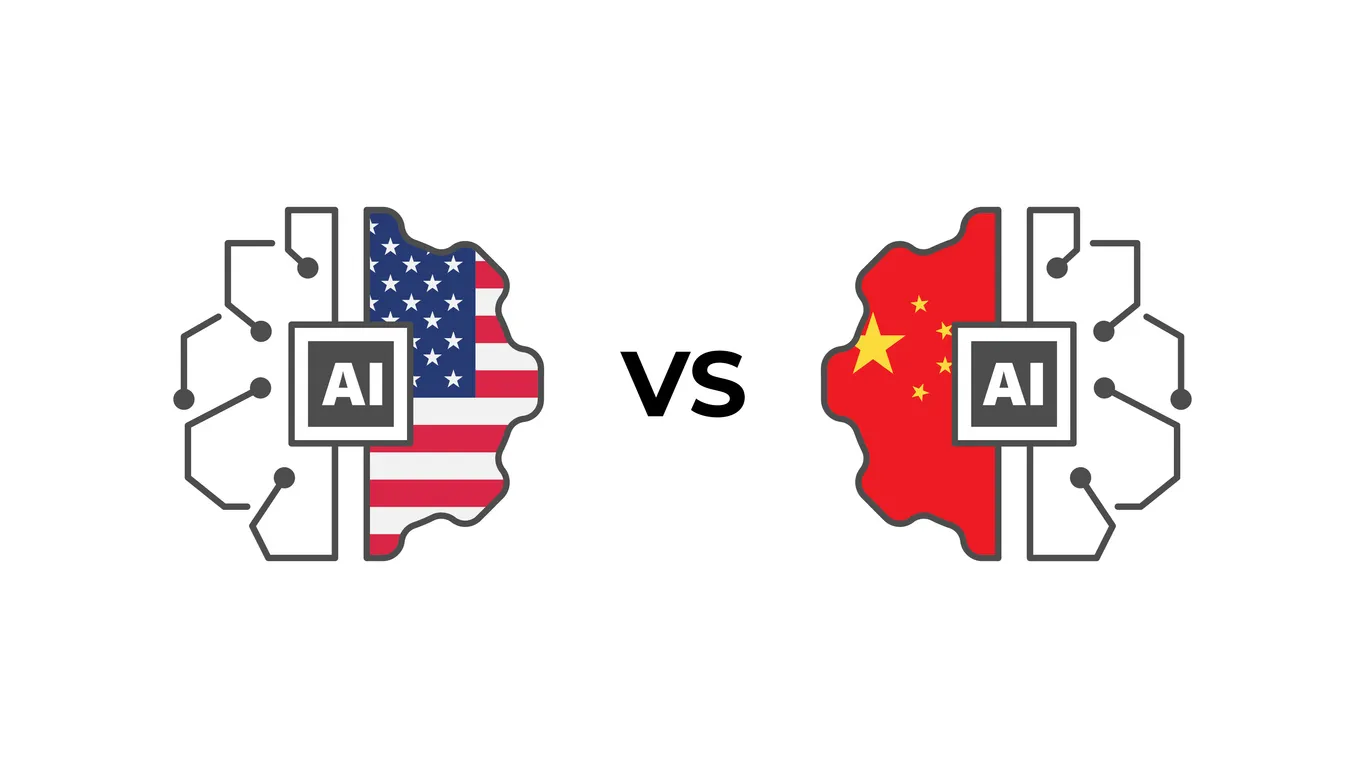
On Sunday, March 22, 2026, the race for AI dominance between the United States and China continues to gain momentum, with the two nations competing to lead AI development, albeit in different ways.
The global artificial intelligence competition is no longer simply about technology; it is about systems. The United States is ahead in cutting-edge artificial intelligence models and private-sector innovation systems, whereas China is ahead in the scale of artificial intelligence deployment through centralized planning, cost efficiency, and control over supply chains, including rare mineral resources and energy.
These approaches to artificial intelligence can be seen as different economic philosophies with the same goal: becoming the world leader in artificial intelligence systems.
The race for AI leadership will determine dominance in global economics, supply chains, and national security. The approach will determine which countries lead in which sectors, including chip production, energy, defense, and digital infrastructure globally. Here are six important factors:
· Innovation vs. Scale: The US leads the world in frontier innovation in AI through companies and innovation centers, while China focuses on scaling applications fast across industries through a coordinated approach, utilizing the power of the state to deliver AI solutions fast and extensively across its economy.
· Private Sector vs. State Control: The US drives AI innovation through the private sector and venture capitalists, while China uses the state as a driver to guide national strategy, align national goals, and accelerate AI adoption across key sectors.
· Hardware and Supply Chain: China has a significant lead over the US in critical minerals, manufacturing, and energy costs, which puts pressure on the US to rely on chip design and global alliances to stay ahead.
· Cost Efficiency vs Cutting-Edge Power: China is emphasizing cost efficiency through its artificial intelligence models, whereas the U.S. is spending heavily on cutting-edge power, which pushes the boundaries of technology but demands huge capital investment.
· Speed of Deployment: Given the rapid deployment of artificial intelligence technologies, China is moving quickly with its centralized model, whereas the U.S. is moving more slowly.
· Long-Term Global Influence: The long-term implications of the artificial intelligence race between China and the U.S. will be huge, as the country that wins will be able to export its AI models to the rest of the world.
The contest between the US and China in AI is not just a competition, but a defining confrontation. The world economy will be altered, whether innovation or scale is more important, depending on who leads in artificial intelligence development.


-1784648347291_320.webp)