

Supreme Court to Tackle Multi-Billion Dollar US-Cuba Property Dispute


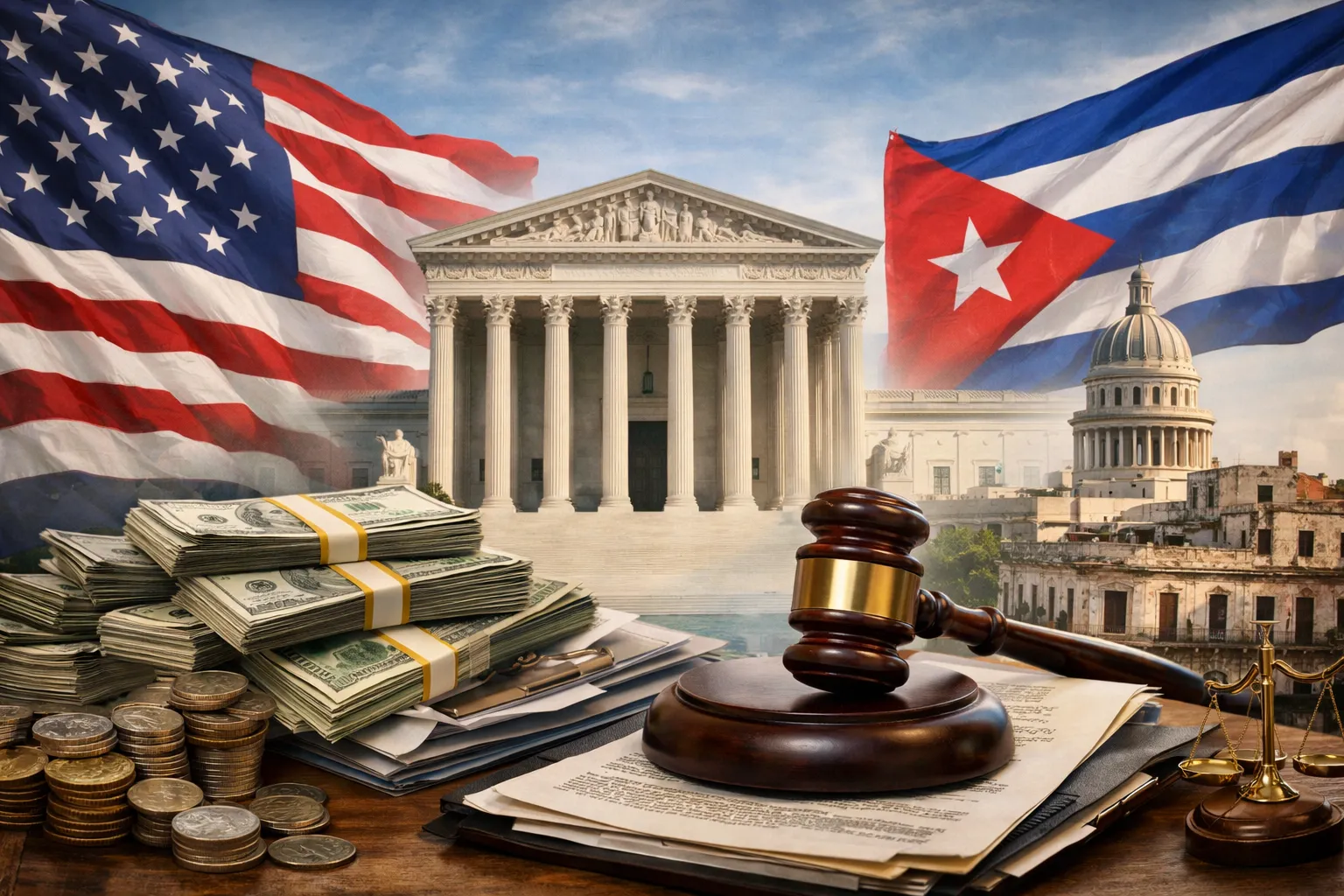
The U.S. Supreme Court is set to deliberate on a high-stakes legal battle rooted in the 1959 Cuban Revolution. On Monday, the justices will hear arguments regarding the Helms-Burton Act of 1996, specifically focusing on the scope of Title III—a provision that allows U.S. nationals to sue entities "trafficking" in property confiscated by the Cuban government.
The Corporate Giants at the Center
The Court will examine two pivotal cases that could set a massive legal precedent:
ExxonMobil vs. CIMEX: The oil giant is seeking over $1 billion from the Cuban state-owned firm for refineries and assets seized in 1960.
Cruise Lines vs. Havana Docks: Major carriers including Carnival, Royal Caribbean, Norwegian, and MSC Cruises are facing claims from a firm that owned Havana’s port docks prior to the revolution.
Legal Background: The End of the Suspension
While the Helms-Burton Act was signed decades ago, Title III remained dormant for years. Every U.S. President from Clinton to Obama suspended the provision to avoid diplomatic friction with allies like Canada and Spain. However, the Trump administration lifted the suspension, triggering a wave of approximately 40 lawsuits in 2019 and 2020.
What’s at Stake?
Billions of dollars in nationalized assets—ranging from sugar mills to power plants—are currently at the heart of these disputes. The Supreme Court's interpretation will determine whether Congress intended Title III to be a "powerful remedy" for claimants or if significant legal barriers will remain in place for those seeking compensation from multinational and state-owned entities.