
Today’s News - Page 25

Today's top breaking economic and financial market news.

China’s Sinopec Sees Big Net Profit Drop in 2025.

China’s Sinopec Sees Big Net Profit Drop in 2025.

In a recent announcement on Sunday, March 22, 2026, China’s oil giant Sinopec reported a 36.8% drop in net profit in 2025 due to weak petrochemical margins and competition from new energy, a major indicator of shifting industry dynamics and demand. What the 2025 Sinopec Profit Drop Implies for the Markets. China Petroleum & Chemical Corporation, or Sinopec, reported its 2025 net profit dropped by 36.8%. This was fueled by low petrochemical margins and changes in the demand curve for energy products. Petrochemical output decreased as fuel and chemical prices fell, while ethylene product output grew, driven by lower sales revenue. Why This Matters? The global energy markets, investment trends, refinery economics, the pricing power of downstream sectors, investor sentiment, and China’s energy strategy pivot are all major factors influenced by Sinopec, reflecting broader market dynamics and their impact on global energy markets. Here are six key points: · Profit Decline Indicates Broader Market Issues: The 36.8% decline in Sinopec’s net profit signals a broader issue for the industry as a whole, as petrochemical margins and fuel prices continue to face pressure. · Sinopec Refinery Throughput & Output: Sinopec refinery throughput declined slightly, while gasoline and diesel output fell. On the other hand, kerosene output rose slightly, reflecting overall market dynamics. · Petrochemical Pricing Pressures: Chemical product sales revenue declined by close to 10% due to lower pricing, thus reflecting the pressure faced by the petrochemical industry as a whole. · New Energy Competition Intensifies Challenges: Continued growth in renewable and alternative energy sources is driving demand away from oil-related products, affecting margins. · Natural Gas and Alternative Output Growth: Despite the decline in earnings, gas output grew. Ethylene output grew 13.5 percent as investment was diverted to the feedstock and non-fuel sectors. · Investor and Stock Market Response: Sinopec's Hong Kong-traded stock was up slightly as investors reacted to sector weakness and the company's performance metrics. Sinopec’s Decline: A Turning Point in Energy Sinopec’s lower earnings forecast for 2025 shows how the energy and petrochemical sector is changing, with lower fuel demand and tighter profit margins The strategic shifts and future growth prospects will be closely monitored.

UA Finance24 March
Rising oil prices squeeze margins, hit consumers.

Rising oil prices squeeze margins, hit consumers.

On Sunday, March 22, 2026, oil prices, which have risen amid diplomatic tensions, pose a major threat to consumer stocks. Analysts have suggested that a rise in oil prices would squeeze profit margins and affect consumer spending. Oil surge pressures consumer stocks and the earnings outlook. The surge in oil prices is viewed as a significant risk to consumer equities, not because of demand destruction, but because of margin pressure with ongoing geopolitical tensions, disrupted supply chains, and analysts noting that the duration of high oil prices will be crucial in determining whether this is a blip or an earnings reset in the broader retail, travel, and discretionary space. Why This Matters? Oil prices affect the entire economy when prices rise sharply. These oil prices directly affect inflation rates, consumer spending, and company profitability. This creates uncertainty for investors as oil prices affect the stock market, especially consumer-related stocks. Here are six key points: · Margin Compression of Consumer Companies: As oil prices rise, so do the costs of transportation, packaging, and manufacturing. Consumer companies face margin pressure as rising oil prices compress margins, especially when they struggle to pass costs on to consumers without compromising market share. · Reduction of Consumer Spending Power: As oil prices rise, consumers face a reduction in their spending power, as higher oil prices are like a tax on consumers. They would have less money to spend on discretionary items such as traveling, dining out, or retail products. · Inflationary Pressure on the Economy: As oil prices rise, so do the prices of goods and services. Central banks may delay raising or even cut interest rates to curb inflation, which would be detrimental to the economy. · Supply Chain Disruptions Increase Costs: As oil prices rise due to geopolitical tensions on oil supply routes, supply chain risks increase. Disruptions to the Strait of Hormuz would create uncertainty as the route is critical to oil supply. · Investor Sentiment Turns Defensive: Increases in oil prices may force investors to become more cautious and shift their investments from consumer stocks to oil and/or defensive stocks. This may result in further downward pressure on consumer-related stocks. · Risk of Prolonged Economic Slowdown: If oil prices remain at current levels, inflation and spending may slow economic growth. This may result in stagflation, creating a problem for both policymakers and corporate profitability. Oil shocks: Redefining the market dynamics of consumers The oil price increase is not simply a market blip; it is a structural risk to consumer-type economies. If sustained, it may force a rethink of how the market approaches oil prices and their impact on the global consumer space. This may force a rethink of how the market approaches oil prices and their impact on the global consumer space.

UA Finance24 March
Wealth Gap Explained between the US and the Eurozone Economies

Wealth Gap Explained between the US and the Eurozone Economies

On March 22, 2026, a new analysis shows the wealth gap between the US and the Eurozone: Americans tend to hold more equity-based assets, while Europeans hold more real estate assets. US-Eurozone Wealth Divide: Assets Play a Key Role. The debate about whether the US or the Eurozone is wealthier goes beyond the total assets held by the two regions. The composition of wealth is also important in answering the question. The share of wealth held in equities is much higher in the US than in the Eurozone, with the US holding 144% of its total wealth in equities, compared to 76% in the Eurozone. Wealth in the Eurozone is more stable, as it is more invested in real estate than in the US, at about 118% of its total GDP. Why This Matters? The significance of wealth composition lies in an economy's ability to respond to crises, inflation, and market changes. This provides a framework for investors, policymakers, and businesses to anticipate differences in consumption patterns across the U.S. and the Eurozone. Here are six key points: · Equity vs. Real Estate Dominance: U.S. households have a strong preference for investing in the stock market. This provides a liquid wealth structure that is sensitive to market performance. In the Eurozone, households have a strong preference for real estate investments. This provides a slow but stable response of the economies to financial market changes. · Consumption Sensitivity Differences: American consumers respond quickly to the stock market’s ups and downs. This provides a fast-changing consumption pattern. In the Eurozone, consumers respond slowly to changes in the real estate market. This provides a slow-changing consumption pattern. · Financial Market Influence: The U.S. economy is significantly linked to the capital markets. This provides a strong growth pattern and a strong sensitivity to financial market changes. In the Eurozone, the economy is less dependent on the stock market. This provides a slow-growth pattern and less sensitivity to financial market changes. · Impact on the Interest Rate: Higher interest rates have a greater impact on the Eurozone through housing values, whereas in the USA, the impact is more pronounced through the stock market. · Economic Flexibility: The economic structure in the USA enables the economy to respond more readily to crises or booms. In the Eurozone, the economic structure provides stability, which may cause the economy to slow during booms or crises. · Risk Exposure: The USA is more exposed to stock market risks, whereas the Eurozone is more exposed to housing market risks. Comparison Table: US vs Eurozone Wealth Structure: Liquidity, Risk, and Growth Compared Insight: The U.S. is fast and market-driven, while the Eurozone is stable and property-driven. Factor United States Eurozone Wealth Composition Equity-heavy (stock dominant) Housing-heavy (real estate dominant) Liquidity High Lower Market Sensitivity High (stock market driven) Moderate (housing driven) Consumption Response Fast Gradual Risk Type Market volatility Property valuation risk Growth Dynamics Faster but volatile Stable but slower Two Economies, Two Wealth Models Shaping Global Power. At the end of the day, the US and the Eurozone may both be rich, but in different ways. The US's market-based wealth supports greater growth and volatility, whereas the Eurozone's property-based wealth supports stability. This will continue to shape global economic power and resiliency in the coming years.

UA Finance24 March
China pushes balanced trade amid global economic tensions.

China pushes balanced trade amid global economic tensions.

​ On Sunday, March 22, 2026, China promised to balance trade and open markets, a move that signals a shift in its global economic strategy. The move comes as global tensions rise and surpluses soar. China’s trade rebalance strategy is a major shift in the global economy. China’s pledge to pursue a trade rebalancing strategy is a major signal of a strategic shift in the global economy. This comes at a time when the Chinese trade surplus reached a record $1.2 trillion in 2025. This has raised major concerns about trade imbalances worldwide. Chinese Premier Li Qiang pledged equal treatment of foreign businesses as a major step in renewing trust among global economies. This comes at a time when foreign investment is declining, coupled with geostrategic tensions between China and the United States and the European Union. Why This Matters? China’s bid to balance trade can help ease global tensions, stabilize supply chains, and redirect investment flows worldwide. Here are the important points: · Trade Surplus Pressure: China’s trade surplus is the highest in the world and has been criticized by the world's leading economies. China is under pressure to balance its trade to avoid tariffs, trade wars, and instability in global trade relations. · Opening Markets Further: China is opening its market to foreign businesses, promising equal treatment and greater transparency in regulatory policies. This is a bid to win investors' trust and present China as a better investment destination. · Boosting Imports Strategy: China is planning to import high-quality products to balance trade. This is a bid to stimulate domestic demand and create market opportunities for other countries to sell their products to China. · Foreign Investment Concerns: The declining trend in foreign direct investment has prompted governments to take necessary measures. The incentives for advanced manufacturing, green energy, and technology sectors aim to reverse the trend and build economic resilience in a competitive global economy. · Geopolitical Tensions Influence: Against this backdrop, the ongoing trade tensions with the US and EU have influenced China's strategy. By seeking balanced trade, China hopes to alleviate geopolitical pressures, improve diplomatic relations, and sustain stability in critical global supply chains. · Global Supply Chain Stability: Building on this foundation, China's commitment to openness cements its position as a critical node in global supply chains. Trade stability is essential for multinational corporations that rely on China as a platform for production, logistics, and markets. China’s trade shift may reshape the balance of the global economy China’s resolve to strike a balance in trade relations is a major milestone in global economic history. By opening its doors for trade, China is seeking to resolve the trade imbalance and attract foreign investors. This is a major shift that will define trade relations in the coming years.

UA Finance24 March
Euro Zone Growth Stalls as War Fuels Inflation Risk

Euro Zone Growth Stalls as War Fuels Inflation Risk

​ March 24, 2026—The euro zone economy is nearing stagnation as war-driven inflation intensifies, putting euro zone growth under renewed pressure. Euro Zone Growth Falters as War Costs Bite The euro zone economy is showing signs of stalling, with recent business surveys pointing to only marginal expansion. Escalating geopolitical tensions have driven up energy costs, weakening demand and slowing eurozone growth across key sectors. A closely monitored purchasing managers’ index highlighted subdued activity, reflecting the fragile state of the eurozone economy. Persistent cost pressures continue to weigh on both manufacturers and service providers. Inflation Clouds the Recovery Outlook Rising prices, fueled by war-related disruptions, are squeezing consumers and limiting their spending power. This trend is reinforcing inflation while holding back eurozone growth, leaving businesses with little room to recover. Uncertainty around energy markets and geopolitical risks keeps the eurozone economy on edge, with eurozone growth facing continued headwinds in the near term.

UA Finance24 March
Gold Prices Fell to 4 Month Lowest as Oil Prices Surge.

Gold Prices Fell to 4 Month Lowest as Oil Prices Surge.

​ On Monday, March 23, 2026, $100 a barrel as the Middle East crisis risks oil supply stability, pushing gold prices to fall to a 4-month low, fueling inflation fears and rate hike expectations. Rising yields are weakening gold's appeal, eroding investors' behavior across commodity markets. Gold Dips to Four-Month Low as Oil Shock Drives Inflation Fears. Gold inflation concerns as prices plunged to their lowest level in four months, while oil prices rose above $100 per barrel due to escalating Middle East tensions. Surging energy costs shifted the market forecast toward prolonged higher interest rates, creating an unusual dynamic between oil-driven inflation and gold's safe-haven appeal, causing a broad sell-off in the precious metal. Oil Vs Gold: Market Reaction Breakdown. Factor Markets Impact Effect on Gold Oil Price Surge Higher Inflation Bearish Middle East Tensions Supply Disruption Fears Mixed Interest rate expectations Higher Yields Negative USD Strength Stronger Downward pressure Safe-Haven Demand Shift to Cash/Yield Assets Reduced Inflation Shock Policy Tightening Weakens Gold A shift in Traditional Market Behavior Geopolitical risk no longer guarantees gains for safe-haven assets; thus, gold dips to a four-month low, highlighting a rare market inversion. Globally, inflation and interest rate expectations are price-dominant forces, reshaping investor behavior.

UA Finance24 March
Stocks and Oil Futures Spike Before Trump’s Market Shift.

Stocks and Oil Futures Spike Before Trump’s Market Shift.

​ On Monday, March 23, 2026, Minutes before an Unexpected Announcement by Donald Trump, stocks and oil futures surged in a market reversal. Raising questions among investors about timing, volatility, and potential insider positioning regarding escalating geopolitical tensions. Futures Surges Minutes Before Trump’s Market-Turning A dramatic high, unusual shift experienced by the global financial markets as stocks and oil trading volumes spiked minutes before a market- moving statement by President Donald Trump, which signaled a pause in escalating tensions with Iran, triggering a sharp reversal in equities and energy prices, catching investors off-guard, fueling “Why now?” and “Information flow??!!” Market Reaction Snapshot Table: Asset Class Before Announcement After Announcement Market Reactions Stock futures Volatile/Weak Sharp Rally Risk-on surge Oil Prices Elevated/Rising Sharp Drop Supply Fear Ease Volatility Risk High (Fear) Declining Risk Sentiment Improves Bonds/Yields Rising Stabilizing Inflation Fears Ease What Comes Next? During geopolitical tensions, markets have always proved highly reactive to political signals. While the initial reaction was positive, uncertainty remains high and unresolved, suggesting volatile days to come for both oil and financial markets.

UA Finance24 March
Fed Daly Warns: Uncertainty Demands New Approach.

Fed Daly Warns: Uncertainty Demands New Approach.

​ On Monday, March 23, 2026, “Policymakers are forced to adopt a scenario-based strategy accompanied by elevated uncertainty,” says Mary Daly from the Federal Reserve. The Fed is shifting towards flexible decision-making rather than a fixed-rate path, as inflation, labor risks, and geopolitical tensions evolve. Scenario-based Policy Approach Pushed by Fed’s Daly. Mary Daly, San Francisco Federal Reserve President, says, “Policymakers are reshaping their approach to interest rate decisions because of elevated economic uncertainty”. Adopting a scenario-based framework instead of relying on a single outlook, allowing flexibility, as the labor market conditions, inflation, and geopolitical risks continue to be unpredictable, is a move to a more adaptive and data-driven monetary stance in 2026. Traditional Vs Scenario-Based Fed Policy Table: Policy Approach Traditional Scenario-Based Forward Guidance Clear, Liner projections Flexible, multi-outcome Rate Path Pre-Communicated Trajectory Conditional on Data Market Impact Lower volatility Higher Volatility Reaction Speed Slower Adjustments Rapid Recalibration Risk Management Singal Baseline Outlook Multi-economic Scenarios The Era of Policy Uncertainty. Certainty is no longer possible as the Fed enters a complex phase, with policymakers aiming to stay agile as they adopt a scenario-based approach. However, for the markets, it means adapting to less clarity and more volatility ahead.

UA Finance24 March
Markets Adjust Rates as Oil Price Surge Changes Outlook

Markets Adjust Rates as Oil Price Surge Changes Outlook

​ Global markets revised their outlook on March 20, 2026, as oil prices jumped and central banks signaled tighter monetary policy. The rising energy costs and geopolitical tensions are fueling inflation fears and affecting interest rates worldwide. Global Markets Shift as Oil Surge Disrupts Rate Outlook The global financial markets are undergoing a major reassessment as rising oil prices, driven by heightened conflict in the Middle East, prompt investors to revisit their inflation and interest rate outlooks. This rise in oil prices has upended the assumptions of a near-term period of monetary policy easing. The rise in oil prices is triggering a strong response in bond markets, with bond yields climbing sharply across major economies. Notably, markets now predict that the European Central Bank and the Bank of England will maintain a hawkish stance despite mounting fears of a significant economic slowdown. Although oil prices stabilized somewhat toward the end of the week, they remain considerably higher than before. Over the past month, oil prices have surged, fueling fears of inflation and stagflation. Why This Matters? Rising energy costs and changing monetary policy expectations are transforming the world, impacting everything from bond yields to stock prices and fueling fears of inflation and slower economic growth. Here are six key points: · Bond markets face pressure: Consequently, the uptick in yields and the selloff in government bonds are putting stress on investors worried about inflation and tighter financial conditions. Short-term bonds, in particular, have experienced significant volatility due to shifting expectations about interest rate changes. · Oil prices are prompting a global reevaluation: The increase in oil prices has forced investors all over the world to reevaluate their inflationary expectations. This has caused markets to reevaluate their interest rate projections. · Central banks adopt a more hawkish stance: The market now expects several central banks, especially those in Europe and the UK, to tighten rather than loosen their policies. This shift is driven by growing concerns that inflation could last longer than previously anticipated. · Inflation risks are re-emerging globally: The energy shock has reignited concerns of sustained inflation in major economies. Oil and gas prices are rising, increasing production costs and raising prices, making it challenging for central banks to make decisions. · Stagflation concerns are increasing: The concerns of stagflation, characterized by low economic growth and high inflation, are being reflected in markets amid rising energy costs and weakening economic growth. · Market volatility is expected to persist: Geopolitical risks and shifts in policy expectations imply that financial markets will remain volatile. Investors are reacting quickly to changes in oil prices, central bank policy, and data releases. A Fragile Balance for Global Markets The world is on the cusp of a more uncertain phase for its markets, as energy shocks and policy shifts converge. Against this backdrop, the next few weeks will be important in determining whether inflation is peaking or accelerating and how it will impact interest rates, growth, and markets globally.

UA Finance24 March
Strong Gold and Copper Growth, CDE Forecast in 2026

Strong Gold and Copper Growth, CDE Forecast in 2026

​ On Monday, March 23, 2026, Coeur Mining outlined strong guidance projecting major increases in Gold and Copper output in 2026 following the new gold acquisition. in parallel with capital returns plans, dividend introductions, and mining life extension to key assets. Growth and Returns: CDE Targets are Strong in 2026 As in the new gold 2026 outlook, Coeur Mining highlighted a significant increase in gold and copper production, in line with expectations of higher output levels supported by resources and operational improvements across key mines. Furthermore, strong generation of free cash flow is set to fund $750 million to repurchase shares and implement a new dividend policy. Major mining sites further strengthen long-term visibility by mine life extensions. Coeur Mining is positioned for growth in evolving metal markets. Growth Strategy Overview Table. Category 2026 Strategy Focus Impact Gold Production Significant Increase Higher Revenue Potential Copper Production Expanded output Industrial demand exposure Capital Returns $750M Share Buyback + dividend Increased shareholder value Free Cash Flow Expected strong growth Supports reinvestment & payouts Mine Life Extended key assets Long-term operational stability Acquisition Impact New Gold Integration Scaled production and resource base A Transformational Year Ahead. A transformational phase driven by acquisition-led growth, improved financial strength, and enhanced shareholder value returns. The company is well-positioned to capitalize on favorable market conditions as gold and copper demand remain strong.

UA Finance24 March
Bybit unveils enhanced on‑chain Earn for DeFi returns.

Bybit unveils enhanced on‑chain Earn for DeFi returns.

​ On March 17, 2026, Bybit announced an upgrade to its on‑chain Earn to simplify access to DeFi yields and enhance user flexibility, transparency, and potential returns. Bybit Enhances On‑Chain Earn to Expand DeFi Access Bybit has introduced a revamped on‑chain Earn experience, aiming to make decentralized finance (DeFi) yield opportunities more accessible, transparent, and user‑friendly for its customers. The upgrade improves yield‑earning flexibility by allowing users to allocate assets directly on-chain across a broader range of DeFi protocols. The platform also emphasizes clearer interfaces and risk disclosure tools, helping both new and experienced participants navigate complex DeFi strategies more confidently as crypto markets evolve. Why This Matters? Announced on [date], Bybit’s on‑chain Earn upgrade sets a new standard for DeFi participation, offering streamlined yield options and greater transparency—key factors driving broader adoption of decentralized finance and challenging centralized earning products in the evolving crypto ecosystem. Here are key points: · Streamlined DeFi Yield Access: The enhanced on-chain Earn experience empowers users to effortlessly allocate assets across decentralized protocols, unlocking DeFi yield without unnecessary complexity. · Enhanced Transparency Tools: Bybit added clearer risk disclosure and APY visibility, empowering users to make informed yield decisions within the DeFi landscape. · Greater Flexibility in Allocations: Users can now quickly adjust their on‑chain asset allocations to optimize for different risk‑return preferences across earning strategies. · On‑Chain Execution Benefits: Direct on‑chain actions reduce custody risk and improve composability with decentralized protocols, enhancing trust and operational clarity. · Supports Broader Asset Types: The experience expands supported tokens and DeFi opportunities, catering to a wider range of crypto holders seeking yield. · DeFi vs CeFi Yield Competition: Bybit’s move positions on‑chain yield products as a competitive alternative to centralized finance (CeFi) earning options, appealing to users seeking decentralized exposure. Bybit Upgrade Pushes Wider Adoption of DeFi Yields Bybit’s enhanced on‑chain Earn offering is set to attract more users into the DeFi ecosystem, making yield opportunities easier to access and transparent. This upgrade strengthens the bridge between centralized platforms and innovations in decentralized financial services.

UA Finance24 March
Wall Street futures fall as oil pushes inflation risk

Wall Street futures fall as oil pushes inflation risk

​ On Tuesday, March 17, 2026. U.S. stock futures weakened as higher oil prices fueled renewed inflation concerns ahead of the Federal Reserve’s upcoming policy meeting, pressuring market sentiment and risk assets. Wall Street Futures Retreat on Oil‑Driven Inflation Fears U.S. stock index futures fell as rising oil prices fueled inflation fears before the Federal Reserve meeting. Higher energy costs raised concerns about consumer prices, leading to caution in equity markets. Persistent price pressures dampened hopes for imminent rate cuts and weighed on futures at the session's open. Why This Matters? Rising oil prices can lift inflation expectations and sway Fed policy, making equity markets sensitive to energy trends before a meeting focused on interest rates and inflation. Here are important factors: · Rising oil prices boost inflation expectations. Higher crude oil prices raise transportation and production costs, often leading to higher consumer prices and shaping expectations for monetary policy. · Fed Meeting in Focus: Investors are monitoring the Federal Reserve’s upcoming policy announcement for guidance on potential rate changes amid shifting inflation trends. · Equity Risk Sentiment Weakens: Concerns about rising inflation are reducing demand for risk assets, causing futures to decline as traders balance economic forecasts with earnings outlooks. · The energy sector's influence is growing stronger: Rising oil prices bolster energy stocks but may undermine broader indices if inflation outpaces growth. · Expectations for central bank rate cuts are changing. Ongoing signs of inflation may delay expected rate cuts, potentially affecting yield curves and equity valuations. · Macroeconomic indicators remain a key influence on market activity. Oil prices, inflation data, and central bank guidance, as described above, directly impact investor strategy and market positioning this week. Inflation Signals and Oil Trends Shape Market Direction Rising oil prices are feeding inflation concerns and influencing investor expectations ahead of the Federal Reserve’s policy meeting, keeping markets cautious. Equity futures remain sensitive to commodity trends, with macroeconomic signals guiding near‑term trading behavior and risk positioning.

UA Finance24 March
Byreal Perps Launches 24/7 RWA Onchain Trading

Byreal Perps Launches 24/7 RWA Onchain Trading

​ As of March 17, 2026, Byreal Perps has officially entered the crypto derivatives arena, introducing continuous onchain trading with real-world asset exposure. The launch reflects the growing convergence between decentralized finance and traditional markets. Byreal Perps Ignites the Next Wave of Onchain Derivatives Blending Crypto with Real-World Assets Bybit has expanded its decentralized ecosystem through Byreal Preps, a product designed to support uninterrupted trading while incorporating assets beyond cryptocurrencies. The platform enables exposure to instruments such as commodities and equities alongside digital assets—an approach increasingly associated with hybrid finance models. Rather than operating within fixed trading hours, the system functions continuously, aligning with the broader shift toward always-active markets. Is this where traditional finance finally meets blockchain at full speed? A simplified overview of the structure: Aspect Details Trading Model Continues perpetual contracts Asset Coverage Crypto + commodities + equities Infrastructure Onchain execution Market Access Around-the-clock participation A Broader Push into Hybrid Finance The introduction of Byreal Perps builds on earlier developments around Byreal’s decentralized exchange framework, which combines centralized liquidity with decentralized transparency. This hybrid structure has been gaining traction as platforms seek to reduce friction while expanding asset accessibility. Recent developments indicate increasing demand for instruments that bridge blockchain systems with tangible financial markets, particularly as institutional interest in diversified exposure continues to expand. ​

UA Finance24 March
Apple COO visits China labs, meets suppliers.

Apple COO visits China labs, meets suppliers.

​ On March 17, 2026, Apple Chief Operating Officer Oliver Khan visited the company’s research facilities in China and met with key suppliers to strengthen manufacturing partnerships amid ongoing geopolitical and supply chain challenges. Apple COO Khan’s Strategic Visit to China Facilities Apple’s Chief Operating Officer, Oliver Khan, traveled to China to tour research labs and meet key suppliers, according to an Investing.com report. The visit signals Apple’s commitment to its supply-chain coordination and product innovation through closer collaboration with Chinese partners. While tech companies face geopolitical and regulatory hurdles, Khan focused on aligning operational planning with manufacturing and reinforcing ties that support Apple’s hardware ecosystem in Asia’s largest tech hub. The visit’s outcomes are expected to support Apple's long-term strategies in the region. Why This Matters? Khan’s visit reflects Apple’s focus on supply‑chain stability, technology collaboration, and risk mitigation. Geopolitical pressures and sourcing challenges in China’s manufacturing hubs increase Apple's operational risks. Here are key factors: · Reinforcing Supplier Relationships: Khan’s meetings with Chinese suppliers strengthen Apple’s ties with key component manufacturers and streamline production coordination. · China Research Lab Focus: Visiting research labs underscores Apple’s focus on partnerships that drive innovation and optimize hardware design near manufacturing. · Supply‑Chain Risk Management: With rising geopolitical tensions, in-country oversight and strong partner communication are vital for Apple’s resilience and agility. · Operational Alignment with Production: COO involvement highlights operational focus. Aligning R&D with manufacturing helps meet delivery goals and minimize disruptions. · Geopolitical Context Matters: Amid US-China complexities, high-level engagement helps Apple navigate regulations and balance market relationships. · Strategic Asia Presence: China remains central to electronics assembly. Khan’s visit signals Apple’s commitment to a strong Asian tech ecosystem. Apple Boosts Global Supply Chain Stability Through China Engagement Apple’s COO's visit to China highlights the company’s focus on supply chain resilience, supplier collaboration, and innovation. By strengthening ties with research labs and key partners, Apple aims to address geopolitical challenges and, in turn, meet global production demands. ​

UA Finance24 March
Companies Pour Billions Into AI Infrastructure Partnerships to Meet Rising Demand

Companies Pour Billions Into AI Infrastructure Partnerships to Meet Rising Demand

​ Tuesday, March 10, 2026 – 10:05 AM – Source: Investing.com Why Are Companies Investing Billions in AI Infrastructure Partnerships? The rapid growth of artificial intelligence is pushing companies to rethink how they build and scale their technology systems. According to Investing.com, major firms are now investing billions into AI infrastructure through strategic partnerships aimed at meeting rising global demand. Instead of working independently, companies are increasingly collaborating to share resources, reduce costs, and accelerate development. This shift highlights how complex and expensive AI systems have become, requiring not only advanced software but also powerful computing environments. As artificial intelligence continues to expand across industries, partnerships are emerging as a key strategy to keep up with the pace of innovation. AI Investment Growth Drives Data-Center Partnerships The surge in AI investment growth is fueling a wave of data-center partnerships across the technology sector. Companies such as Nvidia and Oracle Corporation are working with infrastructure providers to build large-scale data centers capable of supporting AI workloads. These facilities require high-performance chips, advanced cooling systems, and reliable energy sources. By partnering with other firms, companies can combine expertise and resources to develop more efficient and scalable infrastructure. This approach also allows businesses to expand their global reach faster, ensuring that AI services can be delivered efficiently to customers around the world. AI Computing Demand Reshapes Technology Strategies The rapid increase in AI computing demand is changing how companies approach technology investments. Artificial intelligence systems require vast amounts of processing power to train models and run real-time applications. As a result, organizations are prioritizing infrastructure development just as much as software innovation. Cloud computing platforms, data centers, and specialized hardware have become critical components of the AI ecosystem. Partnerships are helping companies manage these challenges by spreading financial risk and enabling faster deployment of new technologies. This trend is expected to continue as AI adoption grows across sectors such as finance, healthcare, and manufacturing. What This Means for the Future of AI Infrastructure The rise of large-scale partnerships in AI infrastructure signals a major shift in how technology is built and delivered. Companies are no longer competing only through products—they are also competing through the strength of their infrastructure networks. For investors and industry leaders, this trend highlights the importance of collaboration in the AI era. As demand for computing power continues to rise, partnerships will likely play a central role in shaping the future of global technology development.

UA Finance24 March

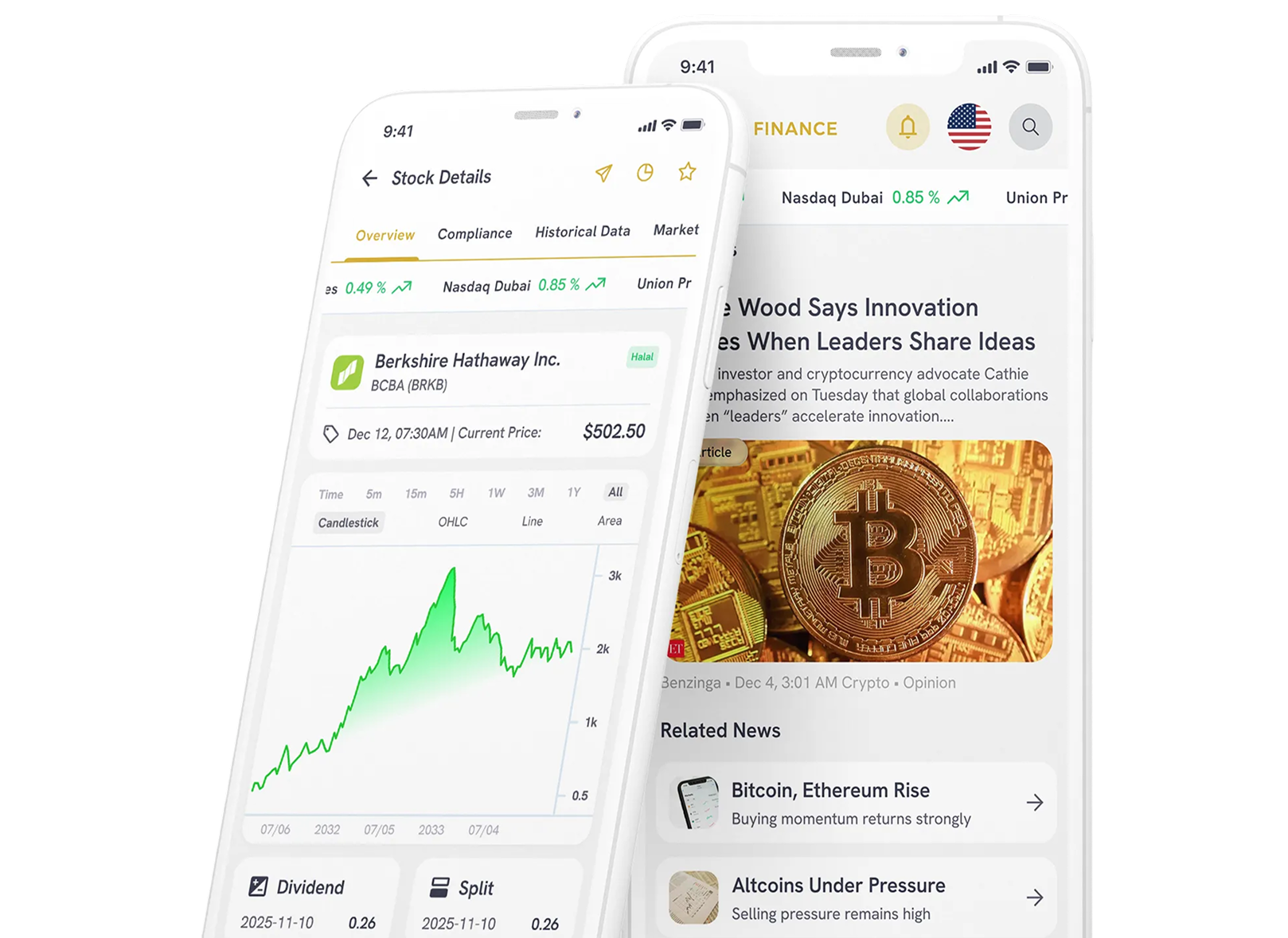
Track Global Markets in Real Time with UA Finance

Download the app now and access live financial data, expert analysis, and trusted economic news to follow stocks, forex, gold, and cryptocurrencies with ease.