

US Moves to Fund Japanese and Korean Nuclear Fuel Projects


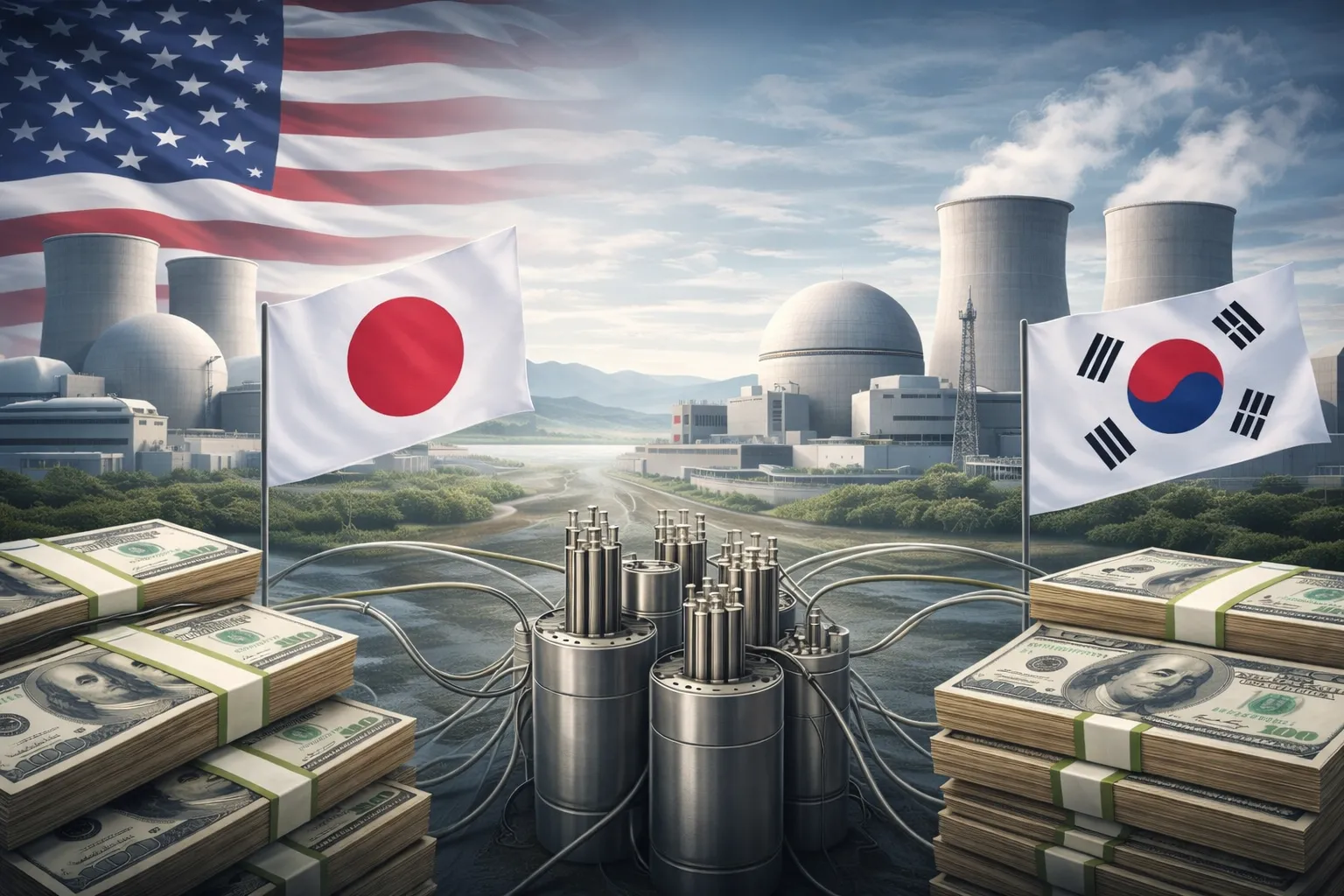
On Sunday, March 15th, 2026, the United States made a major move to boost energy security by financing nuclear fuel projects in Japan and South Korea.
The move is aimed at diversifying the fuel supply chain from Russia and bolstering the strength of its allies in the Indo-Pacific region.
US Anchors Nuclear Fuel Security with Japan and Korea's Support
The US Export-Import Bank is reportedly advancing a $4.2 billion financing package to assist nuclear energy producers in Japan and South Korea in diversifying their fuel supplies and reducing their dependence on Russian nuclear fuel supplies. This move is a clear indication of the US re-engagement in nuclear energy and its support for regional allies in the Indo-Pacific region, clean energy and decarbonization strategy, energy security strategy, international cooperation, and industrial innovation in civil nuclear energy production.
Why This Matters?
The initiative will help the U.S. allies in the Indo-Pacific region reduce their reliance on Russian uranium enrichment services.
The initiative will help to stabilize the Indo-Pacific region, support clean energy objectives, and foster long-term international cooperation in civil nuclear energy. Here are key points:
· Energy Security Is a Strategic Priority: The diversification of nuclear fuel reduces dependence on a single fuel type, especially the enrichment of uranium supplied by Russia, thus reducing geopolitical risk to the uninterrupted supply of nuclear energy.
· Strengthens US-Allied Cooperation: The funding of nuclear projects in Japan and South Korea would strengthen the U.S. alliances by increasing cooperation with the U.S. on civil nuclear energy.
· Supports Decarbonization Goals: Nuclear power is a low-carbon power source. Access to fuel will enable Japan and South Korea to operate their reactors efficiently, reducing the need for fossil fuels, cutting emissions, and meeting climate goals.
· Supply Chain Resilience: The diversification of supply sources, excluding Russian-enriched fuels, makes the supply chain resilience stronger to any disruptions, sanctions, or crises, keeping nuclear reactors running and electricity markets stable.
· Boosts Regional Stability: Collaborative nuclear policies foster trust between the US, Japan, and South Korea, leading to a combined energy security that resists the impact of rival nations.
· Signals Long-Term Industry Growth: Increased nuclear fuel projects promote investments and innovations in nuclear safety and sustainable activities, and boost the long-term growth of the civil nuclear industry.
US Strengthens Nuclear Energy Security in Asia
The US move to support the financing of nuclear fuel projects in Japan and South Korea is a major move towards redefining international energy relations and increasing energy security in important countries in the US alliance.
By reducing dependence on Russian nuclear fuel supplies and increasing regional collaboration, the move is a major boost to strategic security and clean energy strategies.