
U.S. Supreme Court to Review Helms-Burton Act Claims Against Cuban Entities

By:UA Finance
February 22, 2026
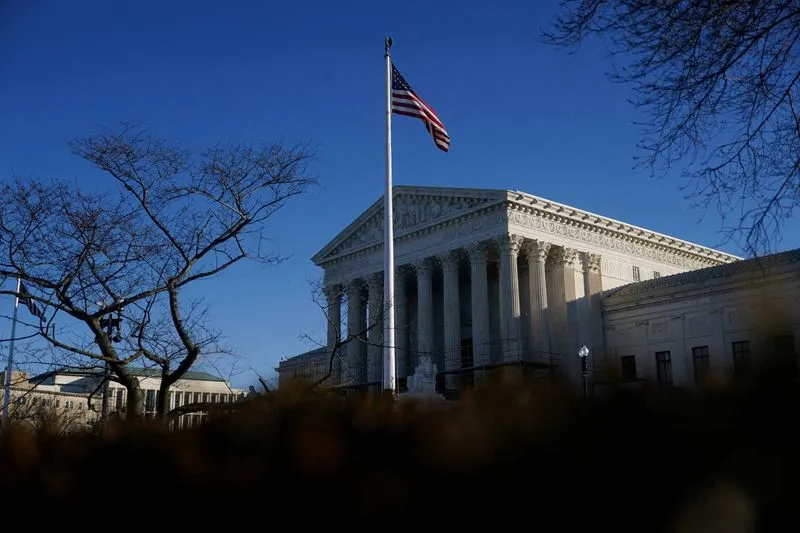
The U.S. Supreme Court is set to address crucial legal questions surrounding the U.S.-Cuba relationship, focusing on the scope of the Helms-Burton Act. This 1996 law allows U.S. nationals to pursue compensation for property confiscated by the Cuban government following the 1959 revolution. The Court will hear arguments on two key cases that involve major U.S. companies, ExxonMobil and several cruise lines.
ExxonMobil is seeking over $1 billion in compensation for oil and gas assets seized by the Cuban government in 1960. The case is centered on the interpretation of Title III of the Helms-Burton Act, which permits lawsuits against entities "trafficking" in confiscated property. Exxon’s legal team is asking the Supreme Court to reverse a 2024 decision that allows Cuban state-owned firms, like CIMEX, to claim foreign sovereign immunity, a defense that generally protects foreign governments from being sued in U.S. courts.
Legal experts suggest the decision has added barriers for U.S. nationals to recover compensation for property seized by the Castro regime. Exxon’s lawyers argue that the decision “imposes yet another barrier” to justice for those whose property was wrongfully confiscated by the Cuban government.
In the second case, the focus shifts to a U.S. company, Havana Docks Corporation, which is suing four major cruise lines—Carnival, Royal Caribbean, Norwegian Cruise Line, and MSC Cruises—over the use of Cuban docks previously owned by the company before the revolution. Havana Docks seeks compensation for the use of its assets, which were seized by the Castro government.
The cruise lines argue that they should not be liable for using the docks after U.S. President Barack Obama eased restrictions on travel to Cuba. They claim it’s unfair to hold them accountable for following U.S. policy. A lower court initially ruled in favor of Havana Docks, awarding $440 million in damages, but an appeals court overturned this decision, reflecting the challenges faced by claimants under the Helms-Burton Act.
The Supreme Court’s review of these cases will determine the future of property claims under the Helms-Burton Act. The justices will explore whether Congress intended Title III to provide a broad remedy for U.S. nationals whose property was taken by the Cuban government. With the Trump administration lifting the suspension of Title III in 2019, more lawsuits have been filed, but many claimants continue to face significant legal obstacles.
Legal scholars suggest that while recovering damages under the Helms-Burton Act has proven difficult for many plaintiffs, these cases provide the Court with an opportunity to clarify and potentially ease the burden on claimants seeking compensation for confiscated property.

-1784558775754_320.webp)