

Taiwan Weighted Index Drops 0.54% at Market Close


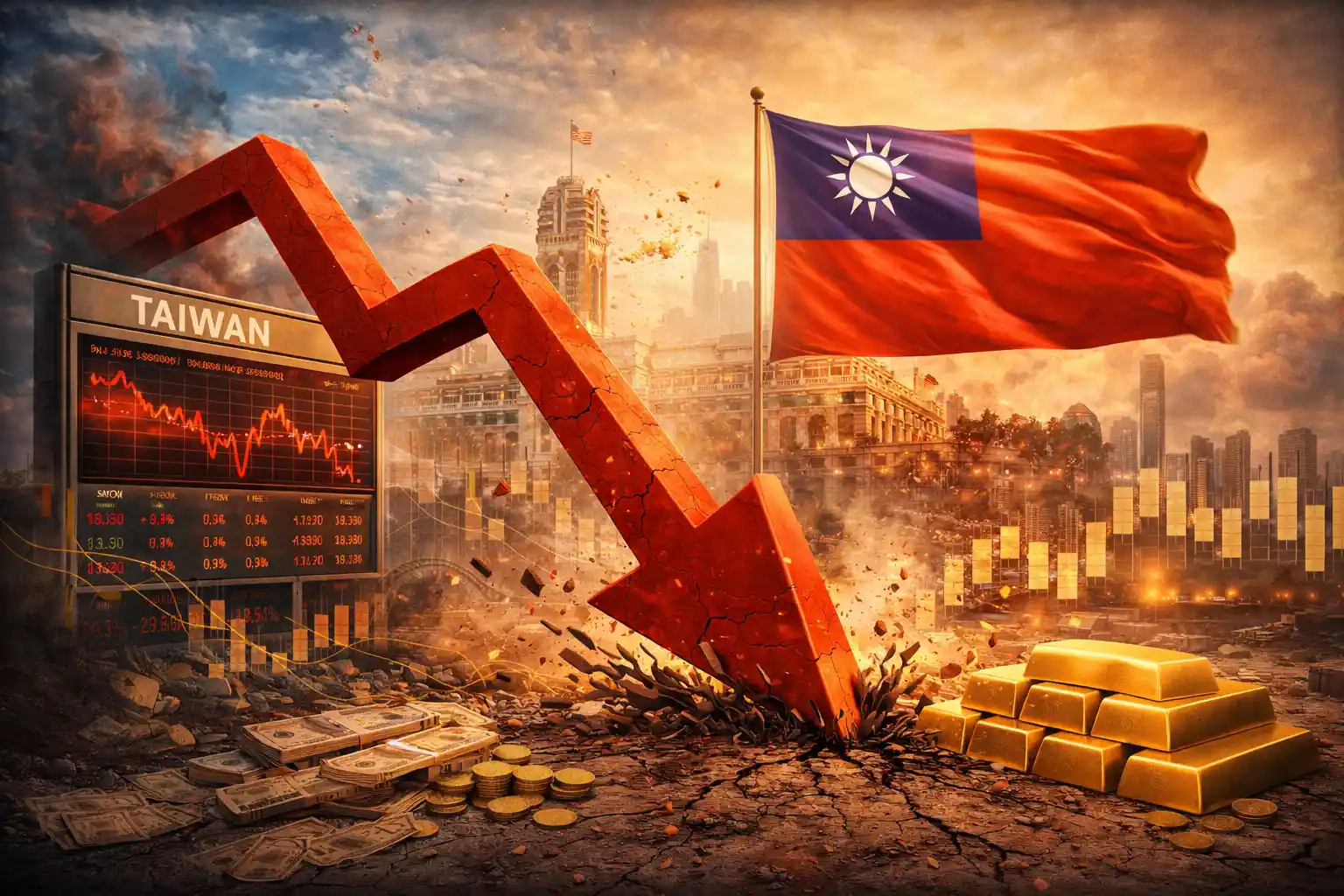
On Sunday, March 16th, 2026, Taiwan stocks ended the day lower, with the Taiwan Weighted Index dropping 0.54%. Investors showed a degree of caution in the Asian markets due to movements in commodity prices, exchange rates, and the overall global economy.
Taiwan Market Ends Lower Amid Mixed Sector Performance
The stock market in Taiwan closed slightly lower as pressure from some sectors impacted the market. Though impressive performances from some companies characterized the market, others closed lower. Traders also considered the impact of currency and commodity prices, which affect countries like Taiwan that rely heavily on exports. Despite losing value in the current session, the market has been higher over the past year, reflecting that it has performed well over time.
Why This Matters
Taiwan's movements in the stock market are closely watched due to their significant importance in the global technology supply chain. Movements in its equity market often reflect trends in semiconductor demand, exports, and investor sentiment in Asia. Here are six key factors:
Technology Sector in Taiwan Influences Global Markets: The Taiwanese stock market has many semiconductor and electronics companies, which means that the stock market index in Taiwan often reflects global market demand for artificial intelligence, smartphones, cloud computing, and other semiconductor devices.
Export-Driven Economy Sensitivity: Taiwan largely depends on exporting technology components and electronic equipment. If global demand slows or geopolitical tensions are high, investors' risk appetite for Taiwanese equities will decline, making the market more sensitive to international economic conditions.
Semiconductor Industry Influence: Taiwan is home to some of the most significant semiconductor companies, which supply major technology firms. Any change in investors' expectations about chip demand or production costs will significantly impact Taiwan's stock market.
Currency Movements Affect Investors: Changes in the Taiwan dollar relative to the U.S. dollar and other currencies may affect export competitiveness and earnings. Currency fluctuations are thus closely watched by investors assessing the prospects for export-oriented firms in Taiwan.
Sector Rotation in Asian Markets: Losses in the market may also indicate sector rotation in the Asian market as investors move funds from technology, energy, and financial sectors based on macroeconomic outlooks and global monetary policies.
Global Tech Supply Chain Signals: As Taiwan is a hub of the global semiconductor industry, even small changes in the Taiwanese equity market can serve as an early warning signal for changes in technology investment cycles and demand for advanced computing infrastructure.
Taiwan Market Reflects Global Tech Sentiment
A small decline in Taiwan’s market indicates how closely the island’s performance is related to global technology demand and investor sentiment. Since the island’s semiconductor supply chains play a crucial role in the global economy, Taiwan’s performance in the stock market is an indicator of global technology industry trends worldwide.