

Stocks Surge as Oil Drops on Iran Cease-Fire News


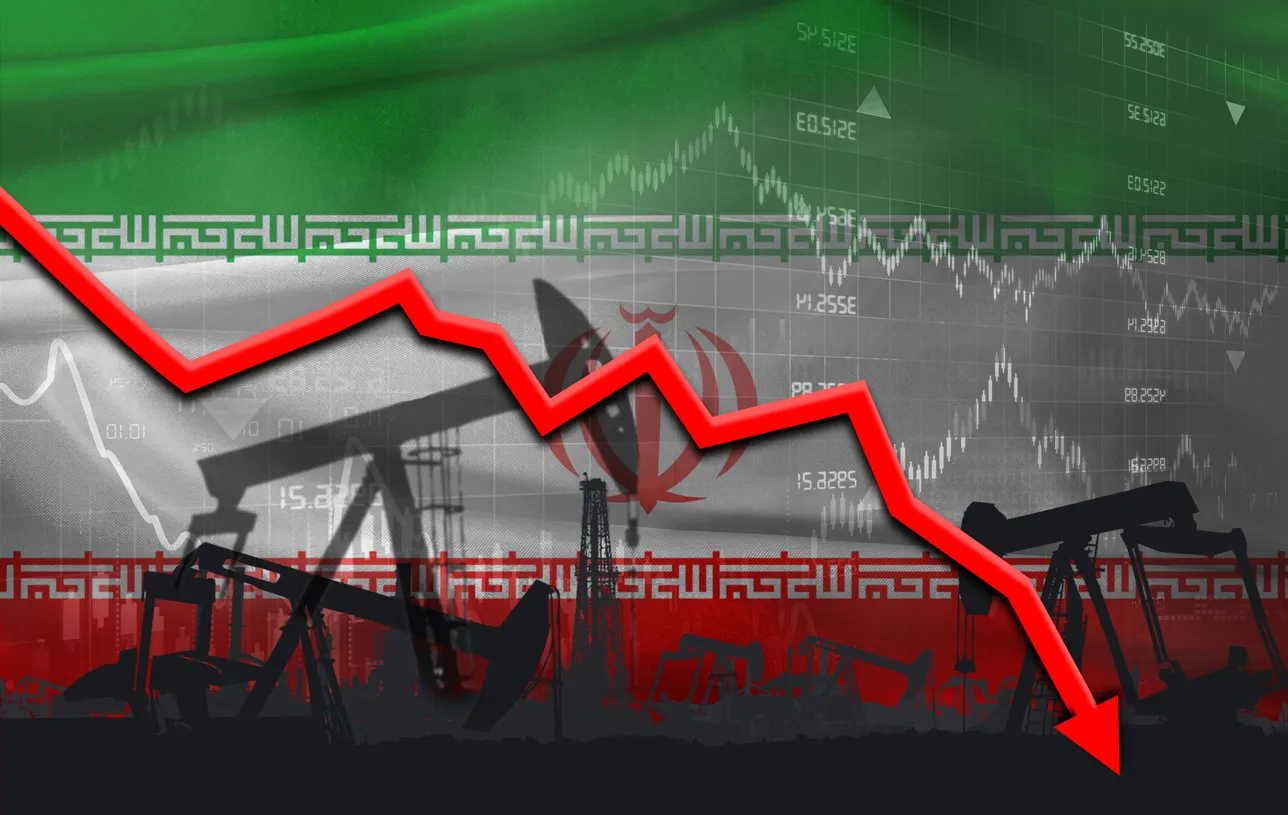
On Wednesday, April 8, 2026, following the US administration's two-week cease-fire agreement with Iran taking effect today, global markets experienced a significant relief rally, and oil prices plummeted below $100 per barrel, while investor optimism sparked worldwide across major sectors.
The Cease-Fire Agreement Triggers Massive Market Recovery
Investors moved capital into equities, highlighting the diplomatic pause between the United States and Iran has reshaped the global landscape, causing major indices to soar, while energy commodities faced sharp sell-offs. Typically, threats to Middle East trade routes have declined, with lower expense projections for the logistics sector, while monitoring if this truce stabilizes the energy market.
Why the Middle East Cease-Fire Matters for Global Finance?
As the de-escalation decreases geopolitical risk premium that kept energy costs high. Lower oil prices invoke supply chain relief, helping businesses recover, manage operational costs, and boost overall investor sentiment.
Market Performance Comparison: Pre-Pivot vs Post-Ceasefire Table
| Asset class | Pre-pivot | Post-pivot | Market trend |
| Crude oil | Over $100 | Below $100 | Bearish move |
| S&P 500 | High risk | Bullish surge | Strong growth |
| Tech stocks | High volatility | Solid gains | Investor relief |
| Logistics | Rising prices | Falling rates | Improved margin |
| Safe haven | Gold buying | Risk appetite | Capital outflow |
| Energy firms | Record profits | Stock slide | Sector cooling |
The Long-Term Impact of Diplomatic Stability on Equities
A window for growth opens as the shift toward stability continues and diplomatic efforts advance, ensuring the global economy remains resilient against future energy price shocks through sustained peace, cementing gains.