

Oil prices tumble in the steepest weekly loss since 2022


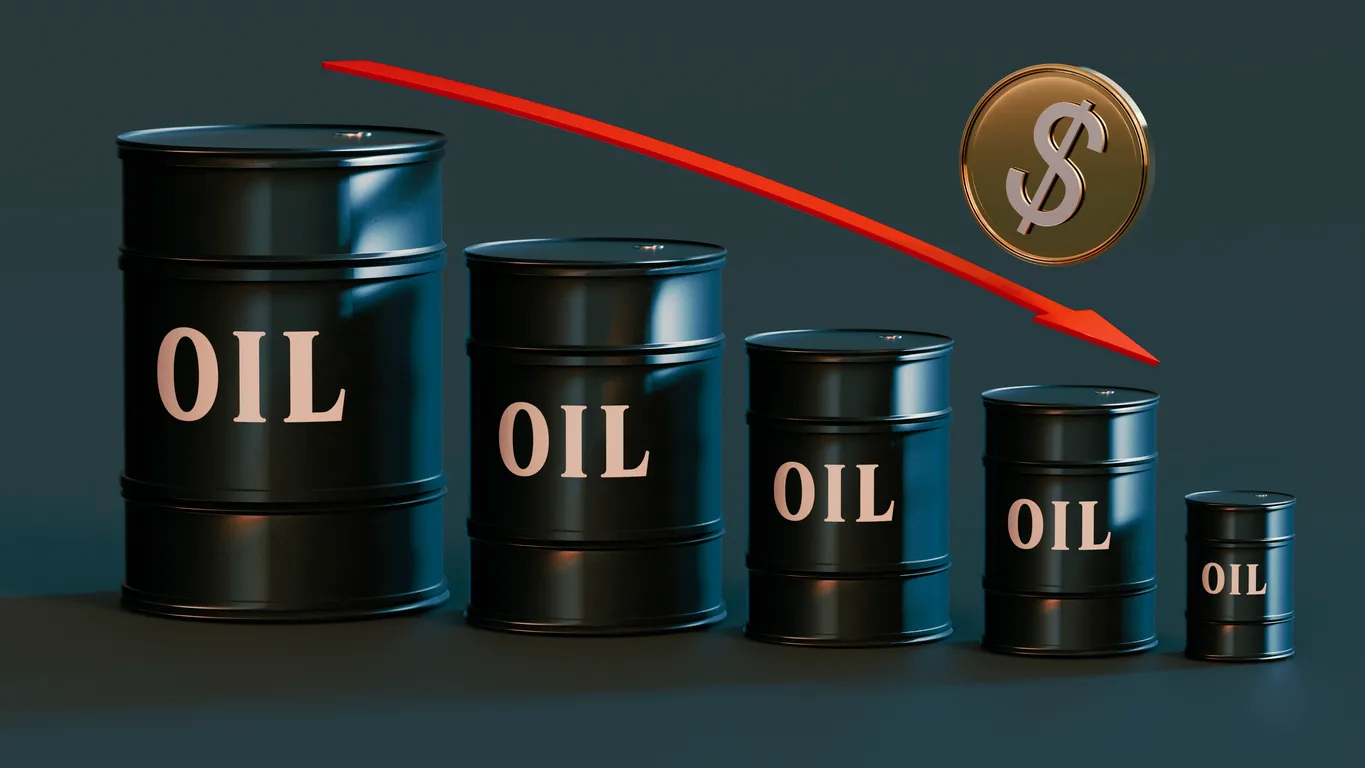
April 11, 2026—Oil prices recorded a sharp decline, marking their steepest weekly loss since 2022, as oil markets reacted to shifting demand signals and renewed supply expectations. The oil price downturn has stirred fresh volatility across global energy trading floors.
Oil Slides Sharply: Is the Market Losing Its Grip?
Oil prices closed lower at the end of the week, capping the steepest weekly drop since 2022, as traders recalibrated expectations around supply dynamics and macroeconomic signals. The oil price slump reflected mounting pressure from anticipated output flows and cautious sentiment dominating the market.
The downward trajectory in oil prices gained momentum toward the week’s close, underscoring a broader retreat that has rattled energy benchmarks. “When momentum shifts, it rarely whispers—it roars,” a saying that captures the intensity of a selloff.
What’s Driving the Oil Prices Decline?
Market movements indicated that oil was weighed down by expectations of increased supply alongside an uncertain demand outlook. The oil prices retreat highlights how sensitive the market remains to geopolitical cues and economic forecasts, amplifying volatility.
On a weekly basis, major oil benchmarks recorded notable declines, with Brent crude futures falling by 12.7 percent, while U.S. West Texas Intermediate (WTI) crude futures dropped by 13.4 percent, underscoring the intensity of the oil price selloff.
Despite intermittent rebounds, oil prices ultimately succumbed to persistent selling pressure, closing the week on a notably weaker footing and signaling a cautious near-term outlook.