

Oil Prices Rise 1% Amid Iran Gulf Threat Tensions


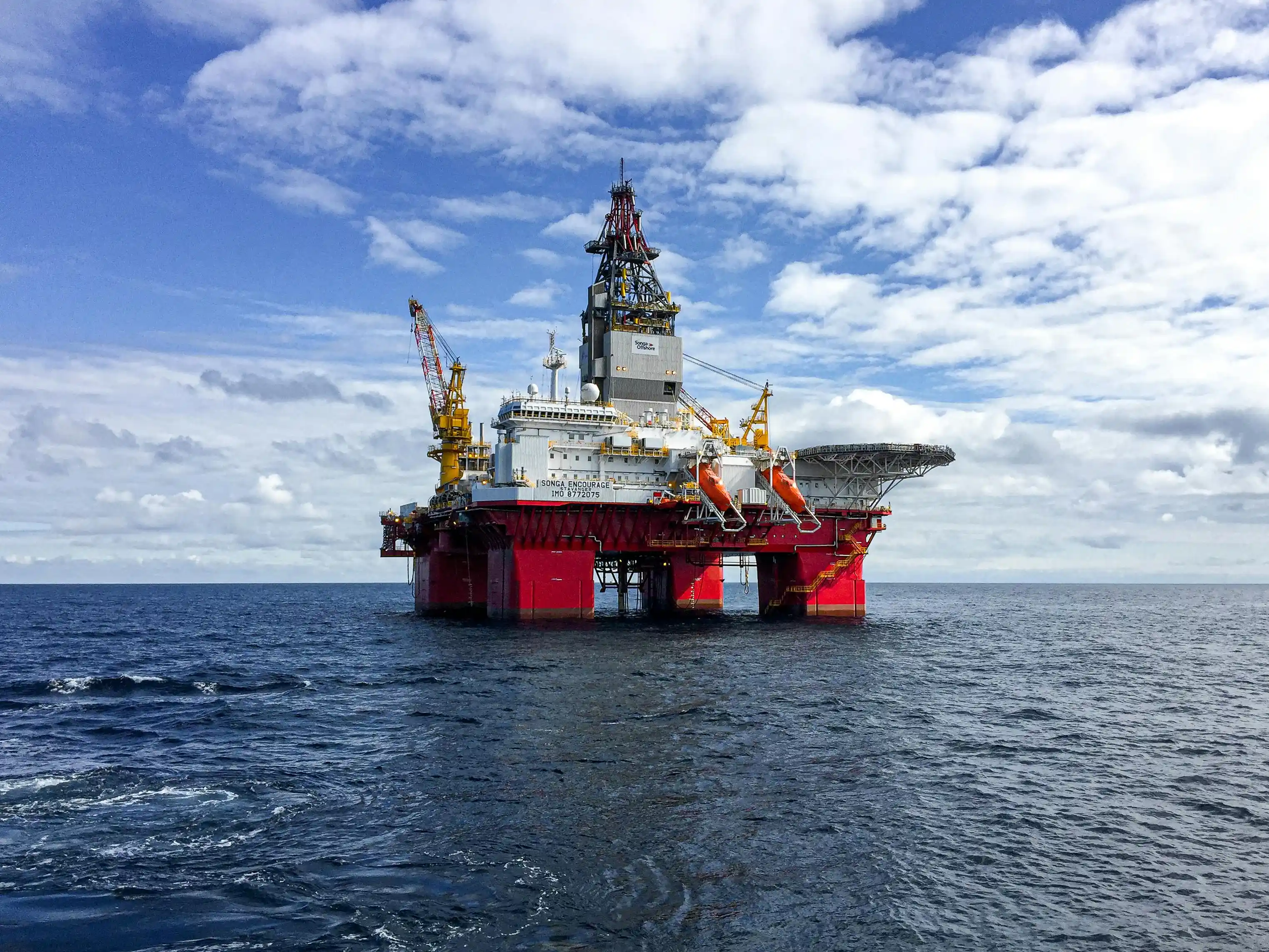
As of Monday, March 23, 2026, oil prices edged higher by around 1% after Iran threatened to target Gulf power plants, intensifying global energy market jitters. Investors reacted quickly to the heightened geopolitical risk.
Oil Climbs as Gulf Energy Fears Shake Markets
A fragile calm never lasts long in energy markets—especially when the world’s energy supply is at stake. Crude prices moved upward after Iran warned it could strike Gulf power and water facilities if its own infrastructure is attacked, intensifying an already volatile standoff.
The price reaction reflects mounting anxiety around supply disruptions, particularly through the Strait of Hormuz, a critical artery for global oil shipments. Traders appeared to price in risk rather than reality, as rhetoric hardened on both sides.
Rising Tensions Ripple Through Oil Markets
The crisis unfolded quickly, with markets absorbing headlines and recalibrating expectations:
| Market Trigger | Impact on Oil |
| U.S. ultimatum to Iran | Heightened supply risk |
| Iran threatens Gulf infrastructure. | Prices climbed 1% |
| Strait of Hormuz concerns | Persistent volatility |
Beyond pricing, fears extend deeper. Gulf nations rely heavily on power and water networks—targets that, if struck, could trigger humanitarian and economic strain across the region.
A Market Balancing Fear and Diplomacy
While diplomatic signals hinted at possible de-escalation, markets remained cautious. The oil rally underscores a broader truth: even the potential of disruption in the Middle East can send shockwaves across global energy systems.
As negotiations linger and threats persist, oil traders seem to echo an old market adage: “Price the risk before it becomes reality.”